Puppy Care Made Easy: Essential Tips for New Dog Parents
Got a fluffy newcomer at home? You’re probably wondering how to keep the little guy safe, happy, and well‑behaved. The good news is you don’t need a degree in dog psychology. A handful of clear steps can set you and your pup on the right track.
Training and House‑breaking Basics
Start with a consistent schedule. Feed, potty, and play at the same times each day. Puppies love routine; it helps them understand when it’s time to go outside. Take your pup out first thing in the morning, after meals, and before bedtime. If you miss a spot, a quick clean‑up with an enzymatic cleaner stops the smell from inviting repeat accidents.
Crate training is a game‑changer. A crate gives your puppy a den‑like space where they feel safe. Keep the crate cozy with a soft blanket, but don’t use it as punishment. When you see signs they need to go—sniffing, circling, or whining—rush them to the door. A short “go potty” cue works wonders once they learn the connection.
When it comes to teaching commands, keep sessions under five minutes. Short, upbeat lessons keep their attention and prevent frustration. Use a single word like “sit” or “stay” and reward immediately with a treat or praise. Consistency across family members is key, so agree on the same cues and rewards.
Sleep, Crate, and Grooming
Most puppies can’t hold their bladder through the night until they’re about three months old. Expect a few midnight trips to the door. If you’re sleep‑deprived, set an alarm for the first couple of weeks to take them out at regular intervals. As they grow, the night‑time trips will fade.
Should a puppy sleep in a crate? Yes, most of the time. The crate provides security and helps prevent accidents on the floor. Place the crate in a quiet part of the house, but not too far from you—puppies often feel better hearing your breathing.
Grooming isn’t just about looks; it’s about health. Brush your puppy a few times a week to remove loose fur and check for ticks or skin irritation. A gentle bath every month keeps their coat clean without stripping natural oils. If your pup seems constantly dirty, look at their play habits—muddy games can be fun, but a quick wipe after play keeps “Dirty Dog Syndrome” at bay.
Finally, think about when to let your pup roam free at home. Wait until they’re reliably house‑trained and can follow basic commands. Puppy‑proof the area: move cords, secure trash, and block off stairways. Once those boxes are checked, you can open the gates and let them explore safely.
Every puppy is different, but these core steps—schedule, crate, short training bursts, and regular grooming—create a solid foundation. Stick with them, celebrate the small wins, and enjoy the journey. Your pup will grow into a well‑behaved companion, and you’ll get a lot more sleep along the way.
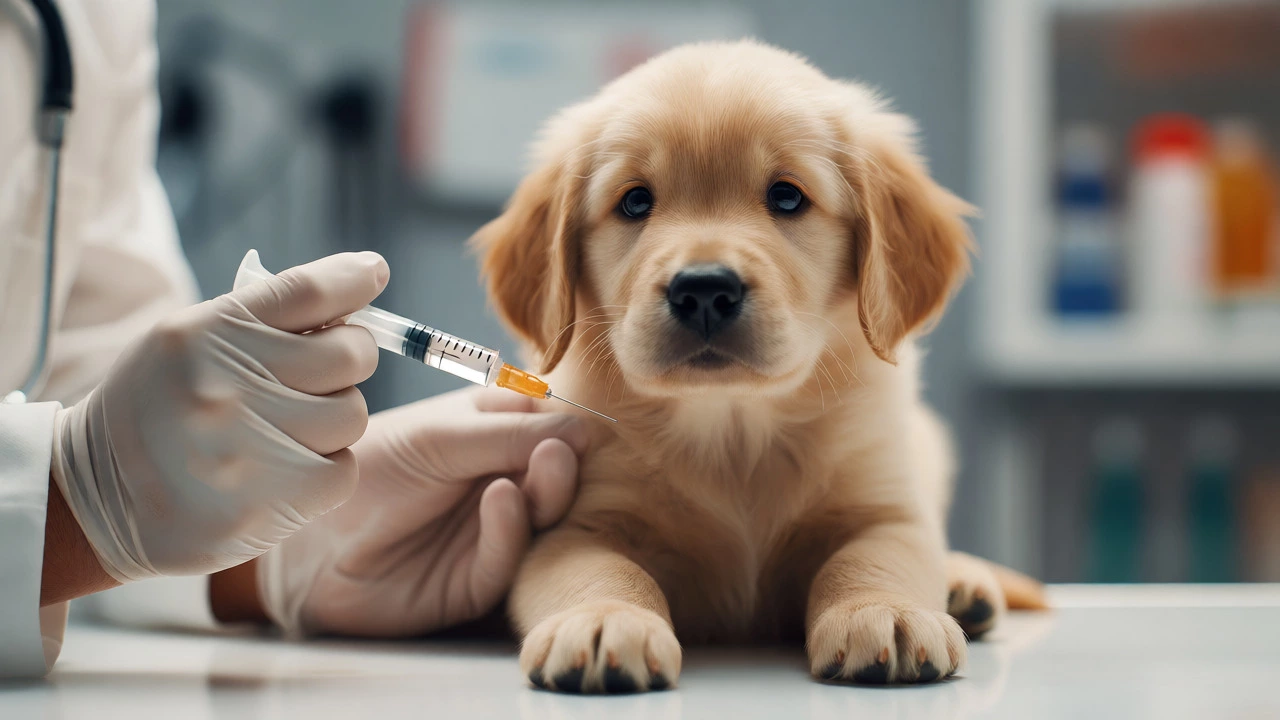
Puppy Vaccination Schedule: What Shots Do Puppies Need?
Discover the essential puppy vaccination schedule, including core and non-core shots. Learn why timing matters between 6 and 16 weeks and how to balance socialization with safety.
View more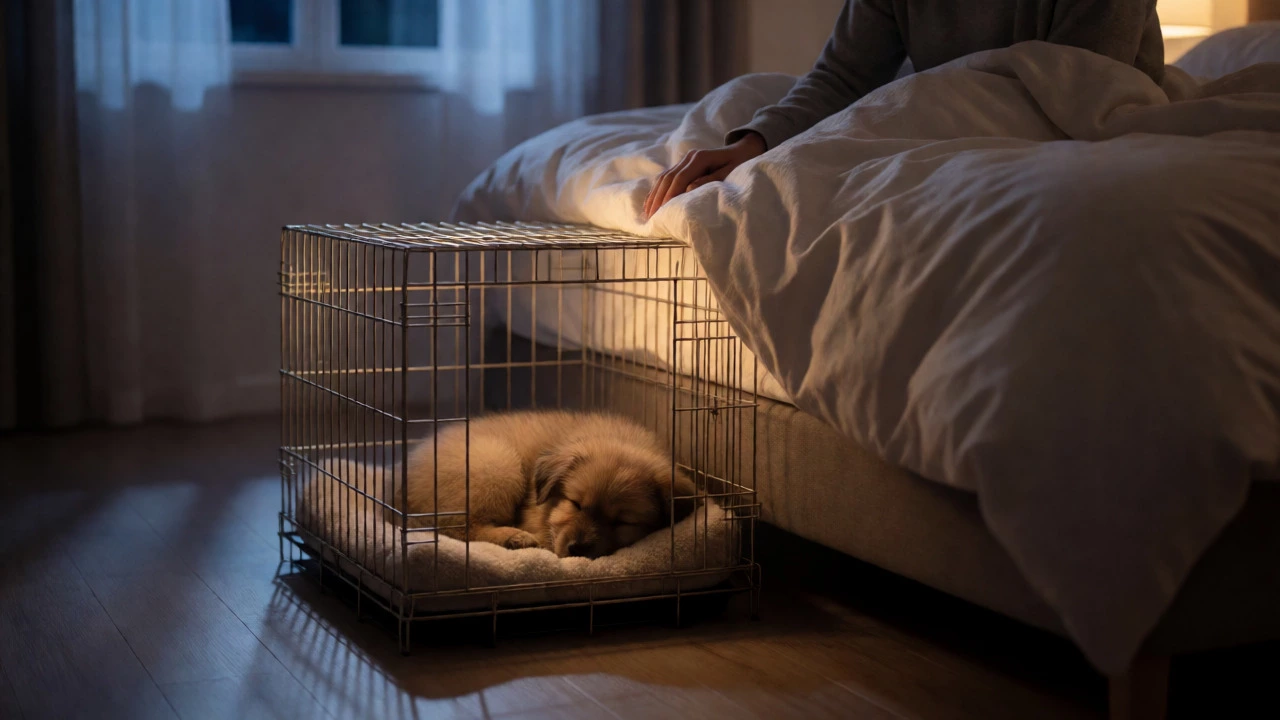
Should You Sleep in the Same Room as Your Puppy? A Practical Guide
Discover whether you should sleep in the same room as your puppy. We weigh the pros and cons of crate training, bed sharing, and independent sleeping to help you build a healthy nighttime routine.
View more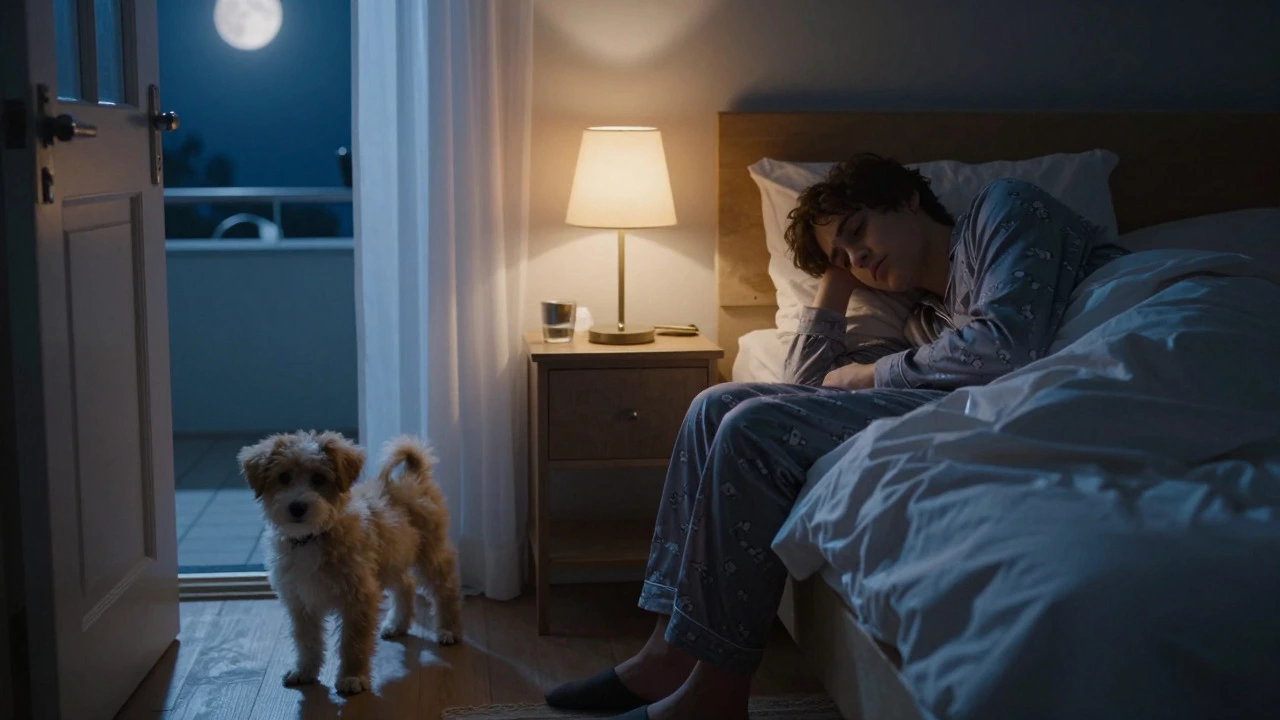
Puppy Potty Schedule: How Many Times a Night to Take Out an 8-Week-Old Puppy
Wondering how many times to take your 8-week-old puppy out at night? Learn the ideal potty schedule, water management tips, and how to help your puppy sleep through the night.
View more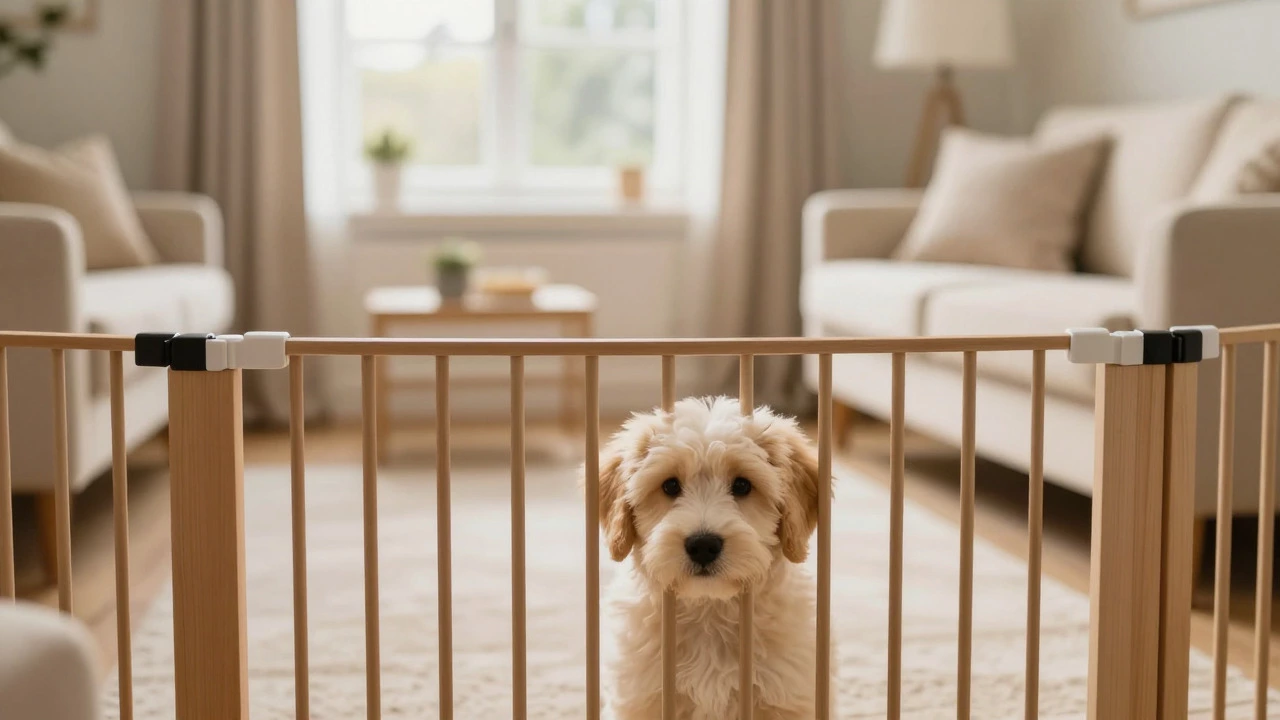
Should You Let Your Puppy Roam the House? Safety, Training, and Freedom
Discover why letting your puppy roam the house freely is often a mistake. Learn about safety risks, effective containment strategies like crates and gates, and how to gradually earn house privileges.
View more
Are Girl or Boy Dogs Harder to Potty Train? The Truth About Gender Differences
Discover if boy or girl dogs are harder to potty train. We break down the myths, biological facts, and expert tips to help you succeed with housebreaking any puppy.
View more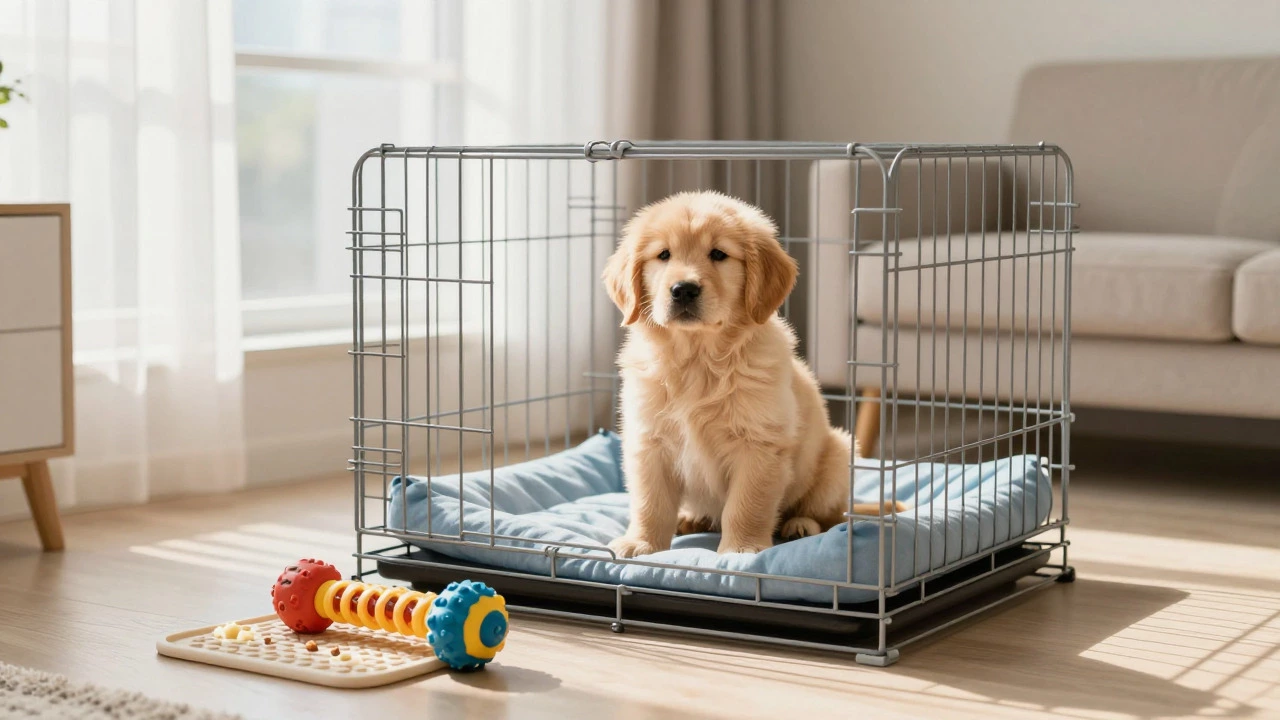
What to Do With Your Puppy When You Go to Work: A Guide to Toys and Routine
Struggling with a puppy at home while you work? Learn how to use puppy toys, crate training, and routine to keep your dog calm, clean, and happy during the workday.
View more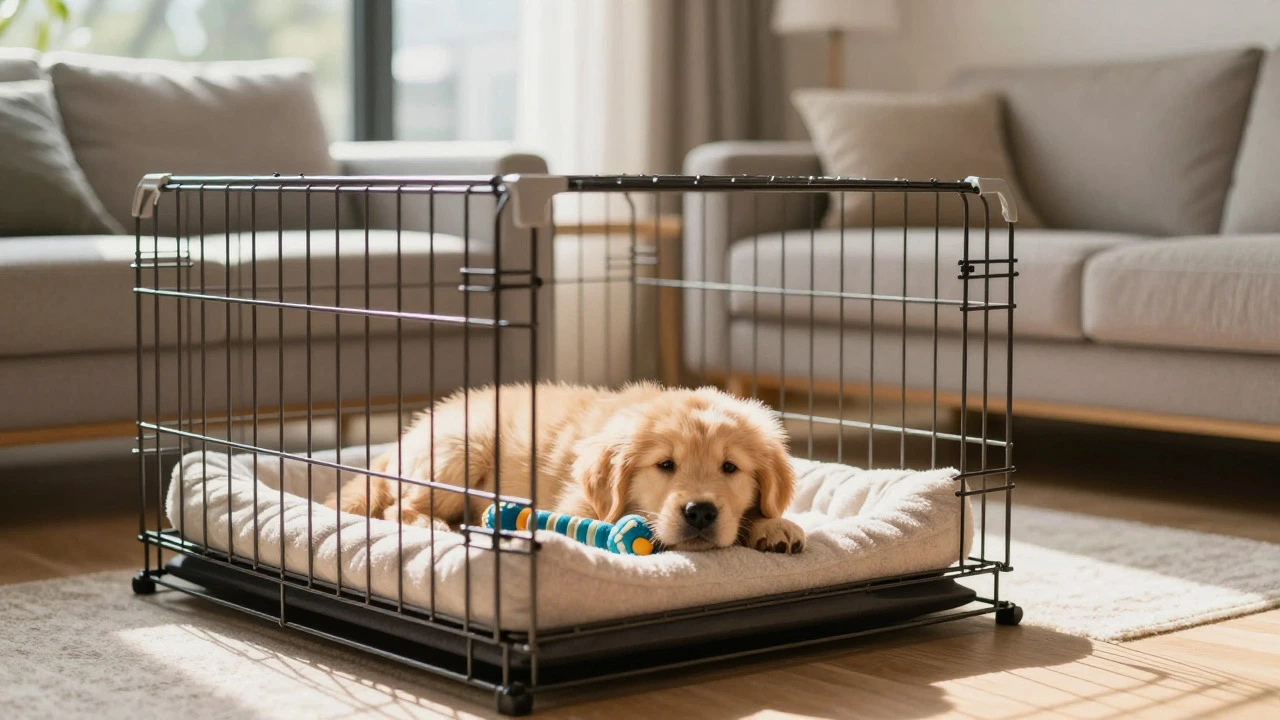
Should I Crate My Puppy During the Day? A Guide to Safe & Positive Crating
Learn if you should crate your puppy during the day. Discover safe crating times, setup tips, and alternatives to ensure your puppy's safety and happiness.
View more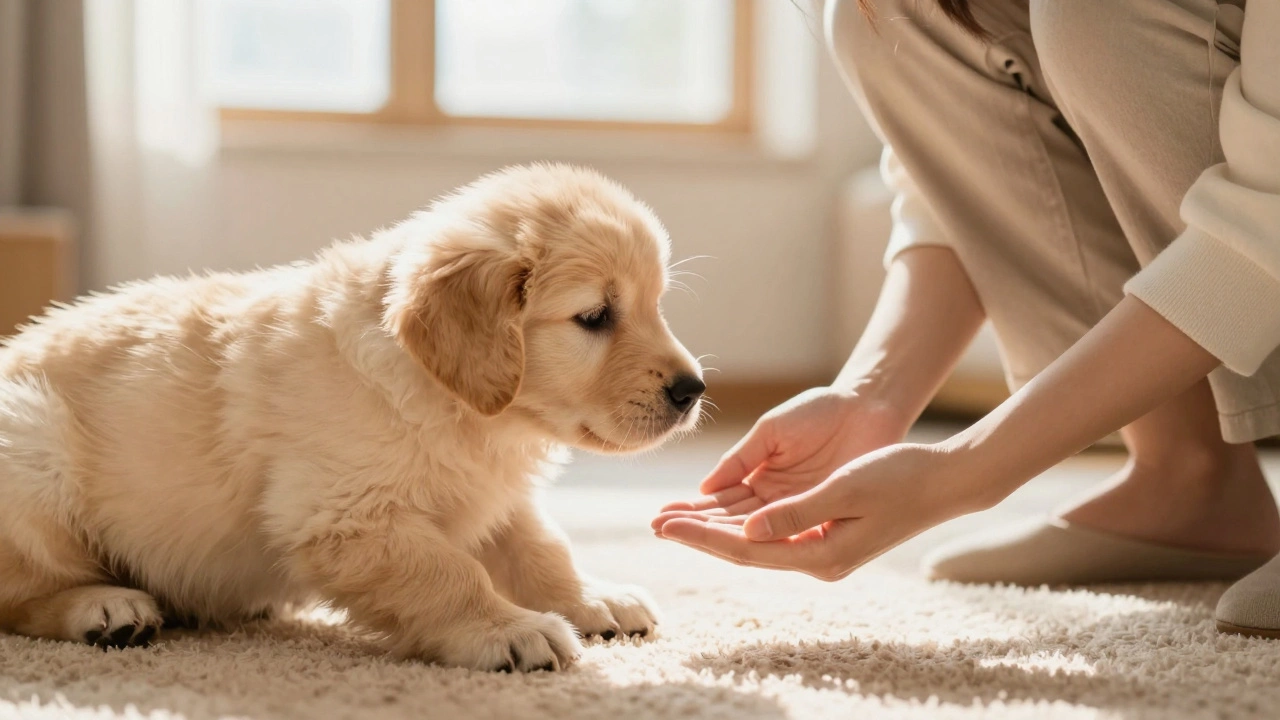
Should You Hold Your Puppy Like a Baby? Safe Handling Guide
Learn why holding your puppy like a baby can be dangerous and how to handle them safely. Discover breed-specific tips, signs of discomfort, and alternative bonding methods.
View more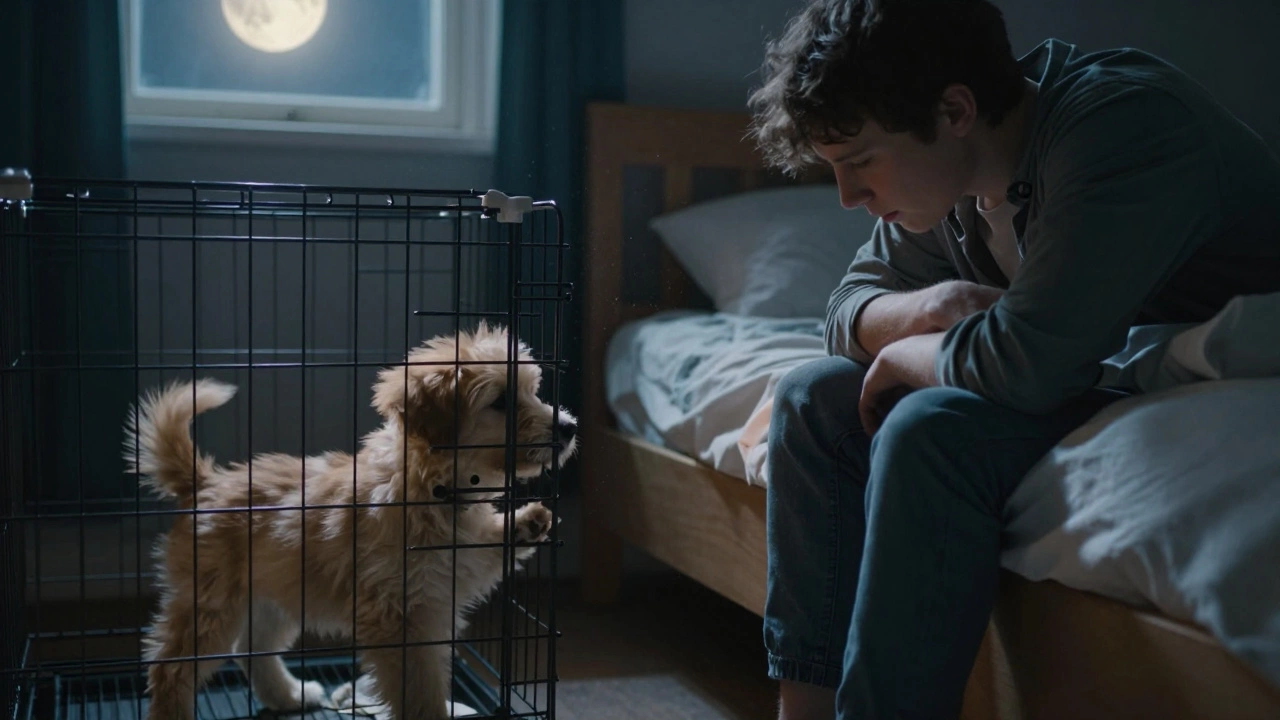
Puppy Bladder Control: When Can Puppies Hold Pee at Night?
Learn exactly when puppies can hold their pee at night based on age. Discover the math behind bladder control, routines to prevent accidents, and tips for successful potty training.
View more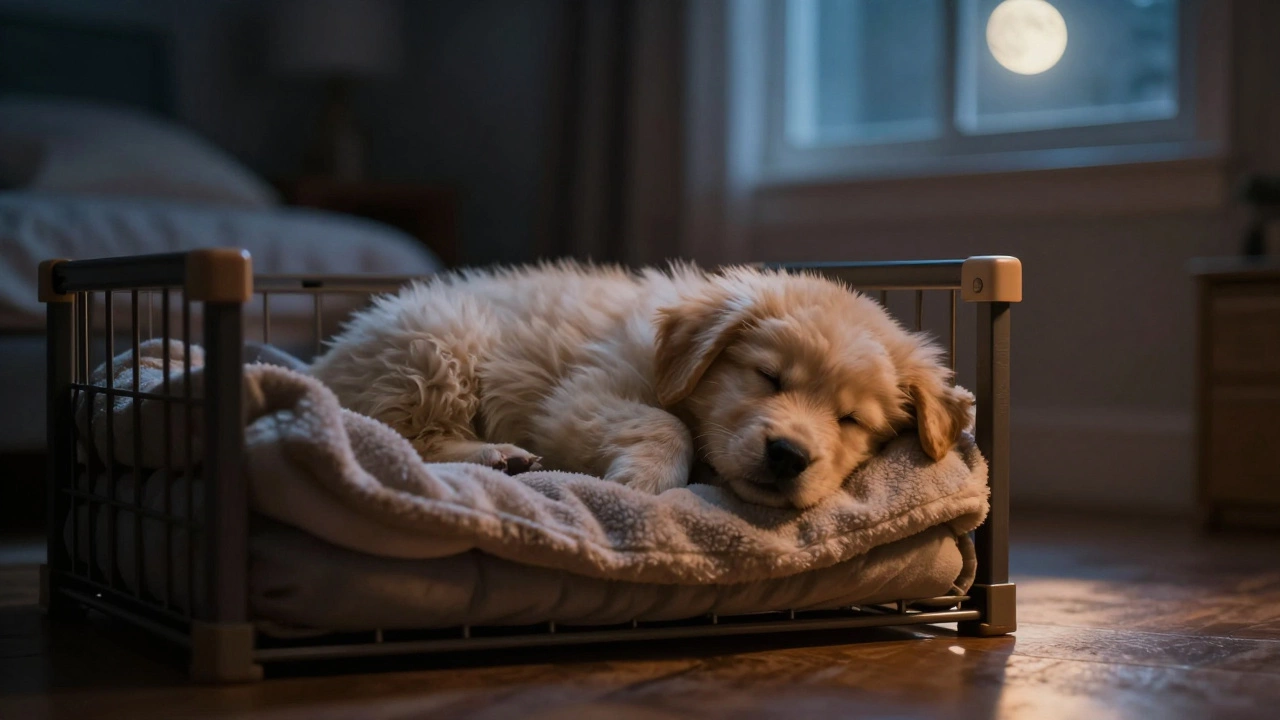
What Time Should a Puppy Go to Bed? A Complete Sleep Schedule Guide
Discover the ideal bedtime for your puppy based on age and bladder control. Learn how to create a calming routine, manage night wakings, and establish healthy sleep habits for a well-rested dog.
View more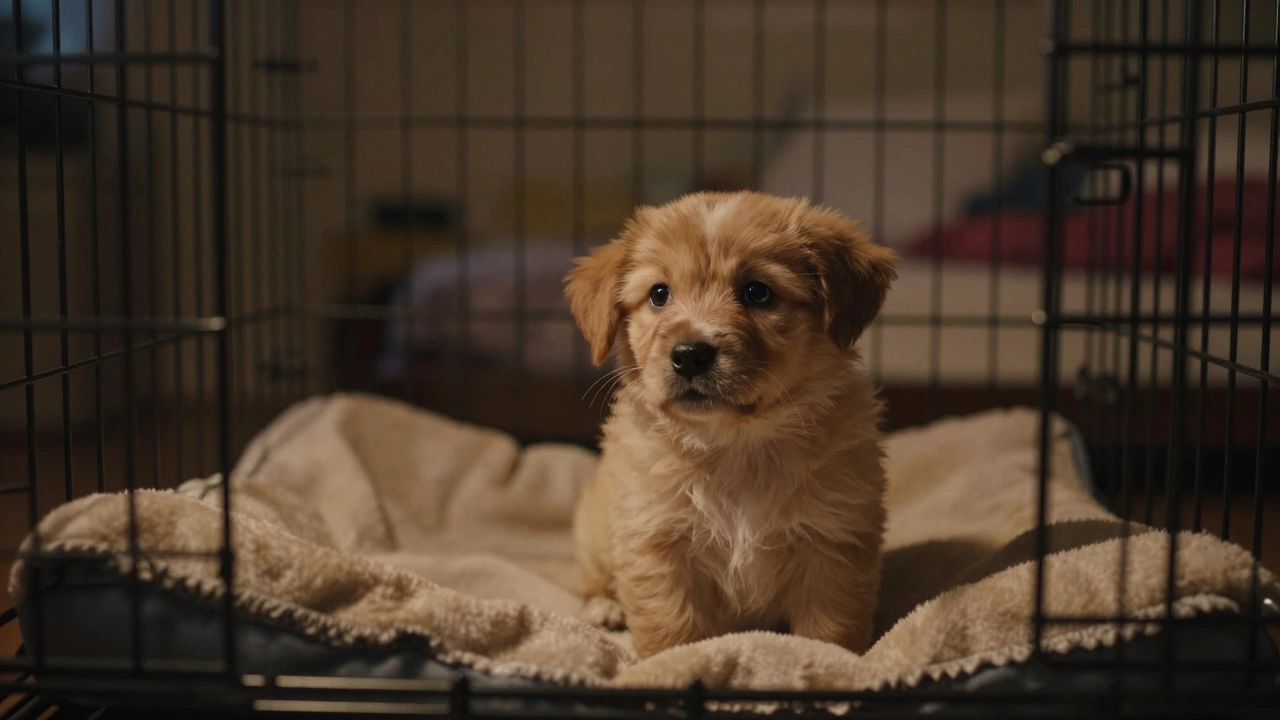
First 48 Hours With a Puppy: The Ultimate Survival Guide for New Owners
A practical guide for new puppy owners on managing the first 48 hours, covering crate setup, sleep routines, feeding, and essential puppy toys to ensure a smooth transition.
View more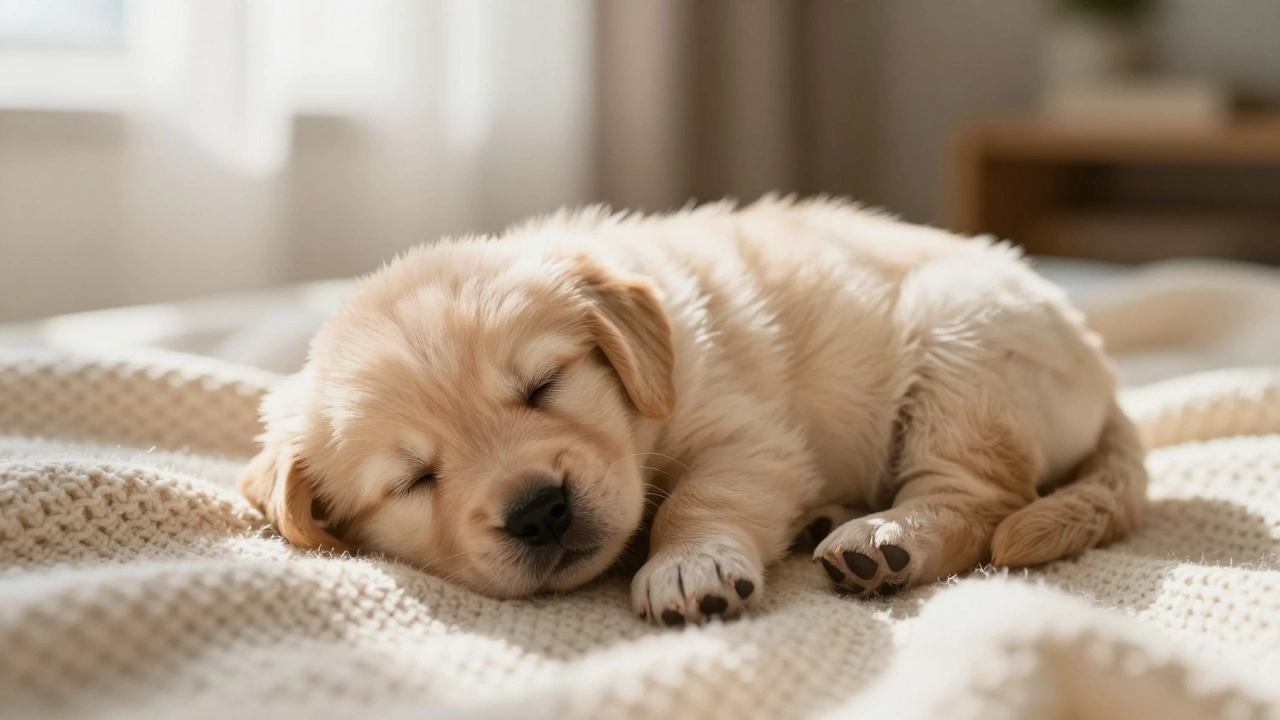
Should You Wake a Sleeping Puppy? The Risks and Science of Puppy Sleep
Discover why waking a sleeping puppy can lead to biting and hinder their brain development. Learn about REM sleep and how to manage your pup's rest for better training.
View more