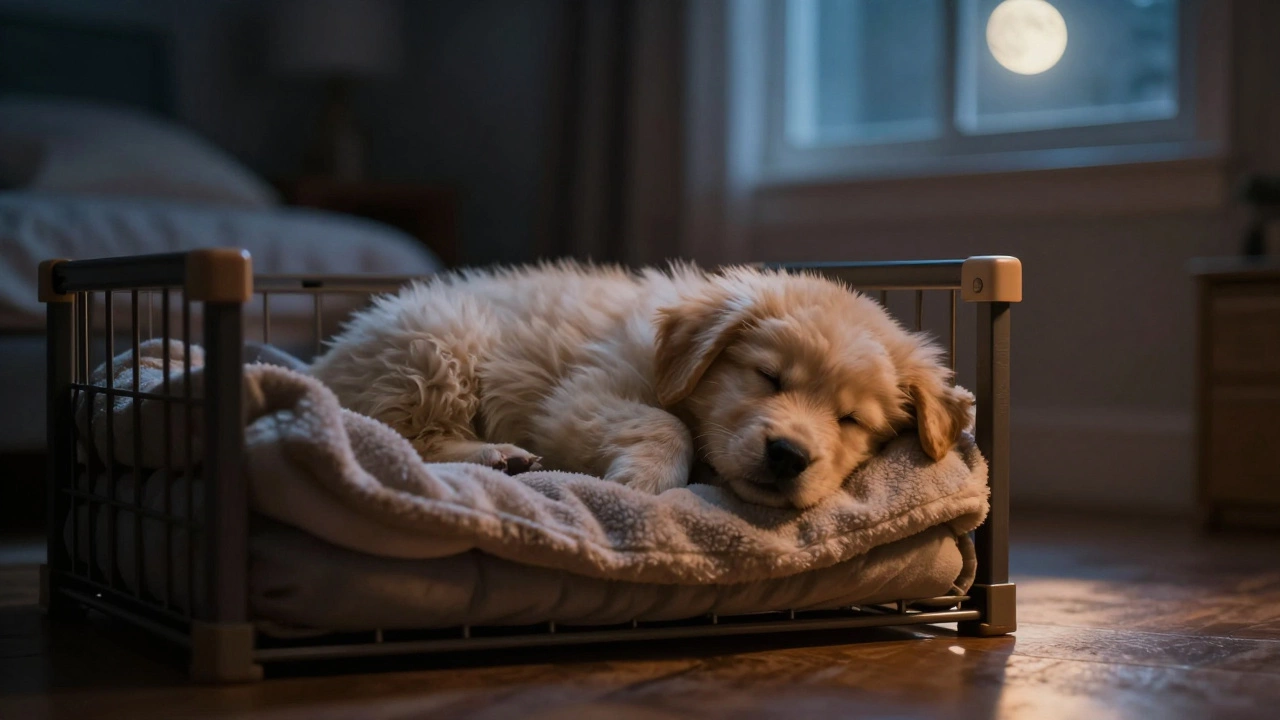
Puppy Bedtime & Routine Calculator
Your Personalized Daily Timeline
🍽️ Dinner Time
Feed final meal 2-3 hours before bed to aid digestion.
💧 Water Cut-off
Remove water bowl 1 hour before bedtime.
🚶 Final Potty Break
Take out 20 minutes before crating. Keep it boring!
🛌 Ideal Bedtime
Dim lights, calm activity, then into the crate.
Bladder Capacity
--
Max awake time
Total Sleep Needed
--
Per day
Night Wakings
--
Expected interruptions
🌙 Night Strategy
Calculating advice...
The Truth About Puppy Sleep: It’s Not Just About Tiredness
If you’ve just brought home a fluffy bundle of energy, you might think your nights are over. You’re wrong. In fact, they’ve only just begun. The biggest mistake new owners make is assuming that because a puppy looks awake, it wants to play. Puppies are young dogs under one year old who require significantly more sleep than adult dogs to support rapid physical and mental development. Unlike adult dogs, which typically need 12-14 hours of rest, a young pup needs between 18 and 20 hours of sleep every single day.
So, what time should a puppy go to bed? There isn’t a single clock time that works for every household. Instead, the answer depends on their age, their last meal, and their last potty break. Generally, most puppies thrive with a bedtime between 9:00 PM and 10:30 PM. This window allows them to settle down after the evening chaos while ensuring they aren’t left alone in a crate for an excessive amount of time before you wake up. If you put them to bed too early, say 7:00 PM, they will likely spend three hours whining because they are bored or need to pee. If you wait until midnight, you risk overtiring them, which leads to hyperactivity and poor sleep quality.
Age Matters: How Sleep Needs Change Over Months
You cannot treat a 6-week-old rescue the same way you treat a 5-month-old adolescent. Their biological clocks and bladder capacities are vastly different. Understanding these developmental stages is key to setting a realistic bedtime.
| Age Range | Total Daily Sleep Needed | Max Awake Time (Bladder Rule) | Ideal Bedtime Strategy |
|---|---|---|---|
| 8-12 Weeks | 18-20 hours | 1-2 hours | Bedtime aligns with owner's bedtime; expect 2-3 night wakings. |
| 3-6 Months | 16-18 hours | 2-4 hours | Consistent 9:30 PM bedtime; usually 1 night waking. |
| 6-12 Months | 14-16 hours | 4-6 hours | Can stretch to 10:30 PM; may sleep through the night. |
A general rule of thumb for bladder control is that a puppy can hold their pee for one hour per month of age, plus one. So, a 3-month-old can hold it for about 4 hours. If you put them to bed at 9:00 PM and don't wake them up, they will likely have an accident around 1:00 AM. This isn't bad behavior; it's biology. Adjusting your bedtime to match their capacity prevents accidents and reduces stress for both of you.
Crafting the Perfect Pre-Bed Routine
Dogs are creatures of habit. They feel safe when they know what comes next. A consistent pre-bed routine signals to your puppy’s brain that playtime is over and rest time has begun. Without this structure, you’ll find yourself playing tug-of-war at 11:00 PM because they don’t understand why the party stopped.
- The Final Potty Break: Take your puppy out 20 minutes before you plan to crate them. Keep this boring. No games, no treats, just business. Use a cue like "go potty" and praise them calmly when they finish. This helps associate the action with the command.
- Dim the Lights: Lowering the lights in your home mimics natural dusk cues. Bright overhead lights stimulate alertness. Switch to lamps or turn off main fixtures to encourage melatonin production.
- Calming Activity: Engage in 5-10 minutes of low-energy interaction. Gentle brushing, quiet petting, or reading aloud works well. Avoid fetch or high-intensity training sessions within an hour of bedtime.
- The Crate Setup: Place the crate in a quiet area, but not necessarily isolated. Many puppies sleep better near their humans’ bedroom door so they can hear breathing sounds. Ensure the crate has a comfortable bed and perhaps a worn t-shirt from your laundry that smells like you.
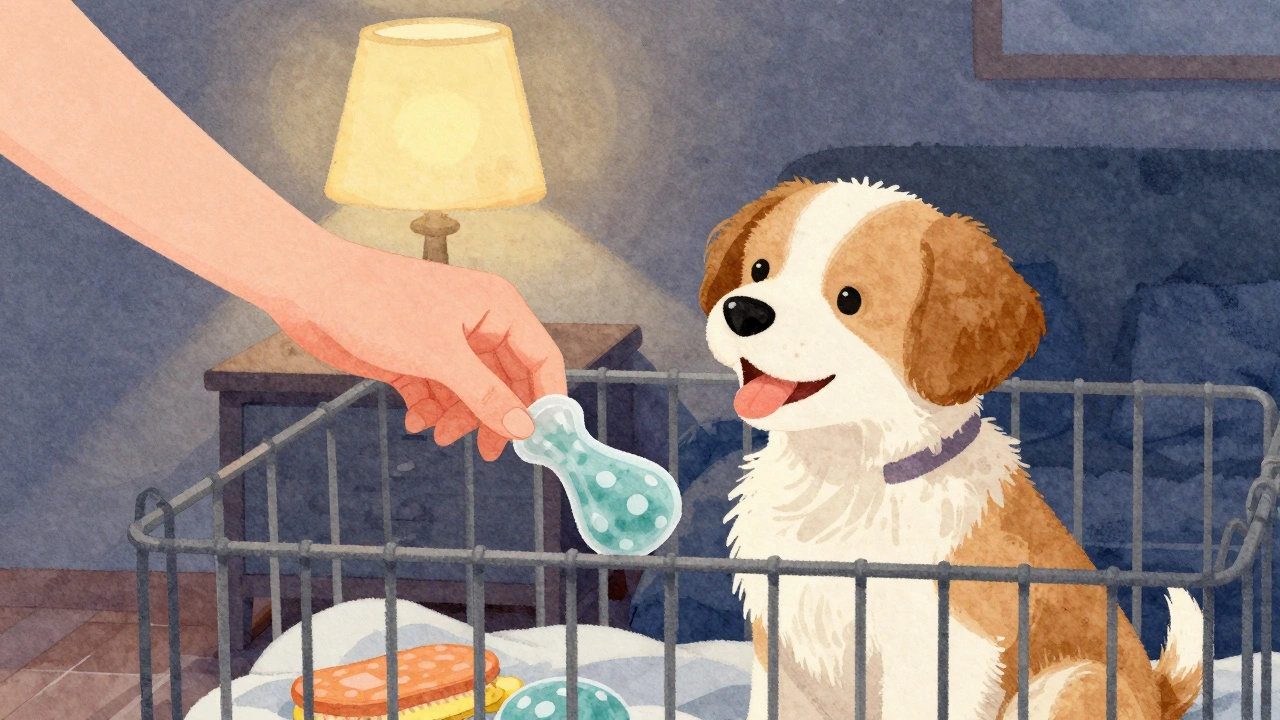
- Quiet Entry: Lead them into the crate with a calm "kennel up" or "bedtime" command. Give them a long-lasting chew, like a frozen Kong stuffed with peanut butter (xylitol-free), if they are old enough and approved for it. This occupies their mouth and promotes relaxation.
Night Wakings: To Intervene or Not?
Here is where many owners lose their nerve. Your puppy wakes up crying. Do you let them cry it out? Do you take them out immediately? The answer requires nuance. Ignoring a puppy who genuinely needs to eliminate is cruel and counterproductive to house training. However, responding to boredom whining reinforces the behavior.
If your puppy is under four months old, assume they need to go. Take them out on a leash, directly to their potty spot. Keep interactions minimal-no eye contact, no talking, no play. Once they eliminate, return them quietly to the crate. If they don’t go within 5 minutes, bring them back inside. They may just be settling. If they continue to cry intensely after being returned, wait 10-15 minutes before trying again. This teaches them that crying doesn’t guarantee immediate attention, but needing to pee does.
For older puppies (6+ months) who have slept through the night previously, occasional whining might be due to discomfort, fear, or separation anxiety. Check for obvious issues first-is it too hot? Did they eat too much water? If everything seems fine, try ignoring the noise briefly. Sometimes, a quick acknowledgment without opening the crate door can suffice. Consistency is your best tool here. If you give in to whining one night, you reset the training clock.
Diet and Timing: What They Eat Affects When They Sleep
What goes in affects what comes out-and when. Feeding your puppy too close to bedtime is a recipe for disaster. A full stomach means a full bladder. Most veterinarians recommend feeding your final meal of the day at least two to three hours before bedtime. For a 9:30 PM bedtime, dinner should be served around 6:30 PM.
Water intake also needs management. Allow free access to water during the day, but pick up the bowl about an hour before bed. This doesn’t mean depriving them of hydration; it just ensures their system has time to process fluids before sleep. If your puppy is dehydrated, consult your vet, as this is rare in healthy indoor pets with daytime access.
Consider the type of food as well. High-protein, easily digestible kibble or wet food tends to result in faster digestion. Some owners report fewer nighttime accidents when switching to meals that include probiotics, which support gut health and regularity. Always introduce dietary changes gradually to avoid upset stomachs.
Common Pitfalls That Ruin Sleep Schedules
Even with the best intentions, small errors can derail progress. Here are the most common mistakes I see in Auckland households and beyond:
- Inconsistent Bedtimes: Putting your puppy to bed at 8:00 PM on weekdays and 11:00 PM on weekends confuses their internal clock. Try to keep the variance within an hour.
- Playing After Bedtime: If your puppy escapes the crate or you let them out for a "quick cuddle" and then start playing, you’ve broken the boundary. The crate must remain a place of rest, not a waiting room for fun.
- Overtiring Before Bed: While exercise is good, exhausting a puppy right before bed can lead to "wired" behavior. They become overstimulated and unable to settle. End vigorous play at least two hours before sleep.
- Ignoring Separation Anxiety Early Signs: If your puppy panics when you leave the room, address it early. Practice short departures during the day so being alone isn’t a novel, scary experience at night.
When to Worry: Health Issues Disguised as Sleep Problems
Sometimes, sleep issues aren’t behavioral. If your puppy suddenly starts waking up frequently, panting heavily, or seeming restless despite a good routine, check for medical causes. Common culprits include:
- Parasites: Intestinal worms can cause discomfort and frequent urges to defecate.
- Urinary Tract Infections (UTIs): These cause pain and urgency, leading to accidents and crying.
- Pain or Discomfort: Growing pains, teething, or injuries can disrupt sleep. Watch for limping or whimpering during the day.
- Anxiety Disorders: Severe separation anxiety may require professional training or veterinary intervention, including medication in severe cases.
If you suspect a health issue, consult your veterinarian promptly. Don’t assume it’s just a phase. Early detection prevents suffering and saves you from weeks of frustrated training attempts.
Making It Stick: Long-Term Success Strategies
Establishing a good sleep schedule takes patience. It might take two to four weeks for your puppy to fully adjust. During this time, resist the urge to change tactics constantly. Pick a routine and stick to it. Celebrate small victories, like sleeping an extra 30 minutes without waking.
As your puppy grows, you can gradually extend the time between night wakings. Move their morning potty break later by 15-minute increments each week. Eventually, they will sleep through the night naturally. Remember, this isn’t just about getting more sleep for you-it’s about building a foundation for a calm, well-adjusted adult dog. Good sleep habits now translate to less anxiety and better behavior later in life.
How do I get my puppy to sleep through the night?
Getting a puppy to sleep through the night requires consistency, proper timing of meals, and managing expectations based on age. Start by establishing a strict bedtime routine between 9:00 PM and 10:30 PM. Ensure they have a final potty break right before crating. Limit water intake an hour before bed. For puppies under 4 months, expect to wake them once or twice for potty breaks. Gradually reduce these interventions as they grow. Never punish accidents; instead, reinforce success with calm praise. Patience is key-it typically takes 3-4 months for most puppies to sleep 8+ hours continuously.
Is it okay to let my puppy cry in the crate at night?
It depends on the reason for crying. If your puppy is very young (under 4 months), they likely need to eliminate. Taking them out quickly and quietly is necessary. However, if they are older or have already gone potty, the crying may be due to boredom or attention-seeking. In this case, brief periods of ignoring the whining can help teach them that crying doesn’t yield rewards. Balance is crucial: don’t ignore genuine distress or physical needs, but don’t reinforce negative behaviors either. Always rule out pain or illness first.
What is the best age to stop taking a puppy out at night?
Most puppies can sleep through the night without potty breaks by 4 to 6 months of age, provided they haven’t had accidents recently. You can test this by gradually delaying their first morning potty break. If they hold it until 6:00 AM without incident, try moving the previous night’s last break earlier. If they have an accident, revert to the previous schedule. Every dog is different, but by 6 months, most have the bladder control to sleep 8-10 hours straight.
Should I feed my puppy before bed?
No, you should not feed your puppy immediately before bed. Digestion stimulates activity and fills the bladder. Ideally, serve the last meal of the day 2-3 hours before bedtime. For example, if bedtime is 9:30 PM, dinner should be at 6:30 PM. This gives their body time to process food and eliminates waste before sleep. You can offer a small, soft chew toy stuffed with a tiny bit of peanut butter in the crate to soothe them, but avoid substantial meals.
Why does my puppy wake up barking at night?
Nighttime barking can stem from several causes: needing to potty, hearing noises outside, dreaming, or separation anxiety. First, take them out to potty quietly. If they don’t need to go, check for environmental triggers like streetlights or animals. If the environment is calm, they may be experiencing a nightmare or separation distress. Comfort them gently without encouraging play. If barking persists, consider white noise machines to mask outside sounds or consulting a trainer for separation anxiety protocols.