Dog Beds – Find the Perfect Spot for Your Dog’s Sleep
Ever notice your dog stealing the couch or curling up in a corner you never thought of? That’s a sign they’re hunting for the best sleep spot. A good dog bed does more than look cute – it supports joints, eases anxiety, and keeps fur off the floor. Let’s walk through what you really need to know so you can give your pup a cozy place they’ll love.
Choosing the Right Bed Shape
Dogs aren’t one‑size‑fits‑all, and the same goes for beds. Round beds fit dogs that like to curl up, while square or rectangular beds give space for sprawl‑ers. If your dog likes to hug a pillow, a round bed mimics that snug feeling. Larger breeds often prefer a rectangular bed where they can stretch out. Think about your pet’s sleeping habit first, then match the shape.
Material matters too. Memory‑foam bases relieve pressure on hips and elbows, especially for older dogs. Orthopedic foam is a step up for large breeds with joint issues. If your dog loves to chew, pick a cover made from durable, chew‑resistant fabric. Washable covers are a lifesaver – they keep smells down and look fresh.
Where to Put the Bed in Your Home
Location can change how often your dog uses the bed. A quiet corner away from household traffic works for anxious pups. For social dogs, a spot near a family gathering area makes them feel included. If you’re thinking about a “dog bed in every room,” consider the purpose: a travel‑ready bed in the hallway for quick naps, a plush one in the living room for lounging, and a supportive orthopedic bed in the bedroom for nighttime rest.
Keep the bed away from drafts and direct sunlight. Extreme temperatures can make the bed too hot or cold, ruining comfort. A small rug underneath can add extra insulation and protect flooring.
Now that you know shape and placement, how do you pick the best product? Start by measuring your dog from nose to tail tip while they’re standing – add a few inches for wiggle room. Check the weight limit on the bed label; you don’t want the cushion to sag under a heavy breed. Read reviews that mention durability and ease of cleaning – real‑world feedback beats marketing claims.
Finally, don’t forget the little extras that make a big difference. Some beds come with built‑in bolsters for dogs that like to rest their head. Others have removable cushions that turn into travel pillows. If your dog loves to dig, a bed with a slightly deeper base can satisfy that instinct without ruining your carpet.
Give your dog a bed that matches their personality and watch them settle in faster than ever. A happy, well‑rested pup means fewer chews on furniture, less anxious barking, and a brighter mood when you walk through the door. So pick a shape they love, place it where they feel safe, and choose a material that supports their body – you’ll both reap the benefits of a good night’s sleep.
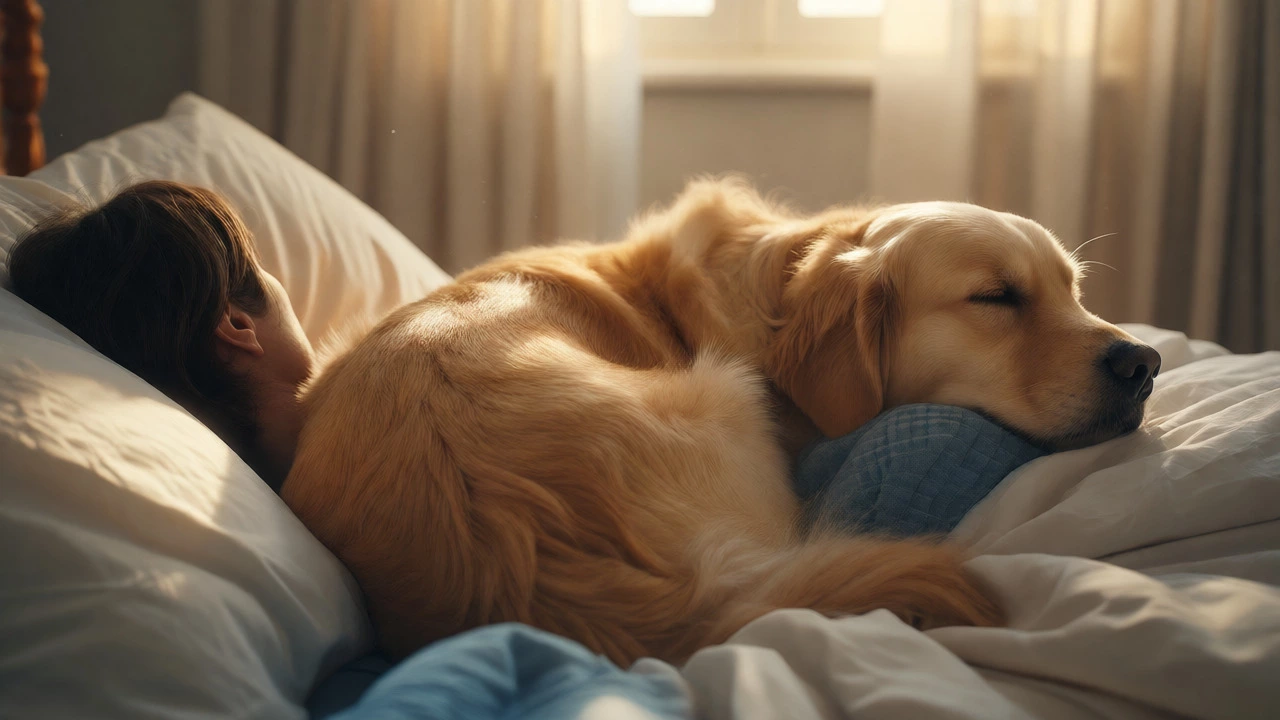
Why Do Dogs Sleep With Their Bum Facing You? Decoding Canine Body Language
Discover why dogs sleep with their bum facing you. Learn how this behavior signals trust, pack bonding, and comfort. Find tips for choosing the right dog bed.
View more
What is Dog Stacking? A Guide to Canine Posture and Bed Comfort
Discover what dog stacking is and how it relates to your pet's posture and bed comfort. Learn to distinguish between show poses and pain indicators, and choose the right orthopedic support for your dog.
View more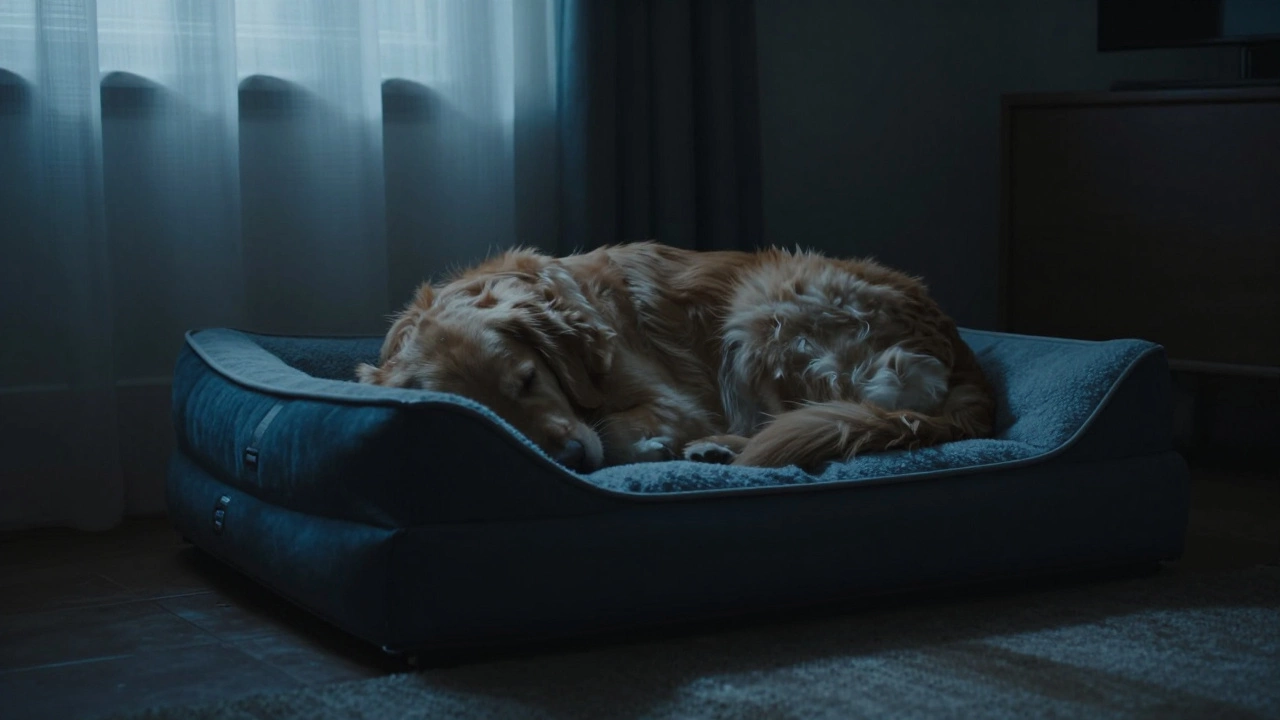
Do Dogs Like Sleeping in the Dark? The Truth About Light, Sleep Cycles, and Best Dog Beds
Discover why most dogs prefer sleeping in the dark, how melatonin affects their sleep, and the best dog beds to enhance their nighttime comfort and security.
View more
What Makes a Calming Dog Bed? Science, Materials, and Design Explained
Discover the science behind calming dog beds. Learn how pressure therapy, material choices, and design features reduce anxiety and improve sleep quality for anxious, senior, and rescue dogs.
View more
10 Clever Alternatives to a Dog Bed: DIY & Household Hacks
Discover 10 clever and budget-friendly alternatives to traditional dog beds. From repurposing furniture to DIY blanket piles, find the perfect sleeping spot for your pup without spending a fortune.
View more
Why You Shouldn't Let Dogs Sleep in Your Bed: Health, Hygiene, and Sleep Quality
Discover why letting dogs sleep in your bed can harm your health, disrupt sleep, and affect behavior. Learn about hygiene risks, alternatives, and expert advice.
View more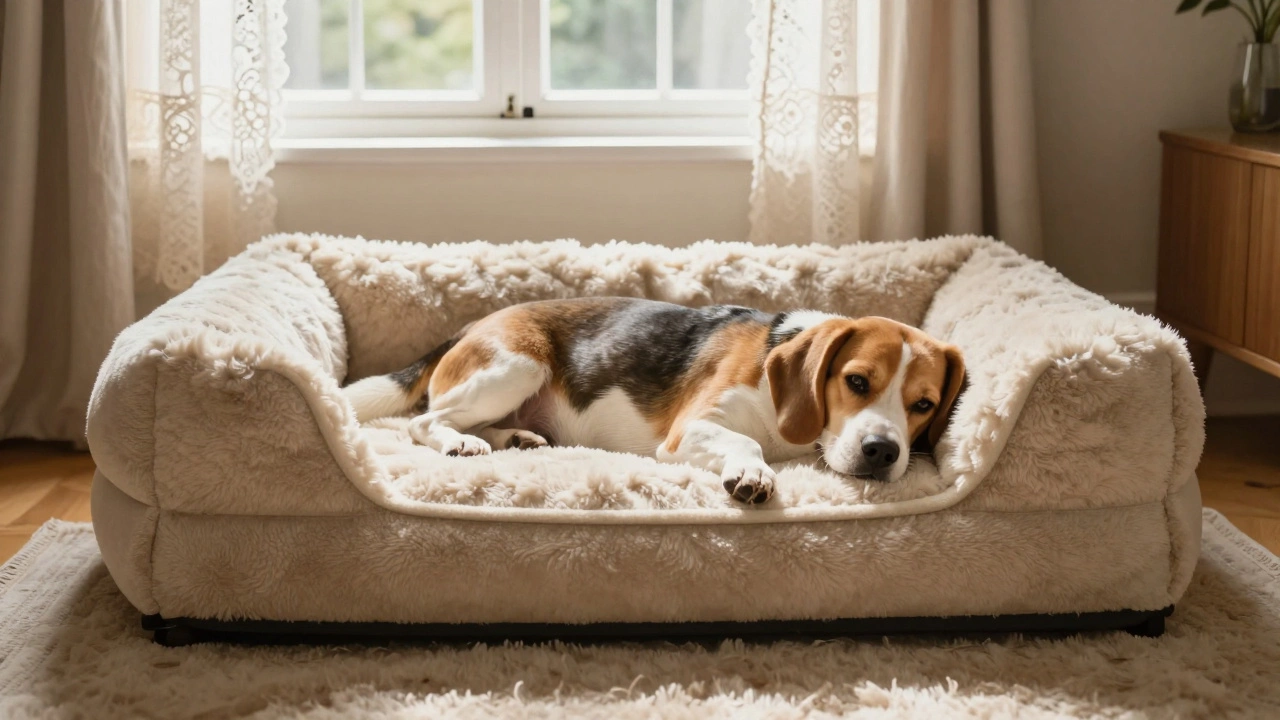
Should a Dog Bed Be Bigger Than the Dog? The Right Size Guide
Find out if a dog bed should be bigger than the dog. Learn how to measure correctly, choose the right shape, and avoid common sizing mistakes for better comfort.
View more
Do Dogs Prefer Hard or Soft Beds? The Complete Guide to Choosing the Right Support
Discover whether dogs prefer hard or soft beds and how to choose the right support for your pet. Learn about orthopedic benefits, breed-specific needs, and signs your current bed is causing discomfort.
View more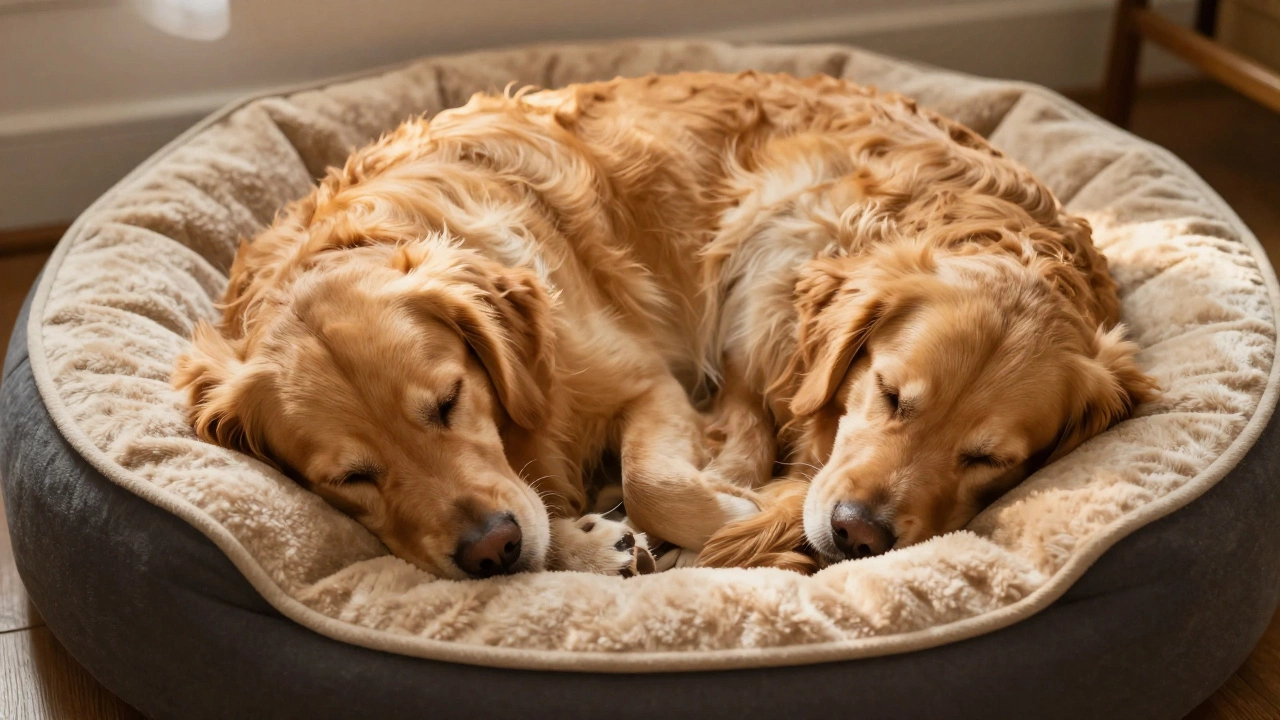
What Is Dog Hunching? Causes, Comfort Tips, and When to Worry
Discover why dogs hunch when sleeping or standing. Learn to distinguish between normal instinctual behavior, temperature regulation, and signs of pain or anxiety. Find tips on choosing the right dog bed for comfort.
View more
How Often Should You Change Your Dog's Bed? A Complete Guide
Wondering when to toss your dog's bed? Learn the signs of foam collapse, hygiene red flags, and how breed size impacts the lifespan of your pet's bedding.
View more
Why Your Dog Steals Your Spot: The Science of Scent and Comfort
Ever wonder why your dog steals your seat the moment you stand up? Discover the science of scent, heat, and canine bonding behind this cute habit.
View more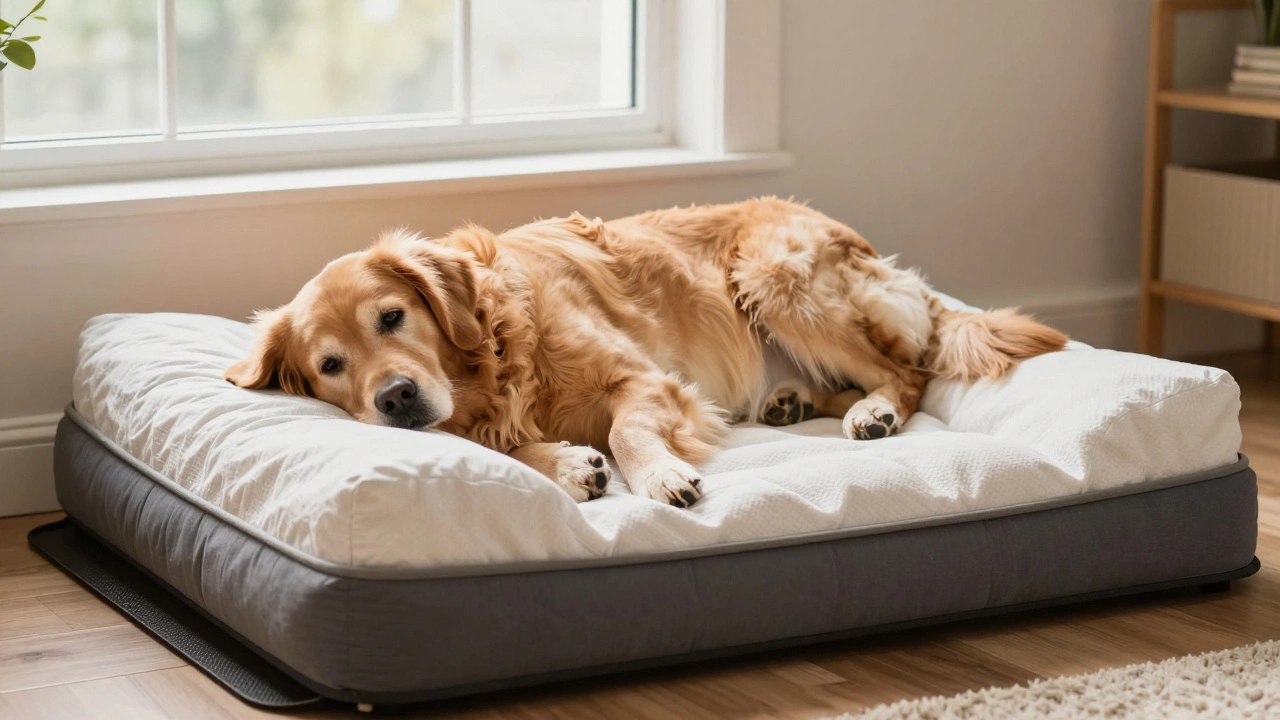
What Should a Dog Bed Look Like? A Practical Guide for Comfort and Health
A dog bed should support joints, fit your dog's size, and be easy to clean. Orthopedic foam, breathable fabric, and non-slip bottoms are key. Don't choose style over function - comfort and health come first.
View more