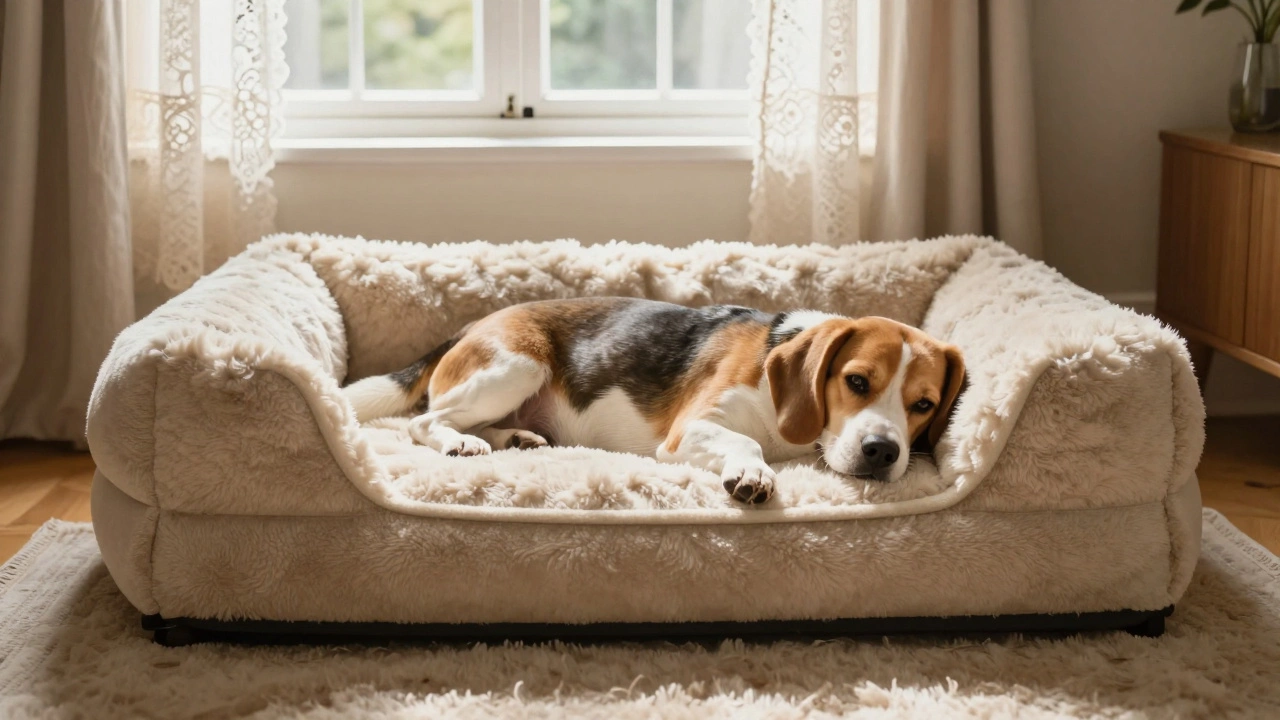
Dog Bed Size Calculator
Enter Your Dog's Measurements
Measure your dog while they are standing naturally. Use inches or centimeters.
Quick Reference Guide
| Breed Size | Bed Length |
|---|---|
| Small | 24–30 in |
| Medium | 30–36 in |
| Large | 40–48 in |
| Giant | 50–60+ in |
Pro Tip: Always choose slightly larger if unsure. A bed that's too small causes joint strain and anxiety.
Picture this: you’ve just bought that plush, orthopedic dog bed you saw online. It looks perfect in your living room. But when Fido hops on it, he looks like a child sleeping in a king-sized mattress. He curls up in one corner, leaving most of the foam untouched. Or worse, he refuses to use it at all, opting for his old, worn-out towel instead.
You might be wondering if you did something wrong. Specifically, should a dog bed be bigger than the dog? The short answer is yes, but not by much. Getting the size right isn’t just about aesthetics; it’s about comfort, joint health, and whether your pet actually uses the investment you made.
The "Stretch Test": Measuring Your Dog Correctly
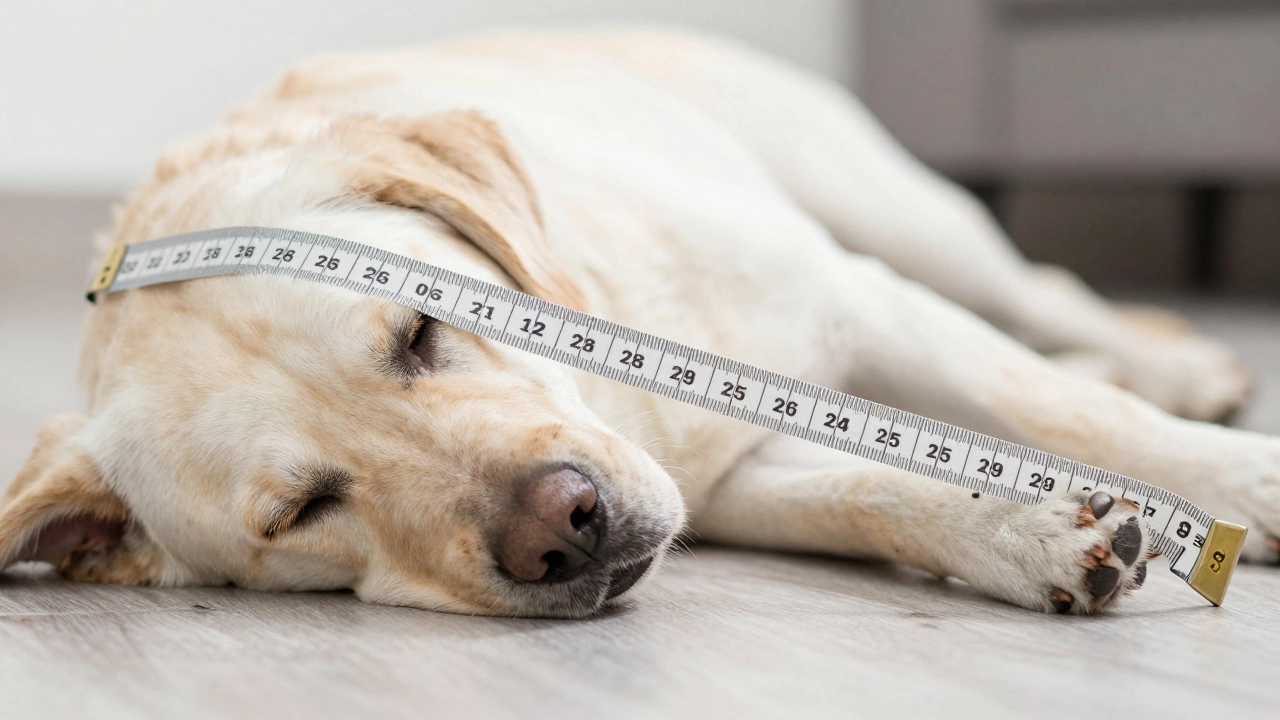
Most people guess their dog's size based on weight or breed category. That’s a mistake. A Greyhound weighs less than a Bulldog but needs a significantly longer bed. To find the right fit, you need hard data, not estimates.
Grab a tape measure. You’ll need two numbers:
- Nose-to-Tail Length: Measure from the tip of the nose to the base of the tail (not the end of the tail). This is the critical dimension for length.
- Shoulder-to-Haunch Width: Measure across the widest part of the body while the dog is standing naturally.
Once you have these measurements, add 6 to 10 inches to both numbers. This buffer allows your dog to stretch out fully without hanging off the edge. If your dog sleeps curled up like a donut, you can stick to the lower end of that range. If they sprawl like a starfish, go for the extra 10 inches.
| Breed Category | Avg. Nose-to-Tail Length | Recommended Bed Size |
|---|---|---|
| Small (Chihuahua, Pomeranian) | 12-18 inches | 24-30 inches |
| Medium (Beagle, Cocker Spaniel) | 20-25 inches | 30-36 inches |
| Large (Labrador, Golden Retriever) | 28-32 inches | 40-48 inches |
| Giant (Great Dane, Mastiff) | 35+ inches | 50-60+ inches |
Why Too Small Is Worse Than Too Big
If you’re torn between buying a slightly smaller or slightly larger bed, always choose the larger option. Here’s why.
A bed that is too small forces your dog into an unnatural position. They may hang their legs over the edge, which puts strain on their joints and muscles. For older dogs with arthritis, this constant pressure can exacerbate pain. It also prevents them from getting the deep rest they need. Dogs spend roughly 12 to 14 hours a day sleeping. Being cramped during that time affects their energy levels and mood.
There’s also a behavioral angle. Dogs are den animals by nature. They seek security. However, a bed that is too tight doesn’t provide security; it provides confinement. This can lead to anxiety. You might notice your dog pacing around the bed rather than lying down, or chewing at the edges because they feel trapped.
The Case Against Oversized Beds
So, if bigger is safer, why not buy the largest bed available? There are valid reasons to avoid going overboard.
First, there’s the cost. Large dog beds, especially those with high-density memory foam, are expensive. Paying for space your dog won’t use is wasteful. Second, there’s the issue of warmth. Smaller beds help retain body heat. In colder climates, a massive bed might not provide enough insulation for a small dog. They lose heat faster in open spaces.
For puppies, oversized beds can be problematic. Puppies need boundaries to help with house training. If the bed is huge, they might pee in one corner and sleep in another, defeating the purpose of crate training or designated sleeping areas. Stick to a bed that fits them now, and upgrade as they grow.
Shape Matters: Bolsters vs. Flat Mats
The shape of the bed changes how size impacts comfort. Not all dogs prefer the same style.
Bolster Beds: These have raised edges around the perimeter. They provide head support and a sense of enclosure. For a bolster bed, the internal sleeping area should still follow the "stretch test" rule. The external dimensions will be larger due to the walls, so focus on the inner cavity size when measuring.
Flat Mats: These offer no boundaries. They are great for dogs who like to sprawl everywhere. With flat mats, you can afford to be more generous with the size since there are no walls to create a "cave" effect.
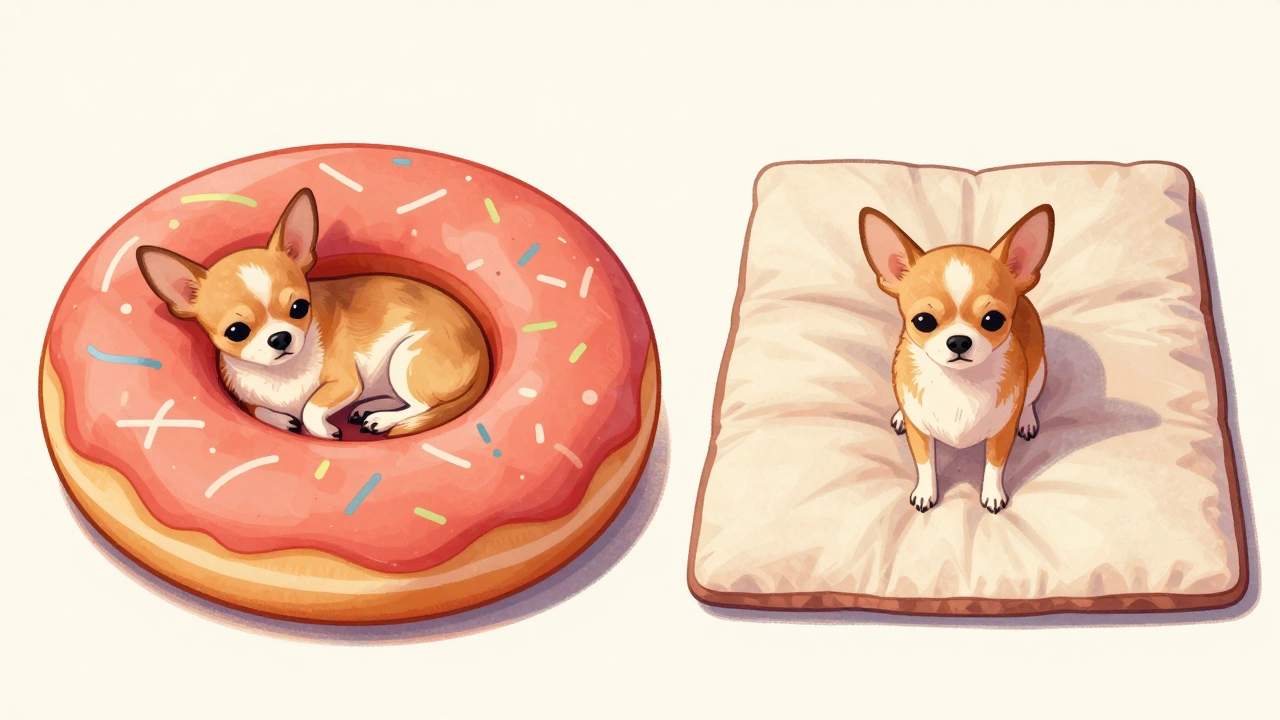
Donut Beds: Popular for anxious dogs, these are circular with a high rim. The diameter of the inner circle must allow the dog to curl up comfortably without being squeezed. If the dog’s shoulder width exceeds half the diameter, it’s too small.
Special Considerations for Senior and Disabled Dogs
If you care for an older dog, size becomes even more critical. Senior dogs often have difficulty getting up and down. A bed that is too low to the ground makes this harder. Look for beds with higher profiles or orthopedic support.
Also, consider ease of access. Some senior dogs prefer beds with ramps or lower entry points. Ensure the bed is large enough that they don’t have to climb over steep sides. Memory foam is excellent for pressure relief, but it needs adequate thickness (at least 4 inches) to work effectively. Thin foam on a large bed offers little benefit.
Dogs with disabilities, such as those using wheelchairs or braces, need extra space for maneuvering. Add an additional 12 inches to your standard measurement to accommodate medical devices.
Multidog Households: Sharing the Space?
If you have multiple dogs, you might think one large bed saves money. In reality, most dogs do not share beds well unless they are littermates raised together. Even then, individual beds are recommended for hygiene and stress reduction.
If you must share, ensure the bed is large enough for both dogs to lie side-by-side without overlapping limbs. Calculate the combined width of both dogs plus 10 inches for movement space. However, observe their behavior. If one dog dominates the bed, invest in separate ones. Conflict over sleeping space can lead to aggression.
Material and Maintenance Factors
The material of the bed affects its effective size. Washable covers shrink after washing. Always check the care label. If the cover shrinks by 5%, your bed might become too snug. Opt for pre-shrunk fabrics or leave extra room in your initial sizing choice.
Foam density matters too. High-density foam retains its shape better. Low-density foam compresses over time, making the bed feel smaller than it was when new. Replace beds every 1-2 years to maintain proper support and size integrity.
How do I know if my dog bed is too small?
If your dog consistently hangs their paws or tail off the edge, curls up tightly with no room to stretch, or avoids the bed entirely, it is likely too small. Watch your dog sleep. If they shift positions frequently seeking more space, upgrade to a larger size.
Can a dog bed be too big?
Yes, especially for small dogs or puppies. An excessively large bed may fail to provide warmth and security. Puppies might soil one side and sleep on the other, hindering house training. For adult dogs, a bed that is too big is generally harmless but costly.
What is the ideal depth for a dog bed?
For orthopedic benefits, aim for at least 4 inches of high-density foam. Shallow beds under 2 inches offer minimal joint support. Deeper beds (6-8 inches) are better for large breeds or dogs with severe arthritis.
Do I need to measure my dog every year?
Only if your dog is still growing. Most dogs reach full size by 12-18 months. After that, re-measure only if significant weight gain or loss occurs, as obesity or muscle loss can change their spatial needs.
Is a round bed better than a rectangular one?
It depends on your dog’s sleeping style. Round beds suit dogs who curl up. Rectangular beds are better for dogs who stretch out straight. Choose the shape that matches their natural posture.
Getting the right size dog bed is a simple calculation with big rewards. Measure accurately, add that crucial buffer, and watch your dog relax into deeper, healthier sleep. Your wallet and your back will thank you for avoiding the trial-and-error of buying the wrong size first.