Dog Hunching Symptom Checker
Observe Your Dog
Select the behaviors you are currently observing in your dog.
Ready to Check
Select the options that describe your dog's current behavior to get an assessment.
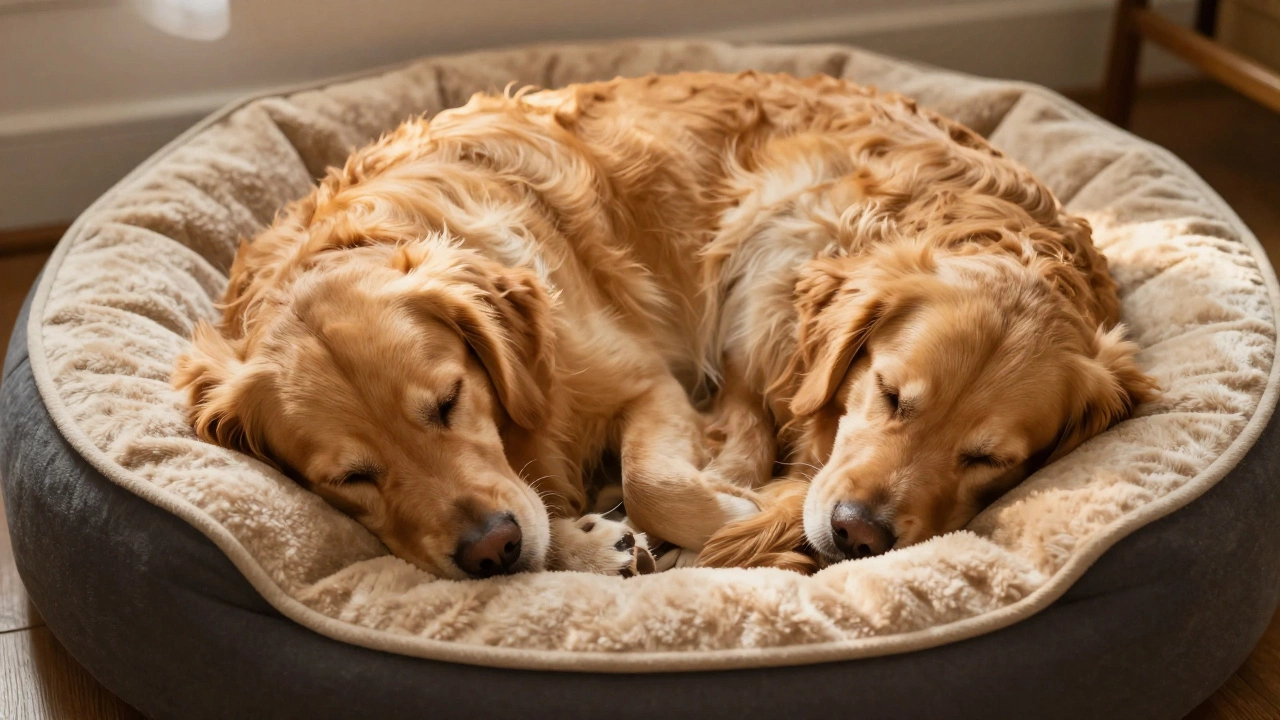
Have you ever looked at your sleeping dog and noticed they aren’t sprawled out like a starfish? Instead, they’re curled up tight, nose tucked under their tail, looking almost like a loaf of bread or a tight ball. This position is commonly called "hunching" or the "donut" position. It’s one of the most common ways dogs sleep, but it can also be a sign that something is wrong. Understanding why your dog chooses this specific posture helps you decide if they are just cozy or if they need a vet visit.
Dog hunching isn't just about how cute they look. It’s a complex signal involving temperature regulation, instinctual safety needs, and sometimes physical pain. By learning to read these subtle cues, you can improve your dog's quality of life and catch health issues early. Let’s break down exactly what dog hunching means and what you should do about it.
The Instinctive Roots of the Hunched Posture
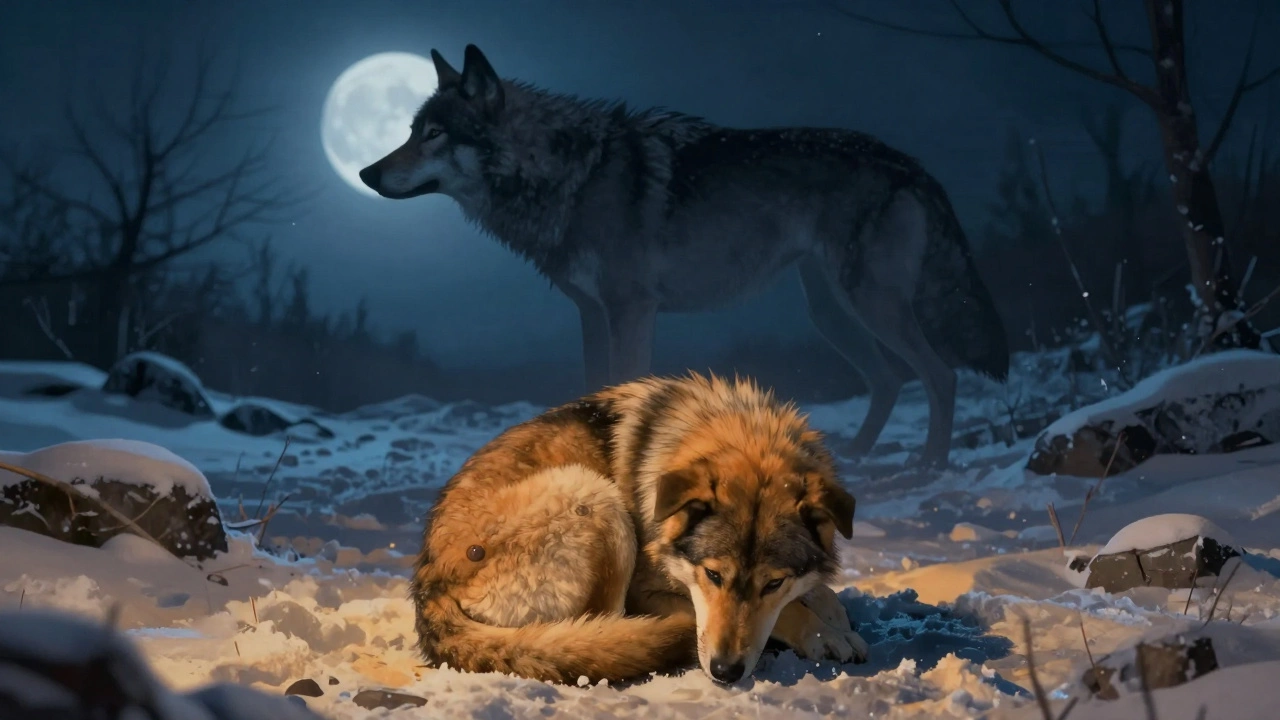
To understand why dogs hunch, we have to look back at their wild ancestors. Wild Canids, such as wolves and coyotes, evolved in harsh environments where survival depended on staying warm and protected. In the wild, exposing vital organs like the belly and chest to predators or freezing temperatures was dangerous. Curling into a tight circle protects the heart, lungs, and digestive tract. It also keeps the snout close to the paws, which helps warm the air before breathing it in during cold nights.
This behavior is deeply ingrained in domestic dogs. Even though your pup sleeps on a plush orthopedic bed in a climate-controlled home, their brain still defaults to this "safe mode" posture. If your dog hunches when settling down, it’s often just a leftover instinct from thousands of years ago. They feel secure, compact, and ready for rest. You’ll often see this in breeds that were originally bred for hunting or guarding, as they retain stronger prey-drive and protective instincts.
- Vital Organ Protection: The curl shields the abdomen and chest.
- Heat Retention: Reduces surface area exposed to cold air.
- Sleep Efficiency: Allows for quicker arousal if a threat appears.
Comfort vs. Pain: Reading the Context
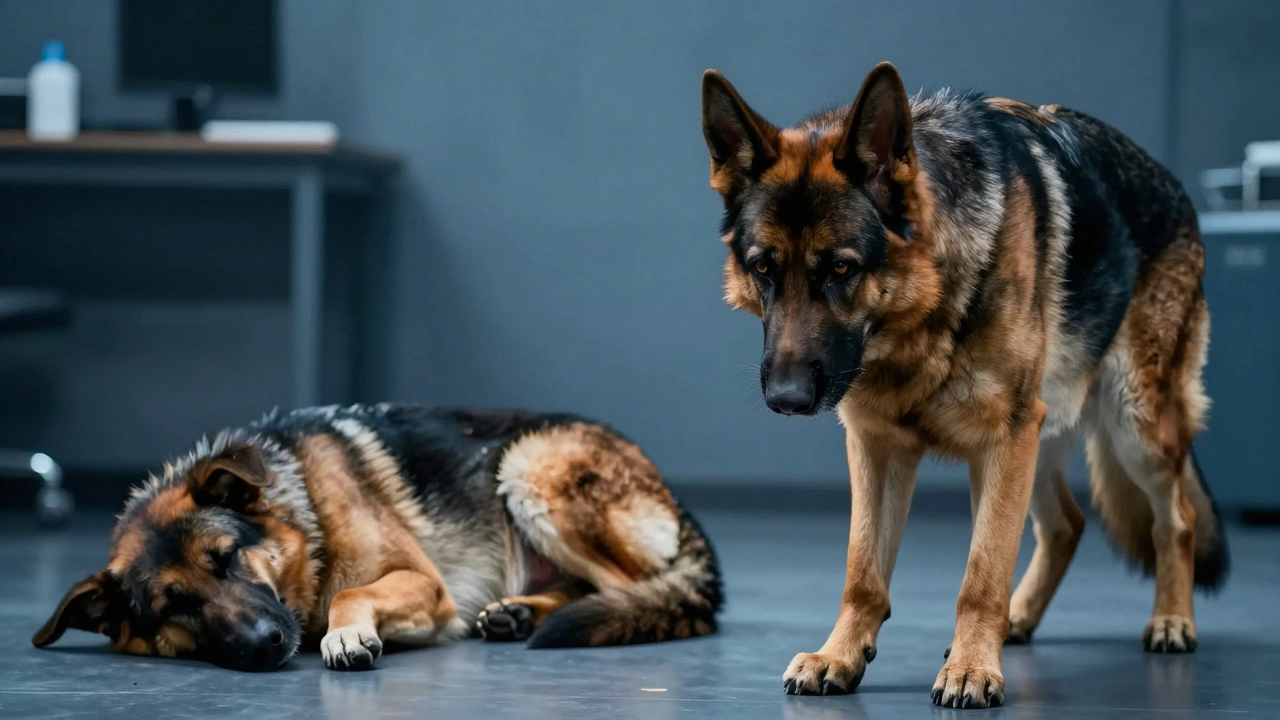
While instinct plays a huge role, context is everything. A relaxed dog hunching in a sunny spot is likely just comfortable. However, a dog hunching while standing, pacing, or showing other signs of distress might be in pain. We need to distinguish between "sleeping hunch" and "pain hunch."
When a dog is comfortable, their muscles are loose. Their breathing is steady and deep. They might sigh or twitch in their sleep. But if your dog is hunched over with a tense abdomen, ears pinned back, and eyes wide or squinting, this is a red flag. This posture, often called the "prayer position" or "abdominal hunch," puts pressure on the stomach and can indicate gastrointestinal upset, pancreatitis, or severe abdominal pain. Unlike the relaxed sleep curl, the pain hunch is rigid and uncomfortable-looking.
Pay attention to the duration too. A dog might hunch briefly when stretching, but if they maintain a hunched stance for hours, refuse to lie flat, or jump up suddenly after trying to settle, they are likely experiencing discomfort. Always monitor for accompanying symptoms like vomiting, diarrhea, loss of appetite, or lethargy. These are clear indicators that the hunching is medical, not behavioral.
Temperature Regulation and Environmental Factors
One of the primary reasons dogs hunch is to manage their body temperature. Dogs don’t sweat like humans; they rely on panting and their paw pads to cool down, and their fur to keep heat in. When it gets chilly, hunching is an effective thermoregulation strategy. By tucking their nose and tail together, they create a small pocket of warm air around their core.
If you notice your dog hunching more frequently during winter months or in drafty rooms, they are likely just trying to stay warm. This is especially true for short-haired breeds like Greyhounds or Italian Greyhounds, who lack the thick double coats of Huskies or Malamutes. In these cases, the solution is simple: provide a warmer environment. A heated dog bed or a soft blanket can encourage them to relax into a more stretched-out position, indicating they no longer need to conserve heat aggressively.
Conversely, if your dog is hunching in a hot room, it could be a sign of overheating or stress. Watch for excessive panting, drooling, or restlessness. If the room is too warm, move their bedding to a cooler tile floor or use a cooling mat. Proper environmental control ensures that hunching remains a choice, not a necessity.
| Feature | Comfortable/Sleep Hunch | Pain/Distress Hunch |
|---|---|---|
| Muscle Tone | Relaxed, soft | Rigid, tense, trembling |
| Breathing | Slow, rhythmic, quiet | Rapid, shallow, noisy |
| Eyes & Ears | Closed or half-closed, relaxed ears | Wide open, squinting, pinned-back ears |
| Response to Touch | Snuggles closer or ignores gently | Flinches, growls, or tries to move away |
| Duration | Hours (during sleep) | Minutes to hours (standing/pacing) |
The Role of Anxiety and Security
Dogs are social animals, but they also value security. Hunching can be a self-soothing mechanism for anxious dogs. When a dog feels vulnerable-due to thunderstorms, fireworks, separation anxiety, or a new environment-they may curl tightly to make themselves smaller and less visible. This is similar to how a child might pull their knees to their chest when scared.
If your dog only hunches during specific triggers, like loud noises or when left alone, anxiety is likely the culprit. In these cases, simply providing a warmer bed won’t solve the issue. You need to address the underlying fear. Creating a safe space, such as a crate with a cover or a quiet corner with familiar scents, can help. Some owners find success using calming aids like pheromone diffusers or anxiety wraps, which apply gentle pressure to mimic the feeling of being hugged, encouraging relaxation without the need for extreme hunching.
Observe your dog’s routine. Do they hunch more when guests arrive? During travel? Identifying the trigger allows you to intervene proactively. Gradual desensitization and positive reinforcement training can reduce anxiety over time, allowing your dog to sleep in more relaxed postures.
How Your Dog Bed Influences Posture
The surface your dog sleeps on has a massive impact on their posture. Many owners overlook this, assuming any bed is better than the floor. However, an unsupportive mattress can force a dog into a hunched position due to joint pain or lack of stability. As dogs age, conditions like Arthritis and degenerative joint disease become common. A hard floor or a thin cushion offers no relief, causing the dog to curl up to minimize pressure on sensitive joints.
Orthopedic dog beds filled with memory foam contour to the dog’s body, distributing weight evenly and reducing pressure points. This support often encourages older dogs to stretch out rather than hunch. If your senior dog has recently started hunching more, evaluate their current bed. Is it flattened? Does it slide around? Switching to a high-support orthopedic bed can significantly improve their comfort and sleep quality. Look for beds with raised bolsters if your dog likes to lean against something, as this provides additional security and neck support.
Size matters too. A bed that is too small forces the dog to curl tightly because there’s no room to extend their legs. Measure your dog from nose to tail while stretched out, then add six inches for wiggle room. A properly sized bed gives them the freedom to choose their posture, whether that’s a hunch, a sprawl, or a side-sleep.
When to Call the Vet
Knowing when to worry is crucial. While occasional hunching is normal, certain patterns require professional attention. If your dog exhibits the "prayer position" (front legs down, rear end up) combined with hunching, this is a classic sign of abdominal pain, potentially from bloat, pancreatitis, or foreign object ingestion. This is an emergency. Bloat, or gastric dilatation-volvulus, can be fatal within hours if not treated immediately.
Other warning signs include:
- Sudden Change: A dog that used to sleep sprawled out now only hunches.
- Reluctance to Move: Difficulty standing up or stiff movements after lying down.
- Accompanying Symptoms: Vomiting, diarrhea, constipation, or changes in urination.
- Behavioral Shifts: Increased irritability, hiding, or whining.
If you notice any of these, don’t wait. Contact your veterinarian immediately. Early diagnosis of conditions like arthritis, internal infections, or metabolic disorders can prevent suffering and save lives. Your vet may recommend blood work, X-rays, or ultrasound to determine the cause of the painful hunching.
Is it normal for dogs to sleep in a hunched position?
Yes, it is very normal. Most dogs naturally curl into a hunched or donut shape to protect their vital organs, retain body heat, and feel secure. This is an instinctual behavior inherited from their wild ancestors. As long as the dog appears relaxed, breathes steadily, and wakes up easily, this posture is healthy and comfortable.
Why does my dog hunch over when standing?
Hunching while standing, especially with the rear end elevated (the prayer position), is often a sign of abdominal pain or discomfort. It can indicate issues like gas, constipation, pancreatitis, or even life-threatening conditions like bloat. If your dog maintains this posture for more than a few minutes, shows signs of distress, or has a distended belly, seek veterinary care immediately.
Can a dog bed help stop painful hunching?
If the hunching is caused by joint pain or arthritis, yes. An orthopedic dog bed with memory foam provides proper support and reduces pressure on sore joints, allowing the dog to relax into a more natural posture. However, if the hunching is due to internal illness or acute pain, a bed will not fix the problem, and veterinary attention is required.
Does hunching mean my dog is cold?
Often, yes. Curling up tightly minimizes the surface area exposed to cold air, helping the dog conserve body heat. If your dog hunches more in winter or in drafty areas, try providing a warmer bed, a blanket, or moving their sleeping spot to a sunnier location. If they remain hunched despite warmth, check for other signs of illness.
How can I tell if my dog is in pain while sleeping?
Look for tension in the muscles, rapid or shallow breathing, whimpering, twitching, or sudden waking. A comfortable dog sleeps deeply with relaxed muscles and steady breathing. If your dog seems restless, cannot get comfortable, or cries out in their sleep, they may be experiencing pain or discomfort that requires a vet visit.