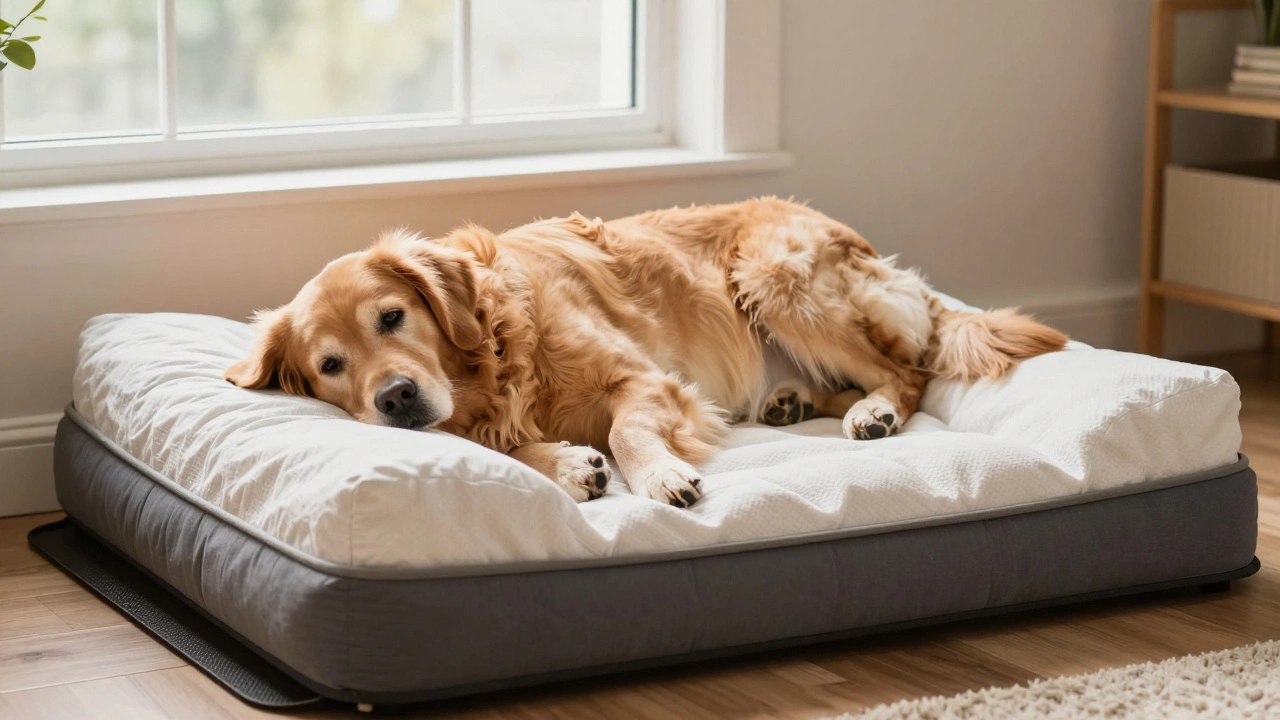
Dog Bed Size Calculator
Measure Your Dog
Size Guidelines
Minimum Size: Your dog's length + 6 inches
Optimal Size: Your dog's length + 12 inches
Senior Dogs: Add 2-4 inches extra for support
Warm Climate: Choose breathable materials
Cool Climate: Consider insulated options
Recommended Size
Measure your dog first to see your recommendation
Choosing the right dog bed isn’t just about picking something soft. It’s about supporting your dog’s body, keeping them safe, and making sure they actually use it. A poorly designed bed can lead to joint pain, pressure sores, or even avoidance behaviors. So what should a dog bed look like? The answer isn’t one-size-fits-all - it depends on your dog’s size, age, breed, and health.
Size Matters: Bigger Isn’t Always Better
A dog bed should let your dog stretch out fully. If they’re curled up in a ball every time they lie down, the bed is too small. Measure your dog from nose to tail while they’re lying in their favorite sleeping position. Add 6 to 12 inches for room to move. A Labrador needs at least 40 inches of length. A Chihuahua? Maybe 20. Too small, and they’ll feel cramped. Too big, and they might not feel secure - dogs are den animals by nature. They like walls around them.
Shape and Support: The Rise of Orthopedic Beds
Older dogs, large breeds, and dogs with arthritis need more than just a fluffy pillow. Orthopedic dog beds use high-density memory foam or egg-crate foam to cradle joints and take pressure off hips and shoulders. These aren’t luxury items - they’re medical tools. A 2023 study from the University of Edinburgh found that dogs using orthopedic beds showed a 40% reduction in stiffness after just four weeks. That’s not magic. It’s physics. The foam distributes weight evenly. No pressure points. No sinking into the middle. That’s why you’ll see vet clinics and rescue centers using these beds for senior dogs.
Material Matters: What’s Touching Your Dog’s Skin
Not all fabrics are created equal. A bed covered in cheap polyester might look nice, but it traps heat and doesn’t breathe. Dogs can’t sweat like we do. They rely on panting and paw pads to cool down. Look for breathable, moisture-wicking fabrics like cotton blends or microfiber. Washable is non-negotiable. Dogs track in dirt, shed fur, and sometimes have accidents. A removable, machine-washable cover is a must. Avoid beds with zippers or buttons that can be chewed off - those are choking hazards. Also skip beds with loose stuffing. If your dog pulls at it, they could swallow fibers that cause intestinal blockages.
Bottom Line: Don’t Let It Slide
A bed that slips around on hardwood floors is useless. Dogs push off with their paws when they shift positions. If the whole thing slides, they’ll get frustrated. Look for non-slip bottoms - rubberized grips, silicone dots, or even a fitted base that hugs the floor. Some beds come with straps that anchor to furniture. Others have a heavy, dense foam base that stays put. Test it yourself: give the bed a firm tug. If it moves, it won’t stay put when your dog jumps on it.
Climate and Comfort: One Bed Doesn’t Fit All Seasons
Here in Auckland, winters are damp and mild, but summer can get hot and humid. A dog bed that’s great in winter might be unbearable in January. Look for beds with removable, interchangeable inserts. Some come with a cooling gel layer for summer and a plush fleece top for winter. Others have breathable mesh panels on the sides. Avoid memory foam in hot climates unless it’s ventilated - it can get too warm. And never buy a bed with a heating pad unless it’s specifically designed for pets. Human heating pads can overheat and burn.
What to Avoid: Common Mistakes
- Bedding that’s too soft - it doesn’t support joints
- High sides on small dogs - they can’t climb in
- Plastic or vinyl covers - they trap heat and odor
- Decorative pillows with no real support - they’re for looks, not rest
- Bedding that’s too expensive with no functional upgrade - you don’t need a $300 bed if a $60 one does the job
Real-World Examples
Take Bella, a 12-year-old Golden Retriever from Papatoetoe. She had trouble standing up after napping. Her old bed was a thin, flat cushion. After switching to a 4-inch orthopedic bed with a waterproof, removable cover, her mobility improved within weeks. Her owner noticed she started stretching out more, sleeping longer, and even began barking less at night - less pain meant less restlessness.
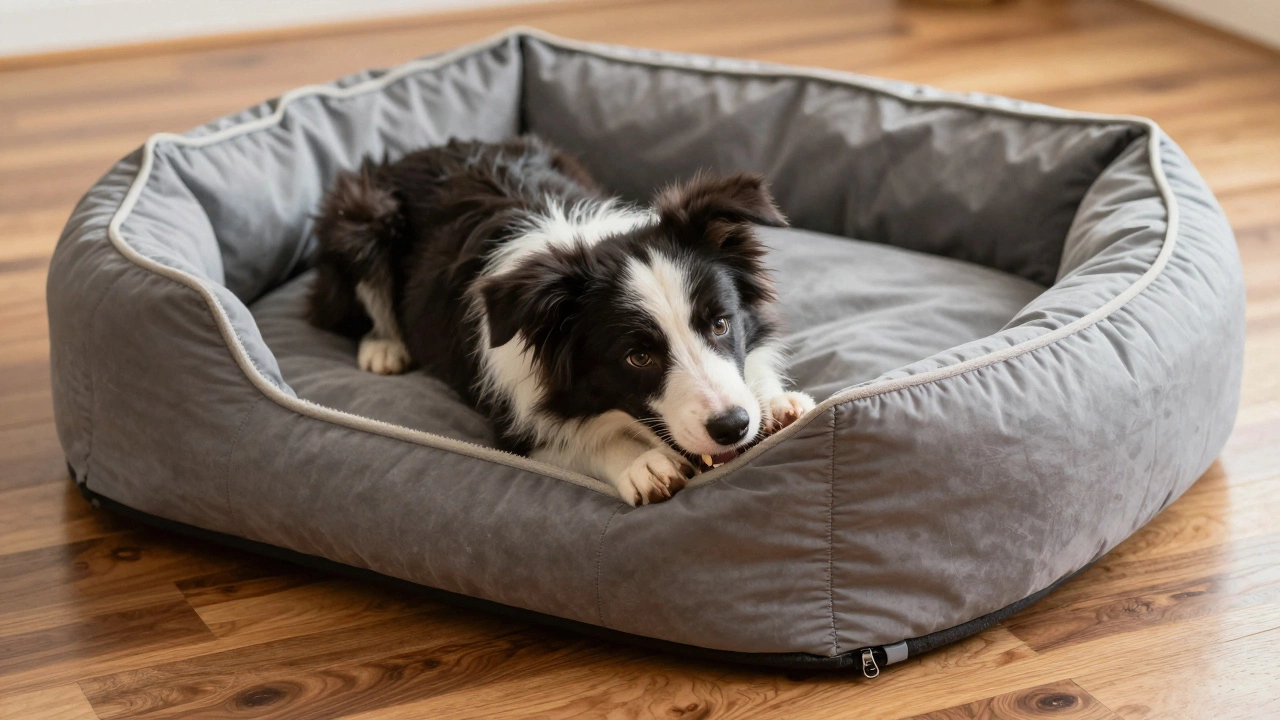
Then there’s Max, a 6-month-old Border Collie pup. He chewed through three cheap beds in a month. His owner switched to a heavy-duty, double-stitched bed with a reinforced base. It cost more upfront, but it’s lasted 18 months. The key? A bed that matches your dog’s behavior, not just their size.
How to Test Before You Buy
Don’t just go by pictures. If you can, bring your dog to the store. Let them lie on the bed. Watch how they settle. Do they sink in too far? Do they keep shifting? Do they seem relaxed? If they’re pacing or circling, the bed’s not right. You can also ask for a trial period. Many online retailers offer 30-day returns. Test it at home. Put it in their usual spot. See if they use it every day. If they avoid it, it’s not the right fit.
Replacement Timeline
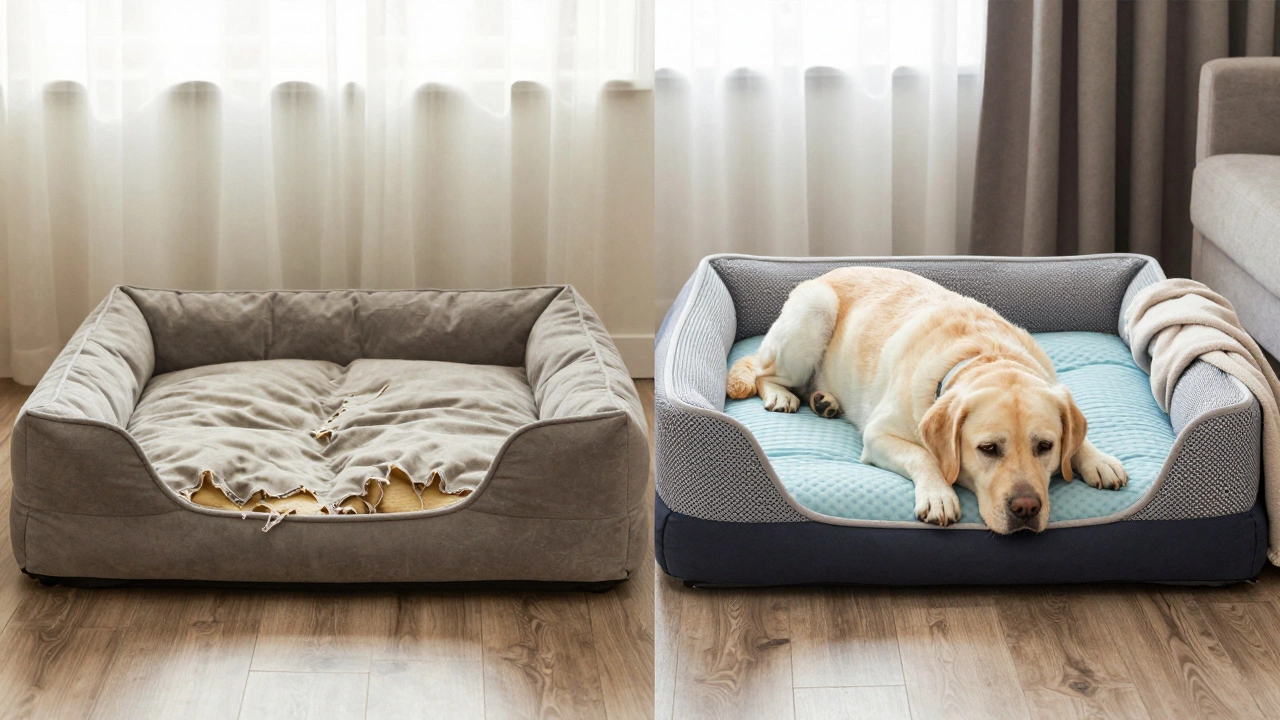
Dog beds don’t last forever. Even the best ones wear out. A high-quality orthopedic bed might last 3-5 years. A cheaper one? Maybe 6-12 months. Signs it’s time to replace: sagging foam, flattened shape, torn fabric, or if your dog won’t use it anymore. Don’t wait until they’re struggling to get up. A worn-out bed is worse than no bed at all.
At the end of the day, a dog bed should look like a safe, supportive, and inviting space - not a decoration. It should fit your dog’s body, not your living room. The best dog bed doesn’t have to be fancy. It just has to work.
Should a dog bed be soft or firm?
It depends. Puppies and small dogs often prefer soft, cuddly beds. But adult dogs, especially large or senior ones, need firm support. Too soft and their joints sink, causing strain. A good rule: the bed should hold its shape when your dog lies down. If it flattens like a pancake, it’s too soft. If it’s hard as a rock, it’s too firm. The sweet spot is firm enough to support, soft enough to cushion.
Do dogs need elevated dog beds?
Elevated beds - the kind with a mesh surface on a frame - are great for hot climates or dogs with skin issues. They let air flow underneath, keeping your dog cool and dry. They’re also useful if your dog has trouble getting up from the floor. But they’re not ideal for older dogs with arthritis. Without padding, the hard surface can hurt joints. Use elevated beds for younger, active dogs in warm weather. For seniors, go with low-to-the-ground orthopedic beds.
Can I use a human mattress for my dog?
It’s not recommended. Human mattresses are designed for 150-200 lb bodies, not dogs. They’re too soft, too deep, and often contain chemicals or materials not safe for pets. Dogs can’t adjust their position like humans do - they need consistent support. Also, human beds collect dog hair, dander, and odors that are hard to clean. A dog-specific bed is built for durability, breathability, and easy washing. It’s safer and more hygienic.
What’s the best material for a dog bed cover?
Water-resistant, machine-washable fabrics like Oxford polyester or canvas are top choices. They resist stains, shed fur, and odors. Avoid cotton blends with low thread counts - they pill and tear. Look for covers with a tight weave and reinforced stitching. If your dog drools or has accidents, go for waterproof backing under the cover. Some brands use a TPU laminate - it’s durable, non-toxic, and easy to wipe clean.
How do I know if my dog’s bed is too old?
Check for three signs: 1) The foam is compressed and doesn’t spring back when pressed. 2) The cover is frayed, torn, or stained beyond cleaning. 3) Your dog avoids it or sleeps in weird spots - on the floor, under furniture, or on your bed. If they’re choosing the ground over their bed, it’s time. A worn-out bed doesn’t just lose comfort - it loses support. And that can lead to long-term joint damage.