
Best Dog Bed Alternative Finder
Tell us about your pup:
Enter your details to find the perfect low-cost sleeping solution for your dog.
Did you know that most dogs don't actually care if their bed costs $20 or $200? They just want a spot that feels safe, smells like home, and is comfortable enough to curl up in. If your current dog bed is chewed up, stained beyond repair, or simply taking up too much space, you might be wondering what else can work. The good news is that there are plenty of household items and low-cost solutions that serve the exact same purpose.
Replacing a dedicated pet bed doesn't mean compromising on comfort. In fact, many owners find that their dogs prefer the texture of an old blanket or the stability of a sturdy chair over a fluffy foam cushion. This guide explores practical, budget-friendly, and surprisingly effective alternatives to traditional dog beds, helping you create a cozy resting spot without breaking the bank.
The Human Bed Strategy: Sharing Your Space
For many dogs, the ultimate luxury isn't a specialized orthopedic mattress; it's sleeping right next to you. If your dog is small to medium-sized and well-trained, allowing them on your bed can be a fantastic alternative. It strengthens your bond and provides them with the warmth and security they crave.
However, this approach requires some ground rules. Ensure your dog is clean before jumping up, especially if they've been outdoors. You might also consider placing a thick, washable blanket at the foot of your bed or beside you. This creates a defined boundary, keeping hair and dirt contained while still giving your pup access to your body heat. For larger breeds, a separate mattress on the floor next to yours might be a better compromise, offering proximity without crowding.
Repurposing Furniture: Chairs, Ottomans, and Sofas
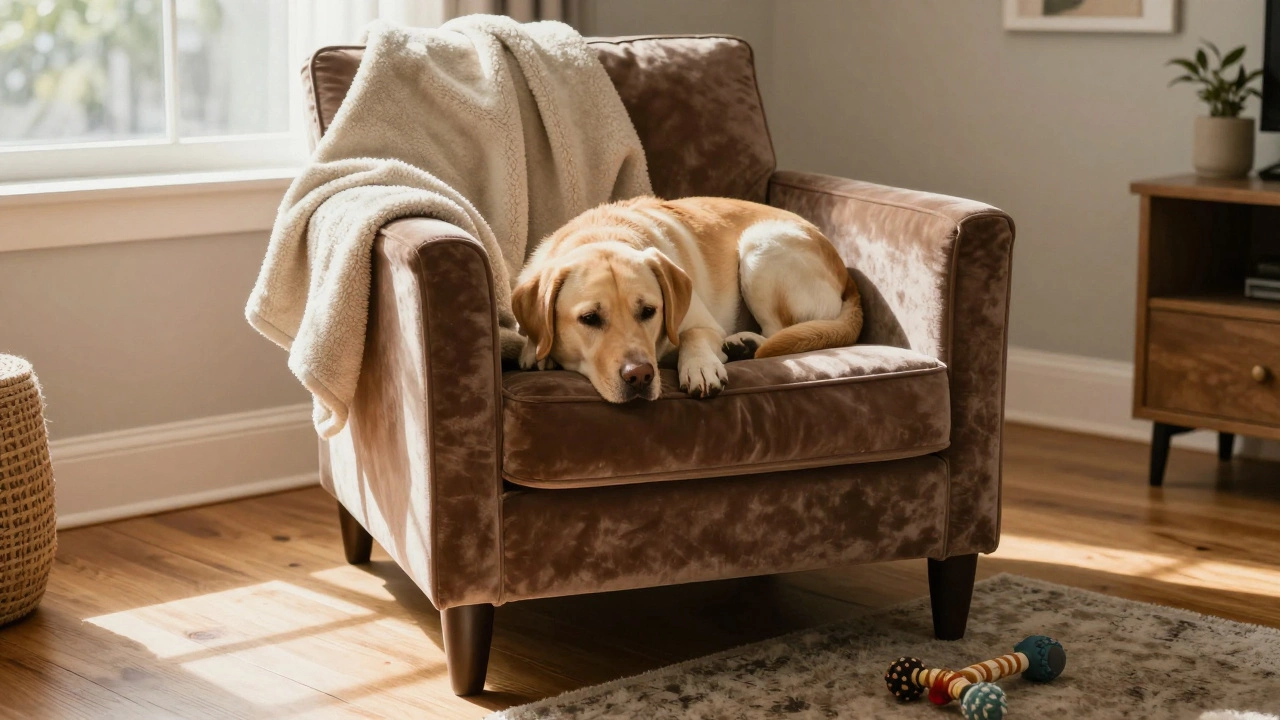
If sharing your bed isn't an option, look around your living room. Many pieces of furniture make excellent temporary or permanent sleeping stations. An ottoman, a sturdy armchair, or even a window seat can become a designated "dog zone."
To make these spots inviting, add a layer of familiar bedding. A folded fleece blanket or an old towel works perfectly. The key here is consistency. Dogs thrive on routine, so if you decide the armchair is "their" spot, stick with it. You can reinforce this by placing their favorite toy nearby. Just ensure the furniture is stable and not easily tipped over, especially if you have an energetic puppy who likes to jump on and off.
The Power of Blankets and Towels
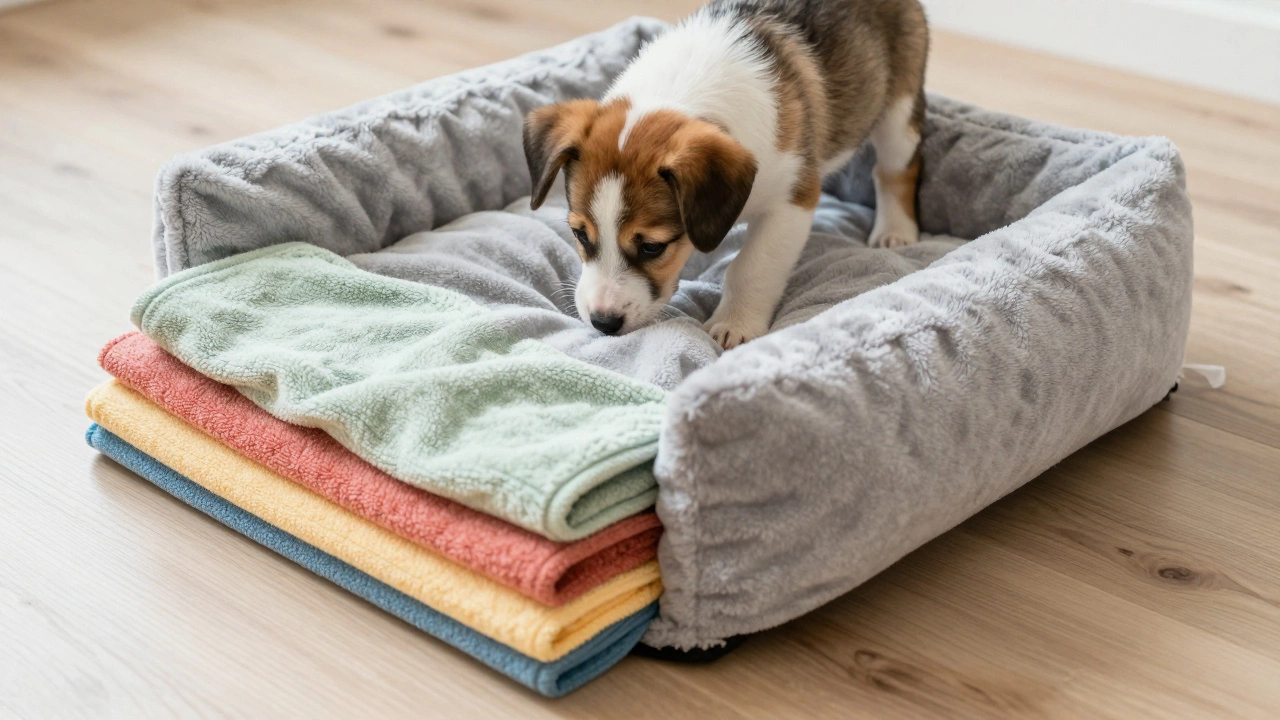
Sometimes, less is more. A simple pile of blankets on the floor can be incredibly appealing to dogs, particularly those who like to burrow. This method is cost-effective and easy to maintain. When the blankets get dirty, you can toss them in the washing machine-no need to struggle with waterproof covers or heavy foam inserts.
Choose materials based on your dog's preferences. Some dogs love the softness of fleece, while others prefer the cooling sensation of cotton towels. If your dog tends to dig, layering a few towels can provide that satisfying resistance they enjoy. Place this makeshift bed in a quiet corner away from high-traffic areas to give them a sense of security. This setup is ideal for renters or people moving frequently, as it’s lightweight and portable.
Crate Comfort: Turning a Cage into a Cave
A crate is often seen as a training tool, but for many dogs, it serves as their primary sleeping sanctuary. The enclosed space mimics a den, providing a natural sense of safety. If you already have a crate, you likely don't need a separate bed.
Line the bottom of the crate with a washable mat or a folded blanket. Avoid using loose pillows that could be ingested if your dog is a chewer. The hard plastic or metal bottom of the crate offers firm support, which can be beneficial for older dogs with joint issues, provided there is enough padding to prevent pressure points. Make sure the crate is large enough for your dog to stand, turn around, and lie down comfortably, but not so large that they use one end for sleeping and the other for bathroom breaks.
Outdoor Options: Raised Cots and Hammocks
If your dog spends time outside, a traditional plush bed might not survive the elements. Instead, consider a raised cot bed or a hammock-style sling. These designs keep your dog off the cold, damp ground, reducing the risk of ticks, fleas, and skin infections.
Raised cots are made of durable fabric stretched over a metal or plastic frame. They allow air to circulate underneath, keeping your dog cool in summer and dry in winter. You can find affordable versions at pet stores or even repurpose a sturdy mesh table with added padding. For a DIY approach, a strong hammock designed for pets can hang between trees or posts, offering a unique swinging experience that many dogs find entertaining and relaxing.
DIY Solutions: Building a Custom Spot
If you're handy, creating a custom sleeping area can be both fun and functional. One popular DIY project is the "box bed." Take a cardboard box (large enough for your dog), line it with newspaper or paper towels for absorption, and add a soft blanket on top. This is particularly useful for puppies or senior dogs who may have accidents.
Another idea is to build a simple wooden platform. Use untreated plywood or pallets (ensure they are heat-treated and free of chemicals) to create a raised surface. Cover it with outdoor-rated cushions or thick rugs. This elevates your dog from the floor, protecting them from drafts and moisture. You can customize the size and shape to fit any corner of your home or yard.
When to Stick with a Traditional Dog Bed
While alternatives are great, there are times when a proper orthopedic dog bed is necessary. Senior dogs, those with arthritis, hip dysplasia, or other joint conditions benefit significantly from memory foam or egg-crate foam support. These materials distribute weight evenly, reducing pain and improving sleep quality.
Similarly, very young puppies or recovering surgical patients may need the extra cushioning and containment that a bolstered bed provides. If your dog has anxiety, a cave-style bed with high sides can offer the psychological comfort of being surrounded, which a flat blanket cannot replicate. Assess your dog's specific health needs before opting for a minimalist solution.
| Alternative | Best For | Pros | Cons |
|---|---|---|---|
| Human Bed | Bonding, Small Dogs | High comfort, Warmth | Hair/Dirt, Boundary issues |
| Blanket Pile | Burrowers, Budget-conscious | Cheap, Washable | Lacks support, Slides easily |
| Crate | Anxious Dogs, Puppies | Safe, Contained | Confined space, Not for all dogs |
| Raised Cot | Outdoor Dogs, Hot Climates | Durable, Airflow | Firm surface, Less cozy |
| Ottoman/Chair | Living Room Integration | Space-saving, Elevated | May damage furniture, Stability concerns |
Maintaining Hygiene Without a Dedicated Bed
One advantage of using household items as dog beds is easier cleaning. However, hygiene remains crucial. Wash blankets and towels weekly in hot water to remove allergens, dander, and bacteria. If you use a crate, vacuum the interior regularly and replace liners as needed.
For outdoor setups, check for debris, insects, or moisture buildup daily. Rotate your dog's sleeping spots occasionally to prevent wear and tear on specific areas of your carpet or furniture. Using a waterproof underlay beneath blankets can protect your floors from accidents or spills.
Final Thoughts on Choosing the Right Spot
Your dog's happiness depends more on consistency and comfort than on expensive gear. Whether you choose a repurposed ottoman, a pile of blankets, or a shared bed, observe your dog's behavior. Do they settle in quickly? Do they seem relaxed? If yes, you've found the perfect alternative. Remember, the best bed is the one your dog actually uses.
Can I use my own pillow as a dog bed?
Yes, you can share your pillow, but it's not recommended for long-term use. Dog saliva, dander, and odors can degrade the filling and fabric of human pillows, leading to allergies or hygiene issues. If you do share, use a protective cover that can be washed frequently.
Is a crate better than a dog bed for sleeping?
A crate can be better for dogs with anxiety or those who need structure. It provides a den-like environment that promotes security. However, for dogs who prefer open spaces or move around a lot during sleep, a crate might feel restrictive. Always introduce crates gradually with positive reinforcement.
What is the cheapest way to make a dog bed?
The cheapest option is folding a few old blankets or towels together. You can enhance comfort by adding a non-slip yoga mat underneath to prevent sliding. This costs nothing if you have existing household linens and is highly washable.
Do dogs prefer hard or soft surfaces to sleep on?
Preferences vary by breed and age. Young, healthy dogs often prefer firmer surfaces that support their joints, while older dogs or those with arthritis benefit from softer, cushioned options. Observe your dog's natural sleeping habits to determine their preference.
Can I put a dog bed on a tile floor?
It's not ideal because tile gets cold and can cause discomfort. If you must place a bed on tile, use a rubber-backed mat or a thick rug underneath to provide insulation and prevent slipping. Alternatively, choose a raised cot that keeps the dog off the cold surface entirely.