Canine Sleep Position Decoder
Select a sleeping position below to decode what your dog's posture means regarding their trust, comfort, and social bonding with you.
High trust, seeking protection, scent bonding
Your dog trusts you enough to expose their most vulnerable body part. They view you as a source of safety and are engaging in social bonding through scent exchange. This is one of the highest compliments a dog can give.
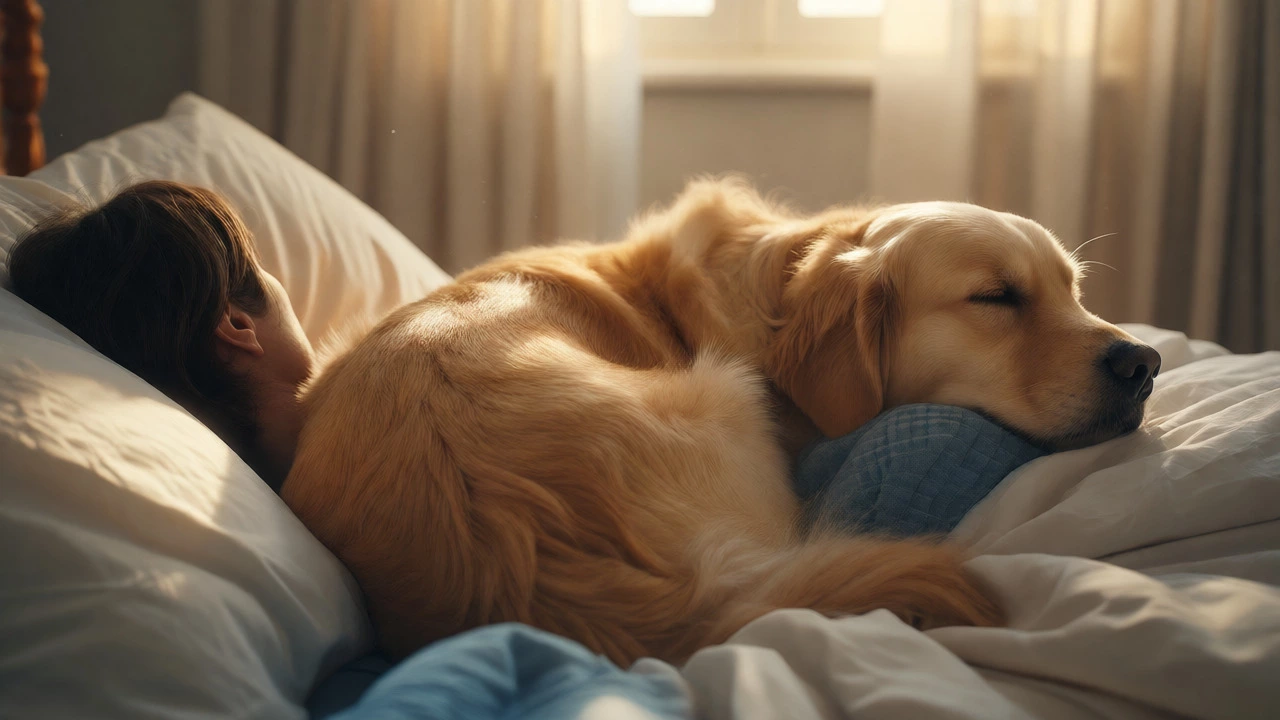
You wake up at 3 AM to a cold nose on your neck. You roll over, trying to find a comfortable spot in the dog bed, only to realize your pup has positioned themselves directly behind you. Their rear end is practically resting against your spine or face. It’s awkward, sure. But before you nudge them away, consider this: that butt-in-face move is one of the highest compliments a dog can give.
Dogs don’t have complex verbal languages, so they rely heavily on body positioning to communicate intent, emotion, and social standing. When a dog chooses to sleep with their bum facing you, they aren’t just being lazy or rude. They are signaling trust, vulnerability, and a desire for protection. Understanding this behavior helps you bond better with your pet and choose the right sleeping environment for their needs.
The Evolutionary Reason Behind Rear-End Sleeping
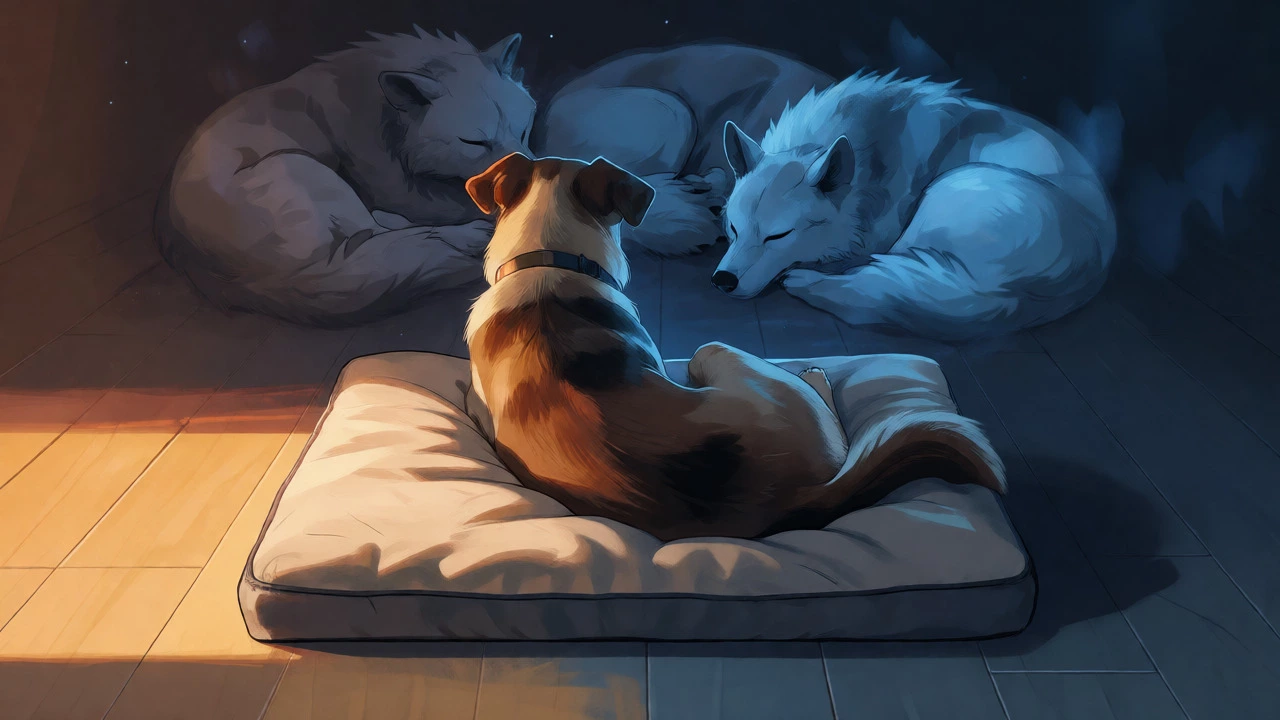
To understand why your dog parks their backside near your head, you have to look at their ancestors. Wolves and wild canids are pack animals. In the wild, the pack sleeps in a tight circle or pile. The most vulnerable members-often the puppies or the sick-sleep in the center, protected by the stronger adults who face outward. This formation allows the pack to react quickly to threats from any direction.
Your home is now the den. You are the pack leader (or at least, the provider). By placing their rear toward you, your dog is instinctively arranging the "pack" in a way that makes sense to them. Their front paws and eyes are facing outward, scanning the room for potential dangers, while their back-their most vulnerable side-is covered by you. They trust you to watch their back, literally.
This behavior is rooted in the concept of Canine Pack Instinct. This biological drive compels dogs to seek proximity to their social group for safety during rest periods when their guard is down. If your dog were anxious or didn't trust you, they would likely sleep alone, facing away, or in a corner where they could see all exits. The bum-facing position is the opposite of defensive; it is deeply relaxed.
Scent Marking and Social Bonding
Let’s talk about smell. Humans might find it unpleasant, but for a dog, scent is information. A dog’s anal glands release pheromones that carry unique chemical signatures. These scents tell other dogs-and humans-about the individual’s health, gender, mood, and reproductive status.
When a dog sleeps with their bum near you, they are essentially sharing their personal ID card. It’s a form of intimate bonding. Think of it like hugging a friend; you’re mixing scents. By letting you smell them up close, they are reinforcing the social bond. They want you to know they are part of the family unit. It’s a way of saying, "I belong here, and I accept you as part of my inner circle."
Furthermore, dogs have scent glands located around their tail base and anus. Pressing this area against your leg or pillow transfers their scent onto you. This mutual scent exchange creates a "family odor," which reduces anxiety for both parties. If you’ve ever noticed your dog rubbing their head on furniture after coming inside, it’s the same principle. They are marking their territory, but in a social context, they are also marking *you* as theirs.
Temperature Regulation and Comfort
Not every reason is emotional; some are purely physical. Dogs regulate their body temperature differently than we do. They have fur coats that trap heat, and they lack sweat glands across most of their bodies. This means they can get overheated quickly, especially if they are sleeping on a thick mattress or a plush Dog Bed that retains warmth.
The belly and groin areas have less fur and more blood vessels close to the skin, making them effective radiators for excess heat. However, the rear end, particularly the thighs and hips, can generate significant heat when muscles relax. If your dog is sleeping in a warm room, they might position their bum away from their own chest to allow air circulation. Conversely, if the room is cold, they might press their warm rear against your cooler body to share heat.
Consider the type of bedding you provide. Orthopedic memory foam beds retain body heat, which can be great for older dogs with arthritis but too hot for active breeds like Huskies or Malamutes. Elevated cots or cooling gel pads might encourage different sleeping positions because they allow airflow underneath. If your dog consistently seeks out cool tiles or floors to sleep on their back, their bum-facing-you habit might shift based on thermal comfort rather than social preference.
| Position | Body Orientation | Interpretation | Trust Level |
|---|---|---|---|
| Bum Facing Owner | Rear towards human, head outward | High trust, seeking protection, scent bonding | Very High |
| Curling Up (Donut) | Tail tucked, nose near tail | Self-protection, conserving heat, feeling secure but alert | Moderate |
| On Back (Belly Up) | Exposing abdomen | Extreme relaxation, high confidence, no threat perceived | Maximum |
| Facing Away | Rear turned to wall/object | Seeking security from obstacles, possibly anxious or independent | Low to Moderate |
| Side Sleeper | Lying flat on side | Deep sleep phase, comfortable, trusting environment | High |
Is Your Dog’s Bed Helping or Hurting?
If your dog sleeps with their bum facing you, it’s usually a sign they feel safe. But does their bed support this natural posture? Many standard bolsters force dogs into cramped positions that prevent full extension. If your dog is large or arthritic, forcing them to curl tightly can cause joint pain, leading them to stretch out awkwardly-or push their rear into uncomfortable spots.
Look for beds with low entry points and ample space. For dogs that like to sprawl, a rectangular orthopedic mat is often better than a cave-style bed. If your dog prefers to lean against something, a bolster bed with removable sides gives them options. They can use the bolster for head support while keeping their legs free. This flexibility allows them to maintain their preferred social orientation (bum to owner) without compromising physical comfort.
Hygiene is another factor. If your dog has issues with anal gland expression or minor digestive upset, they might avoid lying directly on expensive fabrics. Using washable covers is essential. Look for materials that are breathable and hypoallergenic. Bamboo-derived viscose or cotton blends are excellent choices because they wick moisture and resist odors better than synthetic fleece, which can trap smells and heat.
When to Be Concerned
While the bum-facing position is generally positive, sudden changes in sleeping habits can signal health issues. If your dog suddenly stops sleeping near you, or if they seem restless, unable to settle, or whining when lying down, pay attention. Pain in the hips, spine, or abdomen can make certain positions uncomfortable.
Watch for these red flags:
- Restlessness: Moving from spot to spot frequently suggests discomfort or pain.
- Whining or Growling: Vocalizing while settling indicates acute pain.
- Stiffness: Difficulty getting up or lying down may point to arthritis or injury.
- Changes in Elimination: If the dog seems to be scooting their rear on the floor, it could indicate anal gland issues or parasites, not just behavioral quirks.
If the behavior is new and accompanied by lethargy or loss of appetite, consult your veterinarian. Otherwise, enjoy the intimacy. Your dog has chosen you as their protector, and that’s worth a little morning awkwardness.
How to Encourage Better Sleep Habits
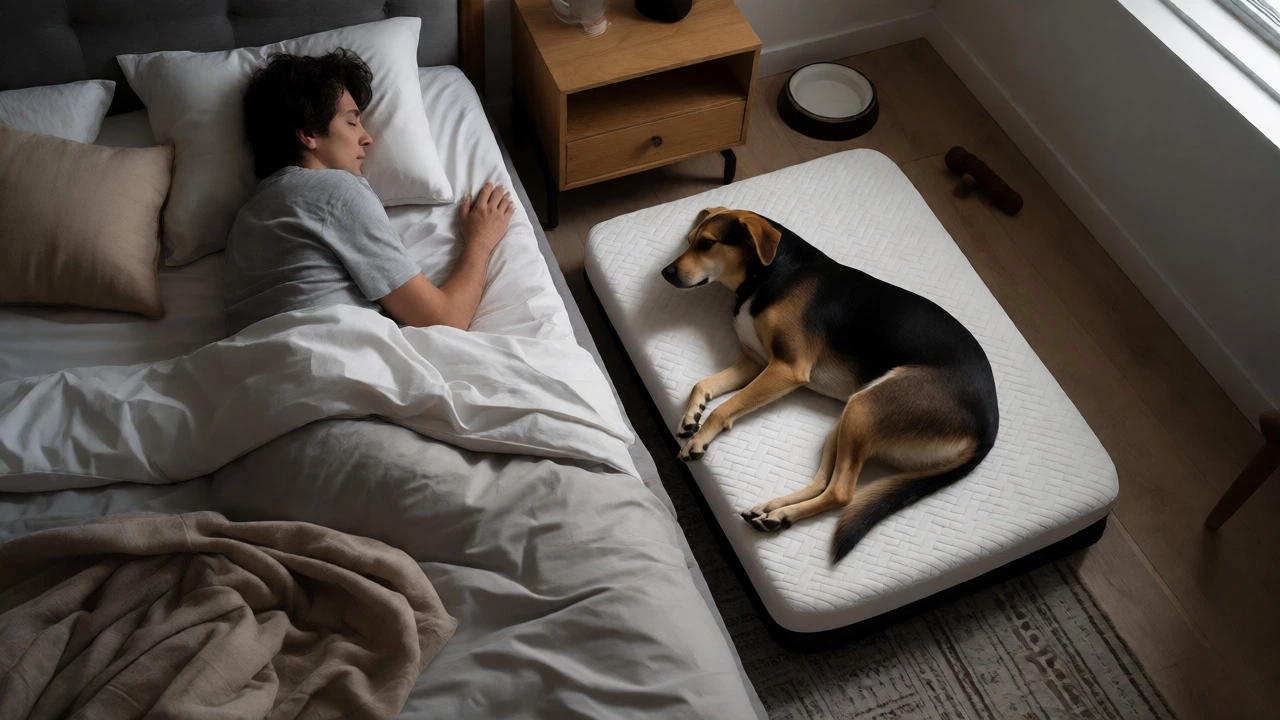
If you love the closeness but hate the morning breath or the weight on your back, you can guide your dog toward a compromise. Start by establishing a dedicated sleep zone nearby but not necessarily touching. Use a high-quality Orthopedic Dog Bed placed next to your bed. This keeps them within sight and scent range, satisfying their need for connection, while giving you personal space.
Reward calm behavior. When your dog settles into their bed instead of jumping onto yours, offer a treat or gentle praise. Consistency is key. Over time, they will associate their own bed with comfort and security. If you prefer them off the bed entirely, ensure their alternative sleeping spot is equally appealing-warm, soft, and in a quiet part of the bedroom.
Remember, training isn’t about suppressing their instincts; it’s about channeling them. Your dog wants to be close to you. Respect that need, but set boundaries that work for your lifestyle. A well-rested dog is a happy dog, and a well-rested human is a patient owner.
Is it normal for my dog to sleep with their bum facing me?
Yes, it is completely normal and actually a positive sign. It indicates that your dog trusts you enough to expose their most vulnerable body part. They view you as a source of safety and are engaging in social bonding through scent exchange.
Does this mean my dog sees me as the alpha?
Not exactly. Modern animal behavior science has moved away from the strict "alpha" dominance theory. Instead, it reflects a cooperative pack dynamic. Your dog sees you as a reliable leader or caregiver who provides protection, allowing them to relax fully.
Should I stop my dog from doing this?
Only if it bothers you or causes hygiene issues. If you want more space, gently redirect them to their own bed using treats and positive reinforcement. Avoid punishing them, as this can damage the trust implied by the behavior.
What kind of dog bed is best for dogs that sleep close to owners?
A bolster bed with a low entry point works well. It provides head support and a sense of enclosure, which many dogs prefer when sleeping near humans. Ensure the material is washable and breathable to manage scent and heat.
Could this behavior indicate a health problem?
Rarely, unless it’s a sudden change. If your dog starts scooting their rear on the floor or seems in pain when lying down, check for anal gland issues, hip dysplasia, or arthritis. Consult a vet if the behavior is accompanied by other symptoms like limping or lethargy.