Dog Sleep Sanctuary Finder
Ready to Optimize Sleep?
Fill out the form to get a personalized recommendation for your dog's bed type and lighting setup.
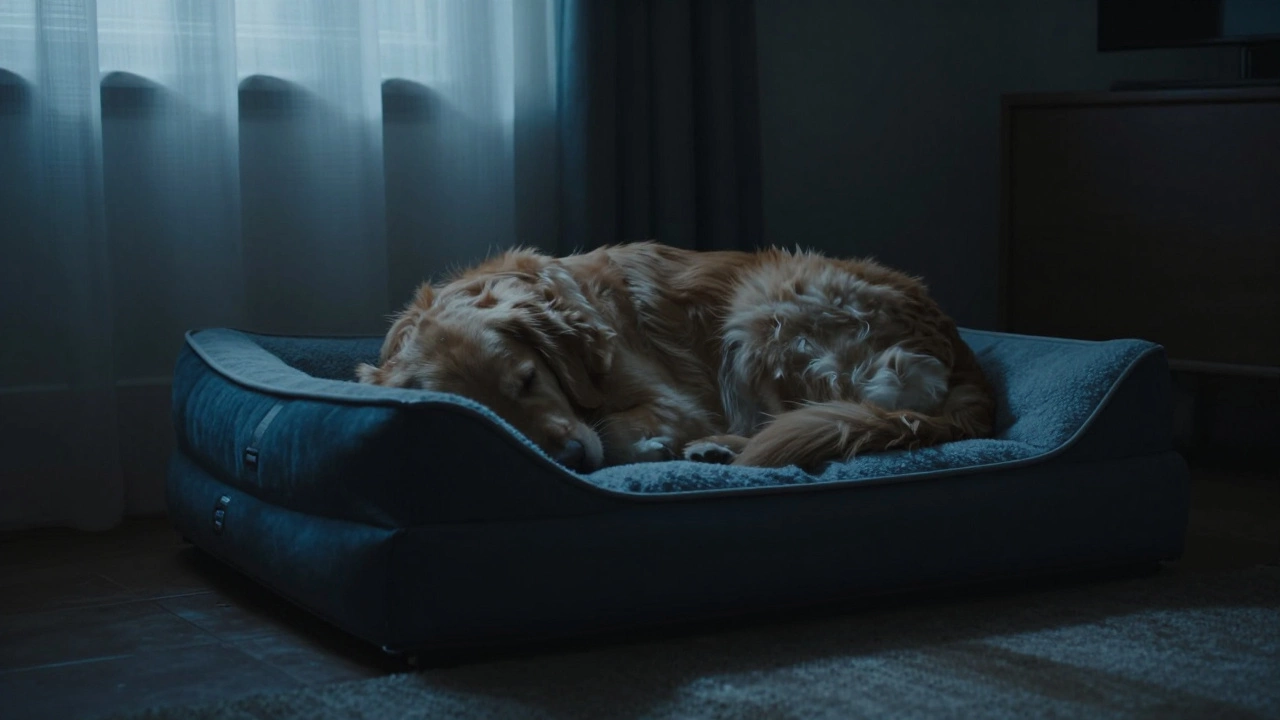
Picture this: it’s 2 AM. The house is silent. You creep into your living room, flashlight off, and there he is-your golden retriever, curled up on his orthopedic foam mattress, fast asleep. No nightlight. No streetlamp glow. Just pure darkness. Does he prefer it that way? Or is he just making do?
The short answer is yes. Most dogs actually prefer sleeping in the dark. But it’s not because they’re nocturnal creatures or because they enjoy the void. It’s biology. Specifically, it’s about a hormone called melatonin and an ancient instinct to feel safe.
The Biology of Darkness: Why Your Dog Craves Blackout Conditions
To understand why your pup drifts off faster when the curtains are drawn, you have to look at their internal clock. Dogs share a biological mechanism with humans known as the circadian rhythm. This is the body’s natural cycle of alertness and sleep, regulated largely by light exposure.
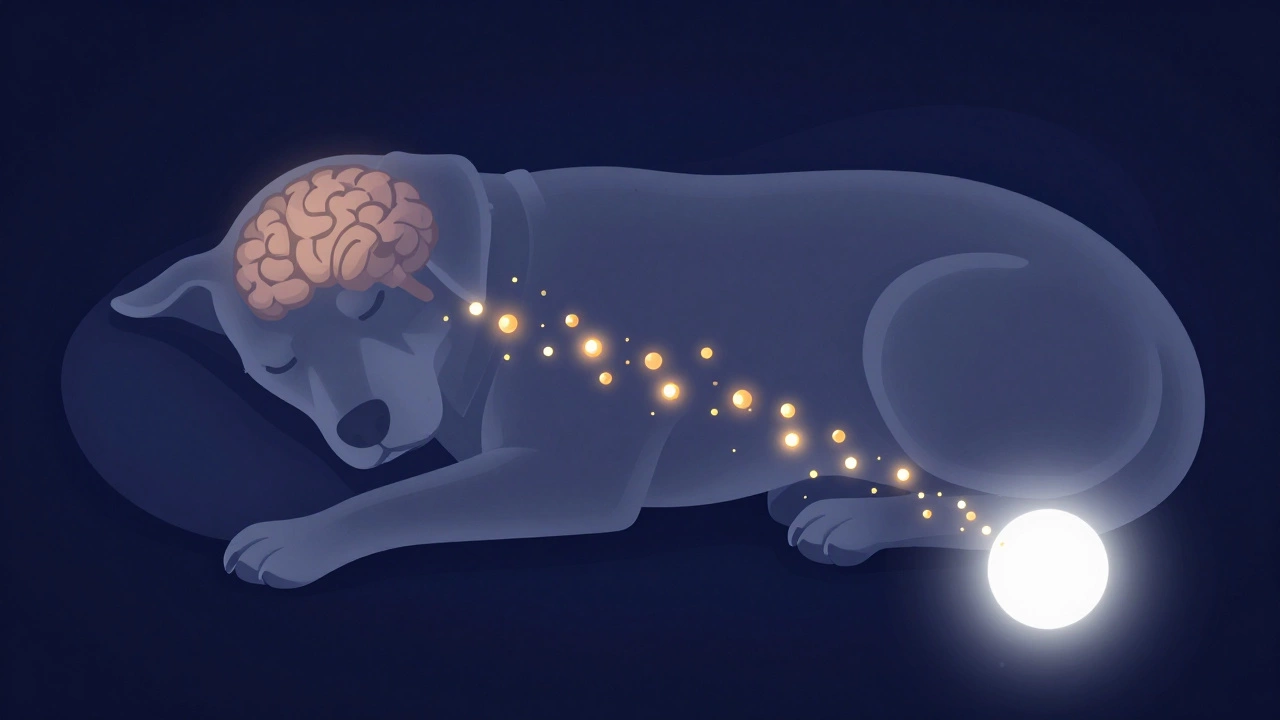
When light hits a dog’s retina, it signals the brain to suppress melatonin, a hormone that promotes drowsiness. In the dark, melatonin production spikes. For a dog, darkness equals "time to rest." If you leave a bright overhead light on, you are essentially telling their brain that it is still daytime, even if their eyes are heavy.
This isn’t just about convenience; it’s about sleep quality. Research from veterinary behaviorists suggests that consistent darkness helps dogs achieve deeper REM (Rapid Eye Movement) sleep. This is the stage where dreaming occurs and mental restoration happens. A dog that sleeps in partial light may experience more fragmented sleep, leading to irritability or hyperactivity during the day.
The Den Instinct: Safety in Shadows
Beyond hormones, there is evolution. Before domestication, wolves and wild canines slept in dens. These spaces were naturally dark, enclosed, and protected from predators. Sleeping in the open was dangerous. Sleeping in the dark meant you were hidden.
Your modern Labrador may never have faced a coyote, but that instinct remains hardwired. When you turn off the lights and close the blinds, you are recreating the safety of the den. Many owners report that their anxious dogs settle down significantly faster in darker rooms. The darkness acts as a visual barrier, reducing stimulation from moving shadows or passing cars outside.
If your dog suffers from separation anxiety or noise phobias, a darker environment can be a crucial tool for calming them. It reduces sensory overload. Think of it like wearing sunglasses at the beach-it filters out the intensity so you can relax.
Night Vision vs. Total Darkness
A common misconception is that dogs see perfectly well in the dark. They don’t. They see *better* than humans in low light, thanks to a higher ratio of rod cells in their eyes and a reflective layer behind the retina called the tapetum lucidum. This is why their eyes glow green or yellow when hit by a camera flash.
However, total pitch blackness is still challenging for them. They rely heavily on hearing and smell to navigate when vision fails. This is why sudden changes in lighting can sometimes startle a dog. If you wake up in the middle of the night and your dog seems confused or hesitant to move, it’s likely because they are temporarily disoriented in the dark.
This nuance matters when choosing a sleeping spot. While they prefer darkness, they shouldn’t be placed in a location where they cannot hear you approaching or sense danger. A bedroom or a quiet corner of the living room works better than a closet or a basement with no windows.
Choosing the Right Dog Bed for a Dark Sleep Environment
If your dog loves the dark, their bed becomes their sanctuary. Since they can’t see their surroundings clearly, touch and pressure become their primary sources of comfort. This is where the type of dog bed matters immensely.
| Bed Type | Why It Works in the Dark | Best For |
|---|---|---|
| Bolster Bed | Raised edges provide tactile boundaries, helping the dog orient themselves without sight. | Anxious dogs, curlers |
| Orthopedic Foam Bed | Supports joints, allowing deep relaxation which pairs well with melatonin-induced sleep. | Senior dogs, large breeds |
| Cave/Cocoon Bed | Mimics the den structure, blocking light and sound completely. | Light-sensitive dogs, puppies |
| Flat Mat | Minimalist, but offers little tactile feedback in the dark. | Dogs who prefer floor sleeping |
For a dog that sleeps in the dark, a bolster bed or a cave-style bed is often superior to a flat mat. The raised sides give them something to press against. This proprioceptive input-the sense of where their body is in space-helps them feel secure when they can’t see. It’s the same reason many people hug a pillow while sleeping.
Material also plays a role. In a dark room, temperature regulation is harder for dogs to monitor visually. Choose breathable fabrics like cotton or cooling gel-infused memory foam if your home gets warm at night. Conversely, if you live in a colder climate like Auckland winters, a fleece-lined bolster provides warmth that encourages longer sleep cycles.
Common Mistakes Owners Make with Nighttime Lighting
Many well-meaning owners keep a nightlight on for their pets. While this might help *you* navigate the hallway, it can disrupt your dog’s sleep architecture. Even dim LED lights can interfere with melatonin production over time.
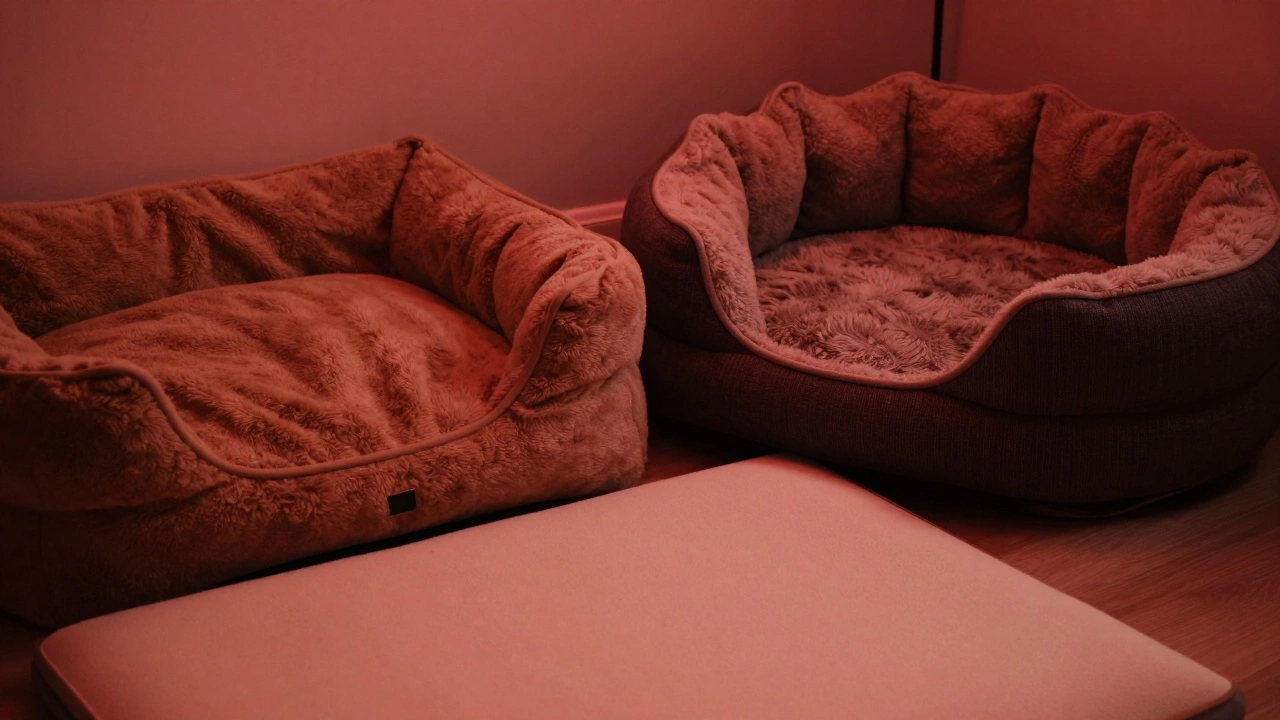
If you need light for safety reasons, opt for red-spectrum bulbs. Red light has a longer wavelength and is less likely to suppress melatonin compared to blue or white light. Smart bulbs that automatically dim to a warm amber hue at sunset can bridge the gap between human convenience and canine biology.
Another mistake is placing the dog bed near a window with streetlights shining through. If your dog tosses and turns every time a car passes, try blackout curtains. The goal is to create a consistent, predictable environment. Predictability reduces cortisol (stress hormone) levels, leading to calmer mornings.
Signs Your Dog Is Struggling with Darkness
While most dogs thrive in the dark, some exceptions exist. Older dogs with cognitive dysfunction syndrome (similar to dementia) may become confused or fearful in the dark. You might notice them pacing, whining, or refusing to lie down after the lights go out.
In these cases, gradual adaptation is key. Don’t plunge them into total darkness overnight. Start by dimming the lights slowly, then introduce a very low-wattage nightlight, and gradually reduce it over weeks. Pair this with a familiar-smelling blanket to anchor them.
Puppies, too, may find total darkness intimidating initially. They are used to the warmth and presence of littermates. A ticking clock or a radio playing soft music can provide auditory reassurance while they adjust to the new, darker environment.
Creating the Ultimate Sleep Sanctuary
To maximize your dog’s sleep quality, combine darkness with other sensory comforts. Place the bed in a quiet corner away from high-traffic areas. Use a washable cover that retains the scent of your dog, as smell is a powerful comfort trigger.
Consider the placement relative to your own bed. Many dogs sleep better when they can hear their owner breathing nearby, even if they are in a separate room. The combination of darkness, familiar scents, and proximity to pack members creates the ideal conditions for restorative sleep.
Remember, sleep is not just downtime for dogs; it’s essential for immune function, muscle repair, and emotional stability. By respecting their preference for darkness, you are giving them one of the simplest yet most effective health interventions available.
Should I leave a nightlight on for my dog?
Generally, no. Darkness promotes melatonin production, which improves sleep quality. However, if your dog is elderly or anxious, a very dim red-spectrum nightlight can provide comfort without disrupting their circadian rhythm significantly.
Do dogs see better in the dark than humans?
Yes, dogs have superior low-light vision due to more rod cells and a reflective layer called the tapetum lucidum. However, they do not see in total pitch blackness and rely on hearing and smell to navigate.
What is the best type of dog bed for sleeping in the dark?
Bolster beds or cave-style beds are ideal because the raised edges provide tactile feedback, helping the dog orient themselves and feel secure when they cannot see their surroundings clearly.
Can darkness help with dog anxiety?
Yes, darkness mimics the safety of a den and reduces visual stimulation. For dogs with separation anxiety or noise phobias, a dark, enclosed space can significantly lower stress levels and promote calmness.
Why does my dog get confused in the dark?
Confusion in the dark is common in senior dogs with cognitive decline or young puppies adjusting to new environments. It can also happen if the room layout changes suddenly. Providing auditory cues and familiar scents can help.