
Calming Bed Suitability & Type Finder
Answer these questions based on your dog's behavior and physical condition to get a personalized recommendation.
Need Score
Based on anxiety & behavioral factors
Recommended Bed Type:
--
Please answer all questions to see your result.
Why this recommendation?
Does your dog pace around the house at night, whine when you leave, or refuse to settle down even after a long walk? It’s not just stubbornness. For many dogs, especially those with high energy levels or underlying anxiety, finding a place that truly feels safe is a struggle. A regular cushion might look cozy to us, but it often fails to provide the specific sensory input a nervous dog needs to switch off.
This is where the concept of a calming dog bed comes in. Unlike standard bedding, these beds are engineered based on veterinary behavior principles to reduce stress and promote deeper sleep. But what exactly makes them work? Is it just marketing hype, or is there real science behind the plush piles of fabric?
The Science Behind the Comfort: Pressure Therapy
The core mechanism of most effective calming beds is something called counter-pressure or deep pressure stimulation. Think about how humans feel when wrapped tightly in a weighted blanket. That snug sensation triggers the release of serotonin and dopamine while lowering cortisol, the body's primary stress hormone. Dogs experience a similar physiological response.
Donut beds, also known as bolster beds, utilize this principle by surrounding the dog with raised edges. When your dog curls up against these sides, they receive gentle, constant pressure on their back and sides. This mimics the feeling of being nestled against a mother or littermates during puppyhood. It creates a sense of security that helps quiet a racing mind. The design isn't just aesthetic; it provides a physical boundary that defines a 'safe zone,' which is crucial for dogs who feel vulnerable when lying flat and exposed.
However, pressure alone isn't enough. If the bed doesn't allow the dog to sink in comfortably, the pressure can feel restrictive rather than soothing. This is why the density of the filling matters just as much as the shape.
Material Matters: Fillings and Fabrics
Not all soft materials are created equal. A cheap bed filled with low-density polyester fiberfill will flatten out within weeks, losing its ability to provide consistent support. For a bed to be genuinely calming, the materials must maintain their structural integrity over time.
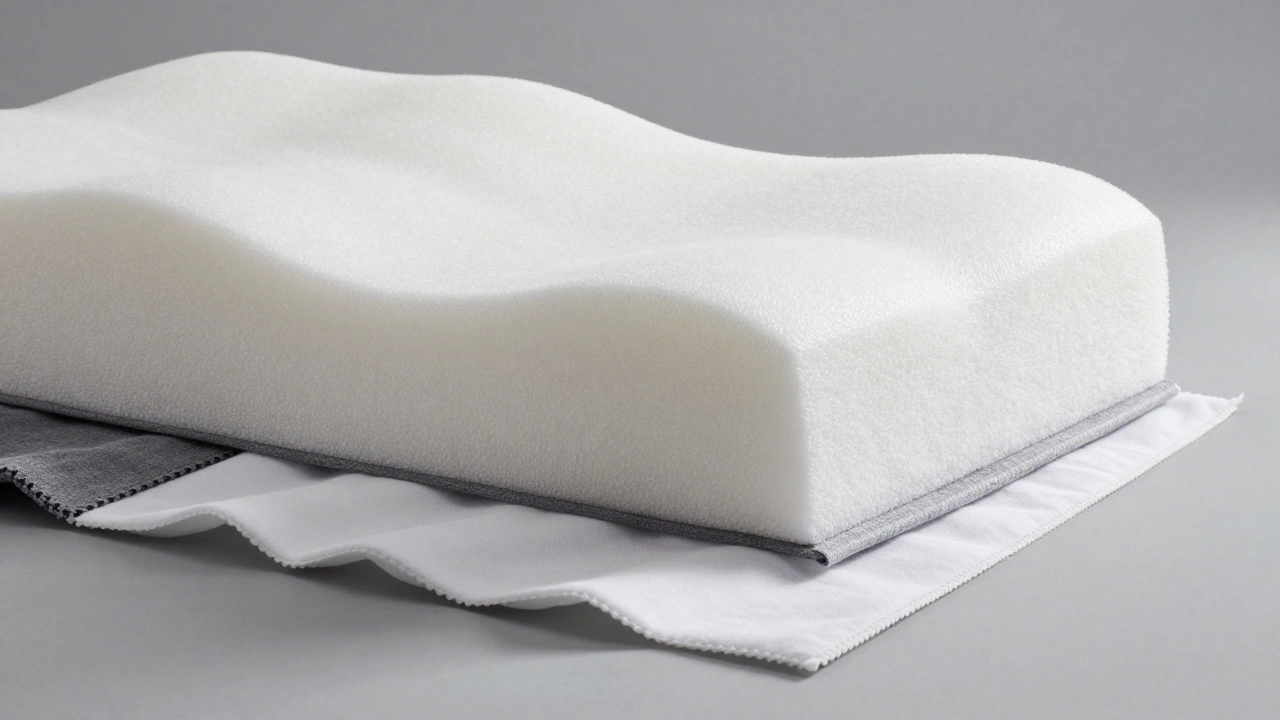
- Memory Foam: High-density memory foam contours to the dog's body, providing joint support while distributing weight evenly. This is particularly beneficial for older dogs or large breeds who suffer from arthritis. The firm yet yielding nature of foam prevents the "bottoming out" effect seen in cheaper alternatives.
- Faux Fur and Plush Textures: The outer fabric plays a significant role in tactile comfort. Soft, breathable fabrics like faux sheepskin or microfiber mimic the warmth and texture of a parent's coat. This tactile cue signals safety to the brain. However, breathability is key. In warmer climates, non-breathable synthetics can cause overheating, which increases agitation rather than reducing it.
- Hypoallergenic Properties: Many anxious dogs have sensitive skin. Irritation from allergens trapped in old bedding can exacerbate stress. Hypoallergenic covers that resist dust mites and bacteria help keep the sleeping environment clean and irritation-free.
When evaluating materials, look for certifications regarding chemical safety. Some foams emit volatile organic compounds (VOCs) that can irritate a dog's sensitive respiratory system. Certifications like CertiPUR-US® ensure the foam is free from harmful chemicals.
Design Features That Enhance Security
Beyond fill and fabric, the architectural design of the bed influences its calming effectiveness. The goal is to create an enclosure that protects without trapping.
| Bed Type | Best For | Key Benefit | Potential Drawback |
|---|---|---|---|
| Donut/Bolster | Anxious dogs, curlers | Maximum side pressure and security | Can retain heat; not ideal for hot sleepers |
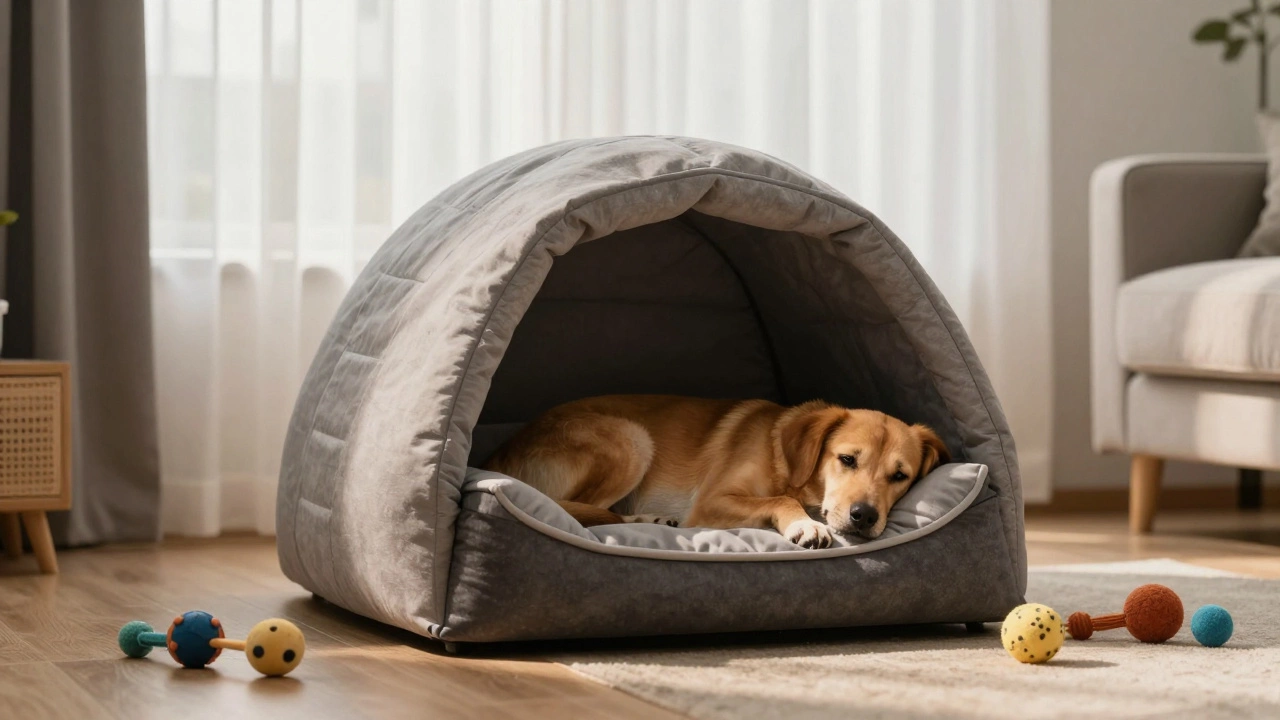
| Cave/Cocoon | Severe anxiety, noise phobias | 360-degree visual and auditory blockage | Limited space; hard to clean interior |
| Orthopedic with Bolster | Senior dogs, large breeds | Joint support + mild pressure | Higher cost; heavier to move |
Cave-style beds take the concept of enclosure further. By covering the top as well as the sides, they block out visual stimuli and dampen sound. For dogs terrified of thunderstorms or fireworks, this acoustic dampening can be life-changing. However, these beds require careful monitoring to ensure the dog doesn't overheat, as they trap body heat more effectively than open designs.
Another critical design element is the size. A common mistake owners make is buying a bed that is too large. If a small dog is placed in a massive bed, they lose the sense of containment. The walls should be close enough that the dog can lean into them easily. Conversely, if the bed is too small, the dog will be forced into an uncomfortable position, negating any calming benefits. Measure your dog from nose to tailbone while they are stretched out, then add six inches for wiggle room.
Scent and Psychological Conditioning
A lesser-known factor in calming beds is scent. Some premium beds incorporate lavender-infused fibers or pheromone technology. Lavender has mild sedative properties for both humans and dogs, though the effect varies by individual. More scientifically backed is the use of Adaptil-like pheromones, which mimic the calming pheromones produced by nursing mothers.
While the bed itself provides the physical structure, you can enhance its psychological impact through conditioning. Place the new bed in a quiet corner away from high-traffic areas. Encourage your dog to explore it by placing treats or favorite toys inside. Over time, the bed becomes associated with positive experiences and relaxation. Never force your dog into the bed; let them choose it. Forced proximity can increase anxiety rather than alleviate it.
Maintenance and Longevity
A dirty bed is an anxious bed. Odors from urine, sweat, or food can trigger stress responses in dogs with heightened senses of smell. Therefore, washability is a non-negotiable feature. Look for beds with removable, machine-washable covers. Zippers should be sturdy and accessible, as frequent washing is necessary to maintain hygiene.
Inspect the bed regularly for signs of wear. Chewed foam or torn seams expose the inner filling, which can be ingested and cause intestinal blockages. For dogs prone to chewing, consider a bed with a durable, chew-resistant outer layer or supervise their initial interactions with the new item. Replacing a degraded bed every one to two years ensures that the support and pressure therapy remain effective.
Who Actually Needs a Calming Bed?
Not every dog requires specialized bedding. A healthy, confident adult dog with no separation anxiety may sleep perfectly fine on a simple mat. However, certain groups benefit significantly:
- Puppies: Adjusting to a new home is stressful. A bolster bed mimics the warmth and closeness of the litter, helping prevent nighttime crying.
- Senior Dogs: Arthritis and joint pain make getting comfortable difficult. Orthopedic calming beds reduce pressure points, allowing for restorative sleep.
- Rescue Dogs: Dogs with trauma histories often lack a sense of safety. The enclosed design provides a predictable, secure environment.
- Dogs with Noise Phobias: Thunderstorms, fireworks, or construction noise can trigger panic attacks. The dampening effect of thick bolsters or cave designs offers refuge.
If your dog shows signs of chronic stress-such as excessive panting, drooling, or destructive behavior when alone-a calming bed is a low-risk, high-reward intervention. It works best when combined with other anxiety-reduction strategies, such as exercise, mental stimulation, and positive reinforcement training.
How do I know if my dog needs a calming bed?
Look for signs of anxiety such as pacing, whining, difficulty settling down, or destruction of household items when left alone. If your dog constantly seeks tight spaces, hides under furniture, or sleeps pressed against you, they likely crave the security a calming bed provides. Puppies and senior dogs almost always benefit from the added support and comfort.
Are donut beds better than flat mats for anxious dogs?
Yes, for most anxious dogs. Donut beds provide raised edges that offer counter-pressure and a sense of enclosure, which mimics the feeling of being surrounded by littermates. Flat mats offer no physical barrier or pressure, making them less effective for dogs seeking security. However, if your dog is a hot sleeper, a flat cooling mat might be preferable to avoid overheating.
Can a calming bed replace medication for separation anxiety?
No, a calming bed is a supportive tool, not a cure. While it can significantly reduce mild to moderate anxiety, severe separation anxiety often requires a combination of behavioral training, environmental management, and possibly prescription medication from a veterinarian. Always consult your vet for a comprehensive treatment plan.
How often should I wash my dog's calming bed?
Ideally, every two to four weeks. Regular washing removes dander, dirt, and odors that can irritate your dog's sensitive nose and skin. If your dog has accidents or drools heavily, wash the cover immediately. Ensure the cover is completely dry before putting it back on to prevent mold and mildew growth.
What size calming bed should I buy?
Measure your dog from nose to tailbone while they are fully stretched out. Add approximately 6 inches (15 cm) to this measurement to determine the ideal length. The width should allow your dog to curl up comfortably with room to spare. Avoid beds that are too large, as they won't provide the necessary sense of containment, or too small, which will restrict movement.