
Dog Bed Firmness Recommendation Tool
Your Personalized Recommendation
Based on your dog's profile
Key Features to Look For:
Materials & Cover Options:
You’ve probably noticed your dog doing that weird little dance before they lie down. They circle a few times, maybe paw at the rug, and then flop onto their side with a heavy sigh. It’s adorable, but it also raises a practical question: what are they actually looking for when they settle in? Specifically, do dogs prefer hard or soft beds?
The short answer is that most dogs don’t want rock-hard floors, nor do they usually sink into memory foam like humans do. They generally prefer something in the middle-a surface that offers gentle support without losing its shape. However, the "right" firmness depends heavily on your dog’s age, breed, weight, and any existing health issues. Getting this wrong can lead to poor sleep quality, joint pain, or even behavioral issues stemming from discomfort.
Why Firmness Matters More Than You Think
We often buy dog beds based on how cute they look or how plush they feel under our own hands. But dogs experience pressure differently than we do. Their bodies are built for movement, not prolonged static rest. When a dog sleeps, their muscles need to relax completely. If the bed is too hard, pressure points-like hips, elbows, and shoulders-stay compressed against the floor or frame. This restricts blood flow and prevents deep restorative sleep.
On the flip side, if a bed is too soft, the dog’s body sinks in unevenly. Imagine trying to sleep on a pile of pillows that collapse under your weight; your spine curves unnaturally, and your core muscles stay tense to stabilize you. For a dog, especially one carrying extra weight, this lack of structural support can exacerbate arthritis or spinal issues over time. The goal isn't just comfort; it's biomechanical alignment.
The Case for Softer Beds
Soft beds, typically made with high-loft polyester fiberfill or thin layers of foam, appeal to certain types of dogs. These are usually young, healthy, and active animals who view their bed as a cozy cave rather than a medical device.
Dogs that curl up tightly into a ball often benefit from softer edges. The malleable material molds around their body, providing a sense of security and warmth retention. Think of small breeds like Chihuahuas or Pomeranians. They have less body mass to create their own insulation, so a soft, fluffy bed helps trap heat. Additionally, anxious dogs often find the tactile sensation of sinking slightly into a cushion calming. It mimics the feeling of nesting in straw or leaves, an instinctual behavior carried over from wild ancestors.
However, there’s a catch. Soft beds lose their loft quickly. After a few months of daily use, the filling clumps, creating hard lumps beneath the fabric. At that point, the bed becomes worse than a hard floor because it’s uneven. If you choose a soft bed, you’re committing to frequent fluffing or eventual replacement.
The Power of Orthopedic Support
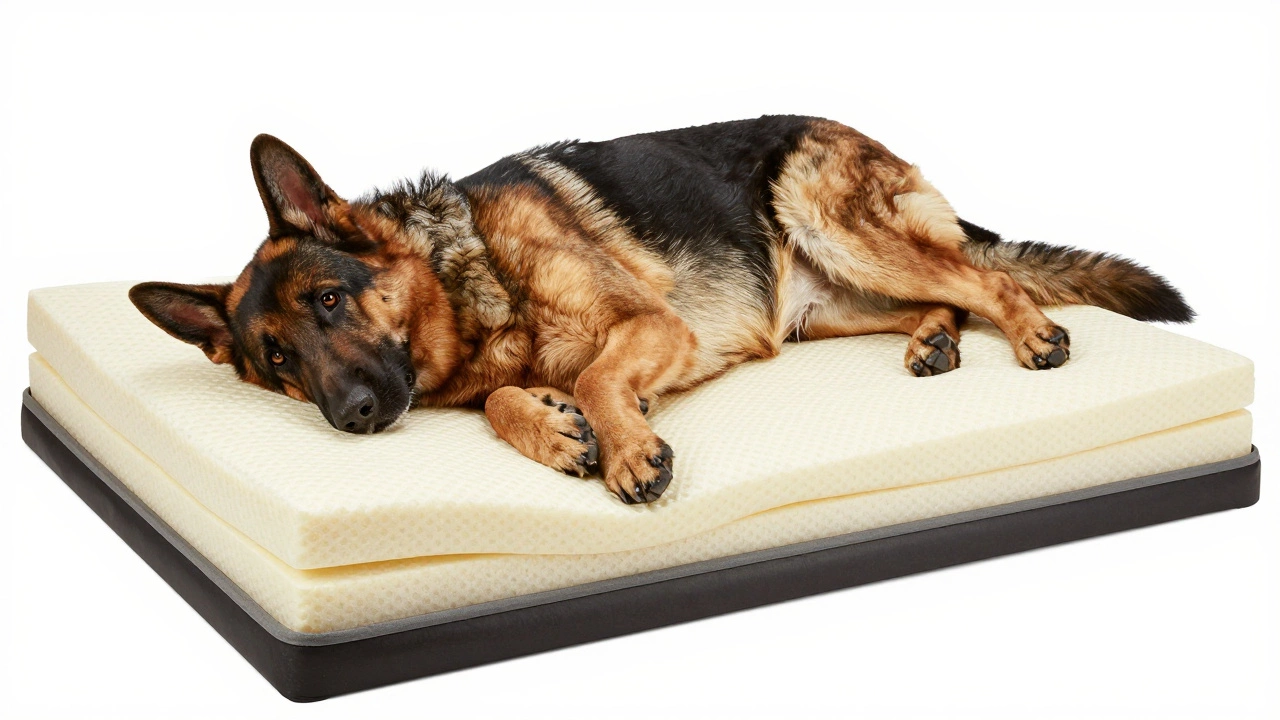
When people ask about hard versus soft, they’re often really asking about support. This is where orthopedic dog beds come in. These aren’t necessarily "hard," but they are firm enough to resist compression. Most high-quality orthopedic beds use memory foam or high-density polyurethane foam. Unlike cheap foam that bottoms out, these materials distribute weight evenly across the body.
This is critical for older dogs. As dogs age, cartilage wears down, and joints become inflamed. A firm, supportive surface reduces the gravitational pull on these sensitive areas. Large breeds like German Shepherds, Labrador Retrievers, and Great Danes are particularly prone to hip dysplasia. For them, a soft bed is a recipe for disaster. Their significant body weight will compress any soft filling, leaving their joints unsupported. An orthopedic bed acts as a shock absorber, maintaining a neutral spine position throughout the night.
If your dog has trouble getting up after sleeping, or if you notice stiffness in the morning, switch to firmer support immediately. It’s not just about luxury; it’s about mobility preservation.
| Bed Type | Best For | Pros | Cons |
|---|---|---|---|
| Soft/Fiberfill | Young, small, anxious dogs | Cozy, warm, inexpensive | Loses shape fast, poor support |
| Firm/Orthopedic | Senior dogs, large breeds, arthritic dogs | Joint support, durable, pressure relief | Higher cost, less "cuddly" feel |
| Medium/Hybrid | Average adult dogs | Balanced comfort and support | Middle-ground durability |
How to Test Your Dog’s Preference
You might think you know what your dog likes, but observation beats assumption every time. Here’s how to figure out if your dog prefers hard or soft surfaces without buying three different beds.
Start with the "Couch Test." Watch where your dog chooses to sleep when left unsupervised. Do they gravitate toward the firm wooden floor, the medium-firm couch cushions, or the plush armchair? If they consistently pick the hardest available surface, they likely value cooling and stability over cushioning. Conversely, if they dig into the deepest part of the sofa, they’re seeking conforming support.
Next, try the "Towel Trick." Place a folded towel on a hard floor next to their current bed. If they move to the towel, they want some padding but not much. If they ignore it and stick to the floor, they might be overheating or simply prefer hard surfaces due to habit. Now, place a thick yoga mat or a piece of dense foam on the floor. If they jump onto it, they’re looking for firm support.
Pay attention to their waking behavior. Does your dog shake off vigorously upon standing? That’s normal. But if they groan, hesitate, or seem unsteady, their current bed is likely failing them. A dog who wakes up refreshed and alert is getting the right level of support.
Material Matters: Beyond Firmness
Firmness isn’t the only variable. The material covering the foam or filling plays a huge role in perceived comfort. A firm orthopedic bed covered in rough, non-breathable vinyl will feel cold and unpleasant, regardless of its support qualities. Look for covers made from microfiber or fleece. These fabrics are soft to the touch but durable enough to withstand scratching.
Cooling features are also trending. Many modern beds incorporate gel-infused foam or breathable mesh panels. This is ideal for dogs who prefer hard beds because they often do so to stay cool. A hard bed doesn’t trap heat, while a thick soft bed can turn into an oven. If your dog pants frequently while resting, a firmer, cooler bed is the better choice.
Washability is another practical consideration. Soft beds with removable covers are easier to clean, which matters if your dog sheds or has allergies. Orthopedic beds often have waterproof liners to protect the expensive foam underneath. Ensure the cover fits snugly; loose fabric gets chewed and destroyed.
Breed-Specific Considerations
Not all dogs are created equal, and their anatomy dictates their bedding needs. Sighthounds like Greyhounds and Whippets have very little body fat. They lie flat against the ground and are highly sensitive to pressure. They absolutely need orthopedic support to prevent bursitis (inflammation of the fluid-filled sacs near joints). A standard soft bed will bottom out, causing pain.
Conversely, double-coated breeds like Huskies or Mastiffs generate significant body heat. While Mastiffs need support due to their size, Huskies might actually prefer thinner, firmer pads that allow airflow. Putting a thick, plush bed under a Husky in summer is like wrapping them in a blanket. They’ll likely reject it entirely.
Puppies are a different story. They grow rapidly, and their bones are still developing. While they don’t need heavy-duty orthopedics yet, they shouldn’t sleep on concrete or tile. A medium-firm bed protects their growing joints from impact damage during play. Avoid overly soft beds for puppies as well, as they can interfere with proper posture development.
Signs Your Current Bed Is Wrong
Sometimes, you won’t know your dog dislikes their bed until they start showing signs of distress. Here are the red flags:
- Restlessness: If your dog constantly shifts positions, never seeming to get comfortable, the bed may be too hard or too soft.
- Relocation: If they carry the bed to the door, under the table, or outside, they might be seeking a different temperature or texture. Some dogs drag soft beds to hard floors to combine both sensations.
- Ignoring the Bed: If you buy an expensive bed and your dog sleeps on the rug instead, listen to them. They’re telling you the bed doesn’t meet their needs.
- Visible Discomfort: Whining, limping, or difficulty rising are clear indicators of inadequate support.
If you see these behaviors, don’t force the issue. Try swapping the insert or adding a layer of foam to adjust the firmness. Experimentation is key.
Finding the Sweet Spot
So, do dogs prefer hard or soft beds? Most prefer a balanced approach: firm enough to support their joints, but soft enough to relieve pressure points. There is no universal answer, but there is a specific answer for your dog. By observing their habits, considering their physical condition, and testing different materials, you can find the perfect balance. Prioritize support over aesthetics, and your dog will thank you with deeper, more restful sleep.
Is a hard floor bad for dogs?
Sleeping directly on hard floors like tile or concrete can be detrimental, especially for senior dogs or those with arthritis. It creates pressure points on hips and elbows, leading to inflammation and discomfort. However, some dogs prefer hard surfaces for cooling purposes. If your dog insists on the floor, consider placing a thin, firm mat to provide slight cushioning without trapping heat.
How do I know if my dog’s bed is too soft?
If your dog sinks deeply into the bed and their belly touches the bottom, it’s too soft. You should be able to press your hand into the foam and feel resistance. If the bed loses its shape permanently after your dog lies on it, or if you see clumps of filling forming, it has lost its supportive integrity and needs replacement.
Are orthopedic beds necessary for young dogs?
While not strictly necessary for healthy puppies, orthopedic beds can be beneficial for prevention. Large breed puppies put significant stress on their growing joints. A supportive bed helps maintain proper alignment. For small, young dogs, a medium-firm bed is usually sufficient unless they show signs of anxiety or preference for plush textures.
Can I make a hard bed softer?
Yes, you can add a layer of comfort. Place a fleece blanket or a thin cotton pad on top of a firm orthopedic bed. This adds a soft tactile layer without compromising the underlying support structure. Avoid adding thick memory foam toppers unless you specifically want to soften the entire bed significantly.
Why does my dog prefer sleeping on the floor?
Dogs often prefer the floor to regulate body temperature. Beds can trap heat, making them uncomfortable in warm weather. Additionally, some dogs feel more secure on a stable, unyielding surface. If your dog prefers the floor, ensure it’s clean and draft-free, or try a cooling mat designed for hard surfaces.