
Puppy Handling Safety Quiz
That moment when your new puppy looks up at you with big, trusting eyes is hard to resist. You want to scoop them up, cuddle them close, and treat them like the tiny human they seem to be in that instant. But before you wrap your arms around that wiggly bundle of fur, you need to pause. Holding a puppy like a baby can lead to serious injury for the dog and frustration for the owner if done incorrectly. Puppies are not infants; their bodies are developing rapidly, and their instincts are wired differently than humans.
The question isn't just about affection-it's about safety, trust-building, and setting boundaries early on. If you hold your puppy wrong, you might damage their spine, trigger fear responses, or teach them that being picked up is unpredictable and scary. On the other hand, proper handling helps them feel secure, teaches them to tolerate restraint (which is crucial for vet visits later), and strengthens your bond without causing harm.
Why Proper Puppy Handling Matters
When people ask if they should hold their puppy like a baby, they usually mean wrapping one arm under the chest and the other under the hindquarters, lifting the puppy high off the ground. This works fine for a few seconds with a very young, small-breed puppy. But as soon as the puppy starts to grow, or if it has a long body, this method becomes risky.
Puppies have delicate skeletal structures. Their bones are still ossifying, meaning they are softer and more prone to fractures than adult dogs. A sudden jerk, a slip from sweaty hands, or even just the strain of supporting an unsupported spine can cause long-term issues. Imagine holding a toddler who keeps kicking and twisting-that’s what a struggling puppy feels like. The difference is, puppies weigh less, so owners often underestimate the force required to keep them stable.
Beyond physical safety, there’s the behavioral aspect. Dogs communicate through body language. When you pick up a puppy abruptly, especially against their will, you’re overriding their natural instinct to control their own movement. This can create anxiety. Over time, the puppy may associate being lifted with stress rather than comfort. This makes future grooming, medical exams, or travel much harder because the dog resists any form of restraint.
The Risks of "Baby-Style" Holding
Holding a puppy like a baby seems intuitive, but it carries specific risks depending on the breed, age, and temperament of the dog. Here’s why this common practice can backfire:
- Spinal Stress: Long-bodied breeds like Dachshunds, Corgis, and Basset Hounds are particularly vulnerable. Lifting them by the armpits without supporting the rear end puts immense pressure on their vertebrae. Even short lifts can contribute to intervertebral disc disease (IVDD) over time.
- Fear Response: Many puppies haven’t been socialized to being held. If you lift them suddenly, they may panic, kick out, or bite defensively. This isn’t aggression-it’s self-preservation. Once a puppy learns that being picked up leads to chaos, they’ll fight it every time.
- Drop Risk: Puppies are slippery. They wiggle, twist, and shake. Human hands aren’t designed to grip wriggling fur tightly without causing discomfort. A dropped puppy can injure itself on hard floors, furniture edges, or worse, get tangled in cords or plants.
- Dependency Issues: Constantly carrying your puppy prevents them from learning how to navigate the world independently. They need to walk, explore, and develop muscle tone. Over-handling can stunt their confidence and coordination.
It’s not that you shouldn’t hold your puppy at all. It’s that you need to do it correctly. Think of it less like cradling a newborn and more like securing a passenger in a car seat-supportive, controlled, and respectful of their autonomy.
How to Hold Your Puppy Safely
If you need to pick up your puppy-for photos, to move them away from danger, or simply because they want attention-follow these steps to ensure both physical and emotional safety:
- Approach Calmly: Don’t loom over your puppy. Get down to their level first. Let them sniff your hands so they know you’re coming. Sudden movements trigger flight responses.
- Support the Hindquarters: Always place one hand firmly under the chest, just behind the front legs. Place the other hand under the belly and rear legs. Never lift by the scruff unless you’re trained in canine restraint techniques-and even then, avoid it with puppies.
- Keep Them Close: Bring the puppy’s body snug against your torso. This limits their ability to thrash and gives them a sense of security. Avoid dangling limbs or leaving gaps between your arms.
- Limit Time: Hold your puppy for no more than 10-15 seconds at a time initially. Gradually increase duration as they become comfortable. Watch for signs of stress: panting, whining, stiffening, or trying to escape.
- Put Them Down Gently: Lower the puppy slowly until all four paws touch the ground. Wait a second before letting go completely. This lets them regain balance and reduces the chance of falling forward.
Practice these techniques daily. Make holding part of your routine, not just an emergency measure. Use treats during the process to create positive associations. Say “good boy” or “good girl” while holding them, then reward immediately upon release. This builds trust and makes future handling easier.
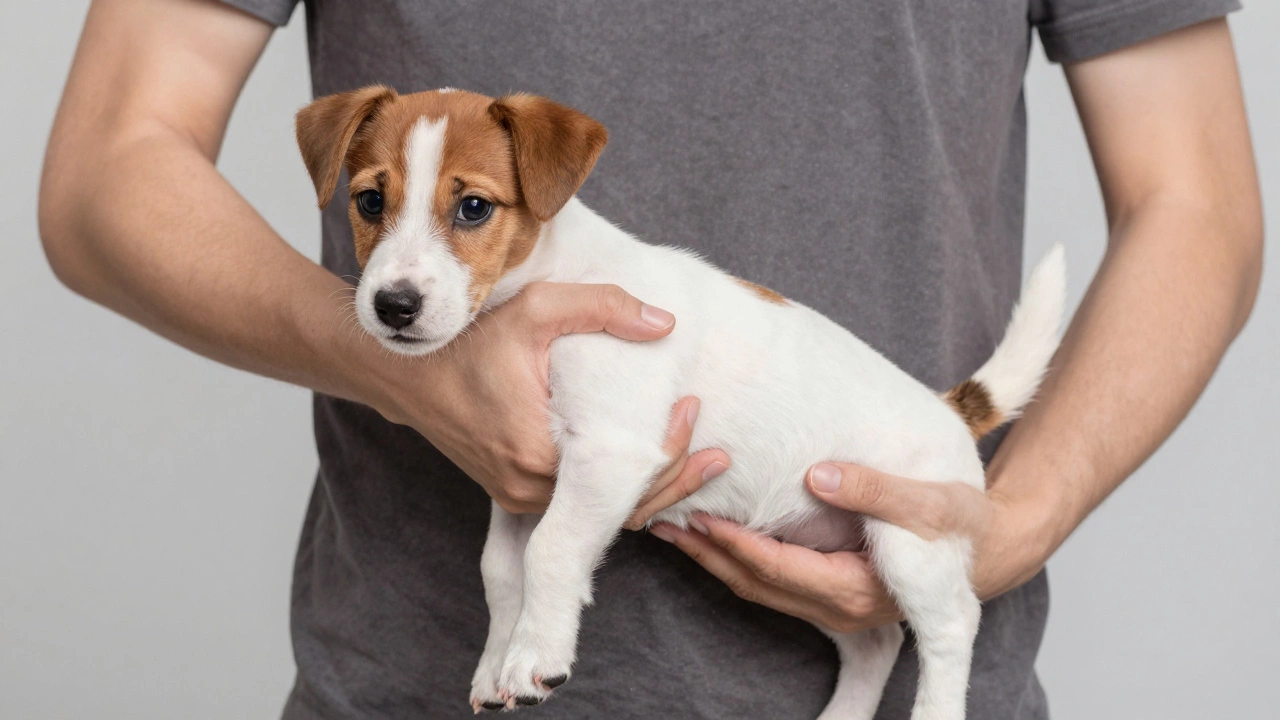
Signs Your Puppy Is Uncomfortable
Dogs don’t talk, but they speak volumes through their bodies. Learning to read these signals is critical for responsible ownership. If your puppy shows any of the following behaviors while being held, put them down immediately:
- Tail Tucking: A tail tucked between the legs indicates fear or submission. It’s a clear sign they feel threatened.
- Ears Flattened Back: Ears pinned flat against the head suggest anxiety or discomfort. In some breeds, ears naturally lie flat, so look for changes from their normal position.
- Whining or Growling: Vocalizations are direct communication. Whining means distress; growling is a warning. Ignore neither.
- Stiff Body Posture: A rigid body means the puppy is bracing for impact or preparing to flee. Flexibility equals relaxation.
- Lip Licking or Yawning: These are calming signals. Dogs use them to de-escalate tension. If your puppy licks its lips repeatedly while being held, it’s stressed.
Respecting these cues builds mutual respect. Forcing interaction when your puppy is uncomfortable breaks trust faster than building it does. Patience pays off in a well-adjusted, confident adult dog.
Alternatives to Holding: Building Connection Without Lifting
You don’t need to hold your puppy to show love or establish authority. In fact, many bonding activities happen on the ground where both you and your puppy feel more secure. Here are effective alternatives:
| Activity | Benefits | Best For |
|---|---|---|
| Ground-Level Petting | Reduces anxiety, allows puppy to initiate contact | Shy or fearful puppies |
| Play Sessions | Builds confidence, burns energy, reinforces commands | High-energy breeds |
| Treat-Based Training | Creates positive association with handler, improves focus | All ages and temperaments |
| Gentle Massage | Relaxes muscles, desensitizes touch points | Puppies sensitive to handling |
| Short Walks Together | Encourages exploration, strengthens leadership role | Older puppies (8+ weeks) |
These methods allow your puppy to engage on their terms. They learn that interacting with you is safe, rewarding, and predictable. Over time, this foundation makes necessary handling-like nail trims or ear cleaning-much smoother because the puppy trusts your intentions.
Special Considerations for Different Breeds
Not all puppies are created equal. Breed characteristics significantly influence how they respond to being held. Understanding your puppy’s unique needs ensures safer interactions:
- Small Toy Breeds (Chihuahuas, Yorkies): These dogs are often carried frequently due to size. However, their tiny frames make them fragile. Support their entire body length. Avoid squeezing too tight, as their ribs can collapse easily.
- Long-Bodied Breeds (Dachshunds, Corgis): As mentioned earlier, spinal support is non-negotiable. Never lift them vertically. Keep them horizontal and close to your body. Consider using a sling for longer periods.
- Large Breed Puppies (Labradors, German Shepherds): These pups gain weight quickly. Within months, they’ll be too heavy to hold comfortably. Start teaching them to stand still for brief touches instead of lifting. Focus on grounding exercises.
- Herding Breeds (Border Collies, Aussies): Highly intelligent and sensitive. They may interpret being held as confinement. Use verbal cues and rewards to encourage voluntary compliance rather than forced restraint.
Research your specific breed’s traits before adopting. Knowing whether your puppy is likely to be anxious, energetic, or physically delicate helps tailor your approach from day one.
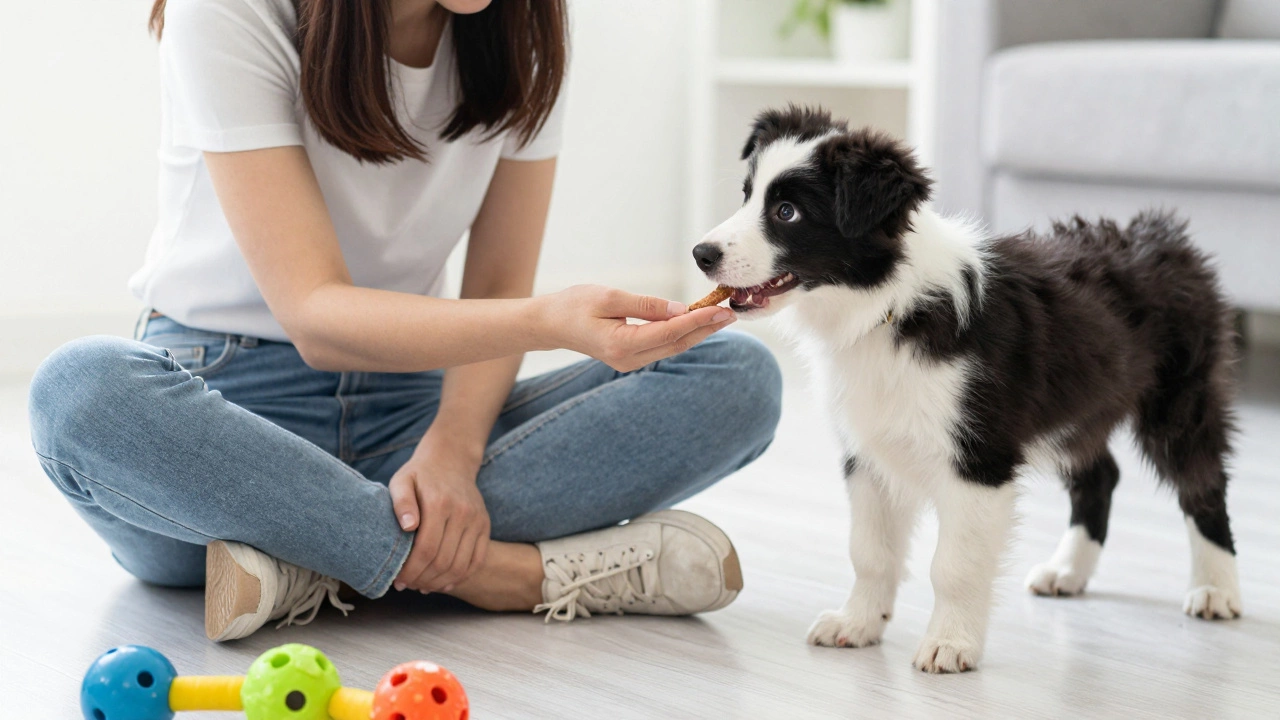
Teaching Your Puppy to Accept Being Held
If your job involves regularly picking up your puppy-for example, if you work from home and need to move them between rooms-you can train them to accept it calmly. Start early, around 8 weeks old, when they’re most adaptable.
Begin with short durations. Pick up your puppy for just two seconds, then set them down and give a treat. Repeat this five times a day. Gradually extend the time by one second each session. Celebrate success with praise and play. If your puppy struggles, step back to the previous successful duration. Rushing causes setbacks.
Incorporate handling into daily routines. Brush their teeth, check their ears, and trim their nails while they’re relaxed on the floor. This desensitizes them to touch in various areas. Combine tactile stimulation with high-value rewards like chicken strips or cheese. Positive reinforcement rewires their brain to associate handling with good things.
Consistency is key. Everyone in the household must follow the same rules. If one person holds the puppy improperly while another follows best practices, confusion ensues. Agree on a unified strategy and stick to it.
Common Mistakes Owners Make
Even well-meaning owners fall into traps that compromise their puppy’s well-being. Avoid these frequent errors:
- Lifting by the Scruff: While mother dogs carry puppies by the loose skin behind the neck, this technique doesn’t translate safely to humans. Our grip strength differs, and we lack the precision to avoid choking or injuring the trachea.
- Holding Too High: Elevating your puppy far above eye level increases their sense of vulnerability. Keep them at chest height or lower to maintain visual connection and reduce fear.
- Ignoring Age Limits: Newborn puppies (under 4 weeks) require extreme caution. Their joints aren’t fully formed. Limit handling to essential care only. By 6-8 weeks, they’re ready for gentle introduction to being held.
- Forcing Interaction: Some puppies prefer space. Pushing them into closeness violates their boundaries. Allow them to retreat when needed. Forced affection breeds resentment.
- Neglecting Aftercare: After being held, let your puppy decompress. Offer water, quiet space, or a favorite toy. Transitioning back to normal activity smoothly prevents lingering stress.
Awareness of these pitfalls saves heartbreak. Small adjustments in technique yield big improvements in your relationship with your puppy.
When to Seek Professional Help
If your puppy consistently reacts negatively to being held despite careful training, consult a certified professional. Look for trainers accredited by organizations like the Certification Council for Professional Dog Trainers (CCPDT). They can assess underlying fears, medical conditions, or past trauma affecting behavior.
Veterinary behaviorists specialize in complex cases involving phobias or aggression. Early intervention prevents escalation. Remember, seeking help isn’t failure-it’s proactive care. Just like humans, dogs benefit from expert guidance when facing challenges beyond basic training.
Can I hold my 8-week-old puppy?
Yes, but briefly and with full support. At 8 weeks, puppies are gaining independence but still benefit from gentle handling. Support both front and back ends, keep sessions under 15 seconds, and always reward calm behavior. Avoid lifting them higher than waist level to minimize fear.
Is it okay to carry my puppy around the house?
Carrying your puppy occasionally is fine, especially if they’re tired or injured. However, excessive carrying hinders development. Encourage walking and exploring to build muscle strength and confidence. Reserve carrying for necessary situations like moving them away from hazards.
Why does my puppy cry when I pick them up?
Crying indicates discomfort or fear. Your puppy may not understand why they’re being moved or feel insecure in your arms. Try shorter durations, offer treats during handling, and gradually increase exposure. Consult a trainer if crying persists after several weeks of consistent practice.
How do I stop my puppy from biting when held?
Biting during handling is defensive behavior. Stop immediately, put the puppy down, and wait for calmness before retrying. Use redirection techniques-offer a chew toy right after placing them down. Never punish biting, as it worsens fear. Desensitize slowly over days or weeks.
At what age should I stop holding my puppy regularly?
There’s no strict cutoff, but regular holding typically decreases as puppies mature. Most owners transition away from frequent carrying by 4-6 months, depending on size and temperament. Continue occasional handling for health checks or emergencies, focusing instead on ground-level interaction and obedience training.