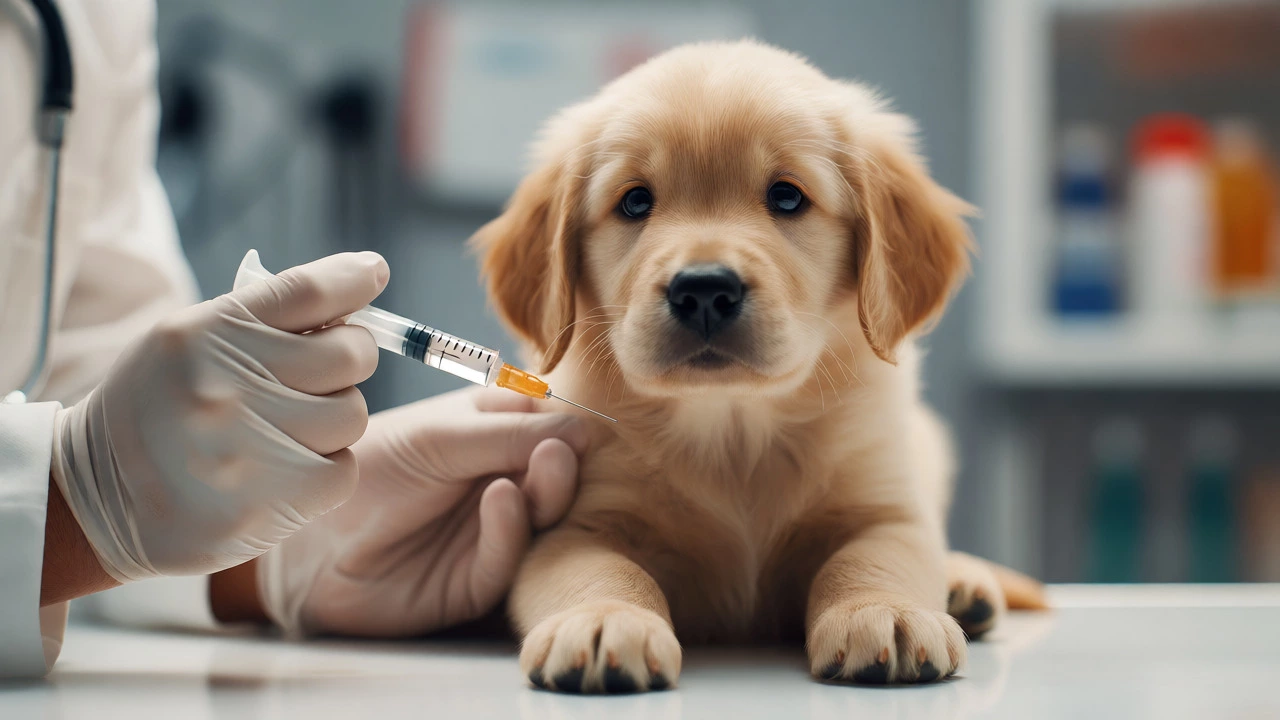
Puppy Vaccination Tracker
Enter your puppy's current age in weeks and select their lifestyle risks to see which vaccinations are due or recommended right now.
You just brought home a bundle of fur that looks more like a stuffed toy than a living animal. It’s adorable, it’s chaotic, and it’s completely defenseless against the invisible world of viruses lurking in your local park. The biggest question on every new owner’s mind isn’t just about food or crates-it’s about puppy shots. Why do they need them? When do they start? And why does the vet keep asking you to come back when your pup seems perfectly healthy?
Here is the blunt truth: puppies are born with some immunity from their mother’s milk, but that protection fades fast. If you miss the window for vaccinations, you aren’t just risking a sick dog; you’re risking a life-threatening situation that could have been prevented with a few simple injections. This guide breaks down exactly what shots your puppy needs, the timeline you can’t afford to ignore, and how to handle those tricky first weeks.
The Core vs. Non-Core Distinction
Not all vaccines are created equal. Veterinarians categorize them into two buckets: core and non-core. Understanding this difference saves you money and anxiety because you know which ones are mandatory for survival and which ones depend on your lifestyle.
Core vaccines are those recommended for every single dog, regardless of where they live or who they meet. These protect against diseases that are widespread, severe, or zoonotic (meaning they can jump to humans). In New Zealand and most Western countries, the core trio usually includes Canine Distemper, Parvovirus, and Adenovirus (Hepatitis). Sometimes Rabies is included here depending on your country’s legal requirements, though NZ is currently rabies-free, so it’s often not administered domestically unless traveling abroad.
On the other hand, Non-core vaccines are given based on risk assessment. Does your puppy go to daycare? They might need Bordetella (kennel cough). Do you hike in bushy areas? Leptospirosis might be worth considering. These aren’t optional because they don’t matter; they’re optional because the risk profile varies by location and activity level.
| Vaccine Type | Disease Protected Against | Who Needs It? | Risk Level |
|---|---|---|---|
| Core | Canine Parvovirus | All puppies | High - Often fatal in young dogs |
| Core | Canine Distemper | All puppies | High - Affects nervous system |
| Core | Canine Adenovirus | All puppies | Moderate - Liver damage |
| Non-Core | Bordetella (Kennel Cough) | Puppies in boarding/daycare | Moderate - Highly contagious |
| Non-Core | Leptospirosis | Puppies exposed to wildlife/water | Variable - Zoonotic potential |
The Critical Timeline: Weeks 6 to 16
This is where most owners get confused. You might think one shot fixes everything. It doesn’t. Puppies receive maternal antibodies through colostrum (the first milk) after birth. These antibodies are great-they fight off germs while the puppy’s immune system is still immature. But here’s the catch: these same antibodies block the vaccine from working. If you vaccinate too early, the maternal antibodies neutralize the vaccine before it can teach the immune system anything.
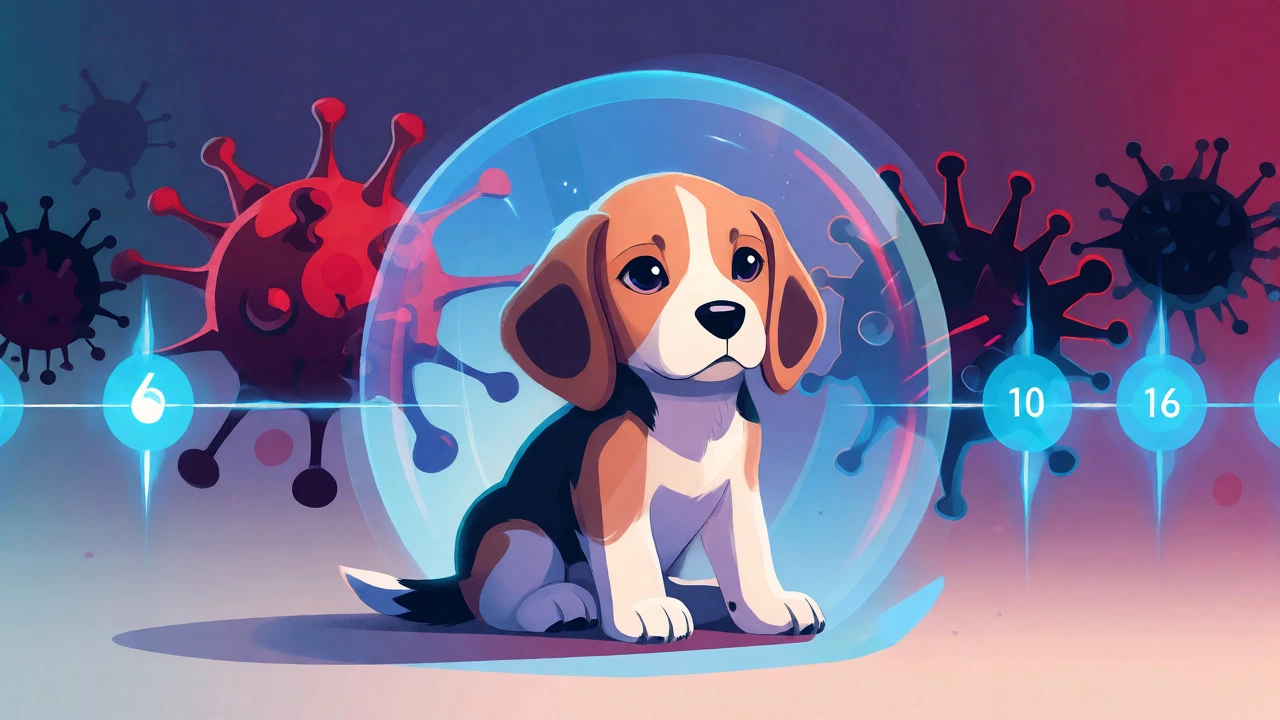
That’s why vets use a series of boosters. The goal is to hit the sweet spot where maternal antibodies drop low enough for the vaccine to take hold, but before the puppy is vulnerable to infection. This typically happens between 6 and 16 weeks of age.
- Weeks 6-8: The first round of DHPP (Distemper, Hepatitis, Parainfluenza, Parvovirus). Some vets wait until week 8 if the puppy came from a high-risk environment, but earlier starts are common now due to persistent parvo strains.
- Weeks 10-12: The second booster. This reinforces the protection started in the first round. At this stage, many vets also introduce Leptospirosis if recommended for your area.
- Weeks 14-16: The final puppy booster. This is crucial. Studies show that up to 30% of puppies fail to develop immunity if vaccinated only once or twice. The 16-week shot ensures coverage after maternal antibodies have fully waned.
If you adopt a puppy older than 16 weeks, the schedule changes slightly. They usually need two sets of vaccines spaced three to four weeks apart, rather than the three-round puppy series. Always confirm the history with your shelter or breeder.
Socialization vs. Isolation: The Great Debate
Old-school advice said to keep puppies locked away until they were fully vaccinated at 16 weeks. Modern veterinary science disagrees. Waiting that long can cause behavioral issues that are harder to fix than a mild case of kennel cough. The American Veterinary Society of Animal Behavior recommends starting socialization as soon as 7-8 weeks, provided you avoid high-risk zones.
So, what are high-risk zones? Think of places where unvaccinated dogs congregate and leave behind feces. Dog parks, pet store floors, and busy sidewalks are risky. Instead, invite friends over who have healthy, vaccinated adult dogs. Carry your puppy around town so they see cars, bikes, and strangers without touching the ground where unknown dogs have walked. This balances disease risk with mental development.
What About Side Effects?
It’s normal to worry about your puppy feeling rough after a visit. Most side effects are mild and short-lived. You might notice soreness at the injection site, slight lethargy, or a reduced appetite for 24 hours. Keep an eye out for more serious signs like facial swelling, hives, vomiting, or difficulty breathing-these indicate an allergic reaction and require immediate vet attention.
To minimize stress, ask your vet if they offer "fear-free" handling techniques. Many clinics now separate sick animals from healthy ones during appointments. Some even allow you to bring your puppy in for just the injection without waiting in a room full of coughing cats and anxious dogs.

Costs and Legal Requirements
In New Zealand, costs vary by clinic, but expect to pay between $50 and $80 per visit for the standard DHPP combo. Kennel cough vaccines might add another $30-$50. Remember, this isn’t a one-time fee. Adult dogs need boosters every 1-3 years depending on the specific vaccine and local laws. Budget for annual check-ups, not just the initial puppy series.
Legally, leash laws and registration are separate from health, but some councils require proof of vaccination for certain activities. For example, if you plan to travel overseas with your pet, strict quarantine rules apply, and having up-to-date records is non-negotiable.
Common Mistakes to Avoid
Don’t skip the last booster because your puppy “looks fine.” Looks can be deceiving with viral loads. Don’t assume indoor-only dogs don’t need vaccines-you track in dirt, visitors bring germs, and power outages mean doors left open. Finally, don’t rely solely on antibody titers (blood tests) to determine if boosters are needed until your puppy is an adult. Puppies’ immune systems are too variable for titer testing to be reliable during the initial series.
How many puppy shots do they need?
Most puppies need three rounds of core vaccines (DHPP) starting at 6-8 weeks, with boosters every 3-4 weeks until they are 16 weeks old. Non-core vaccines like Bordetella may require additional visits depending on lifestyle risks.
When can my puppy go to the dog park?
Wait until one week after the final puppy booster at 16 weeks. Before that, limit exposure to controlled environments with known healthy dogs and avoid public grassy areas where unknown dogs relieve themselves.
What happens if I miss a puppy vaccine appointment?
Contact your vet immediately. Depending on how late you are, they may restart the series or administer the next dose sooner. Missing doses leaves gaps in immunity, increasing the risk of contracting Parvovirus or Distemper.
Do indoor dogs really need vaccines?
Yes. Core vaccines protect against airborne viruses and diseases spread via contaminated soil or objects you bring inside. Additionally, many boarding facilities and groomers legally require proof of vaccination, even for occasional use.
Is the Leptospirosis vaccine safe for puppies?
Modern Leptospirosis vaccines are generally safe and effective. However, some puppies may experience mild reactions. Consult your vet to assess the risk in your specific area, especially if you live near water sources or rural areas with wildlife.