Puppy Potty Schedule Calculator
Expected Night Trips
-Bladder Holding Capacity
-The 3 AM Wake-Up Call
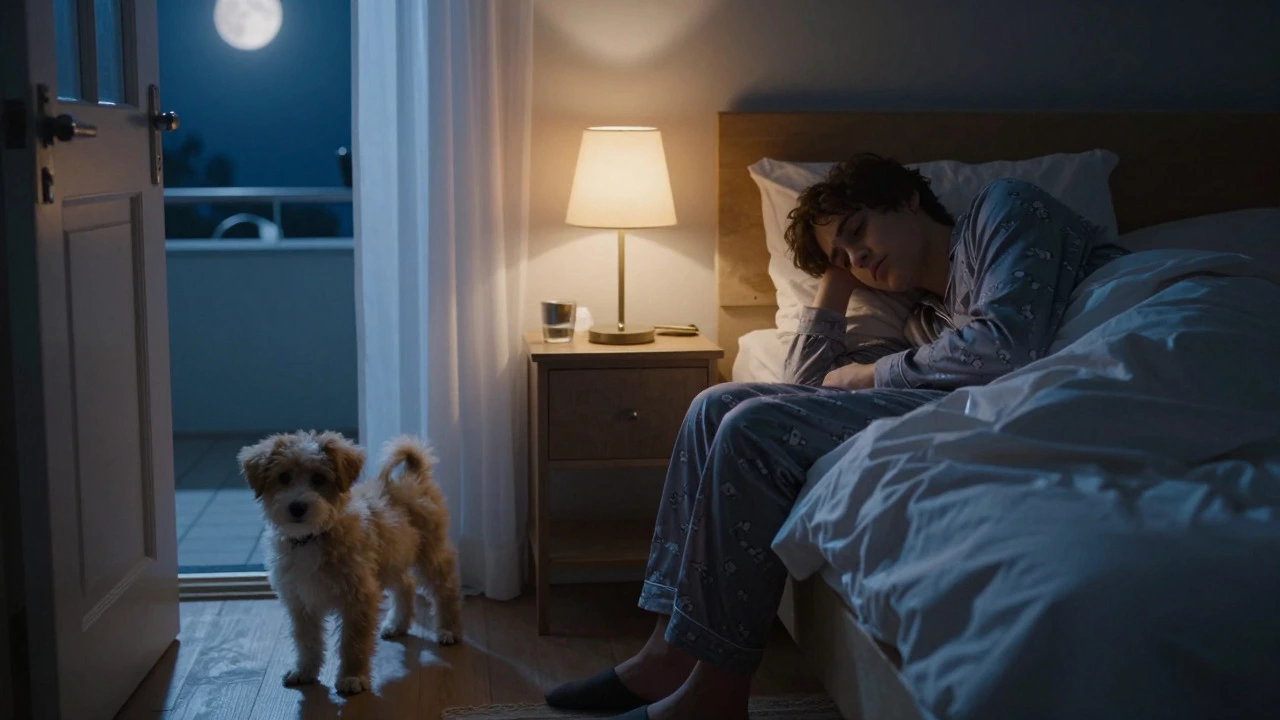
It happens to almost every new dog owner. You are fast asleep, dreaming of a peaceful life with your new best friend, when you hear that distinct whine from the other side of the bedroom door. It is 3 AM. Your 8-week-old puppy is a young canine in the critical developmental stage where bladder control is still maturing, and they need out now. If you wait, there will be an accident. So, how many times should you actually take them out at night?
Here is the short answer: For an 8-week-old puppy, expect to wake up once or twice per night. Some puppies might manage one trip, while others, especially if they drank water right before bed, may need two. This frequency is not a sign of bad training; it is biology. At this age, their bladders are simply small and immature. The goal is not to eliminate night trips immediately but to establish a routine that minimizes accidents and helps them build stamina as they grow.
Understanding Puppy Bladder Capacity
To figure out why your puppy needs those specific number of trips, you have to look at their physical limitations. A common rule of thumb in veterinary care suggests that a puppy can hold its bladder for approximately one hour for every month of age. Since your puppy is two months old (eight weeks), they can theoretically hold it for about two hours. However, "theoretically" is a dangerous word in puppy rearing. In practice, sleep cycles, excitement, and cold temperatures reduce this capacity significantly.
Think of a puppy's bladder like a tiny cup. An adult dog has a large bucket. When you fill that tiny cup with water, it overflows quickly. If your puppy drinks a full bowl of water at dinner time, which is often around 6 PM, that water turns into urine within 30 to 45 minutes. By the time you put them to bed at 9 PM, their system is processing the last of that fluid. This is why the first night trip usually happens between 11 PM and midnight. If they drink again later, a second trip becomes necessary around 3 AM or 4 AM.
The Water Intake Strategy
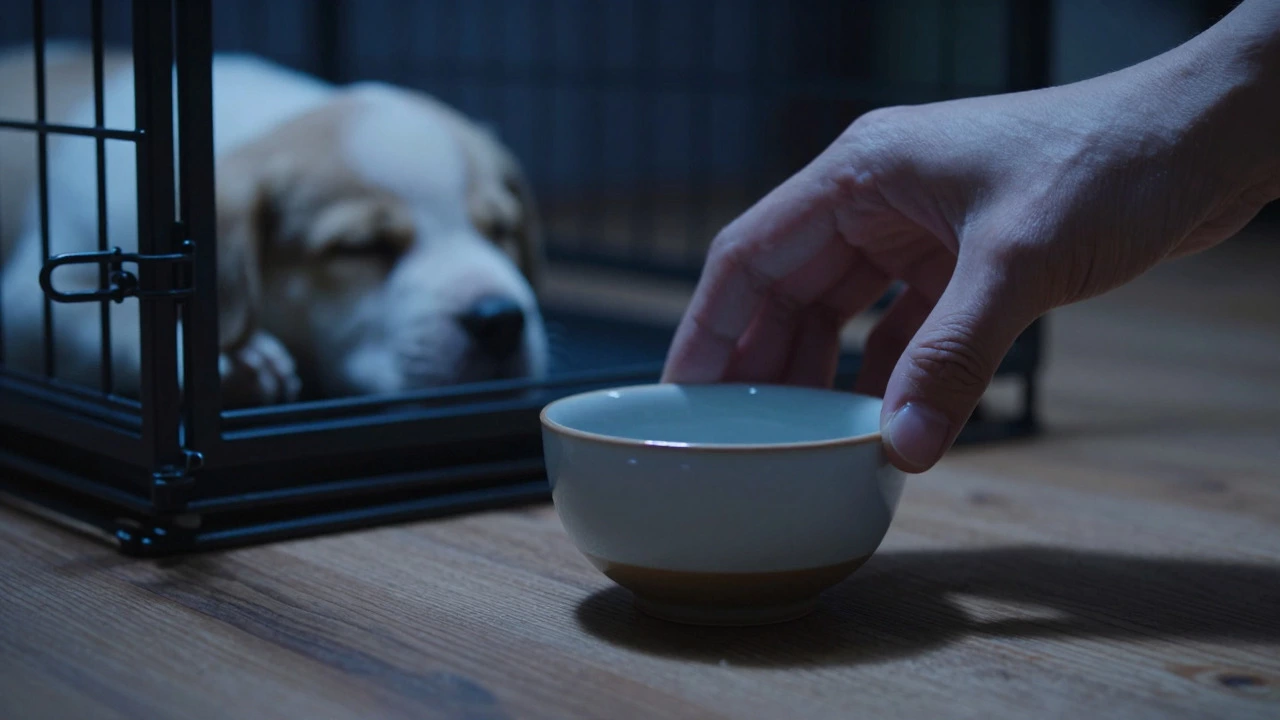
You cannot control the puppy's bladder size, but you can control what goes into it. Managing water intake is the single most effective tool for reducing night trips. It does not mean depriving your puppy of hydration; it means timing it correctly. Most experts recommend stopping free-flowing water access about two hours before bedtime. If your puppy goes to bed at 9 PM, remove the water bowl at 7 PM. They should still have had plenty of water throughout the day to stay hydrated.
Why two hours? It takes roughly that long for a puppy to digest food and process fluids into urine. If you leave water out all night, you are essentially asking your puppy to pee every two hours all night long. By cutting off water earlier, you give their kidneys time to finish processing the day's intake before they settle down for sleep. This simple adjustment often cuts the number of night trips from three down to one.
Creating the Perfect Pre-Bed Routine
A consistent routine tells your puppy's body what to expect. Dogs thrive on predictability. When you follow the same steps every night, their biological systems start to sync up with your schedule. Here is a reliable pre-bed sequence that works well for most households:
- Last Meal: Feed your puppy their final meal of the day no later than 6 PM. Avoid feeding late, as digestion increases the need to urinate.
- Water Cutoff: Remove the water bowl at 7 PM (two hours before bed).
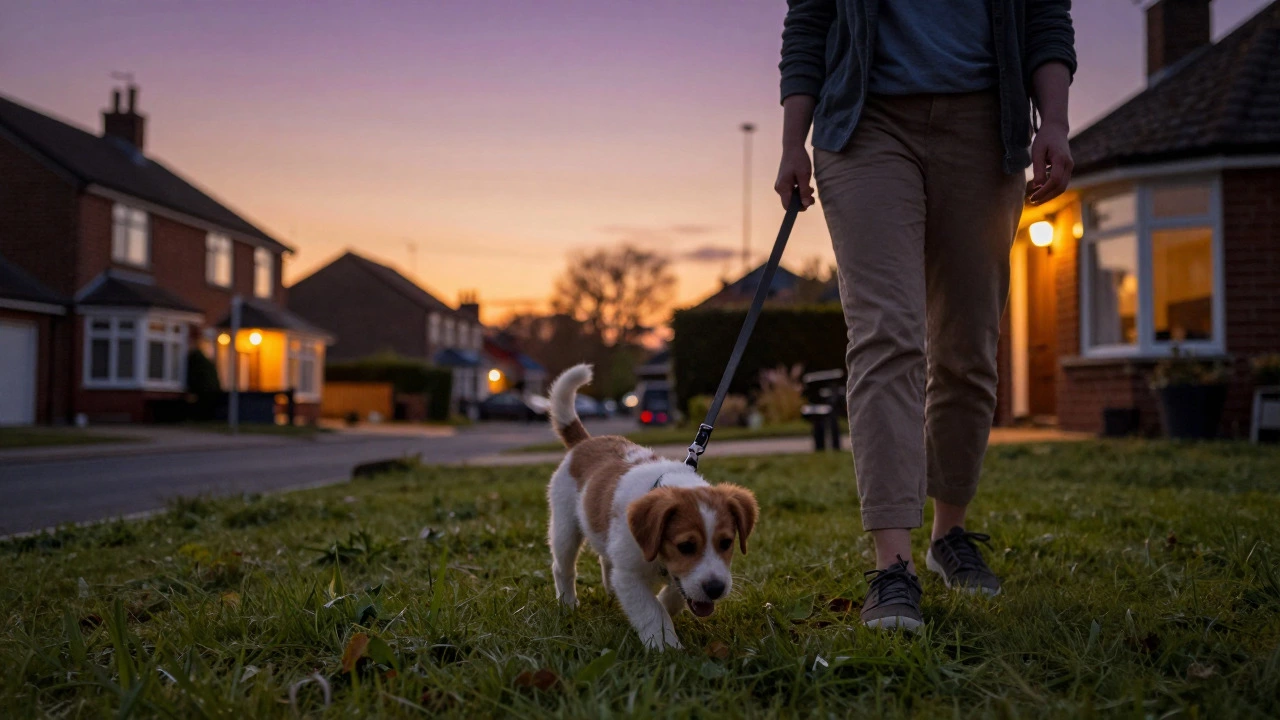
- Final Outdoor Trip: Take your puppy outside for a longer walk at 8:30 PM. Let them sniff and explore. This encourages them to empty their bladder completely.
- Crate Setup: Place your puppy in their crate or designated sleeping area immediately after the outdoor trip. Keep the lights dim to signal sleep time.
This routine creates a buffer zone. Because the puppy went out right before getting into the crate, they start the night with an empty bladder. Combined with the water cutoff, this maximizes the window of time they can sleep through without needing to go.
How to Handle the Night Trip
When the alarm goes off, or your puppy starts whining, efficiency is key. You want to get them out, let them do their business, and get them back to sleep as quickly as possible. Any excitement during this trip can make it harder for them to fall back asleep. Keep the mood low-key. No talking, no playing, no bright lights. Use a flashlight instead of turning on the main room light.
Take your puppy directly to their designated potty spot. Use a consistent cue phrase like "go potty" or "business." Once they finish, offer a quiet, low-value treat (like a piece of kibble) and praise them softly. Then, lead them straight back to the crate. Do not let them roam the house. Roaming leads to playfulness, and playfulness leads to more peeing, which ruins the rest of the night's sleep for both of you.
If your puppy does not pee, wait for another 10-15 minutes. Sometimes, they need a moment to realize they need to go. If they still don't go, bring them back in. Chasing a pee that isn't coming causes stress, which ironically makes it harder for the puppy to relax enough to urinate.
Common Mistakes That Cause Accidents
Even with a perfect schedule, things can go wrong. Knowing the pitfalls helps you fix them faster. One major mistake is leaving the water bowl out until bedtime. As mentioned, this floods the system too late. Another error is inconsistent timing. If you take them out at 11 PM one night and 2 AM the next, their internal clock gets confused. Stick to a set time, even if you think they might not need to go. Better safe than sorry.
Also, watch out for medical issues. If your puppy suddenly starts waking up more frequently, or if they seem to strain when urinating, check with your veterinarian. Urinary tract infections are common in young dogs and can mimic poor housebreaking. If the frequency spikes dramatically without a change in diet or routine, a vet visit is wise.
When Can You Stop Waking Up?
Every puppy owner dreams of sleeping through the night. For most dogs, this milestone arrives between 4 and 6 months of age. By four months, their bladder capacity has increased significantly, and their muscles are stronger. You may find that you only need one early morning trip at 5 AM or 6 AM, rather than multiple trips during the night. At six months, many puppies can hold it for 8-10 hours, meaning they can sleep through the entire night.
However, individual variation exists. Some breeds, particularly smaller ones like Chihuahuas or Toy Poodles, have smaller bladders and may need night trips longer than larger breeds like Labradors or German Shepherds. Genetics play a role, but consistency plays a bigger one. The sooner you establish the water cutoff and pre-bed routine, the faster your puppy will learn to hold it longer.
FAQ
Is it okay to skip a night potty break if my puppy doesn't whine?
Yes, if your puppy is sleeping soundly and hasn't drunk much water recently, you can likely skip the trip. However, if they are an 8-week-old, err on the side of caution. Whining isn't always the first sign; sometimes puppies just wet themselves silently. As they get older, you can test skipping nights based on their behavior.
Should I use a bell on the door for night trips?
Not for night trips. Bells require active participation and excitement. At night, you want passive, low-energy movement. Save bell training for daytime walks when your puppy is awake and alert. At night, keep it simple: open door, go out, close door.
What if my puppy pees in the crate at night?
If this happens repeatedly, the crate might be too big, allowing them to sleep in one corner and pee in another. Ensure the crate is just large enough for them to stand, turn around, and lie down. Also, verify your water cutoff time. If the crate is the right size and water is cut off properly, accidents in the crate usually indicate a medical issue or extreme anxiety.
Does giving treats at night mess up training?
Low-value treats are fine. High-value treats (like cheese or chicken) can stimulate appetite and thirst, leading to more peeing. Stick to dry kibble or small, boring pieces of food that reward the action without causing excitement or hunger.
How long does potty training take in total?
Full housebreaking typically takes 4 to 6 months. The first 8 weeks are the hardest due to lack of control. From 3 to 6 months, you refine the routine. By 6 months, most puppies are fully reliable indoors, though occasional accidents can still happen if routines are disrupted.