Puppy Solo Time & Routine Planner
Enter Your Details
Enter details to see your plan.
You walk out the door. The silence hits you. Then, ten minutes later, your phone buzzes with a notification from your pet camera: your puppy is barking. Or worse, chewing the leg of your favorite chair. It’s a scenario that haunts every new dog owner in Auckland, especially when you have a full-time job. Leaving a puppy alone for eight hours is a recipe for disaster if you don’t have the right strategy. But it doesn’t mean you can’t do it. It just means you need to stop thinking about "leaving" them and start thinking about "managing" their day.
The core problem isn't just boredom; it's developmental biology. Puppies under six months old physically cannot hold their bladder for more than four to five hours. If you leave them alone for a standard workday without a mid-day break, they will soil their sleeping area. That’s not bad behavior; that’s physiology. So, what do you actually do? You combine strict routine, strategic confinement, and high-value puppy toys that keep their brains busy while you’re gone.
The Reality Check: Can Your Puppy Stay Alone?
Before we talk about toys or crates, let’s look at the math. A general rule of thumb for puppies is their age in months plus one equals the maximum number of hours they can hold it. A three-month-old puppy can hold it for four hours. A six-month-old for seven. Most jobs require eight to nine hours of presence. This gap is where most owners fail.
If you live in Auckland and commute to the CBD, you might be away for nine hours total. Here is the hard truth: no toy, no matter how expensive, will solve a biological urge to pee. You need a human element. Consider hiring a dog walker for a mid-day visit. In New Zealand, this is common practice. Services like local sitters or neighborhood walkers can drop by for twenty minutes to let the pup out and offer some playtime. This breaks the day into manageable chunks: morning routine, mid-day release, and evening reunion.
If hiring help isn’t an option, you must adjust your schedule. Can you leave work early? Can a neighbor check in? If neither is possible, you might need to reconsider adopting a puppy until your lifestyle changes. Be honest with yourself. The guilt of leaving a desperate puppy alone is heavier than the cost of a daily walker.
Crate Training: The Safe Haven, Not the Prison
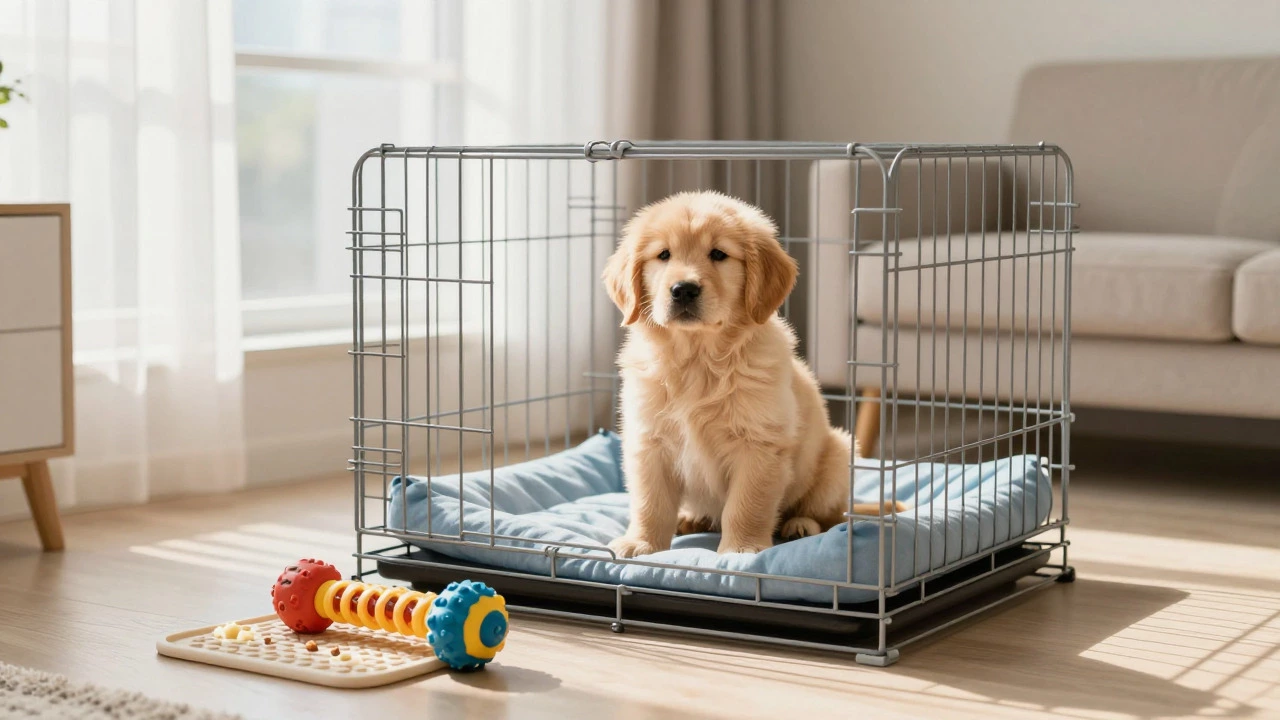
Many people hate the word "crate." They imagine a cold metal cage. But done right, a crate is a den. Dogs are den animals; they naturally avoid soiling their sleeping space. This instinct is your best friend during the workday.
To make the crate effective, it must be the right size. If the crate is too big, the puppy will use one corner as a toilet and the other as a bed. Use a divider in a large crate to restrict space to just enough room for standing, turning around, and lying down. As they mature, expand the space.
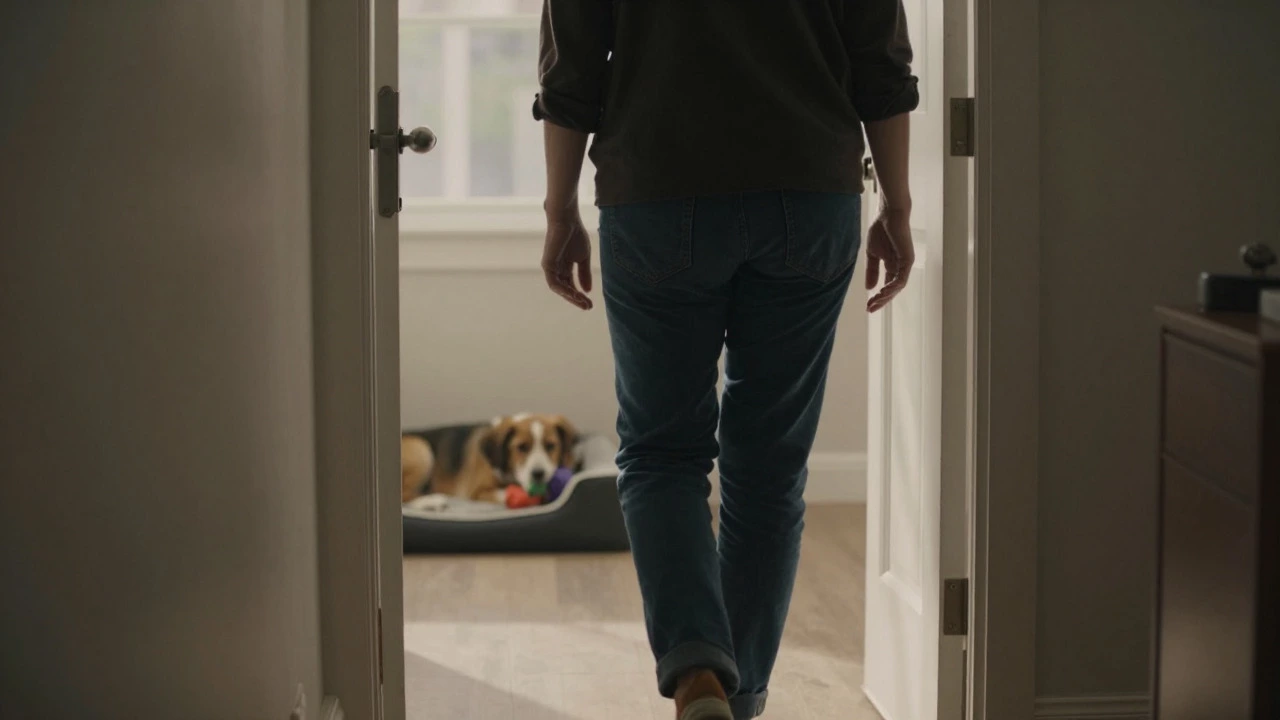
Introduce the crate gradually. Don’t throw them in on day one. Feed them meals inside. Toss treats in there. Let them nap there with the door open. By the time you leave for work, the crate should feel like a VIP lounge, not a timeout zone. When you leave, keep the environment calm. No goodbyes. No hellos. Just slip out the door. This reduces the emotional spike that triggers separation anxiety.
Selecting the Right Puppy Toys for Solo Play
This is where Puppy Toys become critical tools. When you’re gone, your puppy needs stimulation that mimics hunting or foraging. Regular plush toys get destroyed in seconds. You need durable, interactive options that engage their brain.
| Toy Type | Purpose | Durability Level | Example Brands/Types |
|---|---|---|---|
| Lick Mats | Calm nervous energy, slow eating | High (if supervised) | Outward Hound, Kong Lick Mat |
| Freeze-Dried Treat Dispensers | Mental stimulation, foraging | Very High | Kong Classic, West Paw Toppl |
| Rubber Chew Toys | Teething relief, jaw strength | High | Nylabone, Goughnuts |
| Plush Squeaky Toys | Comfort, prey drive | Low (Supervise!) | ZippyPaws, Kongs |
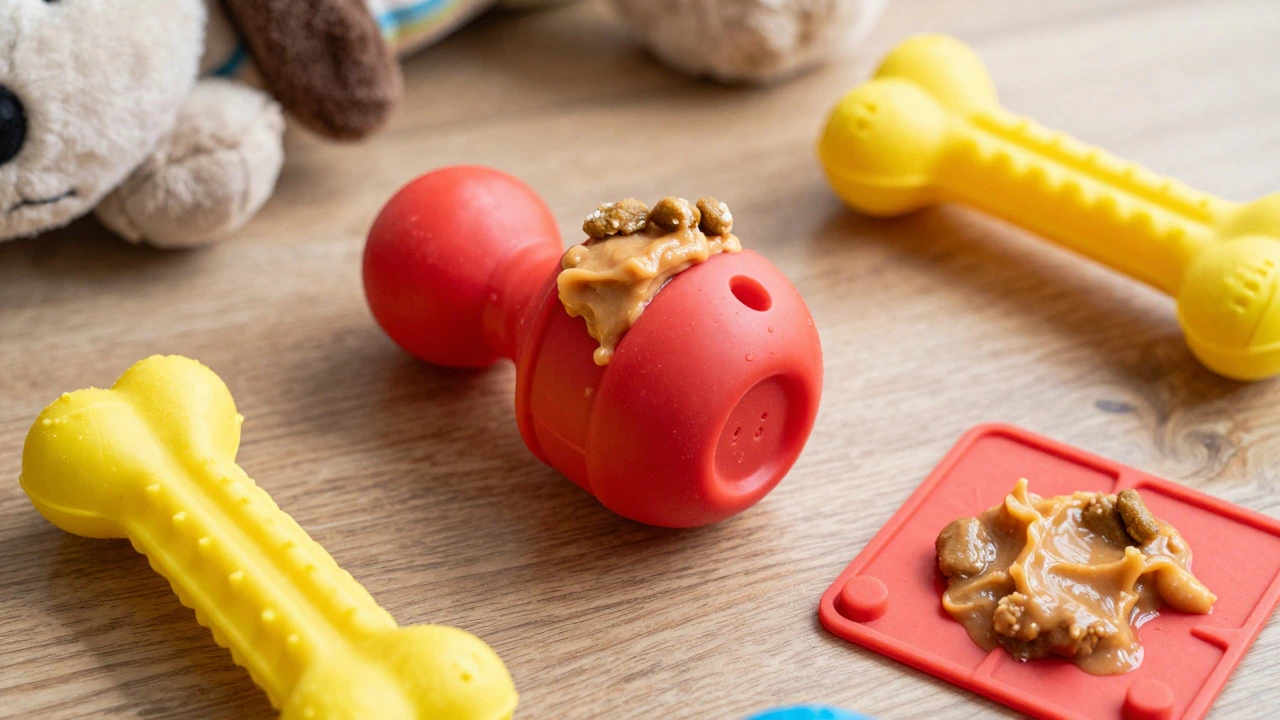
Interactive feeders are the gold standard for solo time. Take a sturdy rubber toy like a Kong. Stuff it with kibble, add a dollop of peanut butter (xylitol-free!), and freeze it overnight. This creates a puzzle that can occupy a puppy for thirty to forty-five minutes. That’s half an hour of quiet time where they are working, not worrying.
Lick mats are another game-changer. Spread wet food or yogurt on the textured surface and let them lick. Licking releases endorphins in dogs, acting as a natural sedative. It’s perfect for puppies who get anxious when the house goes quiet. Rotate these toys daily. If they see the same toy every day, they’ll lose interest. Keep a stash of different textures and shapes to maintain novelty.
Creating a Boredom-Free Environment
Toys alone aren’t enough. You need to manage their physical energy before you leave. A tired puppy is a good puppy. Take them for a brisk walk or a vigorous play session immediately before you head to work. Aim to drain 80% of their energy tank. If they are still zooming around the living room, they weren’t tired enough.
After the exercise, give them their frozen Kong or lick mat. Then, settle them into their crate or safe pen. The sequence is crucial: Exercise → Meal/Enrichment → Rest. This mimics the natural cycle of hunt-eat-sleep. If you skip the exercise, the enrichment toy becomes a distraction rather than a satisfying activity.
Consider using baby gates to create a "puppy-proofed" zone if you prefer free-roaming over crating. Remove all cords, shoes, and toxic plants. Provide a comfortable bed and a few rotation toys. However, for most young puppies, confinement is safer because it limits destructive options. If they destroy a curtain, it’s a minor issue. If they eat a piece of drywall, it’s an emergency vet visit.
Managing Separation Anxiety
Some puppies struggle beyond boredom. They whine, bark, or pace excessively. This is separation anxiety. It’s an emotional disorder, not just a behavioral quirk. Signs include drooling, panting, or self-harm when left alone.
To mitigate this, practice short departures. Leave for five minutes. Come back. Leave for ten. Gradually increase the time. Never punish the whining; it amplifies the stress. Instead, desensitize them to your departure cues. Pick up your keys, put on your shoes, then sit back down. Do this randomly throughout the day. This teaches them that your keys don’t always mean "forever goodbye."
Leave something with your scent. An unwashed t-shirt on their bed can provide comfort. Calming pheromone diffusers, available at most pet stores in NZ, can also help reduce ambient stress levels in the home. If anxiety persists despite these efforts, consult a certified dog trainer or veterinarian. Medication may be necessary for severe cases, and there’s no shame in that.
The Return Home: Keeping It Low-Key
How you come home matters as much as how you leave. If you greet your puppy with a screaming, hugging, jumping celebration, you validate their anxiety. You’re telling them, "Wow, I’m so happy to see you because we were apart for so long!" Instead, ignore them for the first five minutes. Walk in, put your things away, and wait for them to calm down. Then, offer a gentle greeting. This reinforces calm behavior and shows them that comings and goings are normal, uneventful parts of life.
Finally, remember that puppyhood is temporary. The intense training and management required now will pay off in a well-adjusted adult dog. It takes patience, consistency, and the right tools-especially those durable, brain-engaging toys. But the reward is a companion who trusts you and feels secure, even when you’re not in the room.
How long can a 4-month-old puppy stay alone?
A 4-month-old puppy can typically hold their bladder for about 5 hours. However, for mental well-being, it is recommended not to exceed 4-5 hours without a break. If you work longer hours, a mid-day dog walker is essential to prevent accidents and reduce anxiety.
What is the best toy for a puppy left alone?
The best toys are durable, interactive feeders like the Kong Classic or West Paw Toppl. Stuff them with kibble and peanut butter, then freeze them. These toys provide mental stimulation and can keep a puppy occupied for 30-45 minutes, reducing boredom and destructive behavior.
Should I crate my puppy while at work?
Yes, if properly trained. Crates provide a safe, den-like environment that prevents destructive chewing and helps with house training. Ensure the crate is the correct size (just enough room to stand and turn) and introduce it positively with treats and meals before using it for long periods.
How do I stop my puppy from crying when I leave?
Practice gradual desensitization. Start by leaving for very short periods (seconds to minutes) and slowly increase the duration. Ignore your puppy upon return to avoid reinforcing anxious greetings. Ensure they are exercised before you leave and have a calming activity, like a lick mat, ready for them.
Is it cruel to leave a puppy alone all day?
Leaving a young puppy (under 6 months) alone for 8+ hours daily is generally considered stressful and potentially cruel due to bladder limitations and social needs. It is highly recommended to hire a dog walker for a mid-day break or arrange for someone to check on them to ensure their physical and emotional health.