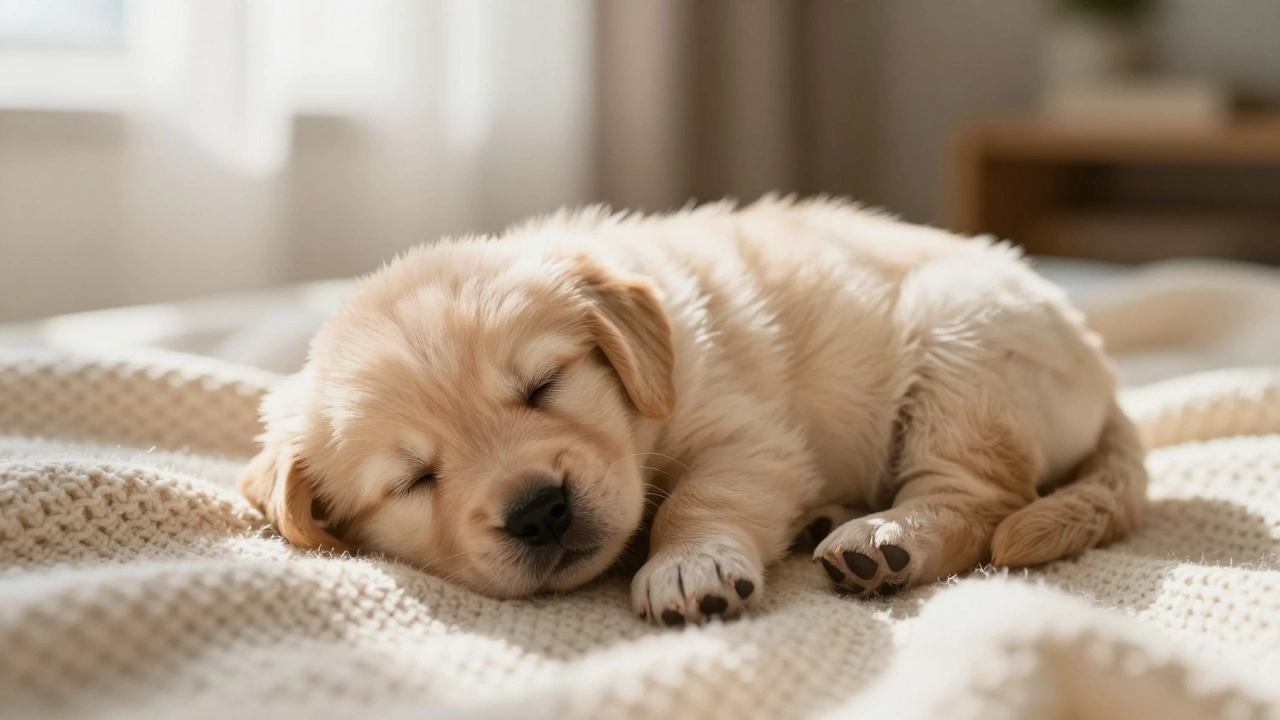
Puppy Sleep Requirement Calculator
Recommended Rest:
Critical for memory consolidation and learning commands.
Deep sleep triggers the release of essential growth hormones.
Sleep helps produce cytokines to fight off infections.
Quick Takeaways for Puppy Parents
- Puppies spend up to 20 hours a day sleeping to support brain and body growth.
- Abruptly waking a dog can cause "sleep startle," leading to biting or snapping.
- Sleep is when memories are consolidated; interrupting it can hinder training progress.
- Physical growth and immune function rely on deep, uninterrupted REM cycles.
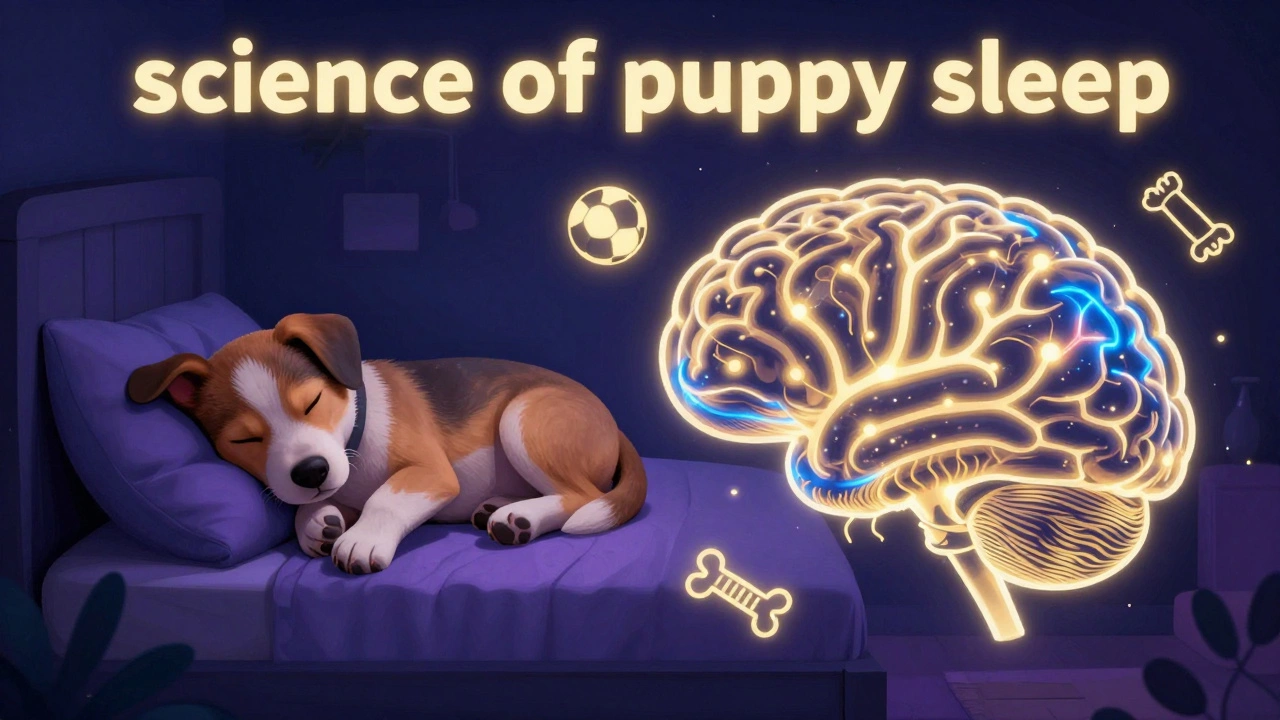
The Science of the Puppy Brain and Sleep
When a puppy sleeps, their brain is working overtime. Puppy development is the biological process where a young dog's neurological and physical systems mature through rapid growth and learning. During this phase, they need significantly more rest than adult dogs. While a grown Labrador might be fine with 12 hours of sleep, a 10-week-old pup often needs 18 to 20 hours.
Much of this happens during REM Sleep (Rapid Eye Movement). You can tell a puppy is in REM when their eyelids flicker or their legs kick. This is the "dreaming" stage. This is where the brain processes everything they learned during the day-like the difference between a shoe and a chew toy. If you wake them during this stage, you are essentially hitting the pause button on their education. If they were just learning how to navigate the living room, that memory is being "saved" in the brain right now. Interrupting it can leave them feeling disoriented and grumpy.
The Danger of the "Sleep Startle"
Have you ever been jolted awake by a loud noise and felt an instant surge of panic? Puppies experience this even more intensely. It is often called the "sleep startle" reflex. Because puppies have less impulse control than adult dogs, their reaction to being woken up abruptly isn't usually a polite yawn; it is a reflexive snap.
If you touch a puppy while they are in a deep sleep, they might wake up not knowing where they are or who you are for a split second. Their brain defaults to a survival mechanism. This can lead to a "nip" or a bite. It isn't aggression-they aren't trying to be mean-it is a biological reaction. For a puppy practicing Bite Inhibition, which is the ability to control the force of their jaw, these accidental nips can be a setback. Instead of teaching them to be gentle, you are accidentally triggering their predatory or defensive instincts.
Growth Hormones and Physical Repair
Sleep isn't just for the head; it is for the whole body. Growth Hormone is primarily released during deep sleep. This hormone is essential for building muscle, repairing tissues, and developing the skeletal system. When a puppy is deprived of deep sleep or frequently woken up, their body cannot efficiently produce these hormones.
Furthermore, the Immune System relies on sleep to produce cytokines, which are proteins that help the body fight off infections and inflammation. A puppy that is constantly interrupted during their naps may be more susceptible to common puppy ailments or take longer to recover from vaccinations. If you see your pup sleeping for hours on end, resist the urge to "get them moving." Their body is literally building itself while they snooze.
How Sleep Affects Your Training Progress
You might think that by waking your puppy, you are creating more time for training. In reality, you are doing the opposite. A tired puppy is an unruly puppy. When a dog's sleep is fragmented, they become hyper-irritable, which leads to a phenomenon often called the "zoomies" or an "overtired meltdown."
When a puppy is overtired, their ability to focus vanishes. You will find that a pup who has had a full, uninterrupted nap will follow a "sit" command in two seconds, while a pup you woke up early will spend ten minutes chewing on your laces and ignoring you completely. The sleeping puppy is actually a puppy in training. The sleep allows the brain to reorganize information and strengthen the neural pathways required for obedience.
| Feature | Uninterrupted Sleep | Frequent Interruptions |
|---|---|---|
| Emotional State | Calm, receptive, and happy | Irritable, "nippy," and anxious |
| Learning Ability | High memory retention | Difficulty focusing on commands |
| Physical Growth | Optimal hormone release | Potential growth disruptions |
| Behavior | Predictable patterns | Frequent "zoomies" and meltdowns |
The "Let Sleeping Dogs Lie" Protocol
So, how do you handle your puppy's sleep without feeling like you're ignoring them? The best approach is to let them wake up on their own. If you absolutely must wake them-perhaps for a scheduled potty break to avoid an accident-do it gently. Avoid touching them suddenly. Instead, use your voice first. Call their name softly from a few feet away. This gives their brain time to transition from a deep sleep state back to alertness.
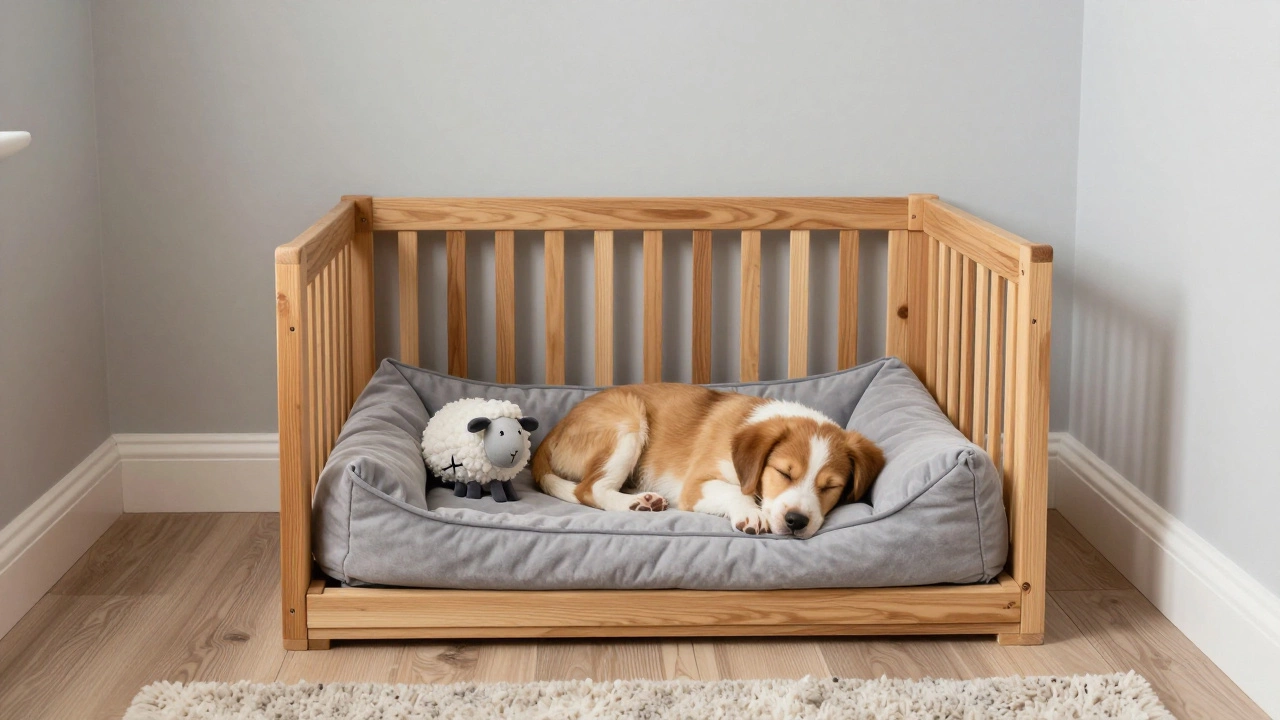
It also helps to create a dedicated Safe Space, such as a crate or a specific bed in a quiet corner. When the puppy is in this spot, it should be a "no-touch zone." This teaches the puppy that when they are in their bed, they are safe and won't be disturbed, which actually helps them fall into a deeper, more restorative sleep faster.
When Should You Be Concerned?
While lots of sleep is normal, there is a difference between a healthy nap and lethargy. If your puppy is sleeping more than usual and refuses to wake up for food, water, or play, or if they seem weak when they do wake up, this is not normal sleep. Lethargy can be a sign of Parvovirus or other systemic infections. If their gums are pale or they have a fever, stop worrying about waking them and start calling your vet.
Why does my puppy twitch and make noise in their sleep?
This is usually a sign of REM sleep. Your puppy is likely dreaming about chasing a ball or playing with siblings. These movements are normal and indicate that their brain is processing the day's experiences. It is best not to wake them during this phase to avoid startling them.
How many hours should a puppy actually sleep?
Most puppies under six months need between 18 and 20 hours of sleep per day. This is split between long deep sleeps and several shorter naps throughout the day. As they grow older, this will gradually decrease to 12-14 hours.
Is it okay to wake them up for potty training?
Yes, it is often necessary to wake a puppy to prevent accidents, especially at night. However, do it gently. Use your voice first and avoid sudden physical movements or loud noises that could trigger a startle reflex.
What is a "sleep startle" and why is it dangerous?
A sleep startle is an involuntary reaction where a dog wakes up in a state of panic. Because puppies have lower impulse control, this often manifests as a quick snap or bite. It isn't an act of aggression, but a reflexive survival instinct.
Can I wake my puppy if I'm worried they've slept too long?
If the puppy is simply napping, let them be. However, if they are unresponsive to gentle calls, won't wake for food, or seem unusually lethargic, this could be a medical issue. In those cases, you should attempt to wake them and contact a veterinarian immediately.
Next Steps for Your Puppy's Routine
To ensure your pup gets the rest they need, try implementing a strict sleep schedule. Puppies thrive on predictability. If they know that 2:00 PM is always nap time, their bodies will naturally wind down, making the transition to sleep easier and the sleep itself deeper.
If you find your puppy struggling to settle, look into white noise machines or a heartbeat sheep toy. These tools mimic the environment of a litter, helping them feel secure enough to enter those critical REM stages without anxiety. By respecting their sleep, you are investing in a calmer, smarter, and healthier adult dog.