Puppy Bladder Control & Nighttime Routine Calculator
Enter Puppy Details
Bladder Capacity Estimate
Recommended Nighttime Routine
💡 Pro Tip
Expected Wake-Up Times
If your puppy goes out right before bed, they may need breaks at:
Enter your puppy's details to get started
We'll calculate their bladder capacity and create a personalized nighttime routine
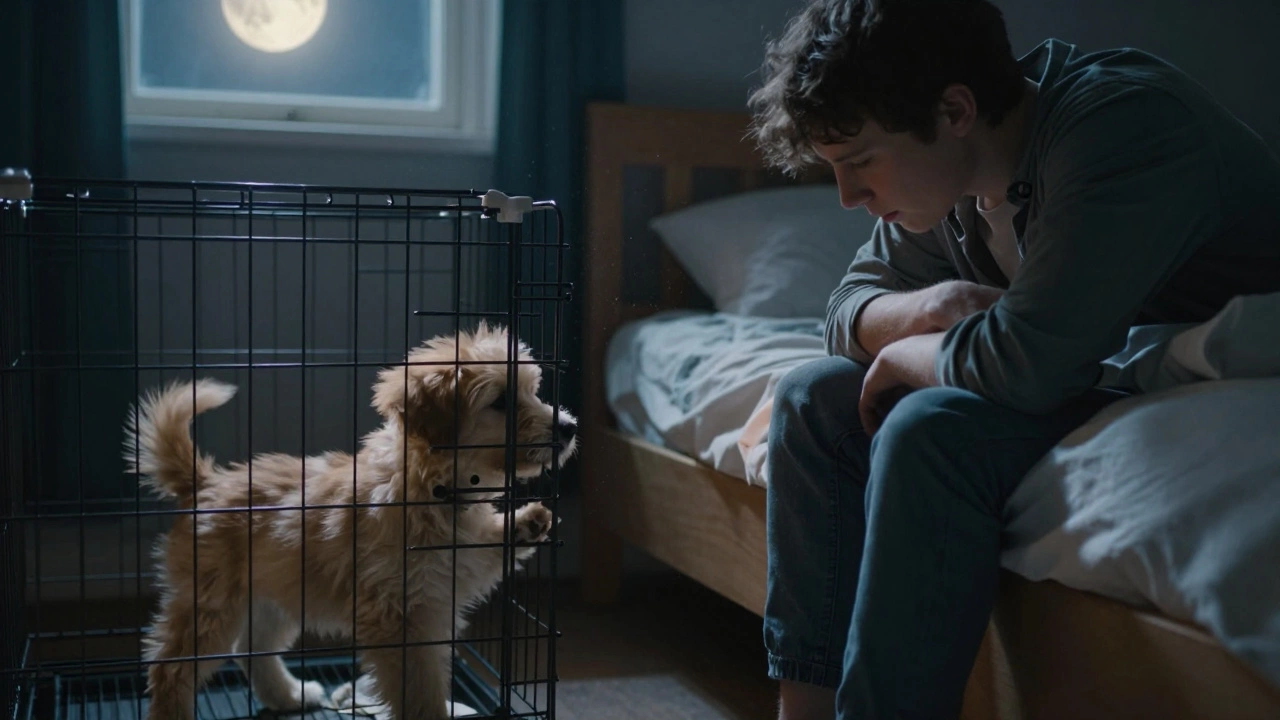
It’s 3:00 AM. You’re dead asleep. Then you hear it-the frantic scratching at the crate door, followed by a soft whine that cuts through your dreams like a knife. You groggily get up, hoping for the best, but find a warm puddle on the floor. It happens to almost every new dog owner. The frustration is real, but here is the truth: your puppy isn’t being difficult or trying to spite you. They simply lack the physical ability to hold their bladder.
Understanding puppy bladder control is less about discipline and more about biology. A puppy’s sphincter muscles are undeveloped, and their bladders are tiny. Trying to force them to hold it longer than their body allows is like asking a toddler to run a marathon. The good news? This phase ends. With patience and a solid routine, you can predict exactly when your pup will be ready to sleep through the night without an accident.
The Math Behind Puppy Bladder Control
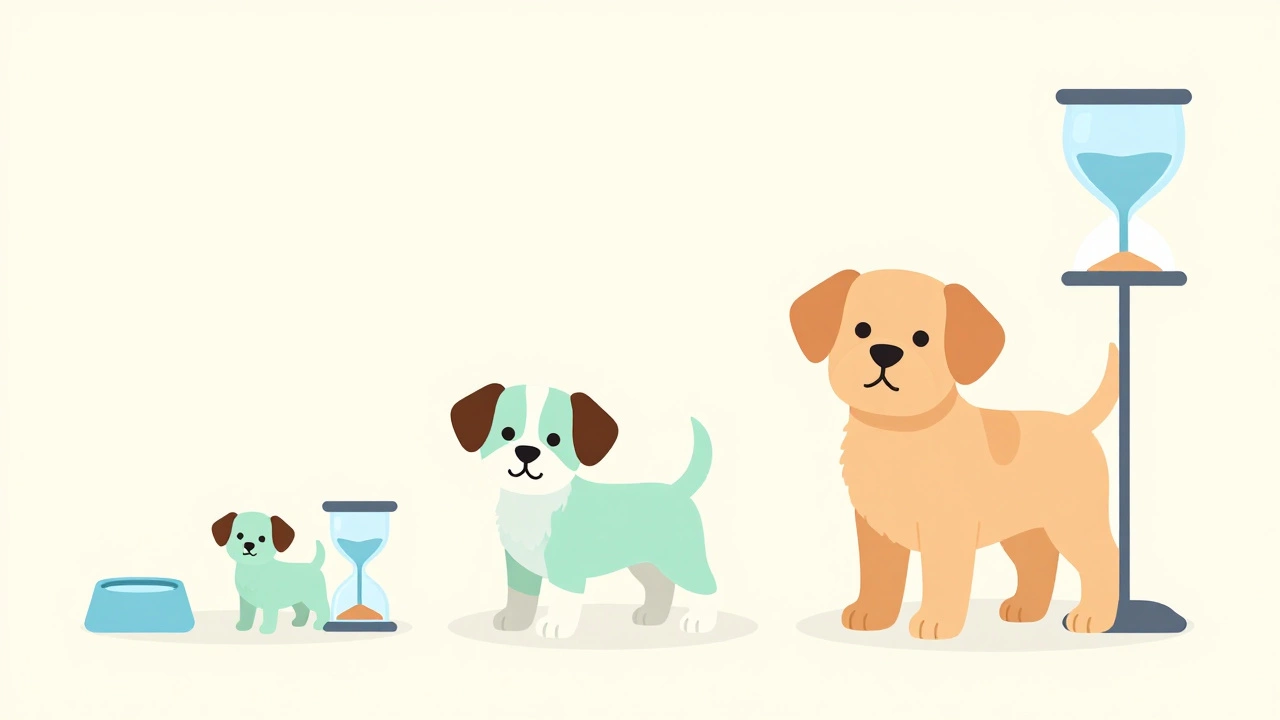
You’ve probably heard the rule of thumb: one hour of bladder control for every month of age. While this is a helpful starting point, it needs some nuance, especially regarding nighttime hours. During the day, a puppy might manage slightly longer intervals if they are distracted by play or food. At night, however, their metabolism slows down, which helps, but their small capacity remains the limiting factor.
Let’s break down what this looks like in practice:
- 8 weeks old: Expect them to hold it for roughly 2 hours. This means if they go out right before bed, they may need a break around midnight or even earlier.
- 12 weeks (3 months): They can typically hold it for about 3 hours.
- 4 months old: Most puppies can manage 4 hours. This is often the turning point where many owners start seeing longer stretches of sleep.
- 6 months old: By this age, most dogs can hold it for 6 hours, which covers a significant portion of the night.
- 12 months old: Adult dogs can generally hold it for 8-10 hours, though comfort usually dictates going out sooner.
Keep in mind that these numbers are maximums. If your puppy is drinking water heavily during the day or has eaten a large meal late in the evening, their need to go will come faster. Small breeds, like Chihuahuas or Yorkies, often have smaller bladders relative to their body size compared to larger breeds like Labs or Goldens, so they might take a bit longer to master overnight holding.
Why Some Puppies Wake Up Earlier Than Expected
If your four-month-old puppy is still waking you up at 2 AM, something else is likely at play. It’s rarely just about bladder capacity at that stage. Here are the common culprits:
| Reason | What’s Happening | The Fix |
|---|---|---|
| Late Water Intake | Puppy drinks freely until bedtime, filling the bladder instantly. | Remove water bowl 2 hours before bed. |
| Excitement/Boredom | Puppy wakes up wanting attention or play, not necessarily to pee. | Ignore whining unless urgent; keep outings boring. |
| Crate Too Large | Puppy pees in one corner and sleeps in the other. | Use a divider to limit space to just enough for standing/turning. |
| Dietary Issues | Food causes loose stools or increased urination. | Switch to high-quality kibble; avoid table scraps. |
One major mistake owners make is letting the puppy run around and play after the last bathroom break. If your pup is zooming around the house or playing tug-of-war right before bed, their adrenaline is high, and they won’t fully empty their bladder. They need calm, focused potty trips. Walk them on a leash, use a cue word like “go potty,” wait for them to finish, offer a quiet praise, and then straight to the crate. No play. No fuss.
Setting Up the Perfect Nighttime Routine
Consistency is your best friend here. Dogs thrive on predictability. If you want your puppy to sleep through the night, you need to engineer their evening to support that goal. Start winding down activities two hours before your own bedtime. This includes reducing high-energy play and removing the water bowl.
Here is a sample evening routine that works well for most households:
- 6:30 PM: Last meal of the day. Dry kibble is better than wet food as it produces less waste volume.
- 7:00 PM: Final potty break. Make sure they actually go.
- 7:30 PM - 9:00 PM: Calm activities. Gentle petting, chewing a safe toy, or resting. No running.
- 9:00 PM: Remove water bowl. Offer a small sip if they seem thirsty, but don’t let them lap it up.
- 9:30 PM: Final “business only” potty trip. Keep it short and boring.
- 10:00 PM: Into the crate with a comfortable bed and perhaps a piece of your worn clothing for scent comfort.
When you wake up in the morning, do not rush. Take them straight outside immediately. Many puppies hold it all night successfully but fail in the first five minutes of freedom because they are excited to see you. Get them out, let them pee, and then start the day.
Managing Accidents Without Stress
Accidents will happen. Even with the best routine, growth spurts, dietary changes, or stress can lead to a slip-up. How you react matters immensely. Never punish a puppy for an indoor accident. They cannot connect the punishment with the action if you catch them in the act, and they certainly can’t understand it if you show them the mess later. Punishment only creates fear and anxiety, which can actually worsen potty training issues.
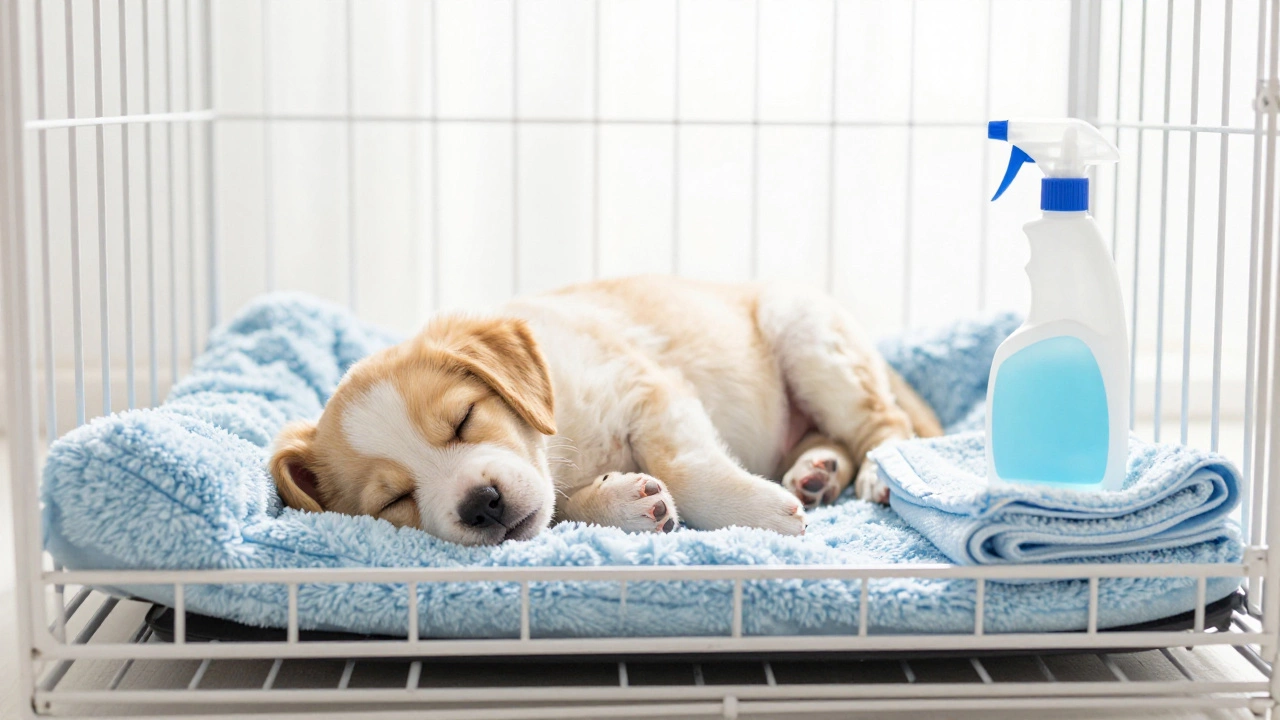
Instead, clean it thoroughly. Use an enzymatic cleaner specifically designed for pet urine. Regular household cleaners often leave behind traces of urea that humans can’t smell but dogs can. If they smell their previous mark, they are likely to reuse that spot. Enzymatic cleaners break down the proteins completely, removing the scent marker.
If you catch them in the act, interrupt them with a neutral noise like a clap or a sharp “uh-oh.” Then immediately take them outside. If they finish outside, praise them calmly. This redirects the behavior rather than punishing the mistake.
Signs Your Puppy Is Ready to Sleep Through the Night
How do you know when you can stop the midnight alarms? Look for these signs:
- No Whining: They sleep deeply and don’t wake up crying or scratching at the crate door.
- Dry Crate: The bedding remains dry for consecutive nights.
- Morning Success: They hold it until your normal wake-up time without accidents.
- Age Milestone: They have reached the 4-6 month mark and are consistently following the hourly rule.
When you see these signs, you can gradually extend the time between breaks. Try pushing the middle-of-the-night break back by 15 minutes each night. Eventually, you can eliminate it entirely. Just be prepared for occasional regressions. Teething, moving houses, or introducing a new family member can cause temporary setbacks. Stay consistent, and the habit will stick.
When to Call the Vet
Sometimes, frequent urination isn’t a training issue-it’s medical. If your puppy seems to strain, cries while peeing, or produces blood in their urine, see a vet immediately. Urinary tract infections (UTIs) are common in young dogs and can mimic behavioral problems. Other conditions like diabetes or kidney issues can also increase thirst and urination frequency. If your puppy is drinking excessive amounts of water despite your restrictions, or if accidents suddenly start happening after a period of success, a health check is warranted.
Can I train my puppy to hold pee longer than their age suggests?
Not really. You can encourage good habits, but you cannot override biology. Forcing a puppy to hold it beyond their physical limit leads to accidents and anxiety. Stick to the "one hour per month of age" rule as a guideline, but always err on the side of letting them go out sooner rather than later.
Should I let my puppy drink water before bed?
You should allow access to water during the day, but remove the bowl 1-2 hours before bedtime. This gives their body time to process the fluid and empty the bladder before sleep. Ensure they have plenty of water available earlier in the evening so they stay hydrated overall.
My puppy pees when I pick them up. Why?
This is often called "submissive urination." It’s an involuntary response triggered by excitement, fear, or submission. It’s not a bladder control issue. To fix it, greet your puppy calmly on the ground, avoid direct eye contact initially, and don’t pick them up immediately upon greeting. As they gain confidence, this behavior usually fades.
How long does it take for a puppy to sleep through the night?
Most puppies start sleeping through the night (defined as 6-8 hours) between 4 and 6 months of age. However, some smaller breeds may take longer, while larger breeds might achieve it slightly earlier. Consistency in routine speeds up this process significantly.
Is it okay to use pee pads indoors?
Pee pads can be useful for apartment dwellers or during extreme weather, but they can confuse puppies who are learning to go outside. Dogs associate soft textures with toileting, so they might try to pee on rugs or carpets. If you use pads, keep them in a specific area far from the sleeping zone and transition to outdoor-only as soon as possible.