Puppy Schedule & Potty Planner
Ready to Plan?
Enter details aboveClick "Generate Schedule" to see your personalized plan based on the "First 48 Hours" guidelines.
It is 11:30 PM. You just brought home your new puppy. He looks adorable, but he is also whining, scratching at the door, and looking at you with wide, confused eyes. Your heart is racing. You have read the books, bought the expensive gear, and prepared the perfect room, but now that the moment is here, you are wondering if you made a mistake. This anxiety is completely normal. In fact, it is the most common feeling among first-time dog owners.
The first two days are not about teaching complex tricks or establishing a rigid routine yet. They are about safety, comfort, and building trust. If you get these basics right, everything else becomes easier. If you rush or stress out, you might create behavioral issues that take months to fix. Here is exactly what you need to do in the first 48 hours to set your puppy up for success.
Setting Up the Safe Zone
Before you even bring the puppy through the front door, you need a designated "safe zone." Puppies feel overwhelmed by large spaces. A huge living room or an open-concept kitchen can be terrifying for a creature that weighs less than five pounds. You want to restrict their movement initially.
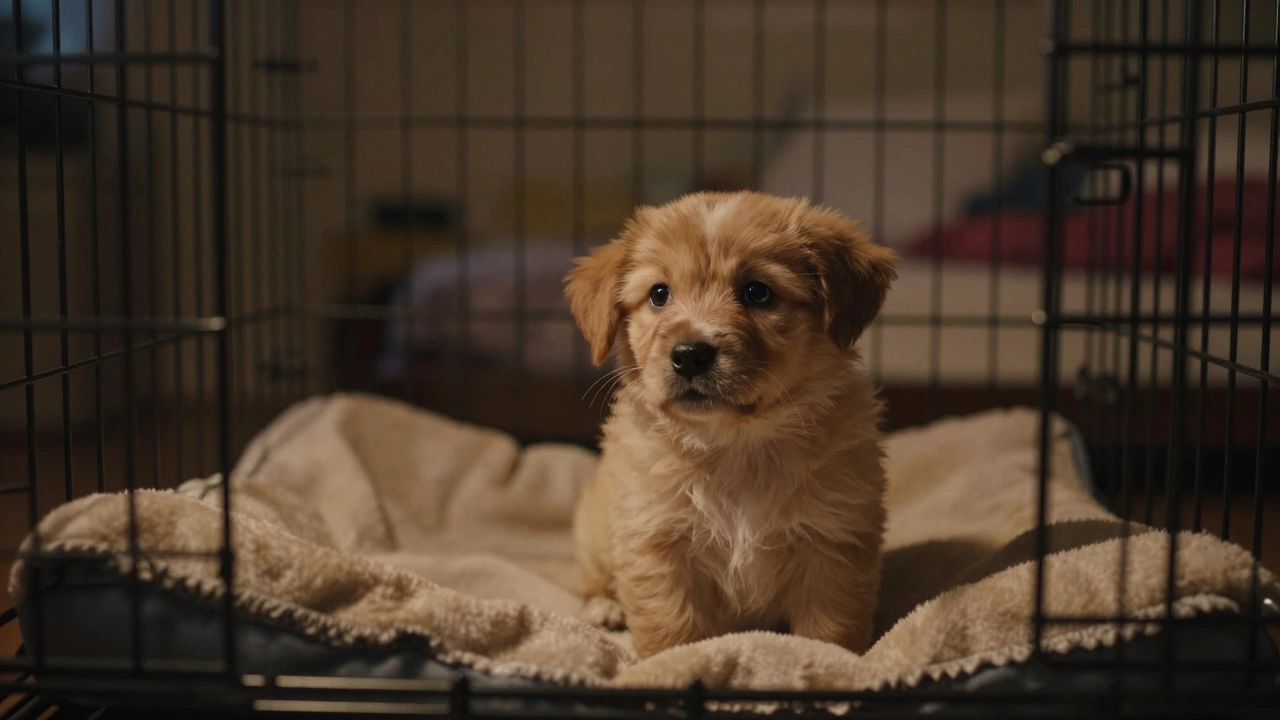
Set up a Crate is a secure, den-like space that provides security and aids in housebreaking in a quiet corner of the house, preferably near your bedroom. Do not put it in a noisy hallway or a busy family room. The crate should be just big enough for the puppy to stand up, turn around, and lie down comfortably. If it is too big, they will use one corner as a toilet and another as a bed, which defeats the purpose.
Line the crate with soft blankets or towels. Avoid fluffy bedding that might trigger chewing instincts. Place a few safe Puppy Toys are durable, non-toxic objects designed for chewing and play to relieve teething pain inside. Look for rubber toys like Kong classics stuffed with peanut butter or frozen yogurt. These provide mental stimulation and soothe sore gums. Keep sharp-edged plastic toys or small plushies away for now; they are choking hazards.
The First Night: Expect Chaos
The first night is rarely peaceful. Most puppies have never been separated from their mother and littermates. They are used to warmth, noise, and constant contact. Suddenly, they are alone in a dark box. They will whine. They might bark. They might cry softly.
Your instinct will be to rush over and pick them up. Resist this urge. If you go in immediately, you teach them that crying gets attention. Instead, wait a minute or two. If the crying continues, place your hand gently on the side of the crate so they can feel your presence without seeing you. Speak softly. Say something boring like, "It's okay, buddy," in a monotone voice. Do not make eye contact or play. You want to be a calm anchor, not a party host.
If the puppy needs to go to the bathroom, take them out immediately. Use a specific phrase like "Go potty" while they are doing it. When they finish, praise them calmly and give a tiny treat, then return them to the crate. No playtime outside. Keep the lights dim and the interaction minimal. You are reinforcing that nighttime is for sleeping, not playing.
Day One: Exploration and Bonding
Morning comes. The sun is up, and your puppy is ready for adventure. Let them out of the crate and take them straight to their designated potty spot. Consistency is key. Take them out every time they wake up, after every meal, and after every play session. Puppies have tiny bladders. A general rule is that they can hold their bladder for one hour per month of age, plus one. So, a 9-week-old puppy can hold it for about two hours max.
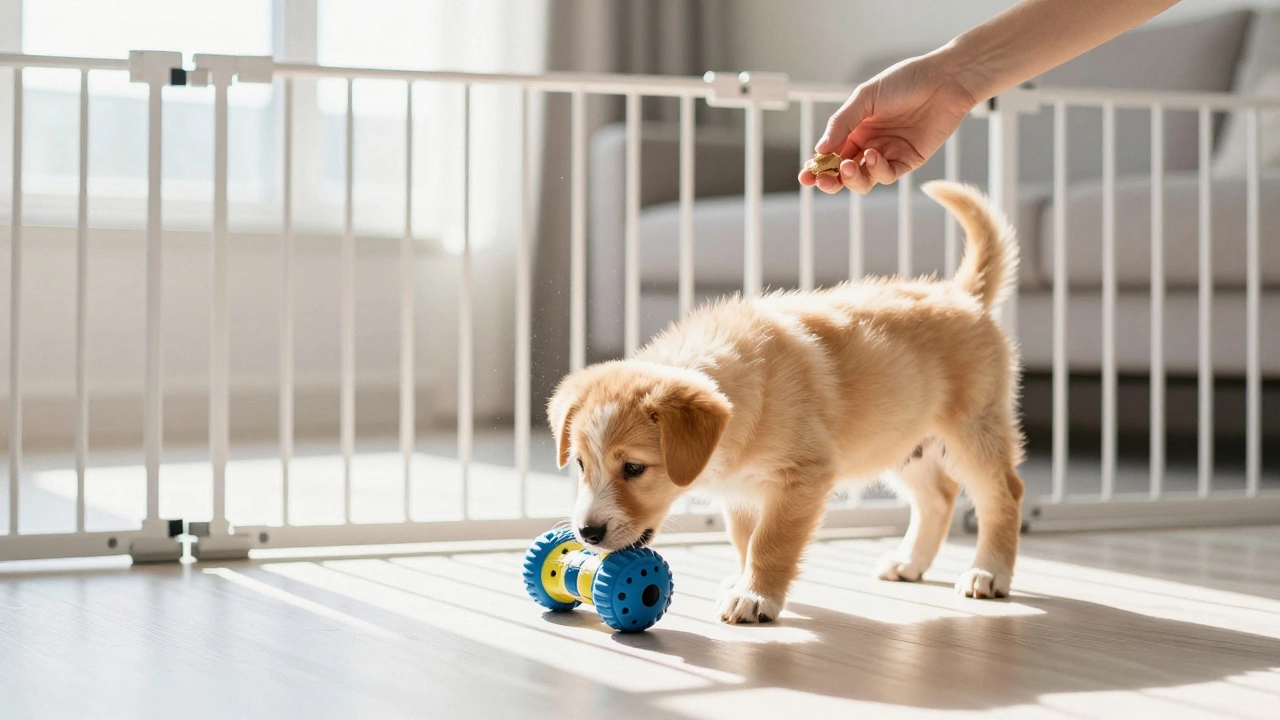
Once they have relieved themselves, let them explore their safe zone. This might be a single room with baby gates installed. Remove any cords, toxic plants, or small objects they could swallow. Introduce yourself as the source of good things. Offer high-value treats for simple behaviors. If they look at you, say "Yes!" and give a treat. This builds the foundation for future training.
Socialization starts now, but keep it low-stress. Do not invite all your friends over for a meet-and-greet. That is overwhelming. Instead, introduce the puppy to one calm person at a time. Let the puppy approach them. Never force a handshake or a hug. Let the puppy sniff hands offered palm-down. Reward gentle behavior. If they nip, yelp loudly (like a sibling would) and walk away for ten seconds. This teaches bite inhibition naturally.
Managing Teething and Chewing
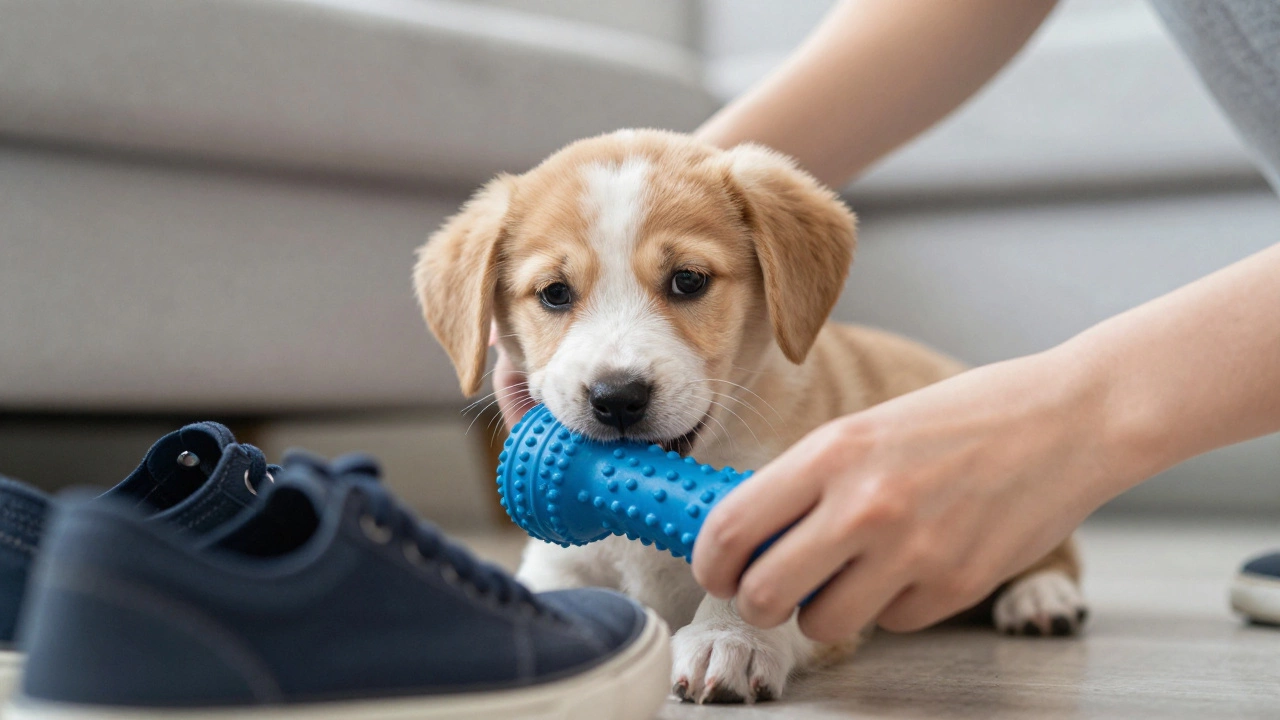
Around three to four months, puppies start teething, but some begin earlier. Their mouths hurt, and they chew to relieve pressure. This is why having the right Chew Toys are hard-textured items that help clean teeth and satisfy the natural urge to gnaw is critical. Rotate their toys every few days to keep interest high. If they only have one toy, they will get bored and find your shoe instead.
Supervise all playtime. If you catch them chewing on something inappropriate, redirect them to a toy. Do not yell. Simply swap the forbidden object for an approved one. When they chew the toy, praise them enthusiastically. Positive reinforcement works faster than punishment. Remember, chewing is a normal canine behavior. Your job is to channel it into acceptable outlets.
Eating and Sleeping Routines
Establish a feeding schedule immediately. Feed your puppy three to four times a day at the same times. This regulates their digestion and makes potty training predictable. Measure their food according to the package guidelines based on their expected adult weight, not their current weight. Overfeeding leads to obesity and joint problems later.
Water should always be available, except perhaps an hour before bedtime to minimize nighttime accidents. Watch their water intake closely. Sudden changes in drinking habits can signal health issues, though in the first few days, increased thirst is often just excitement or adjustment.
Sleep is crucial for development. Puppies sleep up to 18-20 hours a day. Ensure their safe zone is quiet during nap times. White noise machines or fans can help mask household sounds that might wake them. If they wake up crying during the day, check if they need to pee. If not, encourage them to settle back down with a chew toy. Do not entertain them unless it is playtime.
Health Checks and Vet Visits
You should have already visited the vet before bringing the puppy home, but if not, schedule an appointment within the first 48 hours if possible. The vet will check for congenital defects, parasites, and overall health. They will also discuss vaccination schedules. Typically, puppies receive DHPP vaccines at 6, 12, and 16 weeks. Rabies is usually given at 12 weeks or older.
Ask your vet about flea and tick prevention. Even indoor puppies can get fleas if you bring them in on your clothes. Start preventive medication as recommended. Also, discuss microchipping. It is a small procedure that can save their life if they ever escape.
| Item | Purpose | Key Feature to Look For |
|---|---|---|
| Crate | Safety and Housebreaking | Adjustable divider for growth |
| Rubber Chew Toy | Teething Relief | Durable, non-toxic rubber |
| Food Bowl | Feeding | Non-slip base |
| Enzymatic Cleaner | Accident Cleanup | Odor-neutralizing formula |
| Collar and ID Tag | Identification | Breakaway clasp for safety |
Handling Accidents
Accidents will happen. Your puppy will pee on the rug, the carpet, or maybe even your foot. Do not punish them. Rubbing their nose in it does not work; it only creates fear. Puppies do not associate punishment with past actions. They only understand immediate consequences.
Clean accidents thoroughly with an enzymatic cleaner. Regular household cleaners leave behind traces that smell like urine to dogs, inviting them to mark the same spot again. Enzymatic cleaners break down the proteins in urine, removing the scent entirely. If you catch them in the act, interrupt with a sharp "Ah-ah" and quickly take them outside. Praise them when they finish outside.
Building Trust Through Play
Play is how puppies learn. It is also how they bond with you. Engage in short, frequent play sessions. Tug-of-war is great if you establish rules: no biting skin, drop on command. Fetch is excellent for teaching impulse control. Teach them to sit before throwing the ball. This reinforces that good things come after listening to you.
Use Interactive Toys are toys that require problem-solving to access treats, stimulating mental activity like puzzle feeders. These tire out their brains, which is just as tiring as physical exercise. A mentally exhausted puppy is a well-behaved puppy. Rotate these toys daily to maintain novelty.
When to Seek Help
Watch for signs of illness. Lethargy, vomiting, diarrhea, or refusal to eat for more than 24 hours are red flags. Contact your vet immediately. Parvovirus is a serious risk for unvaccinated puppies. Symptoms include severe vomiting and bloody diarrhea. Early treatment is critical.
Behavioral issues like excessive aggression or extreme fearfulness should also be addressed early. Consult a certified professional dog trainer or a veterinary behaviorist. Do not rely on internet advice for severe behavioral problems. Professional guidance can prevent escalation.
Should I let my puppy sleep in my bed?
Most trainers recommend against co-sleeping in the first few weeks. It disrupts housebreaking because you won't hear them signaling they need to go out. It can also lead to separation anxiety later. However, if you choose to do it, ensure the puppy has a clear path to the bathroom and that you are comfortable with the potential long-term implications for independence.
How many times a day should I feed my puppy?
Feed puppies under six months old three to four times a day. This frequent schedule prevents hypoglycemia (low blood sugar), which is common in small breeds. As they grow, you can transition to twice-daily meals. Always follow the feeding guidelines on the food packaging, adjusted for your puppy's size and activity level.
What if my puppy cries all night?
Crying is normal for the first few nights. Check if they need to pee. If not, try placing a ticking clock or a radio on low volume near the crate to mimic the sound of a heartbeat or littermates. You can also place a warm (not hot) water bottle wrapped in a towel in the crate. Avoid picking them up unless necessary, as this reinforces the crying behavior.
Can I take my puppy outside for walks?
Avoid public places like parks or sidewalks until your puppy has completed their initial vaccination series, typically around 16-18 weeks. Walking on private property or in your yard is fine. Exposure to dirty environments poses a risk of parvovirus and other diseases. Focus on socialization with vaccinated, friendly dogs in controlled settings instead.
How do I stop my puppy from nipping?
Nipping is normal teething behavior. Yelp loudly when they bite your skin to simulate a sibling's reaction. Then withdraw attention for 10-15 seconds. Redirect them to a chew toy. Praise them when they chew the toy. Consistency is key. Never hit or yell aggressively, as this can cause fear-based aggression.