Dog Collar Risks: Hidden Dangers and Safer Alternatives
When you think of a dog collar, a device worn around a dog’s neck for identification or control. Also known as neck collar, it’s meant to keep your dog secure—but too often, it’s doing the opposite. Many collars, especially breakaway ones, snap open too easily, letting your dog slip away at the worst moment. Others, like choke or prong collars, put pressure on the neck, risking trachea damage, nerve issues, or even eye pressure in sensitive breeds. This isn’t just about convenience—it’s about safety.
The real problem? Most owners don’t realize how often collars fail. A breakaway collar, a safety collar designed to release under pressure might save your dog from getting caught on a fence, but it can also vanish during a walk if the clip is too weak. And if your dog pulls hard on a traditional collar, they’re not just learning to walk better—they’re risking injury. That’s why many vets and trainers now recommend a harness, a supportive gear that distributes pressure across the chest and shoulders instead. Harnesses reduce neck strain, give you better control, and don’t rely on a single buckle to keep your dog safe. For dogs that pull or react to other animals, a quick-release buckle, a sturdy, one-handed fastener that won’t pop open unexpectedly is a smarter choice than a flimsy plastic clasp.
It’s not just about the collar itself—it’s about how it’s used. A collar that’s too tight can cause skin sores. One that’s too loose can slip over the head. And if your dog is a escape artist, even the best collar won’t help if you’re not pairing it with proper training. The posts below cover exactly what you need to know: why breakaway collars might be doing more harm than good, what harnesses actually work, and how to pick a collar that keeps your dog safe without risking their health. You’ll find real advice from owners who’ve been there, and practical fixes that don’t cost a fortune. No fluff. Just what works.
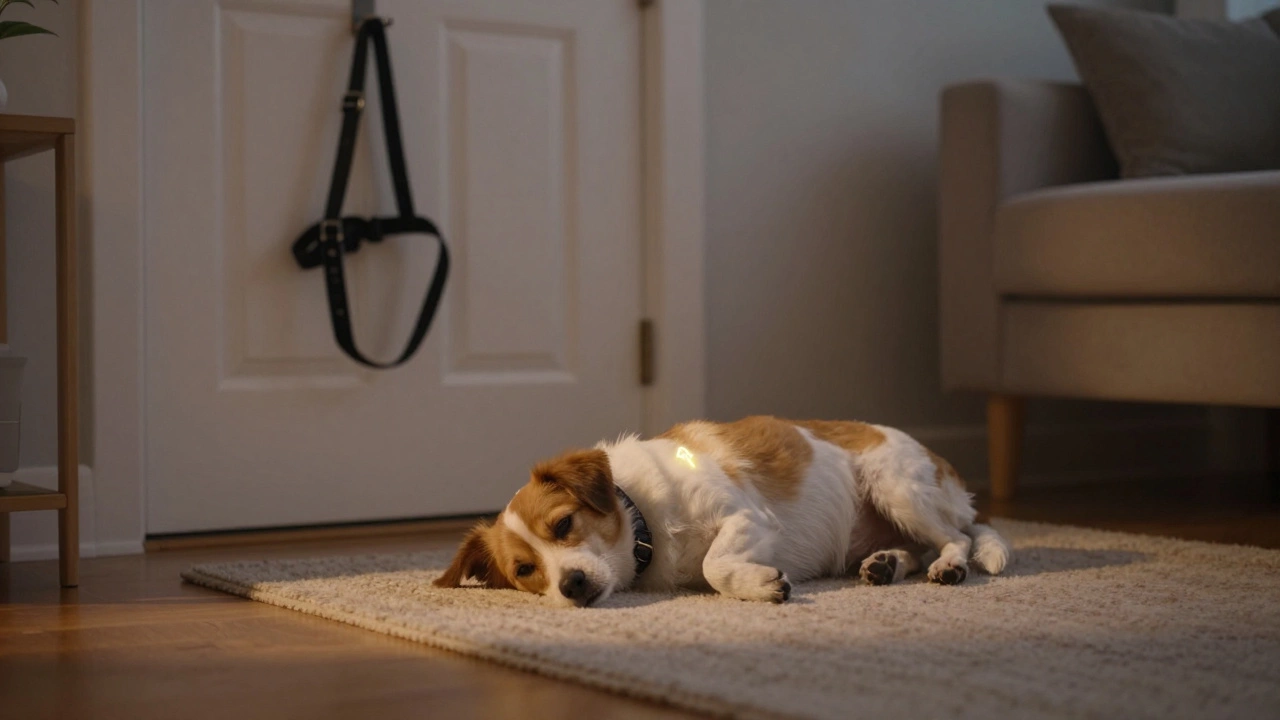
Should Dogs Wear Collars in the House? Safety, Comfort, and Practical Tips
Should dogs wear collars inside? Learn the real risks of indoor collars, why microchips are safer, and how to keep your dog protected without putting them in danger at home.
View more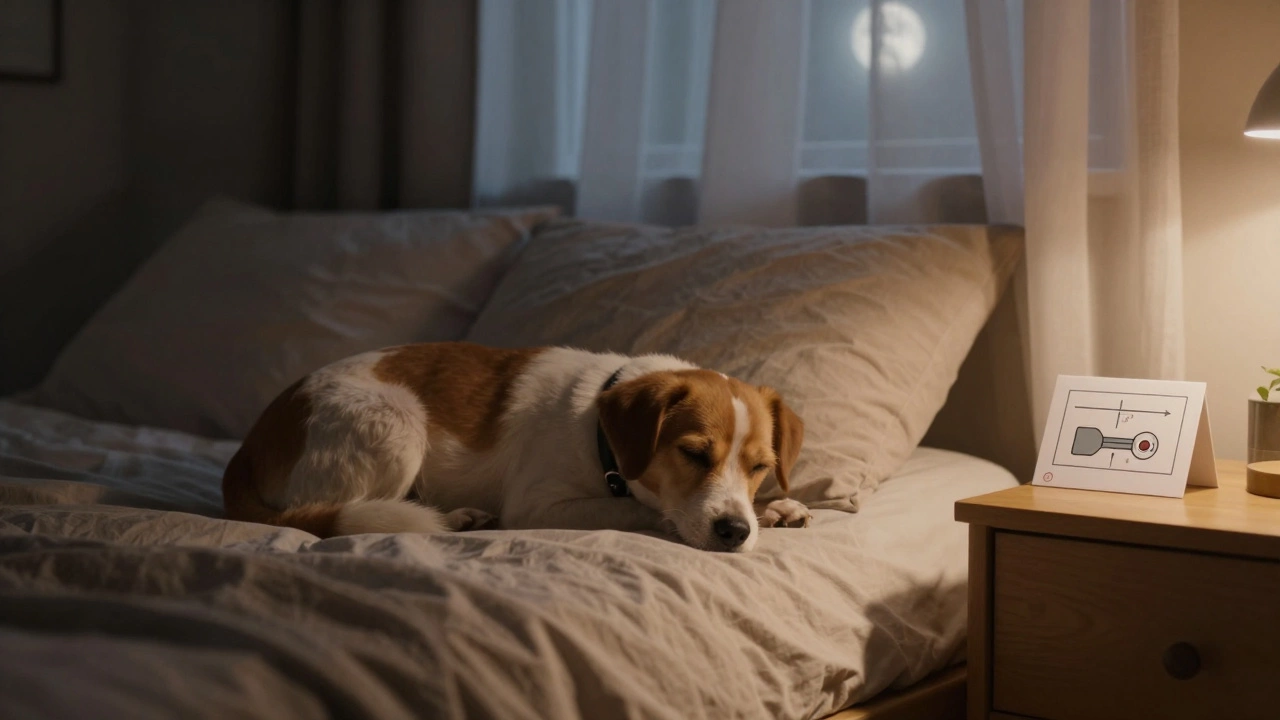
Should You Remove Your Dog's Collar at Night? Safety, Comfort, and Expert Tips
Should you remove your dog's collar at night? Learn the risks of overnight wear, why microchips are safer, and expert tips for keeping your dog protected without the collar.
View more