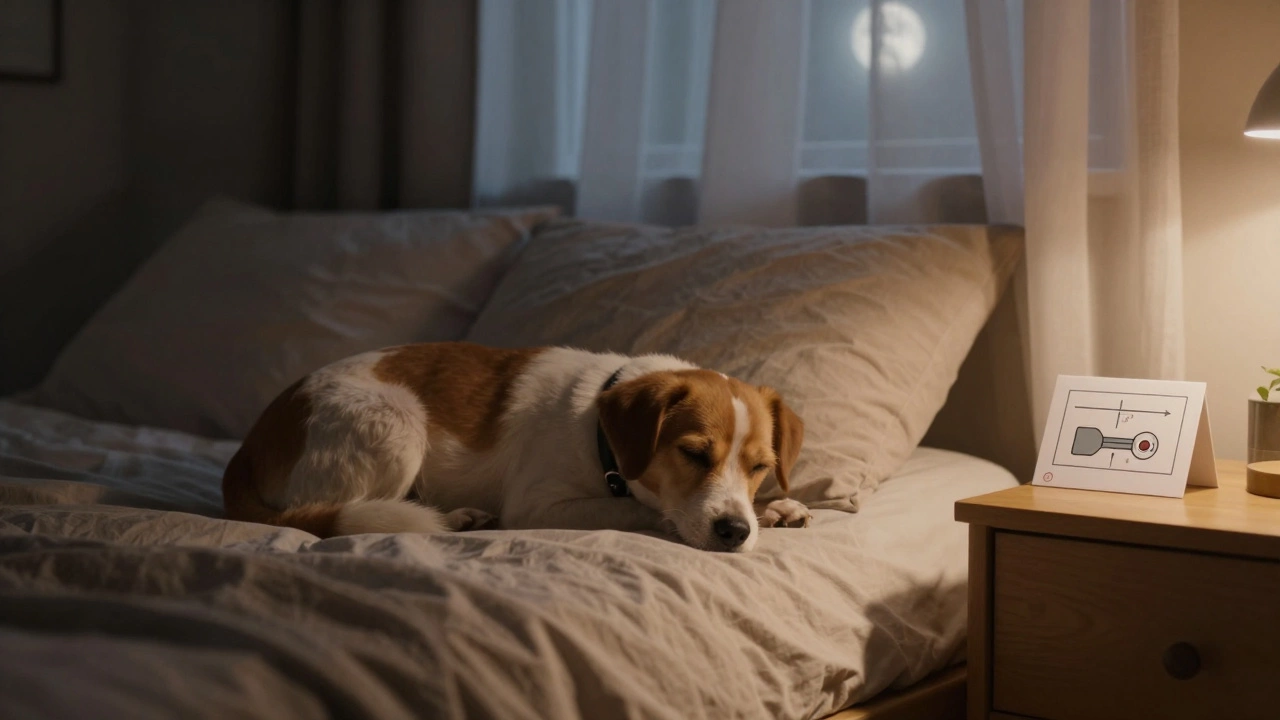
Dog Collar Night Decision Tool
Many dog owners wonder if they should take off their dog’s collar at night. It seems like a simple question, but the answer isn’t one-size-fits-all. Your dog’s collar isn’t just a place to hang tags-it’s part of their safety, identity, and sometimes even their comfort. But leaving it on all night? That can come with risks. Let’s break down what really matters when deciding whether to remove your dog’s collar after dark.
Why Dogs Wear Collars in the First Place
Dogs wear collars for practical reasons: identification tags, leash attachment, and sometimes medical alerts. If your dog has a rabies tag, license, or microchip registration info, that collar is their first line of defense if they ever get lost. A 2023 study from the American Veterinary Medical Association found that dogs with visible ID tags are more than twice as likely to be returned home compared to those without. That’s not just a statistic-it’s a real-life safety net.
But at night, when your dog is safely inside, those tags don’t serve a purpose. No one’s out looking for them. No one’s calling their name. So why keep it on?
The Hidden Dangers of All-Night Collars
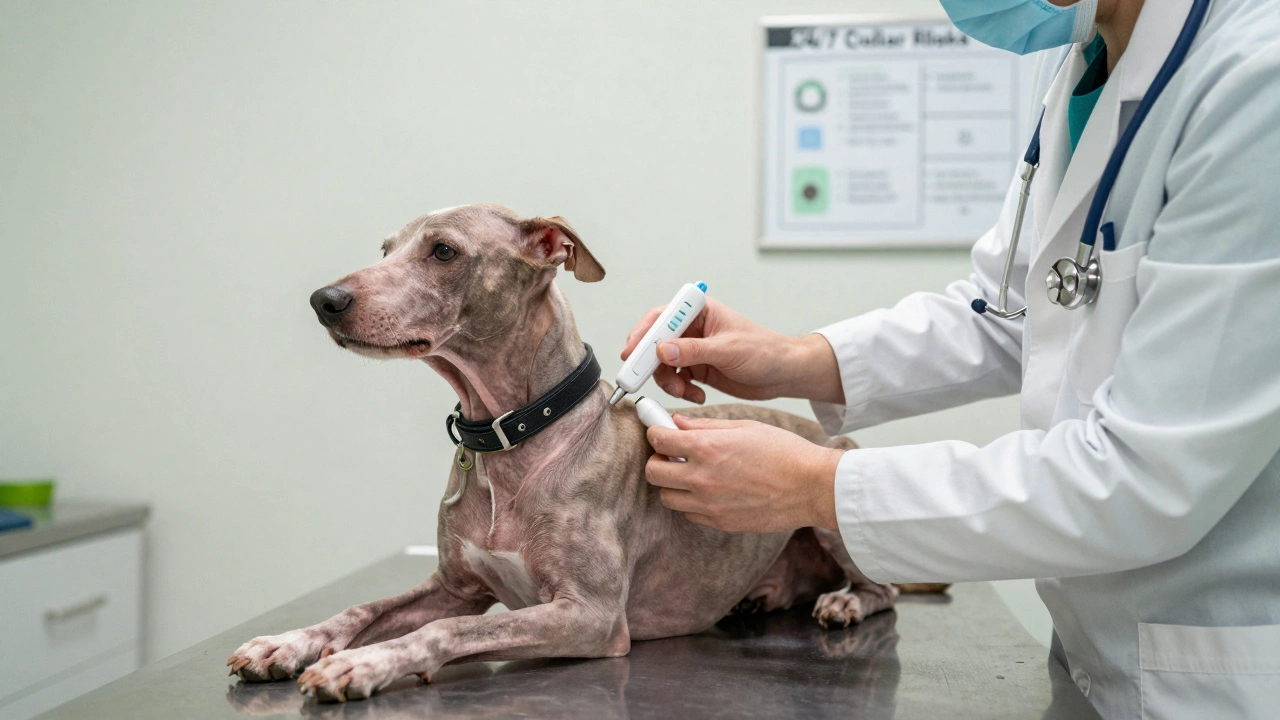
Collars aren’t harmless accessories. They can cause real problems when worn for hours without supervision. One of the most common issues is skin irritation. Constant friction from a tight or poorly fitted collar can lead to redness, hair loss, or even open sores-especially in breeds with thin skin or sensitive necks like Greyhounds or Whippets.
Another risk? Entanglement. Dogs move a lot in their sleep. They twist, roll, and stretch. If your dog sleeps near furniture, a bed frame, or even another pet, their collar can get caught. In rare cases, this has led to choking or neck injuries. There are documented cases in veterinary journals where dogs developed neck strain or tracheal damage from wearing collars too tightly for extended periods.
And then there’s the collar itself. Cheap plastic buckles can snap. Metal rings can rust. Elastic or fabric collars can fray. At night, when you’re asleep and can’t monitor your dog, a broken collar means lost tags-and lost peace of mind.
When It’s Safe (and Smart) to Leave the Collar On
There are exceptions. If your dog has a medical condition-like epilepsy or severe allergies-you might need to keep their collar on so emergency info is always visible. Same goes for service dogs or therapy animals that wear special harnesses or vests. In these cases, removing the collar could delay critical help.
Also, if your dog is a known escape artist-someone who slips out of crates, jumps fences, or sneaks out the door-keeping the collar on at night might be worth the risk. A collar with tags increases the chance someone finds them and calls you, even if they get out while you’re asleep.
And if you live in an area with wildlife or high crime rates, some owners prefer to keep collars on as a deterrent. It’s not foolproof, but it’s a visible sign your dog belongs to someone.
What to Do Instead: The Best Nighttime Alternatives
You don’t have to choose between safety and comfort. There are smarter ways to handle nighttime ID.
Use a microchip. This is the gold standard. A microchip is implanted under your dog’s skin-usually between the shoulder blades-and holds your contact info. It can’t fall off, get tangled, or break. Vets and shelters scan for it automatically. The American Kennel Club says over 90% of microchipped dogs are reunited with their owners, compared to just 22% of unchipped ones.
Try a breakaway collar. If you’re worried about entanglement, switch to a quick-release collar designed to pop open under pressure. These are made with safety snaps that release if the collar gets caught on something. They’re perfect for indoor use at night.
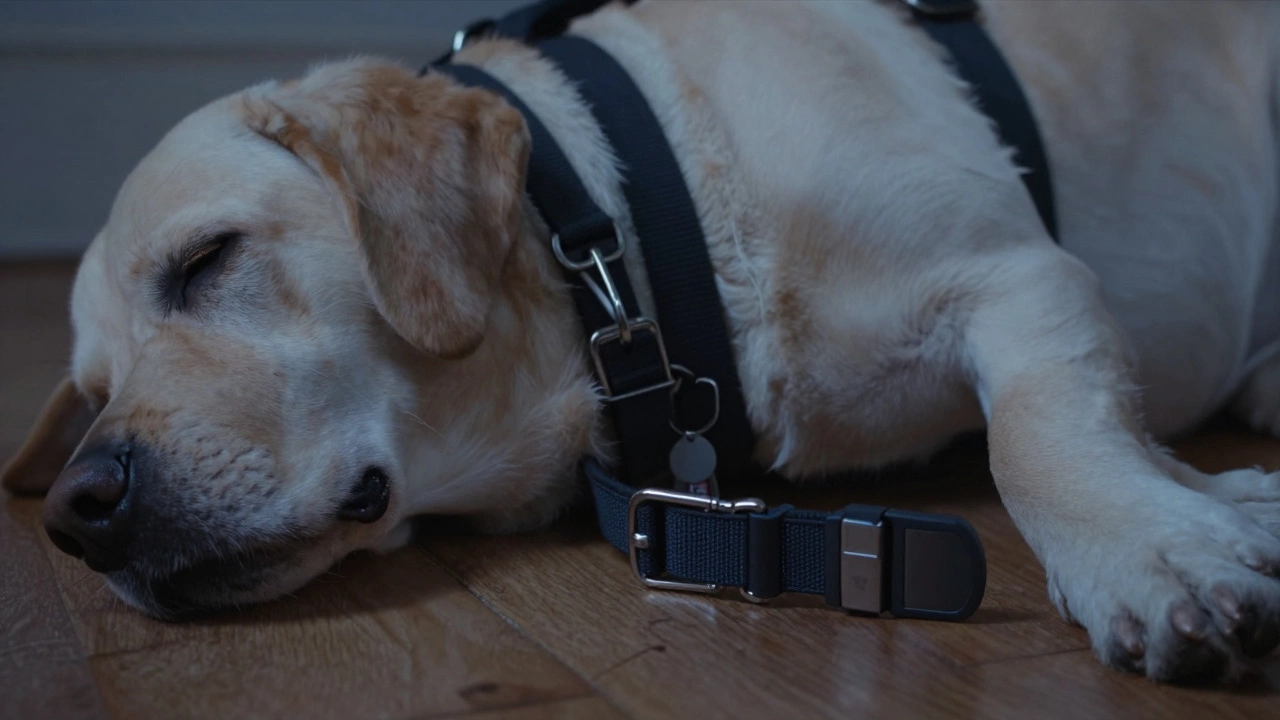
Keep a spare tag on a harness. If your dog wears a harness during the day, attach a small, lightweight tag to it. At night, remove the collar and leave the harness on (if it’s comfortable). The tag stays with your dog, and there’s less risk of neck irritation.
How to Fit a Collar Right (Even If You Leave It On)
If you decide to keep the collar on, make sure it’s fitted correctly. The two-finger rule is the easiest way: slide two fingers under the collar. If they fit snugly, it’s good. If you can’t fit them, it’s too tight. If you can fit more than two, it’s too loose.
Check it daily. Dogs grow, gain weight, or lose it. A collar that fit last month might be choking your dog now. Look for signs of rubbing, odor, or swelling. Clean the collar weekly with mild soap and water. Dirty collars can harbor bacteria that cause infections.
Also, avoid collars with metal spikes, chains, or heavy charms. These aren’t just dangerous at night-they’re unnecessary. Your dog doesn’t need to look like a rockstar. They need to be safe and comfortable.
Real-Life Scenarios: What Works for Different Dogs
Here’s how different types of dogs handle nighttime collars:
- Small dogs (Chihuahuas, Pomeranians): Their necks are delicate. Remove the collar. Use a microchip. A breakaway collar is okay if they’re in a secure room.
- Large dogs (Labradors, German Shepherds): They’re strong and usually safe indoors. If they sleep in a crate, remove the collar. If they roam the house, a breakaway collar is fine.
- Brachycephalic breeds (Pugs, Bulldogs): Their airways are already restricted. A collar can add pressure. Always remove it at night. Use a harness for walks and a microchip for ID.
- Senior dogs: Their skin is thinner. Collars can cause sores. Remove it. Check for lumps or swelling on the neck daily.
- Rescue or stray dogs: If you don’t know their history, keep the collar on for the first few weeks. Once you’re sure they’re settled and you’ve microchipped them, you can remove it.
What the Experts Say
Board-certified veterinary behaviorists and animal welfare groups like the ASPCA and RSPCA agree: collars are for daytime use, not 24/7 wear. The British Small Animal Veterinary Association recommends removing collars at night unless there’s a specific medical or safety reason to keep them on.
Dr. Lisa Peterson, a veterinary dermatologist, says: "We see more neck dermatitis from collars than people realize. Most owners think their dog is just scratching because of allergies. But when we check the collar, it’s worn, tight, and dirty. Remove it. Let the skin breathe. It’s that simple."
Final Decision: Should You Remove Your Dog’s Collar at Night?
Here’s your quick guide:
- Remove it if your dog sleeps indoors, is healthy, and has a microchip.
- Keep it on only if your dog is a known escape risk, has a medical condition requiring visible ID, or lives in a high-risk environment.
- Always use a breakaway collar if you leave it on overnight.
- Never leave a choke, prong, or tight collar on at night. These are dangerous regardless of the time of day.
The bottom line? Your dog doesn’t need to wear a collar while sleeping. Their safety doesn’t depend on it. What matters is having a backup system-like a microchip-that works when they’re not under your watch. Take the collar off. Give their neck a break. Sleep better knowing they’re protected, without the risk.
Is it harmful for a dog to wear a collar all the time?
Yes, wearing a collar 24/7 can cause skin irritation, hair loss, or even neck injuries from entanglement. Dogs don’t need collars while sleeping, especially if they’re microchipped. The collar’s main purpose is for identification and leash control during the day.
Should I remove my dog’s collar at night if they’re microchipped?
Yes, you should. A microchip is the most reliable form of identification and doesn’t require a collar. Removing the collar at night reduces the risk of skin irritation and accidental choking. The microchip will still work if your dog ever gets lost.
What kind of collar is safest for overnight wear?
If you must leave a collar on, use a breakaway collar with a quick-release buckle. These are designed to snap open if the collar gets caught, preventing choking. Avoid leather, nylon, or metal collars with heavy tags at night.
Can a collar cause breathing problems in dogs?
Yes, especially in brachycephalic breeds like Pugs and Bulldogs. Their airways are already narrow, and a tight collar can press on their trachea, making breathing harder. Even in other breeds, constant pressure can lead to long-term tracheal damage. Always remove collars at night.
Do service dogs need to wear collars at night?
Yes, if they wear a service vest or harness with medical or identification tags. Removing it could delay help in an emergency. But if the collar is just for tags and not part of their working gear, it’s safer to remove it and rely on a microchip.
How often should I check my dog’s collar fit?
Check it every week, especially if your dog is a puppy, senior, or has recently gained or lost weight. Use the two-finger rule: two fingers should fit comfortably under the collar. If it’s too tight or too loose, adjust or replace it.
If you’ve been leaving your dog’s collar on all night out of habit, it’s time to rethink that. Your dog’s neck deserves a break. A microchip is your best friend when it comes to safety. And when you remove the collar, you’re not just reducing risk-you’re giving them a little more comfort, every single night.