Indoor Collar Safety Checker
How Safe Is Your Dog's Collar Indoors?
Answer these questions to determine if your dog should wear a collar indoors. Based on the 2023 AVMA study showing over 1,200 emergency vet visits yearly from collar injuries.
Most dog owners put collars on their pets as soon as they bring them home. It’s standard practice-ID tags, leash attachment, maybe even a little style. But when the front door closes and you’re just hanging out on the couch, should that collar stay on? It’s not just about tradition. There are real risks and real benefits, and ignoring them can lead to accidents you never saw coming.
Why people leave collars on indoors
A lot of folks keep collars on because they think it’s safer. If your dog slips out the door, or you need to grab them fast during a fire or power outage, the collar’s right there. ID tags mean a lost dog has a better shot at coming home. And if you’ve ever had a dog bolt out the gate during a thunderstorm, you know how quickly things can go wrong. But here’s the thing: most indoor escapes aren’t dramatic. They’re quiet. A dog slips out when you’re loading the dishwasher. Or they squeeze through a gap in the baby gate while you’re on the phone. That’s when the collar becomes a hazard, not a help.The hidden dangers of indoor collars
Collars aren’t harmless accessories. They’re loops of fabric, plastic, or metal that can catch on things. Inside the house, those things are everywhere-furniture legs, crate bars, scratching posts, even the edge of a rug. Dogs don’t think about this. They spin, they jump, they wriggle under the couch. And if their collar gets snagged, they panic. A 2023 study from the American Veterinary Medical Association found that over 1,200 emergency vet visits each year in the U.S. were linked to collar-related injuries in dogs under 20 pounds. Most happened at home. Common injuries include neck abrasions, strangulation from tight collars, and even broken tracheas from sudden jerks. These aren’t rare. They’re preventable. Flat collars are the worst offenders. They don’t break away. They don’t stretch. They’re just… there. Even a well-fitted collar can tighten during a struggle. And if your dog has a habit of chewing on their collar, you’re risking ingestion of plastic or metal parts.When a collar inside actually helps
There are exceptions. If your dog has a medical condition-like seizures, sudden blindness, or severe anxiety-they might need to wear a collar indoors so you can quickly grab them during an episode. Some service dogs wear collars 24/7 because their gear is part of their job. And if you live in a home with small children, a collar with tags can help adults identify your dog fast if they get startled and run. But these are specific cases. They’re not the norm. For the average healthy dog, the risks outweigh the benefits. And if you’re keeping the collar on just because “it’s always been that way,” you’re not protecting your dog-you’re just following habit.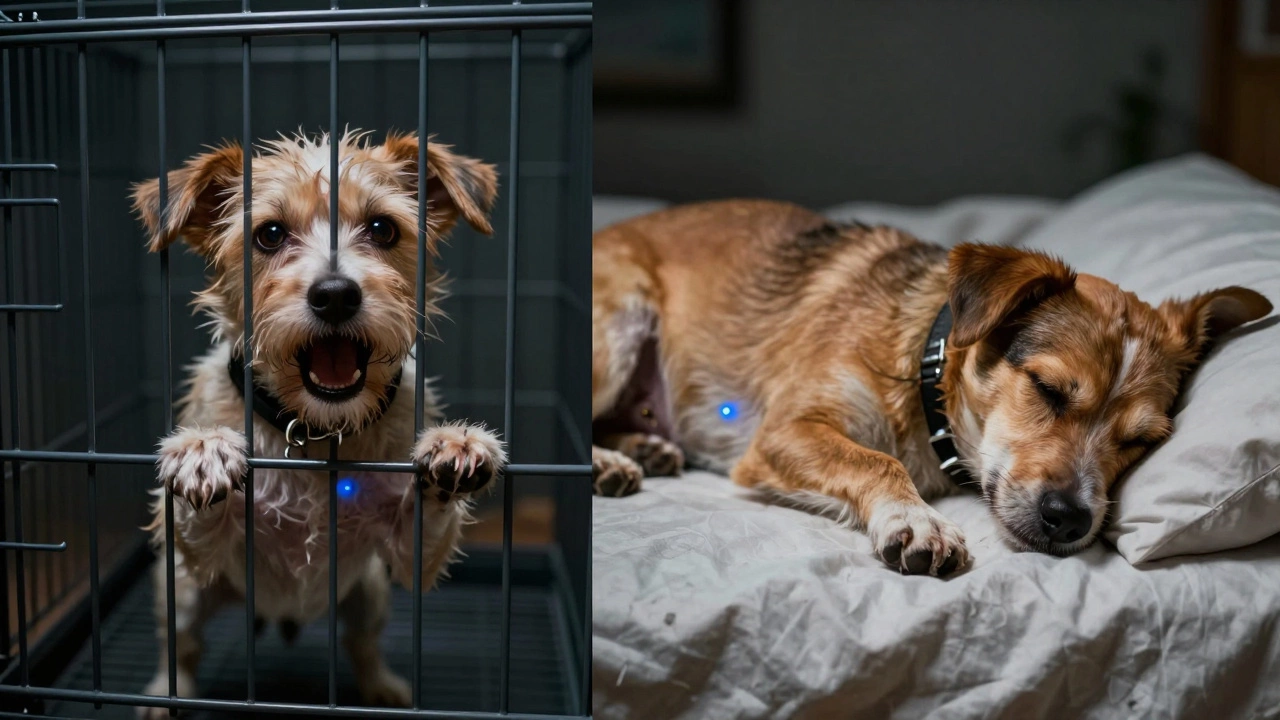
Alternatives to indoor collars
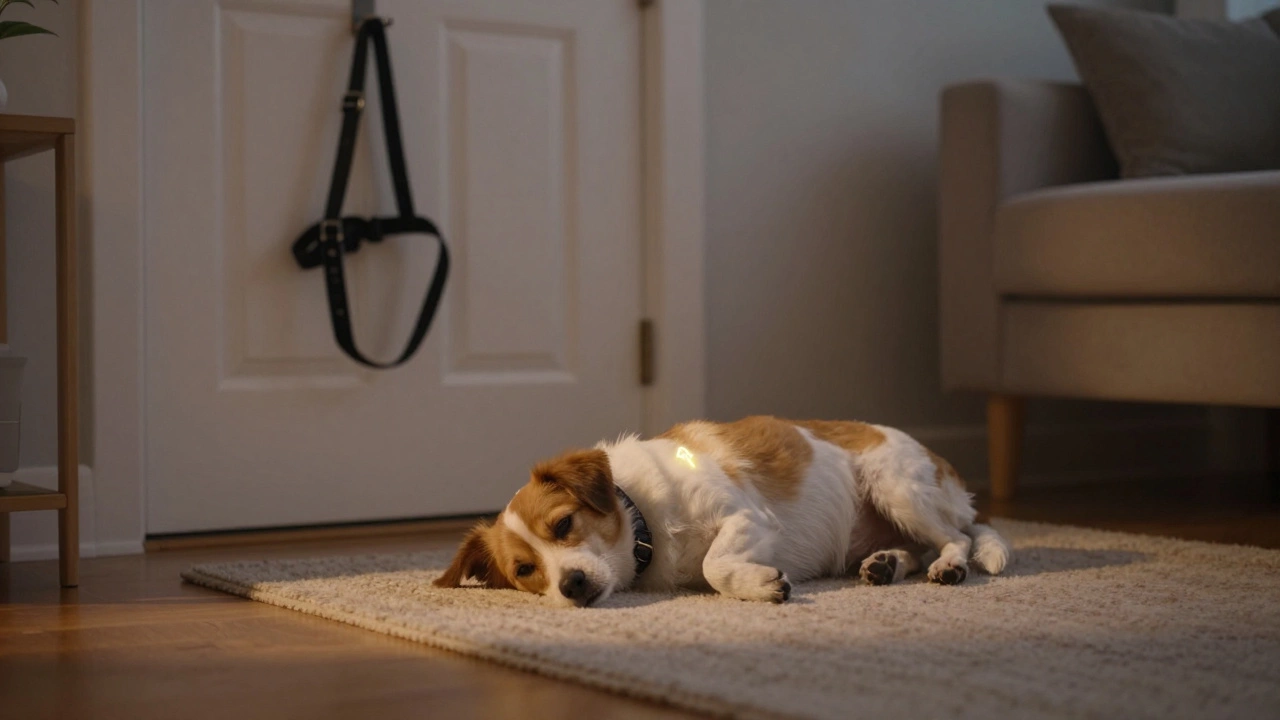
You don’t have to choose between safety and comfort. There are better options. First, use a harness for walks. It’s safer, more secure, and doesn’t put pressure on the neck. Then, take the collar off when you’re home. Store it where you can grab it fast-on a hook by the door, or in a drawer with your keys. For ID, get a microchip. It’s permanent. No choking risk. No snagging. Vets and shelters scan for it in seconds. And if you’re worried about tags getting lost, get a waterproof, engraved tag that clips to the harness instead. You can even use a QR code tag that links to your contact info online. Some owners use breakaway collars indoors. These are designed to snap open under pressure. They’re good for kittens and small dogs, but they’re not foolproof. A big dog can still get tangled in one, and they wear out fast. Don’t rely on them unless you’re checking them weekly for damage.How to decide for your dog
Ask yourself these questions:- Does my dog have a history of getting stuck on things? (Crate bars, furniture, toys)
- Do I live in a home with stairs, open doors, or high-traffic areas?
- Is my dog a runner? Do they bolt at the sound of a doorbell or fireworks?
- Do they chew on their collar or scratch at it constantly?
- Is my dog’s ID up to date on their microchip?

What to do if your dog hates collar removal
Some dogs get anxious when you take off their collar. They whine, they pace, they act like you’re abandoning them. That’s usually because they’ve associated the collar with attention, walks, or treats. You’ve accidentally trained them to need it. Fix it slowly. Start by taking the collar off for five minutes while you watch TV. Give them a chew toy or a stuffed Kong. Then leave it off for 15 minutes. Then an hour. Gradually, they’ll learn the collar isn’t tied to your presence. Reward calm behavior. Don’t rush it. If your dog panics, go slower. Also, make collar removal a positive thing. Always pair it with something good-a treat, a belly rub, a game of fetch. Over time, they’ll start to look forward to it.What about puppies?
Puppies are even more at risk. Their necks are delicate. Their curiosity is endless. A collar on a 12-week-old pup is a recipe for trouble. They’ll chew it, get tangled in it, or get stuck trying to climb on something. Wait until your puppy is at least six months old before considering an indoor collar. Even then, only use a breakaway collar if you absolutely must. And always supervise them when they’re wearing it. Microchip your puppy as soon as possible. It’s safer than any collar. And it’s the law in many places.Final rule: Collars are for going out
There’s no universal answer. But here’s the simplest rule that works for 90% of households: collars stay on for walks, vet visits, and emergencies. They come off when you’re home. It’s not about being strict. It’s about being smart. Your dog doesn’t need a collar to feel safe. They need you to be aware of their environment-and to remove the risks you can control. Take the collar off. Put the ID tag on a harness. Get the microchip. Your dog will thank you with better sleep, fewer scratches, and less stress. And you’ll sleep better knowing you didn’t leave a potential danger lying around.Is it safe for dogs to sleep with collars on?
No, it’s not recommended. Dogs move a lot in their sleep-rolling, stretching, twisting. A collar can get caught on bedding, crate bars, or even their own legs. This can cause choking, neck injuries, or skin irritation. Even breakaway collars aren’t safe for overnight use. Remove the collar before bedtime unless your vet specifically advises otherwise.
Can a collar cause neck damage in dogs?
Yes. Constant pressure from a tight collar, especially during sudden pulls or struggles, can damage the trachea, thyroid gland, or cervical spine. This is more common in small breeds and dogs that pull on leashes. Indoor collars increase the risk because dogs often jerk suddenly when startled by noises or movements. A harness distributes pressure more safely and is a better long-term choice.
Do I need to keep my dog’s collar on if they’re microchipped?
No. A microchip is a permanent, internal ID that works anywhere-vets, shelters, animal control. It doesn’t fall off, get chewed, or snag. Collars and tags are still useful for quick visual identification, but they’re not required if your dog is chipped and your contact info is current. Many responsible owners remove collars indoors and rely on the chip as their primary ID.
What’s the best type of collar for indoor use if I must use one?
If you must leave a collar on indoors, use a breakaway collar made of soft, flexible material like nylon or silicone. These are designed to release under pressure, reducing strangulation risk. Avoid leather or metal collars indoors-they’re rigid and don’t break. Always check the fit: you should be able to slip two fingers under it easily. Replace breakaway collars every 3-6 months, as the clips wear out.
Can I use a harness instead of a collar indoors?
Yes, and it’s often better. A harness is safer for indoor use because it doesn’t go around the neck. You can attach ID tags to a harness strap, and it’s less likely to get caught on furniture. It’s also more comfortable for dogs that pull or have respiratory issues. Just make sure the harness fits snugly and doesn’t rub or chafe. Remove it when your dog is resting or sleeping.