When to Replace Dog Bed: Signs, Timeline, and What to Look For
When you notice your dog struggling to get comfortable or waking up stiff, it might not be aging—it’s probably their dog bed, a key part of your dog’s daily rest and joint support. Also known as dog sleeping mat, it’s not just a cushion—it’s their personal sanctuary. And like any piece of furniture that gets daily use, it wears out. Most dog beds lose their support and cleanliness within 1 to 2 years, but the real signal isn’t time—it’s how your dog acts when they lie down.
Look for visible signs: flattened foam, torn fabric, or a bed that doesn’t bounce back when you press on it. If your dog avoids their bed, sleeps on the floor, or keeps shifting positions, their bed isn’t giving them the support they need. Older dogs with arthritis rely on thick, orthopedic padding, and a worn-out bed can make their pain worse. Even if the bed looks fine, odor and bacteria build up over time. Dogs sleep 12–18 hours a day. That’s a lot of skin cells, fur, drool, and dirt soaking into the fabric. Washable covers help, but if the inner padding smells musty even after cleaning, it’s time to replace it.
Another clue? The shape. If your dog’s bed has a deep hollow where they lay, it’s lost its ability to cushion joints. That’s not just uncomfortable—it’s unhealthy. A bed that doesn’t support the spine and hips can lead to long-term mobility issues. You don’t need to buy the most expensive one, but you do need something that matches your dog’s size, weight, and needs. A small dog might need a cozy cave bed. A large breed needs thick, high-density foam. And if your dog drools a lot or has accidents, look for waterproof liners and removable, machine-washable covers.
It’s not about how old the bed is—it’s about how well it’s still working. A bed that’s 6 months old but heavily used might need replacing sooner than a barely-used one from two years ago. Pay attention to your dog’s behavior. If they’re restless, licking their joints, or seem to sleep less deeply, their bed might be the culprit. Replacing it isn’t a luxury—it’s part of responsible care. The right bed helps them rest better, move easier, and stay healthier. Below, you’ll find real advice from pet owners and vets on what to watch for, when to act, and what kinds of beds actually make a difference.
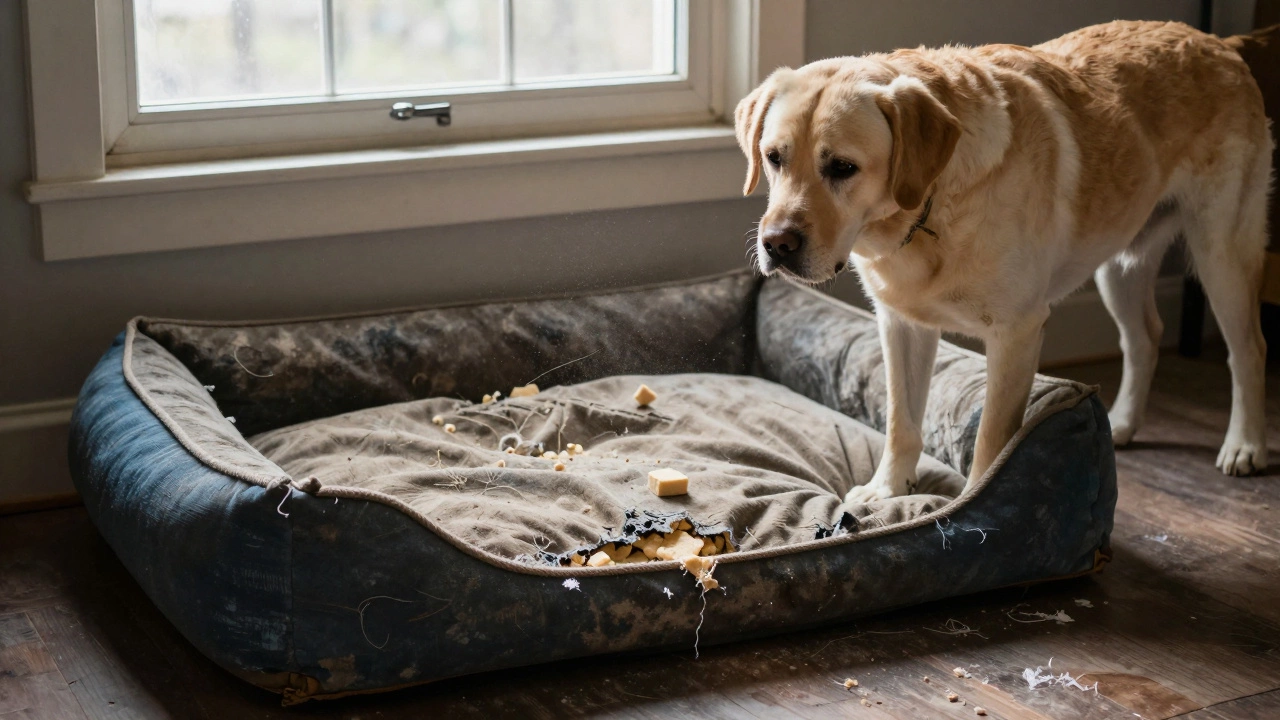
When to Throw Out a Dog Bed: Signs It’s Time for a New One
Learn the real signs your dog’s bed needs replacing-not just when it looks old, but when it’s harming their health. From sagging foam to hidden mold, here’s what to watch for and how to choose a better one.
View more