Sleeping Puppy: What Every Dog Owner Needs to Know About Puppy Sleep Patterns
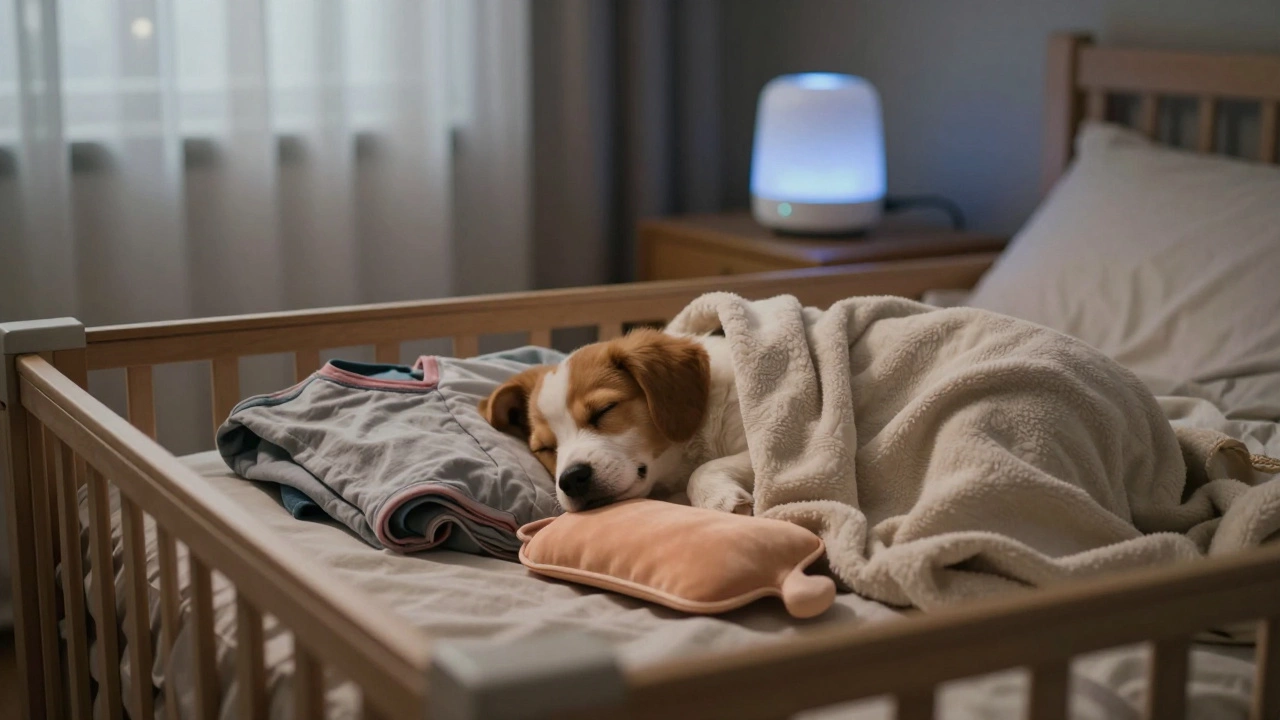
When you see a sleeping puppy, a young dog in deep, peaceful rest, often curled up or sprawled out with tiny leg twitches. Also known as puppy nap time, this isn’t just cute—it’s critical for brain development, muscle growth, and immune function. A healthy puppy can sleep 18 to 20 hours a day. That’s not laziness. That’s biology. Their bodies are working overtime to grow, learn, and recover from all the zoomies, chewing, and exploring they do when awake.
Behind every puppy sleep pattern, the natural rhythm of rest and activity in young dogs, shaped by age, breed, and environment is a system that needs structure. Just like a baby, a puppy thrives on routine. A consistent puppy bedtime, the regular time a puppy is settled for the night, helping establish healthy sleep habits tells their body when to wind down. Skip this, and you might end up with a tired, irritable pup who wakes you up at 3 a.m. because they’re confused about when it’s time to rest. And while some owners worry about letting their puppy sleep in bed with them, research shows it doesn’t cause separation anxiety—it’s how you handle their alone time that matters.
Then there’s the puppy crate time, the amount of time a young dog spends safely confined in a crate during the day or night, used for training and security. Too little, and you risk accidents or destructive chewing. Too much, and you stunt their emotional growth. A 10-week-old pup shouldn’t be crated for more than 3 hours at a stretch. By 6 months, they can handle 4 to 6 hours overnight, but only if they’ve had enough exercise and potty breaks. A good sleep setup isn’t just about the bed—it’s about the whole system: quiet space, comfy bedding, and a calm wind-down routine.
You’ll notice your puppy’s sleep changes as they grow. Newborns sleep almost nonstop. By 12 weeks, they start having longer awake periods. At six months, they’re settling into something closer to an adult dog’s rhythm—still needing 14 to 16 hours, but with more alertness during the day. If your pup is sleeping more than 22 hours a day, or seems lethargic even when awake, talk to your vet. It could be normal, or it could signal something deeper.
What you see in those quiet moments—tiny nose twitches, soft whimpers, paws paddling in dreams—is your puppy processing everything they’ve learned. They’re rehearsing hunts, practicing barks, sorting out new smells. This isn’t just rest. It’s essential work. And if you’re wondering whether to remove their collar at night, whether their bed needs replacing, or if flying with them will mess up their sleep schedule—you’re not alone. All these questions connect back to one thing: how well you support their rest.
Below, you’ll find real advice from dog owners and vets on everything from bedtime routines to crate safety, from puppy sleep cycles to what to do when your pup won’t settle down. No fluff. No guesswork. Just what works.
Should I Leave the TV On at Night for My Puppy?
Leaving the TV on at night won't calm your puppy-it might make anxiety worse. Learn what actually helps puppies sleep peacefully and how to build lasting confidence without relying on screens.
View more