Rover dog walking: Best tools, tips, and safety secrets for calm walks
When it comes to Rover dog walking, the daily ritual of walking your dog with control, safety, and joy. Also known as leash walking, it’s not just about exercise—it’s about communication, trust, and preventing frustration for both you and your dog. Too many owners think a strong leash or a choke collar is the answer. But the real problem isn’t your dog’s strength—it’s the tool you’re using and how you’re using it.
The best tool to stop a dog from pulling isn’t a prong collar or a head halter alone—it’s a front-clip harness, a harness that attaches the leash to the chest, not the back, to gently redirect pulling. It works because it changes the dog’s balance, not their neck. Pair that with consistent training, and you’re not just stopping pulls—you’re building a walking habit that lasts. And if your dog is reactive or overly excited? A head halter, a gentle control device that guides the dog’s head like a horse halter gives you more precision without pain. Both are safer than traditional collars, which can damage the trachea or trigger aggression when pulled on.
But tools are only half the story. What you do before, during, and after the walk matters just as much. Dogs pull because they’re excited, bored, or anxious. If you’re rushing out the door and yanking them into the street, you’re teaching them to tug harder. Slow down. Wait for calm. Reward the leash that’s loose. It’s not magic—it’s timing. And if your dog’s collar snaps open too easily during walks? You might need a quick-release buckle, a secure, durable alternative to breakaway collars that won’t pop open under pressure. Safety isn’t about avoiding accidents—it’s about planning for them.
You’ll find real solutions here—not guesses, not trends, not products that promise miracles. These posts cover what actually works: how to pick the right harness, when to skip the collar entirely, how to train a dog to walk beside you without treats, and why leaving a collar on overnight might be doing more harm than good. Whether you’re walking a high-energy pup, a senior dog with joint issues, or a breed known for pulling, you’ll find the right fix. No fluff. No hype. Just clear, tested advice from owners and trainers who’ve been there.
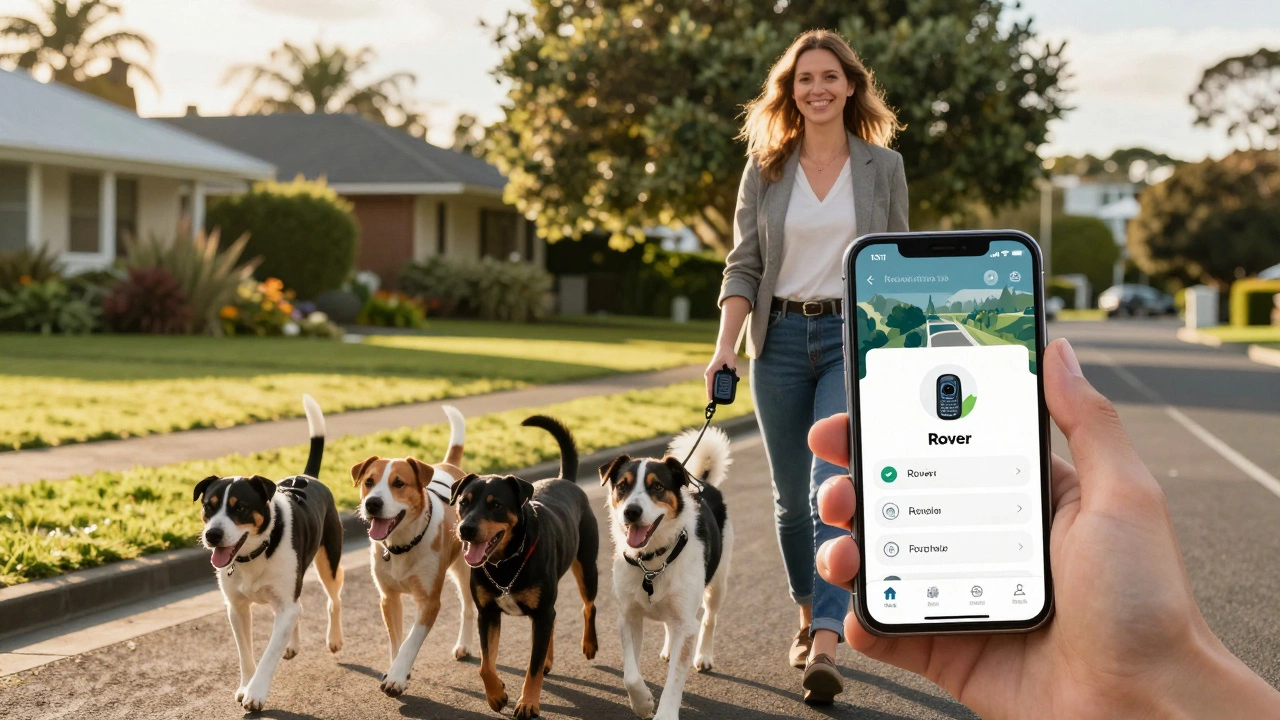
Rover vs Wag: Which Dog Walking App Is Better to Work For in 2025?
Rover and Wag are two top dog walking apps, but Rover pays more, gives you control, and helps you build a real business. Wag is easier to start with but pays less and offers fewer protections. Here’s which one’s better to work for in 2025.
View more