Puppy Anxiety: Signs, Causes, and What You Can Do
When your puppy whines, piddles, or chews everything in sight while you’re gone, it’s not mischief—it’s puppy anxiety, a stress response triggered by fear of being alone or overwhelmed by new surroundings. Also known as separation anxiety, it’s one of the most misunderstood behaviors in young dogs. This isn’t about being "bad"—it’s about being scared. Puppies are wired to stay close to their pack. When suddenly left alone, their bodies go into survival mode: heart races, cortisol spikes, and the urge to escape kicks in. Many owners think it’s a phase they’ll grow out of, but without the right support, it can turn into a long-term problem.
What makes puppy anxiety worse? crate training, a common tool for housebreaking and safety. When done too fast or with punishment, it becomes a prison, not a safe space. Then there’s puppy stress, the buildup of overstimulation from loud noises, new people, or too many changes in a short time. These aren’t isolated issues—they feed each other. A puppy who’s stressed from a new home will panic more when crated. One who’s left alone for hours will chew the door frame just to feel control. The good news? You don’t need expensive gadgets or trainers. Small, consistent changes make all the difference. Start with short absences. Leave a treat-stuffed toy before you walk out. Keep departures calm and arrivals low-key. Don’t rush the process. Your puppy doesn’t need to be independent tomorrow—they need to feel safe today.
What you’ll find in the posts below are real, practical fixes from owners who’ve been there. From how to tell if your puppy’s crying is anxiety or just attention-seeking, to what to do when crate time turns into a meltdown, to how to build confidence without treats or tricks—you’ll see what actually works. No fluff. No myths. Just clear steps you can start today.
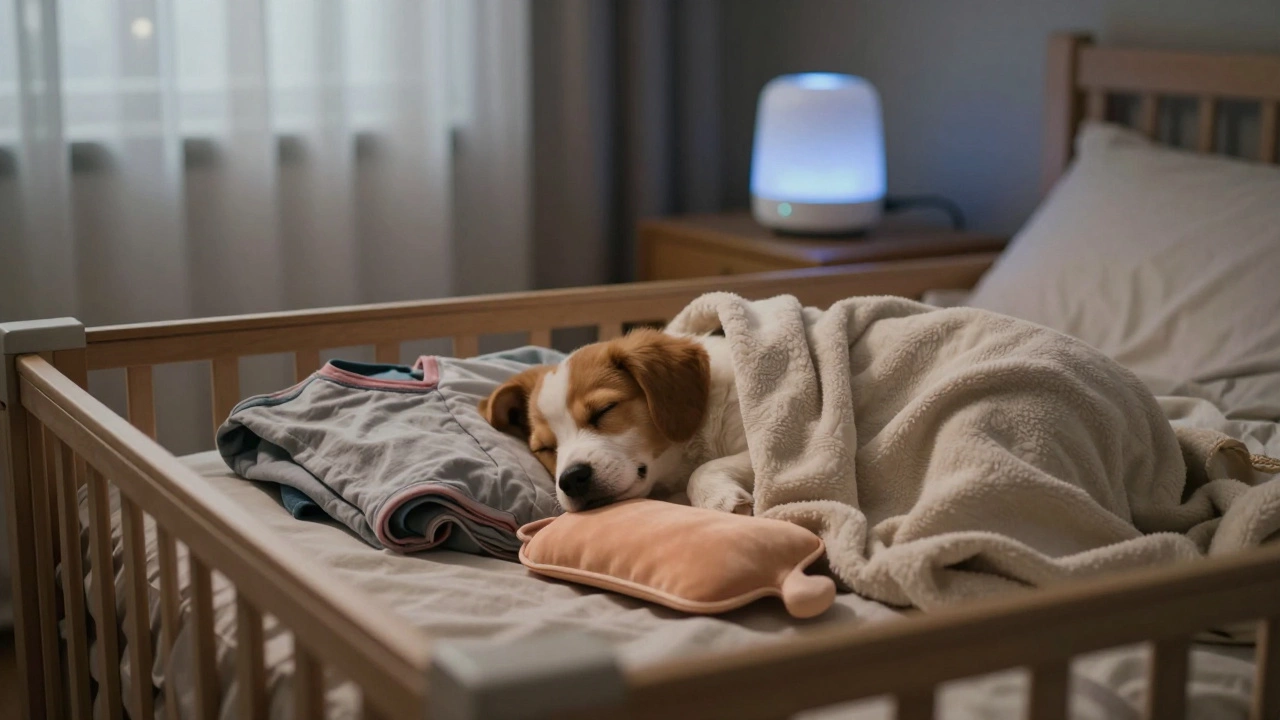
Should I Leave the TV On at Night for My Puppy?
Leaving the TV on at night won't calm your puppy-it might make anxiety worse. Learn what actually helps puppies sleep peacefully and how to build lasting confidence without relying on screens.
View more