Dog Vitamin D Symptoms: Signs, Risks, and What to Do
When your dog’s vitamin D, a fat-soluble nutrient essential for calcium balance and bone health in dogs is off—too little or too much—it can cause serious, sometimes life-threatening issues. Unlike humans, dogs don’t make much vitamin D from sunlight. They rely almost entirely on their food or supplements. That’s why getting the balance right matters more than you might think. Too little can weaken bones and muscles; too much? That’s where things get dangerous fast.
Vitamin D deficiency, a rare but serious condition in dogs caused by poor diet or underlying illness might show up as lethargy, muscle weakness, or even trouble walking. But most vets see the opposite problem more often: vitamin D toxicity, a poison-like reaction from accidental overdose, often from human supplements or contaminated food. The signs are brutal: vomiting, loss of appetite, increased thirst and urination, weakness, and in severe cases, kidney failure. One human vitamin D pill can be enough to poison a small dog. There’s no safe guesswork here.
What makes this even trickier is that symptoms don’t always show up right away. Your dog might seem fine for days after eating something they shouldn’t—then crash suddenly. That’s why if you’ve ever left a bottle of pills on the counter, or bought a cheap dog treat with added vitamins, you need to be alert. The dog vitamin D symptoms you’re looking for aren’t subtle. They’re urgent. And they’re often mistaken for something else—like a stomach bug or old age.
Thankfully, most cases are preventable. Keep all human supplements locked up. Avoid giving your dog random vitamins—even if they’re labeled "natural" or "for dogs." And if you’re using a supplement for joint health or skin issues, check the label. Some fish oil products, for example, come with added vitamin D. Too much of that can stack up. Your vet can run a simple blood test to check levels if you’re worried.
What you’ll find in the posts below isn’t just a list of symptoms. It’s real-life advice from pet owners and vets who’ve dealt with this. You’ll see how one family spotted the signs after their dog ate a bottle of gummy vitamins. How another dog recovered after a mislabeled treat caused toxicity. And why some dog foods—even ones sold in big stores—have been pulled for dangerously high vitamin D levels. This isn’t theory. It’s what happens when the numbers don’t add up.
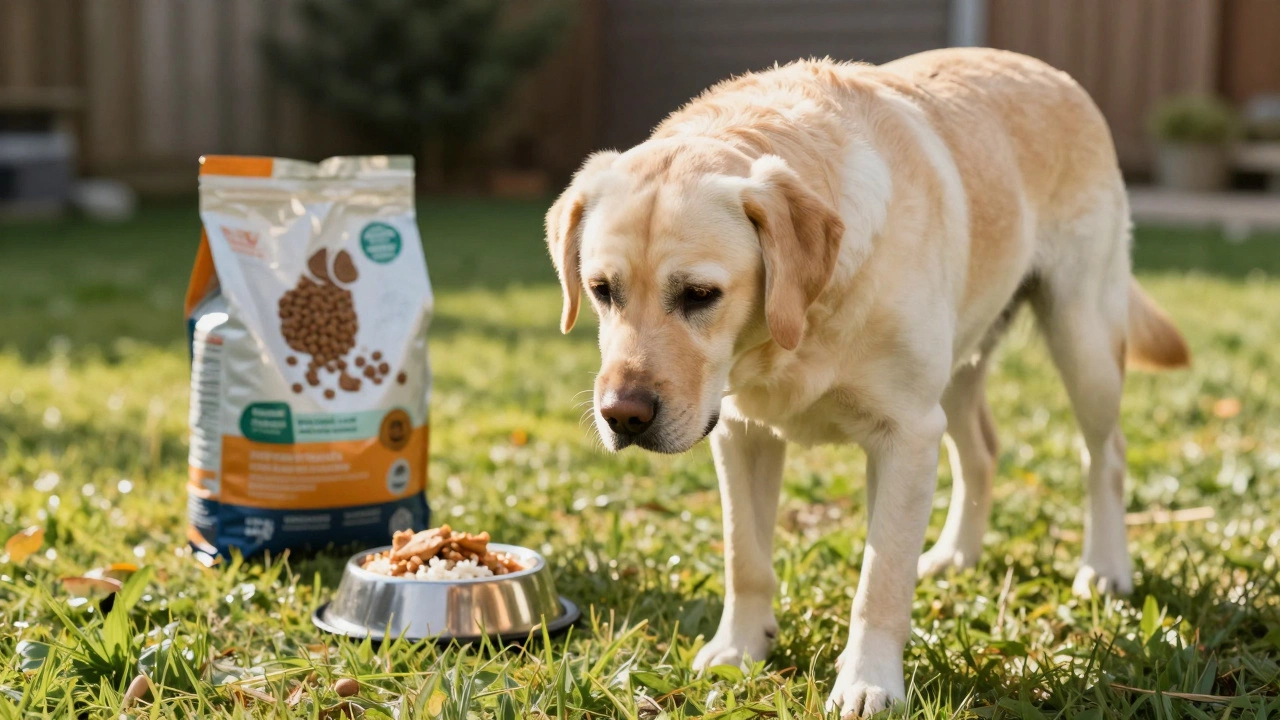
What Are the Signs of Vitamin D Deficiency in Dogs?
Learn the early and serious signs of vitamin D deficiency in dogs, what causes it, how to test for it, and how to safely correct it with diet and vet-approved supplements.
View more