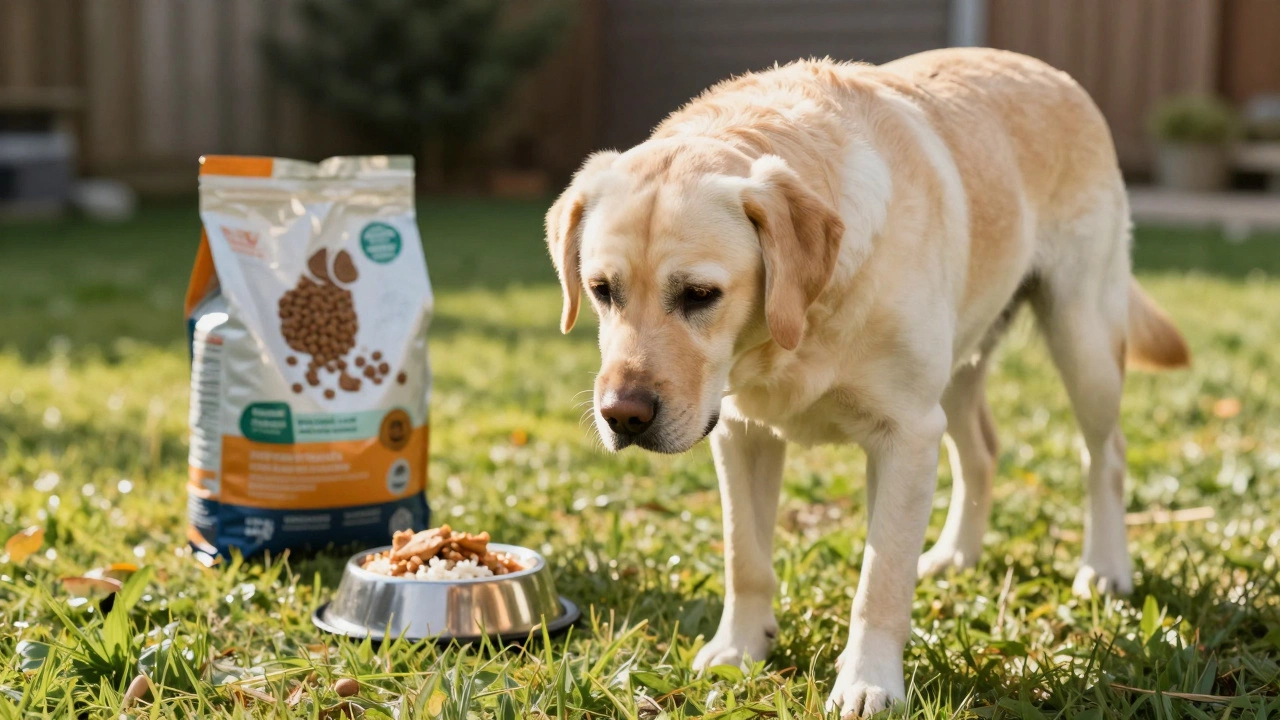
Most dog owners know that their pup needs good food, regular walks, and plenty of love. But few realize that something as simple as vitamin D can make a huge difference in their dog’s health. Unlike humans, dogs don’t get vitamin D from sunlight the same way. They rely almost entirely on their diet. And when they’re not getting enough, the signs can be subtle-until it’s too late.
Why Vitamin D Matters for Dogs
Vitamin D helps dogs absorb calcium and phosphorus, two minerals critical for strong bones, muscle function, and nerve signaling. Without it, even a healthy diet won’t do much good. Dogs can’t synthesize vitamin D through their skin like humans do. Their fur blocks UVB rays, and they don’t lick their fur to ingest what little vitamin D their skin might produce. That means every bit of vitamin D they need must come from food.
Commercial dog foods are usually fortified with vitamin D, but not all brands are equal. Cheap kibble, homemade diets, or low-quality supplements can leave gaps. A 2023 study from the University of Glasgow found that nearly 1 in 5 dogs fed homemade meals had vitamin D levels below the minimum recommended threshold, even when their owners thought they were feeding them well.
Early Signs of Vitamin D Deficiency in Dogs
The first signs are easy to miss. They’re not dramatic like vomiting or seizures. Instead, they creep in slowly.
- Weakness or reluctance to move - Your dog used to chase the ball without a second thought. Now they hesitate, limp after a short walk, or avoid stairs. This isn’t just old age. It’s muscle fatigue from low calcium levels.
- Stiffness in joints - Especially noticeable after resting. Your dog might groan when standing up or seem stiff in the morning. This isn’t arthritis yet, but it’s the early warning.
- Loss of appetite - A quiet, unexplained drop in food intake. Not picky eating. Just… less interest. This often comes before weight loss.
- Shivering or trembling - Not from cold. It’s neurological. Low calcium affects nerve function, causing involuntary muscle twitching.
- Changes in behavior - Lethargy, less enthusiasm for play, or even mild irritability. Dogs with vitamin D deficiency often seem "off" without a clear reason.
These signs overlap with many other conditions - hypothyroidism, kidney disease, arthritis - which is why they’re often overlooked. But if you notice two or more of these together, especially in a dog on a homemade or limited-ingredient diet, it’s worth checking.
Advanced Symptoms: When It Gets Serious
If left unchecked, vitamin D deficiency can lead to real damage. In severe cases, dogs develop:
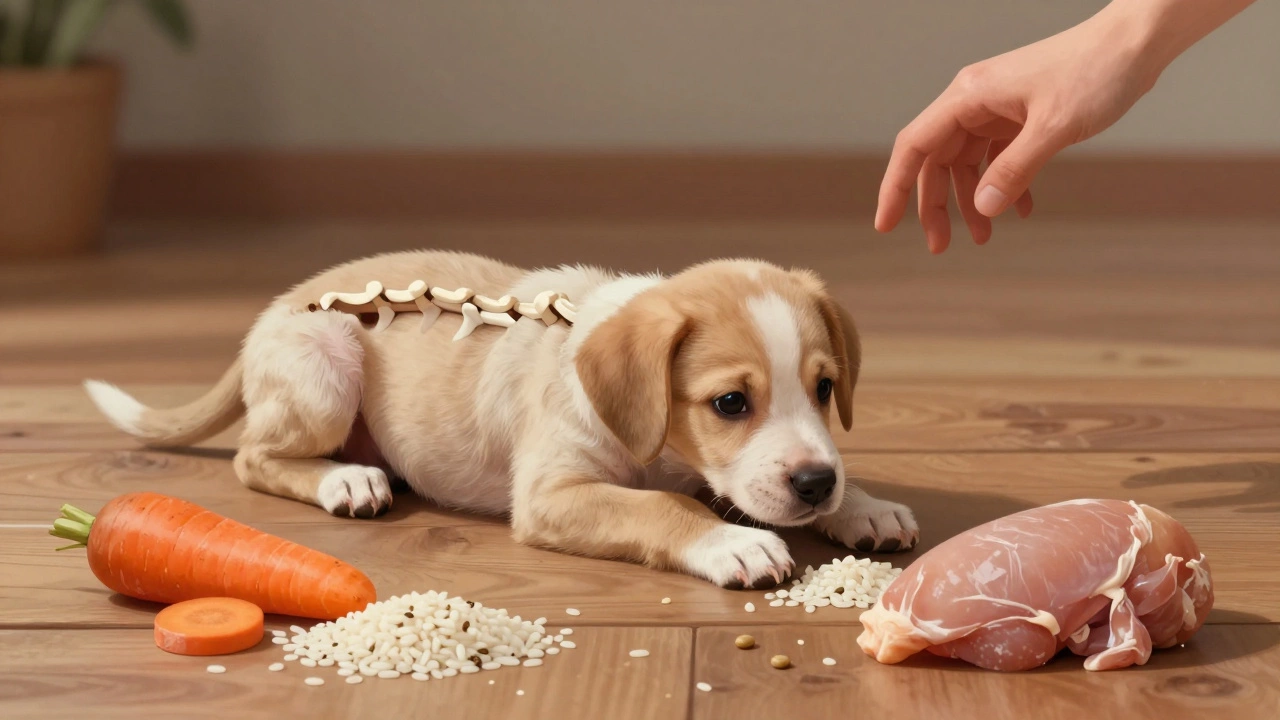
- Bone deformities - Especially in puppies. Their bones soften and bend under their own weight. You might notice bowed legs or a curved spine.
- Fractures from minor trauma - A simple jump off the couch could break a leg if the bones are too weak.
- Heart rhythm problems - Calcium plays a role in heart contractions. Low levels can cause irregular beats, which may show up as fainting or collapse during activity.
- Delayed growth in puppies - Puppies with chronic deficiency are smaller than littermates, have weak muscle tone, and may fail to reach expected milestones.
These aren’t theoretical. In 2024, a vet clinic in Auckland reported three cases of rickets in puppies under 6 months old - all fed homemade diets without proper vitamin D supplementation. One puppy had to be euthanized after a spinal fracture.
What Causes Vitamin D Deficiency in Dogs?
It’s not always about bad food. Here’s what actually leads to low levels:
- Homemade diets without balance - Even if you feed chicken, rice, and veggies, you’re missing the right ratio of calcium, phosphorus, and vitamin D. Most home recipes don’t include bone meal or fortified oils.
- Low-quality commercial dog food - Some budget brands use fillers and minimal fortification. Check the guaranteed analysis: vitamin D should be listed in IU/kg. Anything below 500 IU/kg is risky.
- Over-supplementing with calcium - Too much calcium can block vitamin D absorption. Some owners give extra calcium for "strong bones," not realizing it backfires.
- Chronic kidney disease - The kidneys activate vitamin D. If they’re failing, even a good diet won’t help.
- Malabsorption disorders - Conditions like inflammatory bowel disease or pancreatic insufficiency prevent nutrient uptake.
It’s also worth noting: some dog foods have too much vitamin D. That’s dangerous too. But deficiency is far more common, especially in dogs fed non-commercial diets.
How to Test for Vitamin D Deficiency
You can’t guess it by looking. The only way to know for sure is a blood test. Your vet will run a 25-hydroxyvitamin D test - the standard measure for vitamin D status in dogs.
The normal range for dogs is 75-200 ng/mL. Levels below 50 ng/mL indicate deficiency. Below 30 ng/mL is severe and requires immediate treatment.
Most vets won’t test unless symptoms are present, but if you’re feeding a homemade diet, ask for a baseline test when your dog is young. It’s cheaper than treating a fracture later.
How to Fix It
Fixing vitamin D deficiency isn’t about popping a human supplement. Dogs need specific forms and doses.
- Switch to a balanced commercial food - Look for AAFCO-certified brands. They meet minimum vitamin D requirements (minimum 500 IU/kg). Brands like Royal Canin, Hill’s Science Diet, and Orijen are consistently reliable.
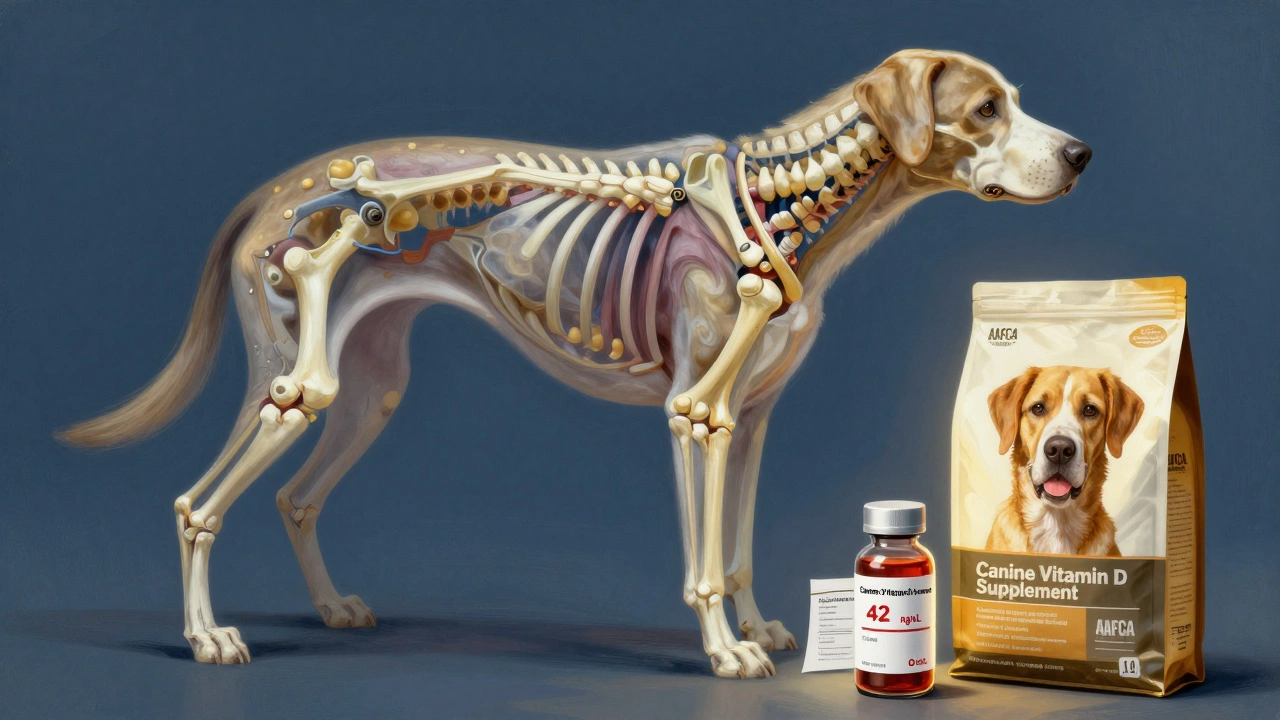
- Use vet-approved supplements - If your dog needs extra, your vet will recommend a canine-specific vitamin D supplement. Never use human D3 pills. The dosage is too high and can cause poisoning.
- Include natural sources - Fatty fish (salmon, sardines), egg yolks, and liver are rich in vitamin D. Add a teaspoon of cooked salmon to their food 2-3 times a week. But don’t overdo it - too much liver can cause vitamin A toxicity.
- Re-test after 6-8 weeks - Vitamin D levels don’t bounce back overnight. Monitor progress with a follow-up blood test.
One owner in Wellington switched her 5-year-old Labrador from a grain-free kibble to a balanced wet food with added fish oil. Within 6 weeks, his stiffness disappeared. His vitamin D level jumped from 42 ng/mL to 118 ng/mL.
Prevention Is Simple
You don’t need to be a nutritionist to keep your dog’s vitamin D levels healthy.
- Feed AAFCO-certified food - it’s the easiest guarantee.
- If you cook for your dog, use a vet-formulated recipe or consult a canine nutritionist.
- Avoid random supplements. Vitamin D is fat-soluble - it builds up. Too much is deadly.
- Watch for subtle changes in movement or energy. Don’t dismiss them as "just getting older."
There’s no magic pill. Just consistent, smart feeding. Your dog doesn’t need fancy supplements. They need the right balance - and that starts with knowing what to look for.
Can dogs get vitamin D from sunlight like humans?
No. Dogs have thick fur that blocks UVB rays, and they don’t lick their fur enough to ingest the small amount of vitamin D their skin might produce. They rely entirely on their diet for vitamin D.
Is it safe to give my dog human vitamin D supplements?
No. Human vitamin D supplements are far too concentrated for dogs. A single 1,000 IU pill can be toxic. Always use vet-recommended canine-specific supplements if your dog needs extra vitamin D.
What foods are high in vitamin D for dogs?
Fatty fish like salmon and sardines, egg yolks, and liver are natural sources. A small amount (like a teaspoon of cooked salmon) 2-3 times a week can help maintain levels. But don’t overdo liver - too much can cause vitamin A toxicity.
Can vitamin D deficiency cause seizures in dogs?
Not directly. But severe deficiency leads to very low calcium levels, which can cause muscle tremors, spasms, and in extreme cases, seizures. This is rare and usually only seen in advanced, untreated cases.
How long does it take to correct vitamin D deficiency in dogs?
It takes 6-8 weeks to see improvement in symptoms and blood levels. Vitamin D is stored in fat, so correction is slow. Always retest with your vet before assuming it’s fixed.