Cat Vomiting Symptom Checker
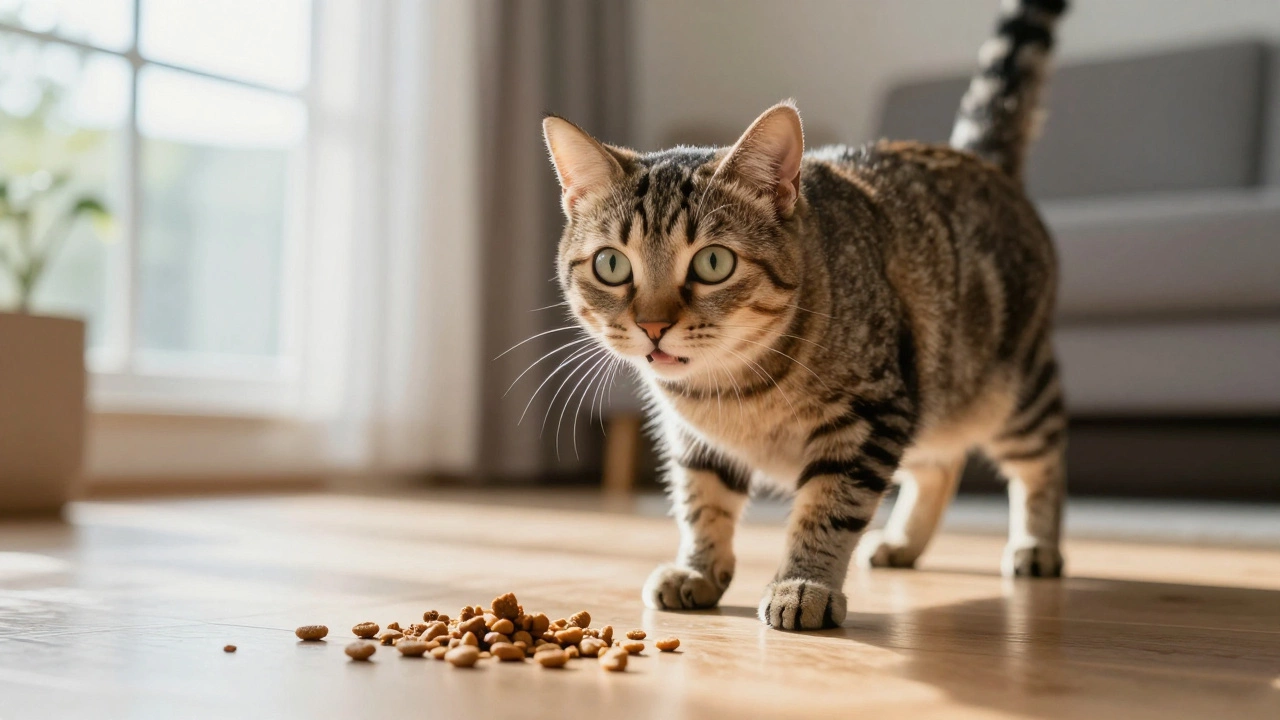
Your cat just walked into the room, looked you dead in the eye, and vomited a small pile of undigested kibble. Ten minutes later, she’s chasing a laser pointer like nothing happened. It’s confusing, frustrating, and honestly, a little scary. You’re not alone. This scenario-daily vomiting with no other obvious symptoms-is one of the most common reasons owners end up searching late at night or rushing to the clinic.
While it often looks alarming, daily vomiting in an otherwise "fine" cat usually points to a few specific culprits: eating too fast, hairball accumulation, food intolerance, or mild gastrointestinal issues. However, "seems fine" is a tricky metric because cats are masters at hiding pain. If this has been happening every day for more than a week, your cat isn't actually fine; her body is struggling to process what's going on inside.
The "Speed Eater" Syndrome: Why They Regurgitate
If the vomit looks exactly like the food you just served-undigested kibble in a tube shape-you are likely dealing with regurgitation, not true vomiting. There is a big difference. Vomiting involves abdominal heaving and effort. Regurgitation is passive; the food comes back up without much struggle because it never made it past the esophagus into the stomach.
Cats are natural predators who evolved to eat several small meals a day from live prey. Modern dry kibble is a compressed, dry pet food that requires significant chewing and slow digestion doesn't fit that biological model. Many cats gulp down their bowl in seconds, especially if they have competition (another pet) or anxiety. The stomach expands rapidly, triggering a reflex that pushes the food back out.
| Feature | Regurgitation (Eating Too Fast) | Vomiting (Digestive Issue) |
|---|---|---|
| Effort | Passive, no heaving | Active, abdominal contractions |
| Content | Undigested kibble, tubular shape | Digested food, bile, foam, or blood |
| Timing | Immediately after eating | Hours after eating or random times |
| Behavior After | May try to eat again immediately | Often lethargic or hiding |
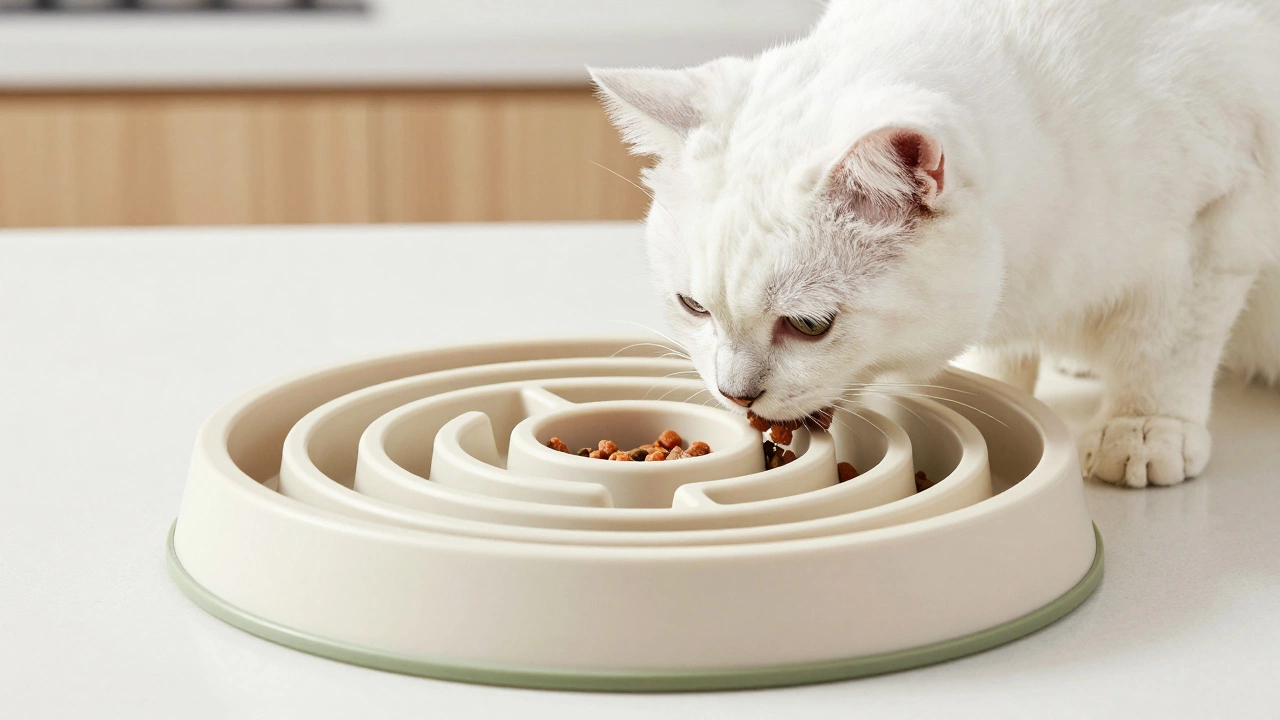
To fix this, you don't need medicine; you need mechanics. Switch to a slow feeder bowl is a dish with ridges or mazes that forces cats to eat slowly. These bowls force your cat to work for their food, breaking the habit of gulping. Alternatively, spread the kibble out on a flat surface or use a puzzle feeder. This turns mealtime into a mental exercise rather than a race.
Hairballs: The Silent Accumulator
If your cat grooms herself frequently, she is swallowing hair. Cats can’t digest hair, so it accumulates in the stomach. Eventually, the body tries to expel it. A classic hairball is a long, thin cylinder of dark matter. But here’s the catch: if your cat is throwing up *daily*, it might not just be hairballs. It could be "pseudo-hairballs" caused by irritation from the hair irritating the stomach lining, leading to inflammation.
Long-haired breeds like Persians, Maine Coons, and Ragdolls are prone to this, but short-haired cats aren't immune. If you see hair in the vomit, you need to intervene before it becomes a blockage. Brushing your cat daily removes loose fur before it gets swallowed. You can also add a hairball remedy to their diet. Look for products containing psyllium husk is a soluble fiber that helps move hair through the digestive tract or specialized oils. Wet food also helps significantly because the moisture lubricates the digestive system, helping hair pass through naturally rather than getting stuck.
Food Intolerance and Sensitive Stomachs
This is where things get tricky. Your cat seems fine between episodes, but her gut is inflamed. Chronic, low-grade vomiting can be a sign of a food intolerance. Unlike a food allergy which causes itching and skin issues, an intolerance affects the gut. Common triggers include chicken (the most common protein in commercial cat food), beef, fish, grains, or dairy.
Many commercial foods contain fillers like corn, wheat, or soy. While these aren't inherently bad, some cats lack the enzymes to break them down efficiently. The result? Gas, bloating, and eventual vomiting as the stomach tries to reset. If your cat eats a generic supermarket brand, this is a prime suspect.
The only way to diagnose this is an elimination diet. You must switch to a novel protein source (like rabbit, venison, or duck) or a hydrolyzed prescription diet for at least 8-12 weeks. Do not treat her with treats, table scraps, or flavored dental chews during this time, as they will ruin the test. If the vomiting stops, you’ve found the culprit. Slowly reintroduce old ingredients one by one to identify the specific trigger.
The Dry Food Problem: Moisture Matters
In New Zealand, we love our convenience, and dry kibble is incredibly convenient. But biologically, cats are desert animals designed to get most of their water from their prey. Their kidneys are efficient, but their stomachs aren't designed to rehydrate dry pellets. Eating dry food can lead to a concentrated stomach acid environment, causing gastritis (stomach inflammation).
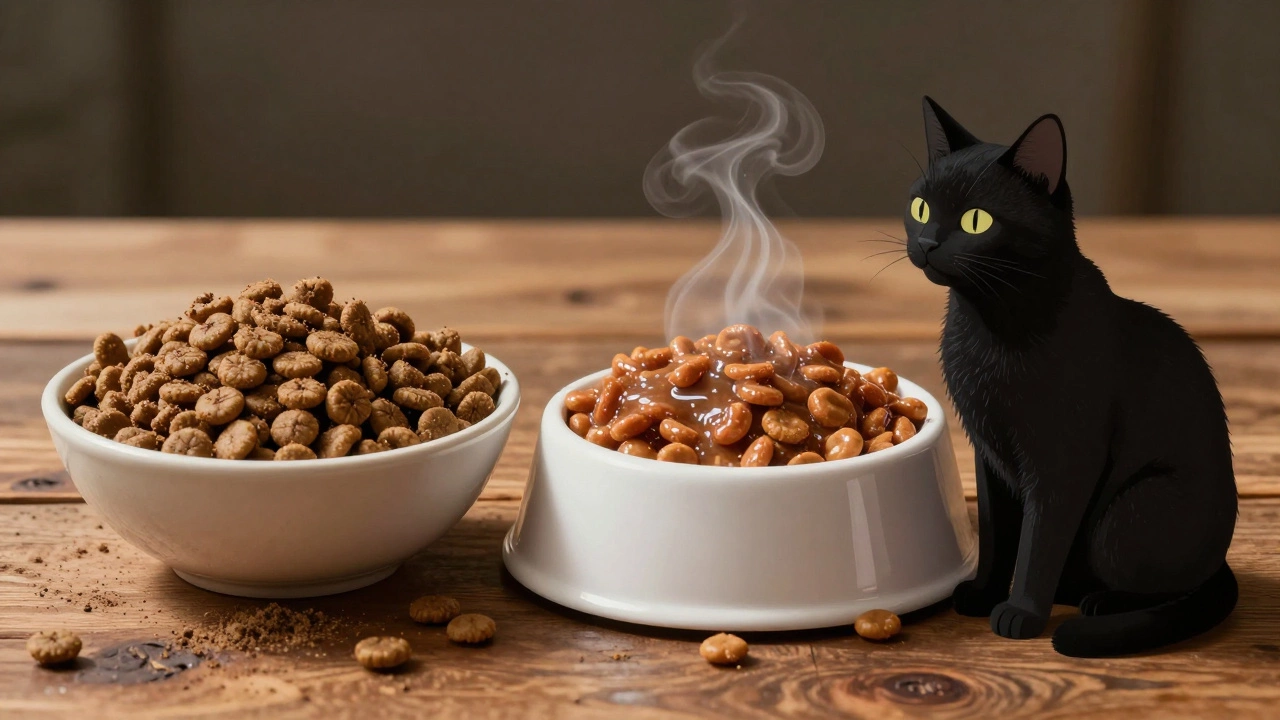
Switching to wet cat food is a high-moisture diet that mimics natural prey and aids digestion can be a game-changer. Wet food is easier to digest and less likely to sit heavy in the stomach. If your cat refuses wet food, start by mixing a little warm water into her kibble or adding a small amount of wet food as a topper. Gradually increase the ratio over two weeks. The higher moisture content reduces the workload on her digestive system and often eliminates the daily vomiting associated with dry diets.
When "Seems Fine" Is Actually Serious
You need to know when to stop home remedies and call the vet. Daily vomiting is never normal, even if the cat acts playful. Over time, chronic vomiting leads to weight loss, dehydration, and electrolyte imbalances that damage organs silently. Watch for these red flags:
- Blood in vomit: Bright red or coffee-ground appearance indicates bleeding in the stomach or intestines.
- Yellow or green fluid: This is bile. It means the stomach is empty and irritated, or there is a blockage preventing food from passing.
- Lethargy: If she’s sleeping more than usual or hiding, she is conserving energy due to discomfort.
- Weight loss: Weigh your cat monthly. Even a slight drop is significant.
- Changes in litter box habits: Diarrhea or constipation alongside vomiting suggests a systemic issue like Inflammatory Bowel Disease (IBD) or hyperthyroidism.
Conditions like IBD, pancreatic insufficiency, and early-stage kidney disease present with vague symptoms. Hyperthyroidism, common in older cats, increases metabolism, causing cats to eat more but lose weight and vomit occasionally. Blood tests and ultrasounds are often necessary to rule these out. Don’t wait until your cat collapses; daily vomiting is your body’s warning light.
Practical Steps to Stop the Vomiting
If your cat is stable and you want to try home management first, follow this protocol:
- Small, Frequent Meals: Instead of one or two large meals, feed four to six tiny meals throughout the day. An empty stomach produces acid that irritates the lining; a full stomach stretches it. Small amounts keep the stomach comfortable.
- Elevate the Bowl: Raise the food bowl slightly off the ground. This uses gravity to help food move down the esophagus and reduces air swallowing, which can cause nausea.
- Remove Food After 20 Minutes: If she doesn’t finish it, take it away. This prevents grazing and keeps her appetite sharp for the next scheduled meal.
- Add Probiotics: Feline-specific probiotics can help balance gut flora, especially if the vomiting is related to diet changes or stress.
- Monitor Stress: Cats are sensitive to environmental changes. New pets, construction noise, or even moving furniture can cause stress-induced vomiting. Ensure she has safe, quiet spaces to retreat to.
Keep a log. Write down what she ate, when she vomited, and what the vomit looked like. Take photos. This data is invaluable to your veterinarian. It helps distinguish between patterns related to feeding, hairballs, or underlying disease.
Understanding the Long-Term Risks
Ignoring daily vomiting can lead to severe health complications. Chronic gastritis can progress to ulcers. Electrolyte imbalances can affect heart function. Weight loss leads to muscle wasting and hepatic lipidosis (fatty liver disease), which is life-threatening in cats. By addressing the issue now, you are protecting her quality of life and longevity. Most cases resolve with simple dietary adjustments, but identifying the root cause requires observation and patience.
Is it normal for a cat to vomit once a week?
Occasional vomiting (once a month or less) can be normal, often due to a hairball or eating something inappropriate. However, weekly vomiting is frequent enough to warrant investigation. It suggests a recurring issue like eating too fast, food intolerance, or mild gastrointestinal inflammation that should be addressed.
What should I do if my cat vomits clear liquid?
Clear liquid usually indicates stomach acid or saliva. This happens when the stomach is empty for too long. Try feeding smaller, more frequent meals. If it persists, it could signal nausea from an underlying condition like kidney disease or pancreatitis, so consult your vet.
Can stress cause a cat to throw up?
Yes. Cats are highly sensitive to environmental changes. Stress can disrupt digestion, leading to vomiting. Common triggers include new pets, moving house, loud noises, or changes in routine. Providing safe spaces and pheromone diffusers can help mitigate stress-related vomiting.
Should I switch my cat to wet food if they vomit daily?
It is often recommended. Wet food is easier to digest and provides necessary hydration, which helps flush the digestive system. The transition should be gradual over 7-10 days to avoid further upsetting the stomach. Start by mixing small amounts of wet food with their current dry food.
How long should I wait before seeing a vet for daily vomiting?
If your cat is vomiting daily, you should see a vet within a week, even if she seems fine. Chronic vomiting damages the esophagus and stomach lining over time. Early diagnosis of conditions like IBD, hyperthyroidism, or food allergies leads to better outcomes and prevents serious complications.