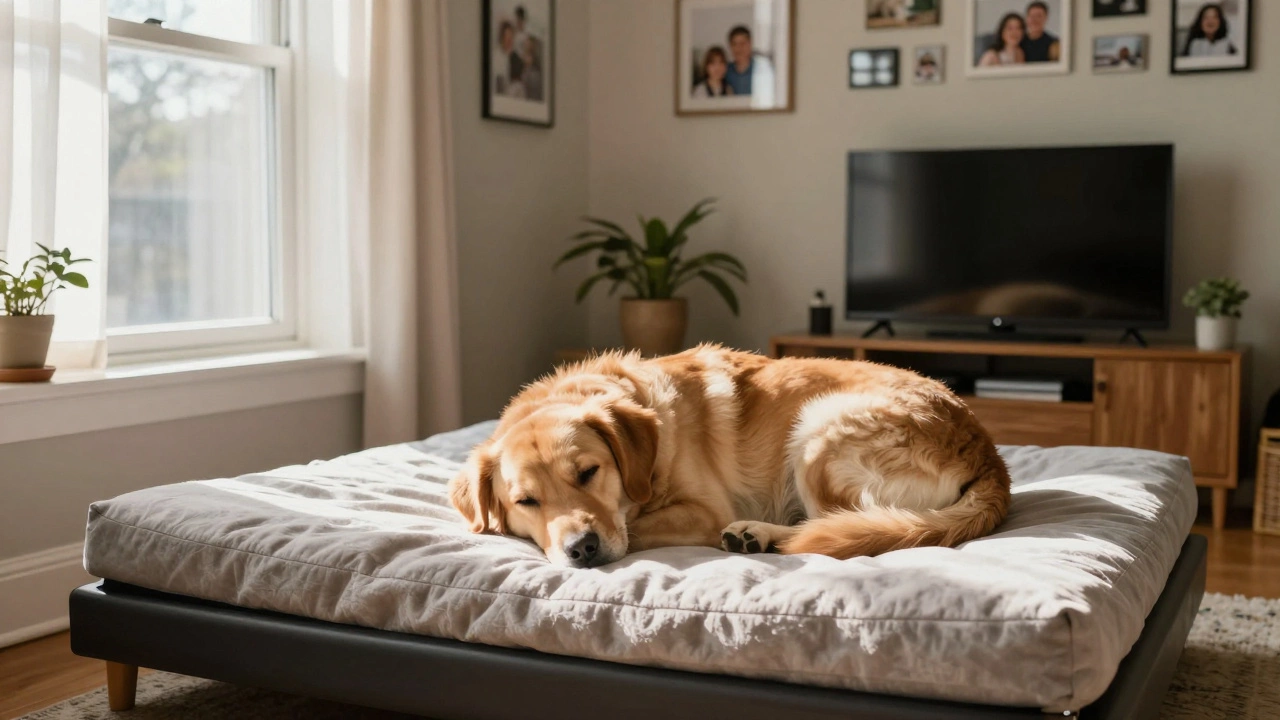
Dog Bed Placement Calculator
Find the best location for your dog's bed based on your dog's personality, your routine, and other factors. This tool helps you determine if the living room, bedroom, or both locations are best for your furry friend.
Dog's Personality
Your Routine
Dog's Age & Health
Home Environment
Nighttime Considerations
Where you put your dog’s bed isn’t just about convenience-it affects their sense of security, your bond, and even how well they sleep. Many pet owners wonder: should the dog bed be in the living room or the bedroom? The answer isn’t one-size-fits-all. It depends on your dog’s personality, your routine, and what kind of relationship you want to build.
Why Location Matters for Your Dog
Dogs are pack animals. In the wild, they sleep close to their pack for warmth and safety. That instinct hasn’t disappeared. When your dog sleeps, they’re not just resting-they’re feeling secure. If their bed is too far from you, they might feel isolated. If it’s too close, they might become overly dependent.Studies show that dogs with access to their owner’s bedroom sleep more deeply and show fewer signs of anxiety. A 2020 study from the University of Lincoln found that dogs who slept in the same room as their owners had lower cortisol levels-meaning less stress-than those kept in separate rooms.
Living Room: The Social Hub
Placing your dog’s bed in the living room makes sense if you spend most of your day there. It’s the center of activity. Your dog can watch TV, listen to conversations, and feel part of the family without being underfoot.This setup works best for:
- Dogs who are confident and not prone to separation anxiety
- Owners who work from home or are home often during the day
- Households with multiple people who move around the living space
But there’s a catch. Living rooms are noisy. Kids running, the TV blaring, guests coming and going-these can be overwhelming for sensitive dogs. If your dog starts pacing, panting, or whining when the house gets busy, their bed might be in the wrong spot.
Also, living room floors are harder. If your dog has joint issues-common in older breeds like Labradors or German Shepherds-a plush bed on a cold tile floor won’t cut it. Make sure their bed has thick, orthopedic padding, even if it’s in the living room.
Bedroom: The Safe Haven
Putting your dog’s bed in your bedroom taps into their natural instinct to stay close to the pack. Many dogs will sleep right at the foot of your bed or beside your nightstand, not because they’re trying to steal your space, but because they feel safest there.This setup is ideal for:
- Dogs with separation anxiety
- Senior dogs who need extra comfort
- Small breeds like Chihuahuas or Pomeranians who get cold easily
- Owners who want to monitor their dog’s breathing or movements at night
Some people worry that letting a dog sleep in the bedroom encourages bad behavior. That’s a myth. Dogs don’t see your bed as a throne-they see it as your territory, and being near you is their way of showing loyalty. The key is consistency. If you allow them in the bedroom, make sure they have their own designated spot, not the pillow you just bought.
One real-world example: A client in Wellington had a rescue Border Collie who howled every time she left the house. After moving the dog’s bed into the bedroom, the howling dropped by 80% in two weeks. The dog wasn’t being clingy-she was scared. Proximity gave her peace.

What About Both?
You don’t have to pick one. Many households use a dual-bed strategy. Keep a sturdy, washable bed in the living room for daytime naps and a softer, warmer bed in the bedroom for nighttime.This works especially well if:
- You’re away during the day but home at night
- Your dog is young and still learning boundaries
- You have a large home and want to give your dog options
Just make sure both beds are comfortable and in consistent locations. Dogs thrive on routine. If you move the bed around every week, they’ll get confused and stressed.
Signs Your Dog’s Bed Is in the Wrong Spot
Your dog can’t tell you they’re uncomfortable. But they’ll show you:- They circle for 20 minutes before lying down-meaning the spot doesn’t feel safe or cozy
- They wake up often at night, pacing or whining
- They avoid the bed entirely and sleep on the floor, under furniture, or on your clothes
- They bark or whine when you leave the room they’re in
If you notice any of these, it’s not about disobedience. It’s about environment. Try moving the bed closer to you for a few nights. See if their behavior changes.
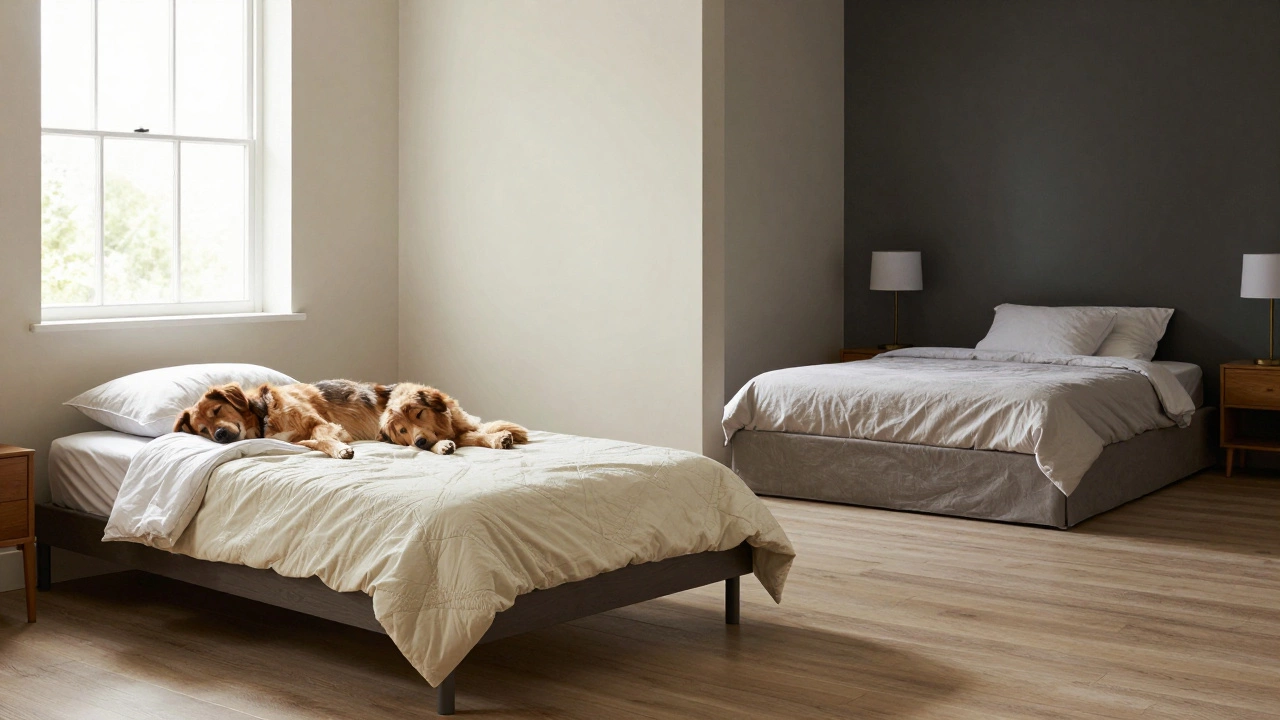
Practical Tips for Placement
Here’s what actually works, based on real dog owners in Auckland and beyond:- Place the bed away from drafts. Don’t put it right next to a window or air conditioner.
- Keep it off cold floors. Use a rug or mat underneath, even if it’s in the bedroom.
- Don’t block doorways or walkways. Your dog shouldn’t have to squeeze past you to get to their spot.
- Choose a quiet corner. Even in the living room, avoid placing the bed near the TV or front door.
- Wash the bed weekly. Dogs shed, track in dirt, and sometimes have accidents. Cleanliness affects how much they like their bed.
What About Puppies?
Puppies need extra reassurance. Their first few weeks in a new home can be terrifying. Keeping their bed in your bedroom for the first month helps them adjust. It reduces crying, accidents, and nighttime panic.Once they’re crate-trained and calm, you can slowly move their bed to the living room if you prefer. But don’t rush it. Puppies who sleep near their owners develop stronger trust and fewer behavioral issues later on.
Final Thought: It’s About Connection, Not Control
The question isn’t whether your dog should sleep in the living room or the bedroom. It’s about where they feel most like part of the family. Dogs don’t care about decor or rules. They care about safety, warmth, and presence.Try this: spend one week with the bed in the living room. Then move it to the bedroom for another week. Watch your dog’s behavior. Do they relax more? Do they sleep longer? Do they look at you differently when you wake up?
Your dog will tell you the right answer. You just have to listen.
Is it bad to let my dog sleep in my bedroom?
No, it’s not bad. In fact, many dogs sleep better and show less anxiety when they’re near their owners. The key is setting boundaries-give them their own bed, not your pillow, and keep the space clean. Studies show reduced stress levels in dogs who sleep in the same room as their humans.
What if my dog barks at night in the bedroom?
Barking at night usually means your dog is anxious, bored, or needs to go outside. Check if they’ve had enough exercise during the day, if they need a bathroom break before bed, or if they’re reacting to sounds outside. If the barking started after you moved their bed, try placing it closer to your side of the bed. Sometimes proximity alone calms them down.
Should I put my dog’s bed next to my bed?
It’s a personal choice, but many owners find it helpful. Placing the bed near your side of the bed gives your dog a sense of security without sharing your space. Use a large, soft bed so they have room to stretch. Avoid putting it directly on top of your rug or blanket-this can confuse them about boundaries.
Can I have two dog beds-one in each room?
Yes, and it’s often the best solution. A durable bed in the living room for daytime use and a cozy, warmer bed in the bedroom for nighttime gives your dog flexibility. Make sure both are clean and comfortable. Dogs prefer consistency, so keep each bed in the same spot every day.
What kind of bed is best for the bedroom?
For the bedroom, choose a bed with memory foam or orthopedic support, especially for older dogs. Look for removable, machine-washable covers. Avoid beds with lots of stuffing that flattens quickly. A low-profile bed with raised edges helps dogs feel secure-like a den. Brands like Kuranda or PetFusion are popular in New Zealand for their durability and comfort.