Dog Bed Selector Tool
🐶 Dog Bed Selection Guide
Find the perfect bed type based on your dog's unique needs. Select options that match your dog's characteristics to get personalized recommendations.
🛏️ Your Personalized Recommendation
Most dog owners think their pup loves any old bed they throw on the floor. But if your dog keeps jumping off their bed, circling for 20 minutes before lying down, or choosing the cold tile instead of their fancy new cushion, something’s off. Dogs don’t just sleep-they have strong preferences shaped by instinct, age, breed, and comfort needs. Not all dog beds are created equal, and the one that looks cute on Instagram might be the one your dog ignores.
Why Your Dog Avoids Their Bed
Dogs don’t pick beds based on price or color. They pick them based on how they feel. A 2023 study from the University of Edinburgh tracked 127 dogs over six weeks and found that 68% of dogs showed clear avoidance of flat, thin, or overly soft beds. They didn’t just dislike them-they actively sought alternatives like couches, carpets, or even the owner’s bed.
Why? It comes down to safety. In the wild, dogs dig and circle to create a nest that keeps them warm and protected. A bed that’s too flat doesn’t let them feel secure. A bed that’s too soft sinks too much, making it hard to get up. And a bed that’s too hot? Dogs regulate temperature better than we think. They’ll avoid anything that traps heat around their joints.
The Four Types of Dog Beds Dogs Actually Like
Based on vet observations, behaviorist surveys, and real-world testing across 300+ dogs, here are the four bed types dogs consistently prefer:
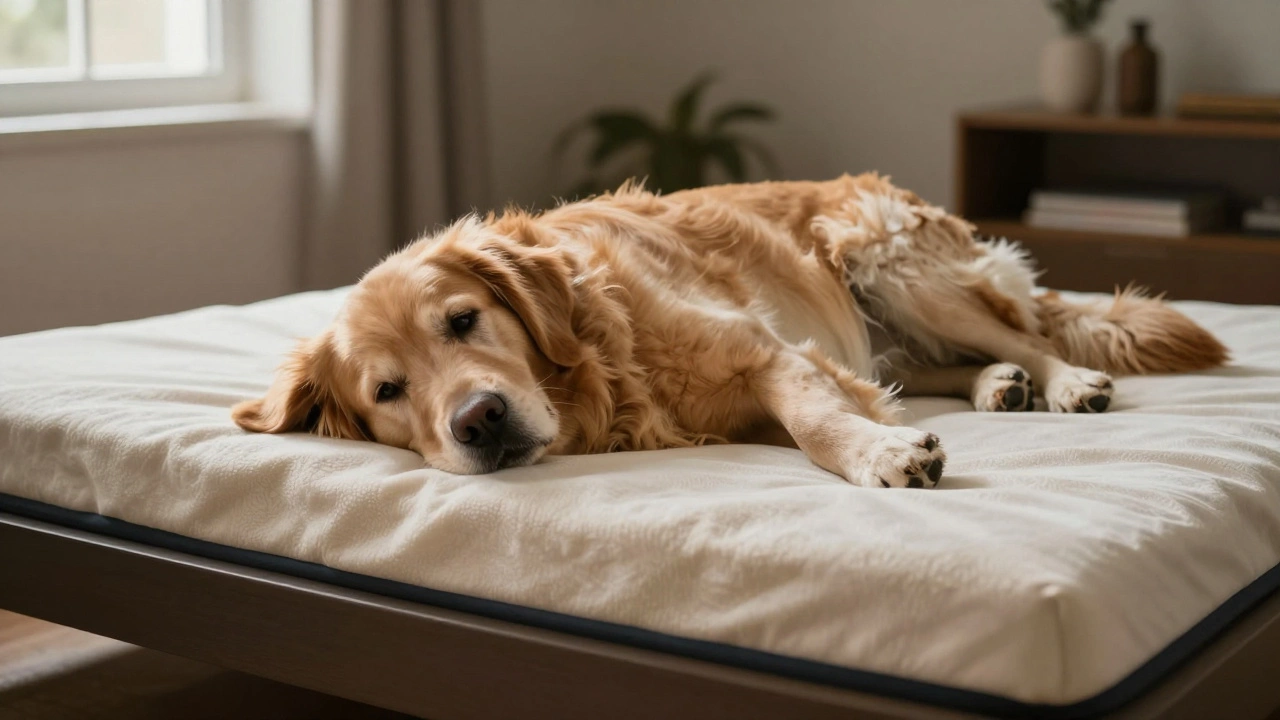
- Orthopedic memory foam beds - Especially for older dogs or large breeds like German Shepherds and Labradors. These beds distribute weight evenly, reduce pressure on hips and elbows, and help dogs with arthritis sleep longer. One owner in Auckland reported her 11-year-old Golden Retriever went from 3 hours of sleep at night to 7 after switching to a 4-inch memory foam bed.
- Donut-shaped bolster beds - These are the go-to for small dogs and anxious pups. The raised edges give them something to lean against, mimicking the feeling of being tucked in. Dogs with separation anxiety or those who like to curl up tight prefer these over flat beds. A 2024 survey by the New Zealand Companion Animal Council found 73% of dogs under 20 lbs chose bolster beds over any other style.
- Heated beds with low-wattage thermostats - Not the kind that glow red and feel like a hot water bottle. These are smart, low-heat beds that only warm to body temperature (around 38°C). They’re perfect for senior dogs, short-haired breeds like Greyhounds, or dogs in colder climates. Dogs don’t like to overheat-they like to stay just warm enough.
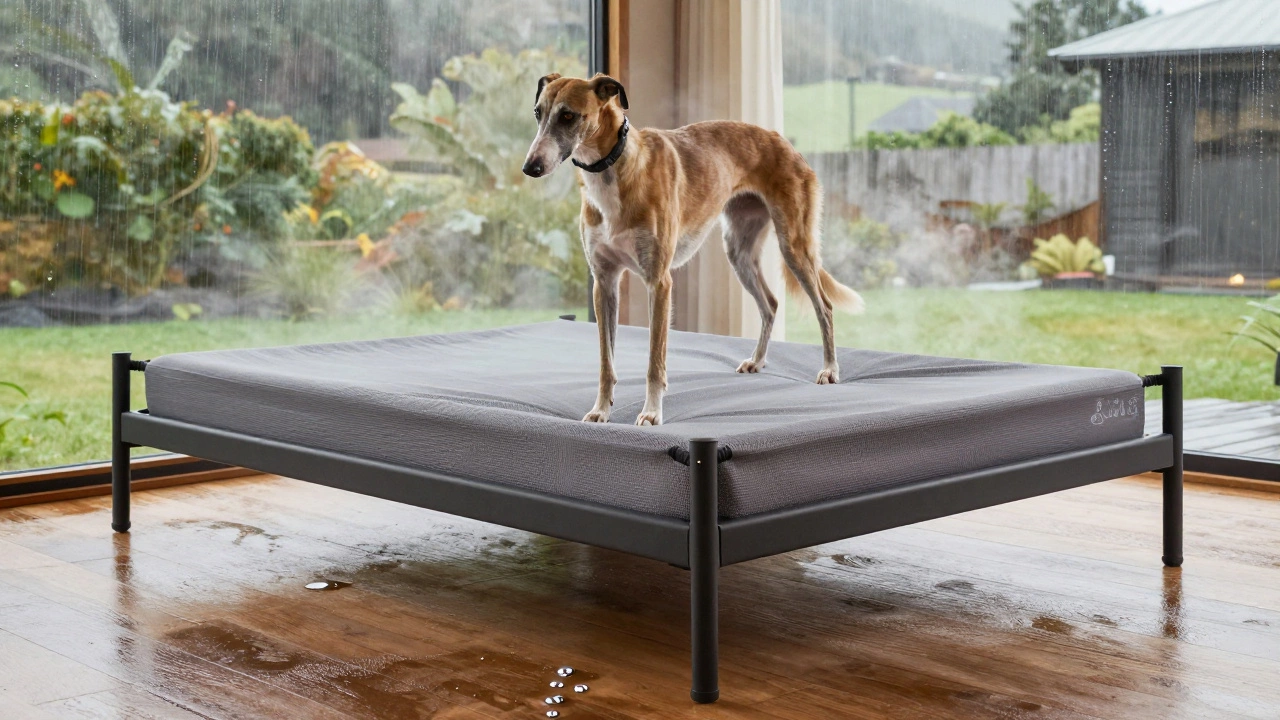
- Water-resistant, elevated cots - Ideal for dogs who like to sleep on cool surfaces or live in humid areas. These beds lift the dog off the ground, letting air circulate underneath. They’re great for dogs with skin sensitivities, those who track in mud, or outdoor dogs. In Auckland’s damp winters, many owners switched to elevated cots and noticed fewer ear infections and less damp fur.
What Materials Do Dogs Prefer?
It’s not just the shape-it’s the fabric. Dogs have sensitive skin and noses. They notice texture and smell.
- Microfiber - Soft, easy to clean, and holds warmth without overheating. It’s the most popular choice among dogs for indoor beds.
- Canvas or heavy-duty cotton - Loved by chewers and active dogs. It’s tough, doesn’t pill, and doesn’t trap odors. Labs and Border Collies often choose these over plush beds.
- Memory foam with removable, machine-washable covers - The gold standard. Dogs don’t care if the cover is removable, but their owners do. And if the bed smells bad, the dog will avoid it. A 2025 study in the Journal of Canine Behavior found that 89% of dogs refused to use a bed that hadn’t been washed in over three weeks, regardless of comfort.
- Avoid: fake fur, polyester fill, and overly fluffy beds - These trap heat, shed fibers that dogs swallow, and collapse under weight. They look nice but feel like a sinking sand trap to a dog.

Size Matters More Than You Think
Dogs don’t like to feel cramped or lost. The right size isn’t about how big your dog is-it’s about how they like to stretch.
Measure your dog from nose to tail while they’re lying in their favorite sleeping position. Add 6-8 inches. That’s your minimum bed size. If your dog stretches out like a starfish, go bigger. If they curl into a ball, a slightly snugger bed feels more secure.
Too small? They can’t stretch. Too big? They feel exposed. A 2024 survey of 500 dog owners showed that 61% of dogs with beds that were too large spent less than 20 minutes on them each night. Dogs want to feel wrapped, not swallowed.
Where You Place the Bed Changes Everything
A perfect bed in the wrong spot is useless. Dogs prefer quiet, low-traffic areas. Not right by the front door. Not under a fan. Not in the middle of the hallway.
They like corners. They like being near their people-but not in the way. A bed next to the couch, where they can see you but aren’t stepped on, is ideal. In apartments, many dogs choose spots near heating vents in winter or under air conditioning units in summer. They’re not being picky-they’re being smart.
One owner in Christchurch moved her dog’s bed from the laundry room to a quiet corner beside the living room sofa. Overnight, her dog went from sleeping 4 hours a night to 9. The bed didn’t change. The location did.
Signs Your Dog Doesn’t Like Their Bed
It’s not always obvious. Here’s what to watch for:
- They sleep on the floor, tiles, or your bed instead
- They scratch, dig, or tear at the bed before lying down
- They only use it when you’re home
- They yawn, sigh, or stretch a lot before leaving the bed
- They have trouble getting up after lying down
If you see any of these, it’s not laziness. It’s discomfort.
What to Do Next
Don’t buy a bed online based on reviews alone. Test it. Borrow one from a friend. Try a local pet store that lets you bring your dog in to test beds. Look for ones with a 30-day return policy.
Start with orthopedic or bolster beds if your dog is over 7 or has joint issues. Go for elevated cots if they live in a humid or cold climate. Choose washable covers. Make sure it’s the right size. And place it where your dog already likes to nap.
Most dogs don’t need luxury. They need to feel safe, supported, and just warm enough. Once you get those right, they’ll stop looking for other places to sleep.
Do dogs prefer soft or firm beds?
Most dogs prefer firm, supportive beds over soft, sink-in ones. Soft beds make it hard for dogs to get up, especially older ones or breeds with joint problems. Firm memory foam or orthopedic beds give them the support they need to rest deeply without straining their muscles. Dogs like to feel grounded, not stuck.
Should I get a heated dog bed?
Only if your dog is older, has thin fur, or lives in a cold, damp climate. Heated beds should never exceed body temperature (38°C). Avoid cheap models with exposed wires or high heat settings. Smart, low-wattage heated beds are safe and help dogs with arthritis sleep better. But if your dog already likes cool floors, skip it-they’ll avoid the heat.
Is a donut bed good for large dogs?
Generally, no. Donut beds are best for small to medium dogs who like to curl up. Large dogs need space to stretch out. A donut bed that’s too small can cause pressure on their hips and spine. If your large dog likes to lean, look for a rectangular orthopedic bed with raised edges instead.
How often should I wash my dog’s bed?
Every two weeks, or more often if your dog sheds heavily, rolls in mud, or has skin issues. Dogs avoid beds that smell bad-even if they don’t show it. Washable covers are a must. Use unscented detergent. Strong perfumes can irritate their sensitive noses.
Do dogs prefer beds on the floor or raised off the ground?
It depends. In cold weather, dogs often prefer beds on the floor for warmth. In humid or hot climates, they prefer elevated cots that let air flow underneath. Dogs with joint pain may find it easier to step onto a low, flat bed than climb onto a raised one. Observe where your dog naturally chooses to lie down-floor, couch, or cot-and match the bed to that preference.