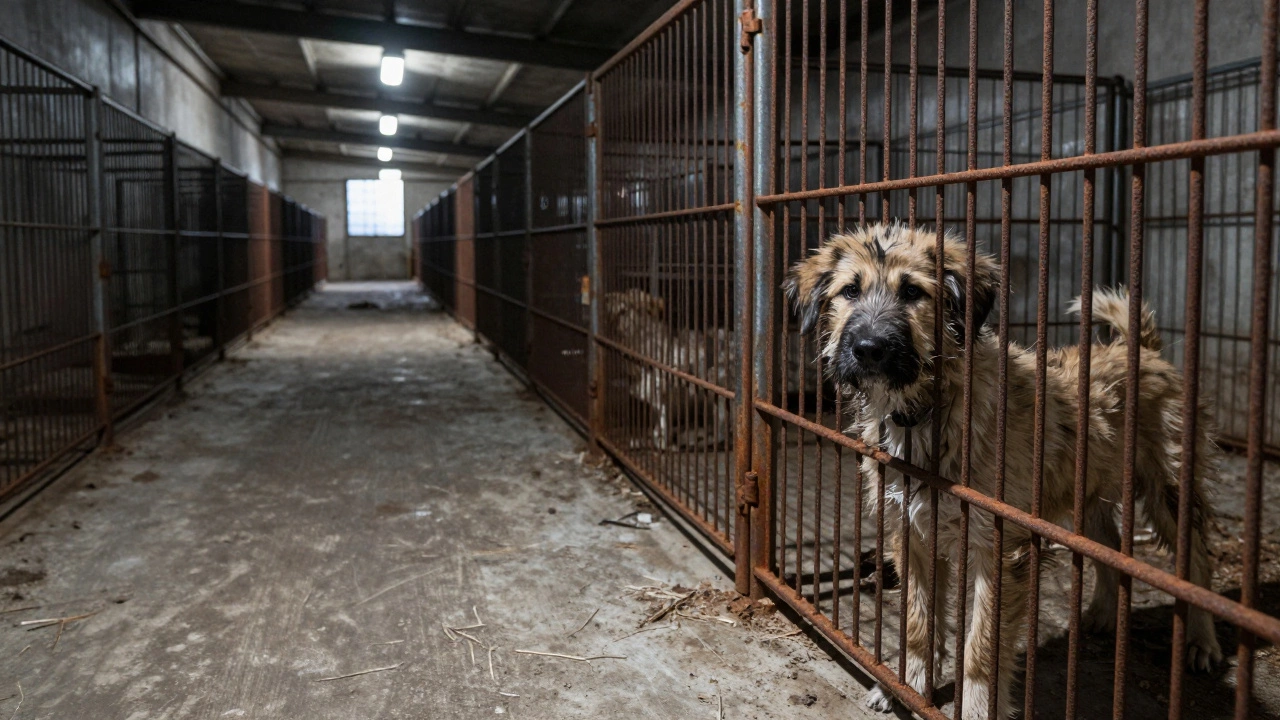
Puppy Mill Awareness & Ethical Breeder Checklist
Understanding the risks associated with puppy mills is crucial for ethical dog ownership. This tool helps you identify red flags when evaluating breeders and provides information on states with higher concentrations of commercial breeding facilities.
Red Flag Assessment
Check any conditions that apply to the breeder you are considering:
Buying a puppy is supposed to be one of life’s most joyful moments. You’re bringing home a furry friend who will grow with you, learn your routines, and become part of the family. But if you’ve ever searched for a purebred online or spotted a “litter available” ad on a roadside sign, you might have stumbled into something much darker. Puppy mills-large-scale commercial breeding facilities-operate in many parts of the United States, often in plain sight. They prioritize profit over animal welfare, keeping dogs in cramped cages, neglecting basic veterinary care, and churning out puppies sold through pet stores and websites.
If you’re planning a trip or considering adopting a dog while traveling, it helps to know where these operations are most prevalent. Some states have weak enforcement of animal welfare laws, making them hotspots for puppy mills. Others have taken strong legislative steps to shut them down. Understanding this landscape can help you avoid supporting unethical practices-and make smarter choices when looking for a new companion.
Before we dive into which states are the worst offenders, let’s clarify what makes a place vulnerable to puppy mill activity. It usually comes down to three factors: lax regulations, limited resources for inspection, and high demand from buyers outside the state. Many puppy mills operate legally because they meet minimum legal standards-even if those standards fall far short of humane treatment. And since puppies are shipped across state lines, residents of strict-regulation states may unknowingly support mills located elsewhere.
| State | Key Issues | Recent Legal Changes |
|---|---|---|
| Iowa | Lack of mandatory inspections; large number of registered breeders | No major reforms since 2018 |
| Kansas | Weak enforcement; few shelter partnerships | Bill proposed in 2025 but stalled |
| Missouri | High volume of puppy sales via internet vendors | New labeling law passed in 2023 |
| Nebraska | Minimal oversight; rural locations hide operations | None significant |
| Texas | Large population increases demand; inconsistent local enforcement | Some cities banned backyard breeding |
The Problem Behind the Puppies
Puppy mills aren’t just about bad conditions-they’re about systemic failure. These facilities treat dogs like products, not living beings. Breeding females are kept pregnant year after year until their bodies break down. Males are confined to small spaces with little stimulation. Puppies are removed from their mothers too early, leading to behavioral issues that follow them into homes. The result? Thousands of dogs end up in shelters each year due to health problems or aggression caused by poor socialization.
And yet, millions of people still buy from these sources every year. Why? Because convenience sells. Online ads promise specific breeds at low prices, delivered right to your door. Pet stores display cute faces behind glass windows, rarely mentioning where those animals came from. Without proper education, consumers don’t realize they’re funding cruelty.
This is why awareness matters. Knowing which states allow such practices gives you power to choose differently. Instead of buying from unknown sellers, consider visiting rescues, fostering temporarily, or working with reputable breeders who welcome visits and provide full medical records.
Why Certain States Allow Puppy Mills to Thrive
Not all states regulate breeding equally. In fact, only a handful require regular inspections or set minimum space requirements. Iowa, for example, allows breeders to register without proving adequate housing or healthcare. Kansas has similar loopholes, letting operators fly under the radar unless complaints arise. Missouri once led the nation in puppy mill closures thanks to aggressive advocacy-but recent political shifts have weakened enforcement.
Meanwhile, states like California and New York have cracked down hard. Both now ban selling puppies in retail stores and require breeders to pass unannounced inspections. Florida recently updated its laws to increase penalties for neglect. Even Texas, known for its size and diversity, sees growing pressure to act as urban areas push back against rural breeding farms.
So how do you spot red flags when shopping for a dog? Here’s what to look for:
- Sellers won’t let you visit the facility
- Puppies arrive without vaccination records
- Breeder refuses to answer questions about parentage
- Dogs appear sickly, scared, or poorly groomed
- Multiple litters advertised simultaneously
If any of these apply, walk away. There’s always another option.
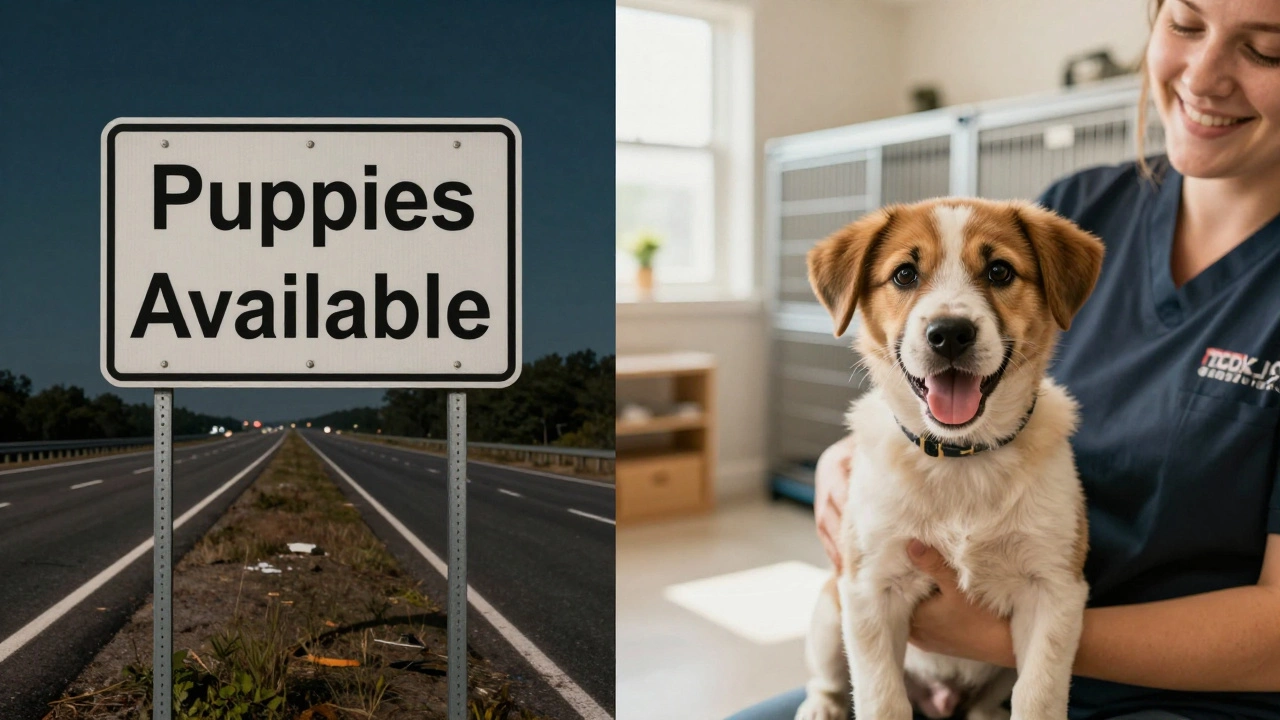
Alternatives That Make a Difference
You don’t need to live in a state with strong laws to avoid supporting puppy mills. Adoption centers exist everywhere-from national networks like ASPCA and Humane Society to local shelters run by volunteers. Many offer virtual tours so you can meet potential matches before committing. Some even specialize in senior dogs or special-needs pups who deserve loving homes.
Fostering is another powerful choice. By opening your home temporarily, you give traumatized animals a chance to heal while helping shelters manage overcrowding. Plus, foster families often get first dibs on adopting the pets they care for.
For those set on purebreds, seek out AKC-approved breeders who participate in health testing programs. Reputable breeders screen for genetic diseases, raise puppies indoors with human interaction, and take back any dog they sell no matter the age. They’ll also ask YOU questions-to ensure you’re ready for responsibility.
One lesser-known resource worth checking out is this directory, which lists verified companions across various regions-including some international options for travelers seeking discreet services abroad. While unrelated to pet adoption, it serves as an example of how niche directories can help users find trusted contacts quickly.

How You Can Help End the Cycle
Change starts with individual action. Every time someone chooses adoption over purchase, they send a message to the industry: cruelty doesn’t pay off. Share stories on social media. Donate to organizations fighting puppy mills. Volunteer at shelters during holidays when intake spikes. Write letters to lawmakers urging stronger legislation.
Educate friends and family too. Many people genuinely don’t understand the difference between responsible breeding and mass production. Explain the signs of abuse. Show videos comparing healthy environments versus factory-like setups. Offer to accompany them on shelter visits.
Finally, think globally. Puppy mills aren’t limited to the U.S.-they exist worldwide. If you travel frequently, research local rescue groups ahead of time. Support foreign NGOs doing grassroots work. Bring awareness wherever you go.
Final Thoughts
The truth is, no state should tolerate puppy mills. Yet until federal laws step in, progress depends on citizen engagement. Stay informed. Ask tough questions. Demand transparency. Most importantly, remember that every dog deserves love-not exploitation.
Your next chapter could begin with a rescue pup waiting patiently in a cage somewhere. Give them a second chance. Your heart-and theirs-will thank you.
Which states have the most puppy mills?
Iowa, Kansas, Missouri, Nebraska, and Texas are frequently cited as having higher concentrations of puppy mills due to weaker regulations and enforcement gaps.
How can I tell if a breeder is running a puppy mill?
Red flags include refusal to let you visit, lack of health documentation, multiple litters listed at once, and dogs appearing unhealthy or fearful.
Are there any good reasons to buy from a puppy mill?
No. No ethical justification exists for supporting facilities that exploit animals for profit. Always explore adoption or reputable breeding alternatives instead.
Can I report a suspected puppy mill?
Yes. Contact your local animal control agency, USDA (if licensed), or file a complaint with statewide farm bureaus. Anonymous tips are accepted in most jurisdictions.
Do puppy mills affect other industries besides pet ownership?
Indirectly yes. Increased vet bills, shelter overcrowding, and public health risks tied to untreated diseases create broader societal costs.