Dog Food Health Checker
Evaluate Your Dog's Food
Check if your dog's food meets the health standards recommended by veterinary nutritionists. Enter details from your dog food label to get a score and recommendations.
Feeding your dog the healthiest food isn’t about buying the most expensive bag on the shelf or the one with the prettiest label. It’s about matching what’s in the bowl to what your dog’s body actually needs. Too many pet owners get caught up in marketing claims like "grain-free," "superfood," or "human-grade"-but those terms don’t mean much without context. The real question isn’t what’s trendy-it’s what keeps your dog healthy, energetic, and free from digestive issues or skin problems over the long term.
What Makes Dog Food Healthy?
A healthy dog food isn’t just about protein. It’s about balance. Dogs are omnivores with a strong carnivorous bias, meaning they thrive on animal-based proteins but can also digest and benefit from certain vegetables, fruits, and grains. The healthiest dog foods have:
- High-quality animal protein as the first ingredient-chicken, beef, lamb, fish, or eggs-not meat meal or by-products.
- Minimal processing-extruded kibble is convenient, but gently cooked or freeze-dried options retain more nutrients.
- No artificial additives-no BHA, BHT, ethoxyquin, or artificial colors.
- Appropriate fat levels-5-15% for most adult dogs, higher for active breeds.
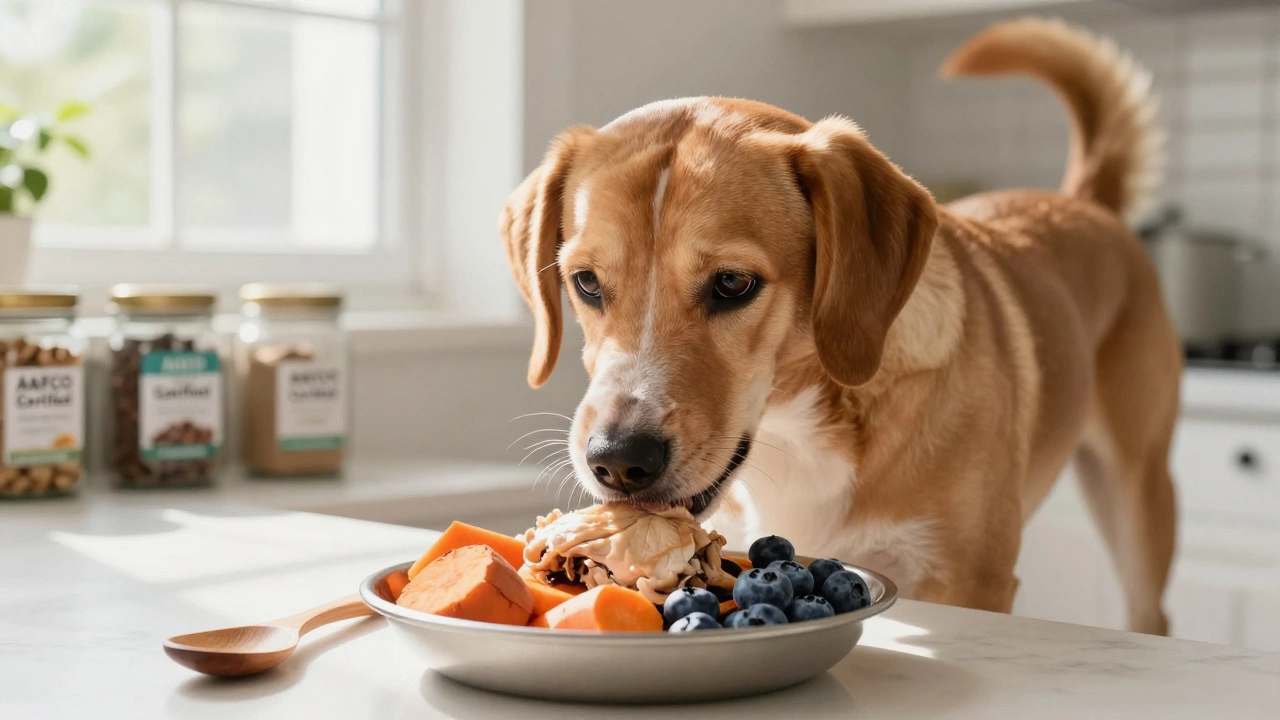
- Real vegetables and fruits-like sweet potatoes, carrots, blueberries, and pumpkin-not just fillers.
- No unnecessary grains-unless your dog tolerates them. Some dogs do better with brown rice or oats; others need grain-free formulas.
The American Veterinary Medical Association (AVMA) states that there’s no single "best" diet for all dogs. But they do agree that diets formulated by veterinary nutritionists and meeting AAFCO nutrient profiles are the most reliable.
Top 5 Healthiest Dog Food Types
Not all dog foods are created equal. Here are the five types that consistently deliver the best results for dogs in real-world use:
- Whole-food, homemade diets-When properly balanced with supplements like calcium and taurine, home-cooked meals using lean meats, vegetables, and healthy fats can be the most nutritious. A 2023 study from the University of Illinois found that dogs on balanced homemade diets had better coat quality, lower inflammation markers, and improved stool consistency compared to those on commercial kibble.
- Freeze-dried raw food-These mimic a dog’s natural diet without the risks of handling raw meat at home. Brands like Primal and Stella & Chewy’s use high-quality meats, organs, and bone, then freeze-dry them to preserve nutrients. They’re easy to rehydrate and store.
- Low-temperature cooked food-Companies like The Farmer’s Dog and Nom Nom cook food gently in small batches, preserving enzymes and nutrients. Their meals are portioned by weight and breed, making them ideal for dogs with sensitivities.
- High-protein, grain-free kibble-Not all kibble is bad. Brands like Orijen, Acana, and Wellness CORE use over 80% animal ingredients and avoid corn, wheat, and soy. These work well for active dogs and those with grain allergies.
- Wet food with no fillers-Canned food with meat as the first ingredient and no gravy or starch thickener can be excellent for hydration and picky eaters. Hill’s Science Diet and Blue Buffalo’s Wilderness line offer clean, vet-approved options.
What to Avoid in Dog Food
Some ingredients are so common, you might not even notice them-but they’re doing harm. Here’s what to scan the label for:
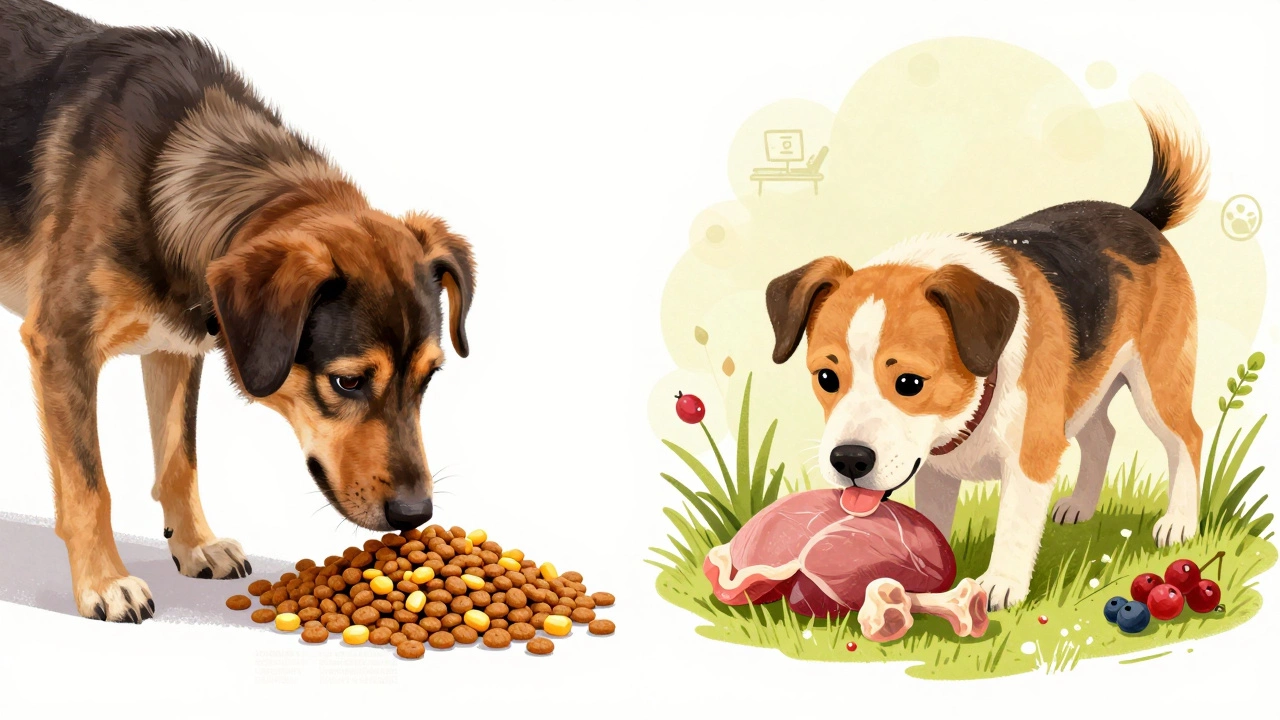
- Meat meals-"Chicken meal" is okay if it’s from a named source. But "meat meal" without specification means unknown animal parts, possibly including euthanized pets or diseased tissue.
- Artificial preservatives-BHA, BHT, and ethoxyquin are linked to liver damage and cancer in dogs over time.
- Corn, wheat, and soy-These are cheap fillers that trigger allergies in 1 in 4 dogs. They offer little nutritional value compared to real meat.
- By-products-This includes organs, feathers, beaks, and hooves. Not inherently bad, but inconsistent in quality and hard to digest.
- Added sugars-Even a little molasses or honey in treats can contribute to obesity and dental decay.
A 2024 report from the Pet Food Institute showed that over 60% of popular dog foods contain at least one of these low-quality ingredients. Reading the ingredient list backward-starting from the bottom-is the easiest way to spot them.
How to Choose Based on Your Dog’s Needs
Your dog’s age, breed, size, and health condition change what "healthy" means.
- Puppies need higher protein (28-30%) and DHA for brain development. Look for formulas labeled "for growth" or "all life stages."
- Senior dogs benefit from joint-supporting ingredients like glucosamine and omega-3s from fish oil. Lower calorie counts help prevent weight gain.
- Small breeds (like Chihuahuas or Pomeranians) need smaller kibble and higher calorie density.
- Large breeds (like Great Danes or German Shepherds) need controlled calcium and phosphorus to avoid bone growth issues.
- Dogs with allergies often do best with single-protein sources like duck or rabbit and limited ingredients.
- Overweight dogs need high-protein, low-carb diets. Avoid foods where peas, potatoes, or lentils are main ingredients-they’re high in carbs and linked to heart issues in some breeds.
A 2025 study published in the Journal of Veterinary Nutrition tracked 2,100 dogs over 18 months. Those fed diets tailored to their life stage and activity level had 40% fewer vet visits for digestive and skin issues than dogs on generic formulas.
Real-Life Examples: What Works
Take Max, a 7-year-old Labrador mix with chronic ear infections. His owner switched from a popular kibble with chicken and corn to a freeze-dried raw diet with turkey and sweet potato. Within six weeks, his ears cleared up and his coat became shiny. He wasn’t allergic to chicken-he was allergic to the corn and fillers.
Or Luna, a 12-year-old rescue Beagle with kidney issues. Her vet recommended a prescription wet food with reduced phosphorus and high-quality protein. She refused to eat at first, but when her owner mixed in a spoonful of low-sodium chicken broth and warmed it slightly, she ate every bite. Within a month, her bloodwork improved.
These aren’t magic stories-they’re results of matching food to the dog’s biology, not the marketing.
Transitioning to Healthier Food
Never switch dog food abruptly. Sudden changes cause vomiting, diarrhea, and loss of appetite. Here’s the safe way:
- Day 1-2: Mix 25% new food with 75% old food.
- Day 3-4: 50% new, 50% old.
- Day 5-6: 75% new, 25% old.
- Day 7: 100% new food.
Watch for changes in stool, energy, and coat. If your dog gets loose stools or refuses to eat, slow down the transition or try a different brand.
Common Myths Debunked
- Myth: Grain-free = healthier. Truth: Grain-free diets can be healthy-but only if they replace grains with real meat and veggies, not legumes. The FDA has linked some grain-free diets to dilated cardiomyopathy in dogs, especially those high in peas and lentils.
- Myth: Raw food is dangerous. Truth: Raw diets carry bacteria risks, but so do raw chicken you buy at the grocery store. Proper handling (freezing, washing bowls, storing properly) makes it safe. Freeze-dried raw eliminates most risks.
- Myth: Homemade food is always better. Truth: Without proper balance, homemade diets can lack calcium, taurine, or essential vitamins. Many dogs on DIY meals develop bone or heart problems over time.
Final Checklist: Is Your Dog’s Food Healthy?
Use this quick guide to evaluate your dog’s current food:
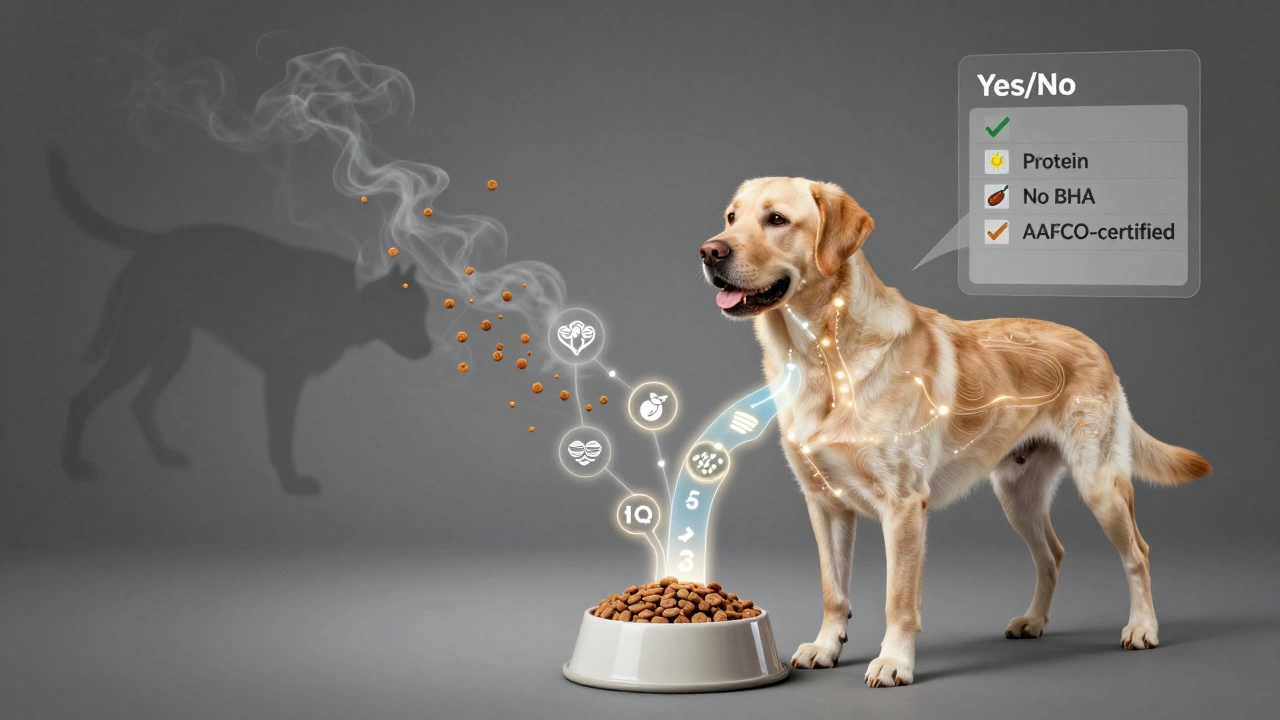
- Is the first ingredient a named animal protein? (Yes/No)
- Are there artificial preservatives or colors? (Yes/No)
- Is the food AAFCO-certified for your dog’s life stage? (Yes/No)
- Does it match your dog’s activity level and health needs? (Yes/No)
- Has your dog had fewer vet visits since switching? (Yes/No)
If you answered "No" to more than two, it’s time to look closer.
There’s no one-size-fits-all answer to the healthiest dog food. But there is a right answer for your dog. Start by looking at their body-coat, energy, stool, and behavior. Those tell you more than any label ever could.
Can I feed my dog human food instead of dog food?
Some human foods are safe and even healthy for dogs-like cooked chicken, plain pumpkin, carrots, and blueberries. But most human meals are too salty, fatty, or seasoned with onions, garlic, or spices that are toxic to dogs. Feeding only human food leads to nutrient imbalances. If you want to supplement your dog’s diet with human food, keep it under 10% of their daily calories and stick to simple, unseasoned options.
Is raw food safe for dogs?
Raw food can be safe if handled properly. The biggest risks are bacterial contamination like Salmonella or E. coli, which can affect both dogs and humans. Freeze-dried raw diets reduce this risk significantly because the freezing and drying process kills most pathogens. If you choose fresh raw, buy from reputable brands, freeze meat before feeding, wash hands and bowls thoroughly, and never let your dog lick your face after eating. Avoid raw bones from poultry-they can splinter.
What’s better: kibble or wet food?
Neither is inherently better-it depends on your dog. Wet food has more moisture, which helps with hydration and digestion, especially for older dogs or those with kidney issues. Kibble is more convenient, helps clean teeth slightly, and is cheaper. The best approach for many dogs is a mix: 70% high-quality kibble with 30% wet food. Avoid kibble with fillers like corn or soy, and wet food with gravy or thickened with starch.
Do I need to feed my dog expensive food?
Not necessarily. Some affordable brands like Hill’s Science Diet, Purina Pro Plan, and Wellness Simple are formulated by veterinary nutritionists and meet AAFCO standards. What matters is the quality of ingredients, not the price tag. A $50 bag of food with meat meal and artificial preservatives is worse than a $30 bag with real chicken and no fillers. Always read the ingredient list, not the price.
How do I know if my dog’s food is working?
Look at these signs over 4-6 weeks: shiny coat, consistent firm stools, steady energy levels, no itching or skin flakes, and no vomiting or diarrhea. If your dog’s breath smells better and they’re not begging for food between meals, that’s a good sign too. If they’re lethargic, have loose stools, or keep scratching, the food isn’t right. Talk to your vet and consider a food trial with a different formula.