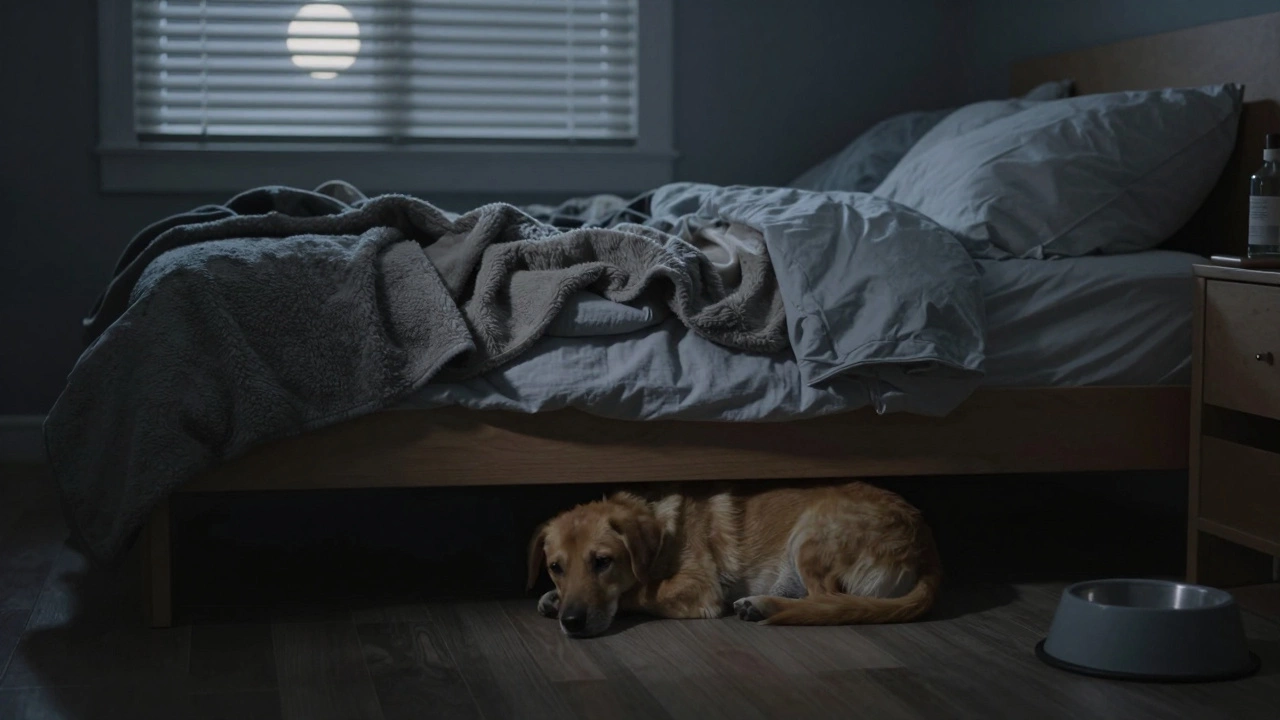
Bringing home a new dog-whether it’s a rescue, a puppy, or an adult dog from a shelter-feels like a big, happy moment. But the first few days? They can be messy, confusing, and even overwhelming. You’re not alone if you’ve stared at your new pup wondering why they’re hiding under the bed, chewing your shoes, or not sleeping through the night. There’s a reason so many trainers and rescues swear by the 3-3-3 rule. It’s not magic. It’s just a realistic roadmap for helping your dog feel safe, calm, and ready to bond.
What the 3-3-3 Rule Actually Means
The 3-3-3 rule breaks down your dog’s adjustment into three clear phases: 3 days, 3 weeks, and 3 months. Each phase has a different goal. It’s not about training tricks or perfect manners yet. It’s about survival-your dog’s emotional survival in a new world.- First 3 days: Your dog is in survival mode. They’re overwhelmed by new smells, sounds, and people. Their job? Just stay alive. They won’t trust you yet. They’re not being stubborn-they’re scared.
- First 3 weeks: They start to relax. Routine begins to feel normal. They’ll test boundaries, but they’re also starting to look to you for cues.
- First 3 months: This is when real bonding kicks in. Your dog starts to feel like this is home. They’ll sleep on your floor, lean into you, and maybe even bring you their favorite toy.
This rule isn’t a checklist. It’s a mindset. If you expect your dog to be fully settled by day five, you’re setting yourself up for frustration. Dogs don’t adapt on a human schedule.
Day 1-3: Let Them Breathe
The first three days are about silence, space, and safety. Don’t try to cuddle, train, or even play much. Your dog needs to figure out where the food is, where the bathroom is, and where the quiet spot is. If they’re hiding under the couch? Let them. If they don’t eat for 24 hours? That’s normal.What you should do:
- Set up one quiet room with their bed, water, food, and a few simple toys-no new puppy toys yet. Stick to something soft, like a stuffed Kong or a worn-in fleece blanket with a familiar scent.
- Keep the house calm. Turn off loud music, avoid sudden movements, and limit visitors. Even well-meaning kids can feel like a threat.
- Take them outside to potty every 2-3 hours. Don’t rush them. Just wait. If they go, praise quietly. If they don’t, try again later.
- Don’t force eye contact or petting. Let them come to you. When they do, offer a treat. Not a big one. Just a tiny piece of chicken or a soft training treat.
One common mistake? Trying to entertain them with a new toy. A flashy squeaky toy or a rope tug might seem like a good idea, but in the first 72 hours, it’s noise and pressure. Save the fun toys for later. Right now, they need predictability, not excitement.
Weeks 4-21: Building Trust, One Routine at a Time
By week two, your dog might start following you around. That’s a win. By week three, they might sleep in the same room as you. That’s huge. This is when routine becomes your best friend.Feed them at the same time every day. Walk them at the same time. Let them out to potty after meals, after naps, and before bed. Dogs don’t understand calendars, but they understand patterns. Consistency tells them: you’re safe here.
This is also the time to start introducing toys-but not the flashy ones. Go for low-stimulus, long-lasting options:
- A stuffed Kong with peanut butter (xylitol-free) frozen overnight
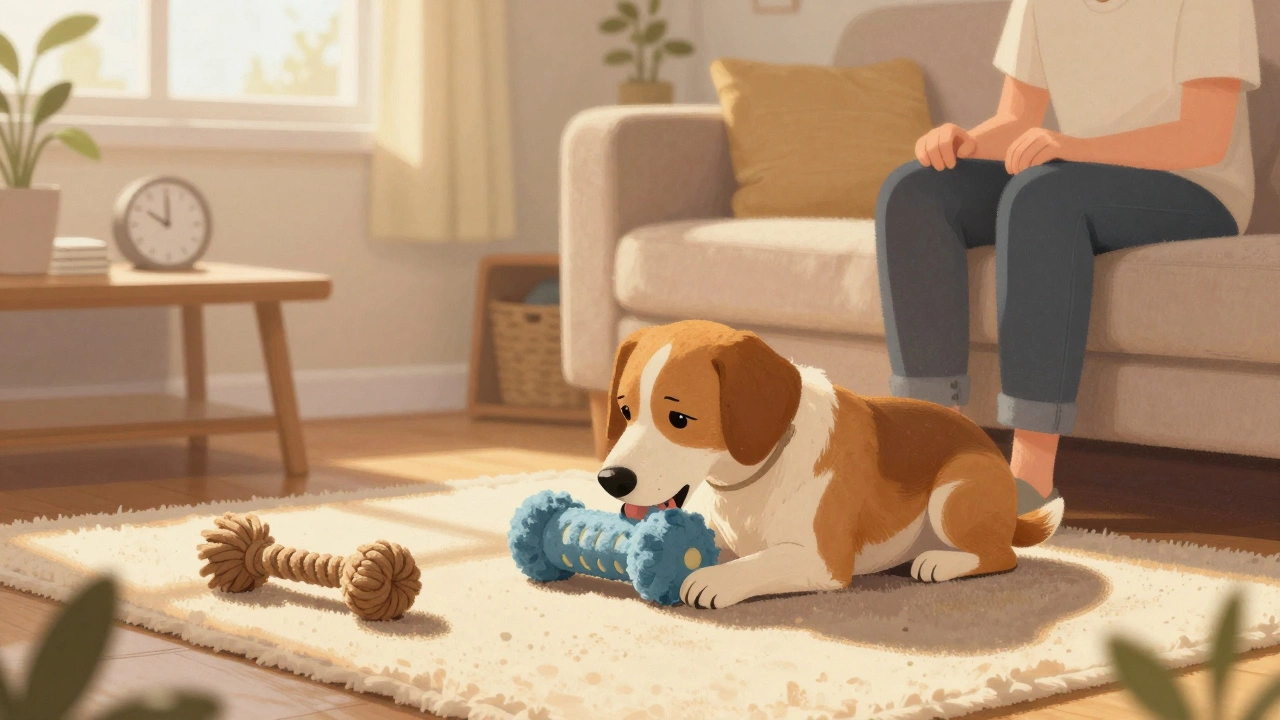
- A soft rope toy for gentle chewing
- A snuffle mat with kibble hidden inside
These aren’t just toys-they’re tools. They help your dog learn to self-soothe. If they’re chewing on a Kong while you’re on the couch, they’re not chewing on your shoes. They’re learning that being alone doesn’t mean being abandoned.
Start basic training, too. Not sit or stay. Just name recognition. Say their name, wait for a glance, reward with a treat. Do this 5 times a day, 2 minutes each. No yelling. No corrections. Just calm, quiet repetition.
And yes-accidents will happen. Pee on the rug? Don’t scold. Clean it with an enzymatic cleaner. They didn’t do it to upset you. They didn’t know where to go. Your job? Make the right spot easier than the wrong one.
Months 2-3: The Real Bond Begins
By the end of three months, your dog isn’t just living in your house. They’re part of your family. You’ll notice changes:- They sleep on your feet instead of the other side of the room
- They bring you their favorite toy-not to play, but to show you
- They sigh when you pet them
- They look at you before they eat, like they’re waiting for permission
These are the quiet signs of trust. And they’re worth more than any obedience certificate.
Now is the time to introduce more toys-interactive puzzles, fetch balls, even a new chew bone. But don’t overwhelm them. One new toy every 2-3 weeks is enough. Too many toys feel like chaos. Too few feel like neglect.
At this point, you’ll also start seeing their personality. Maybe they love belly rubs. Maybe they’re shy around strangers. Maybe they’re obsessed with socks. That’s okay. You’re not trying to fix them. You’re learning them.
What Not to Do
There are a few things that sabotage progress-fast:- Don’t punish accidents. It teaches fear, not house training.
- Don’t force affection. If they back away, give space. Trust grows slowly.
- Don’t rush training. If they’re still hiding at week 3, you’re not failing. You’re just early.
- Don’t compare them to other dogs. Every dog adjusts at their own pace. One might be cuddly by day 10. Another might take 90 days. Both are normal.
Real-Life Example: Luna, the Shy Rescue
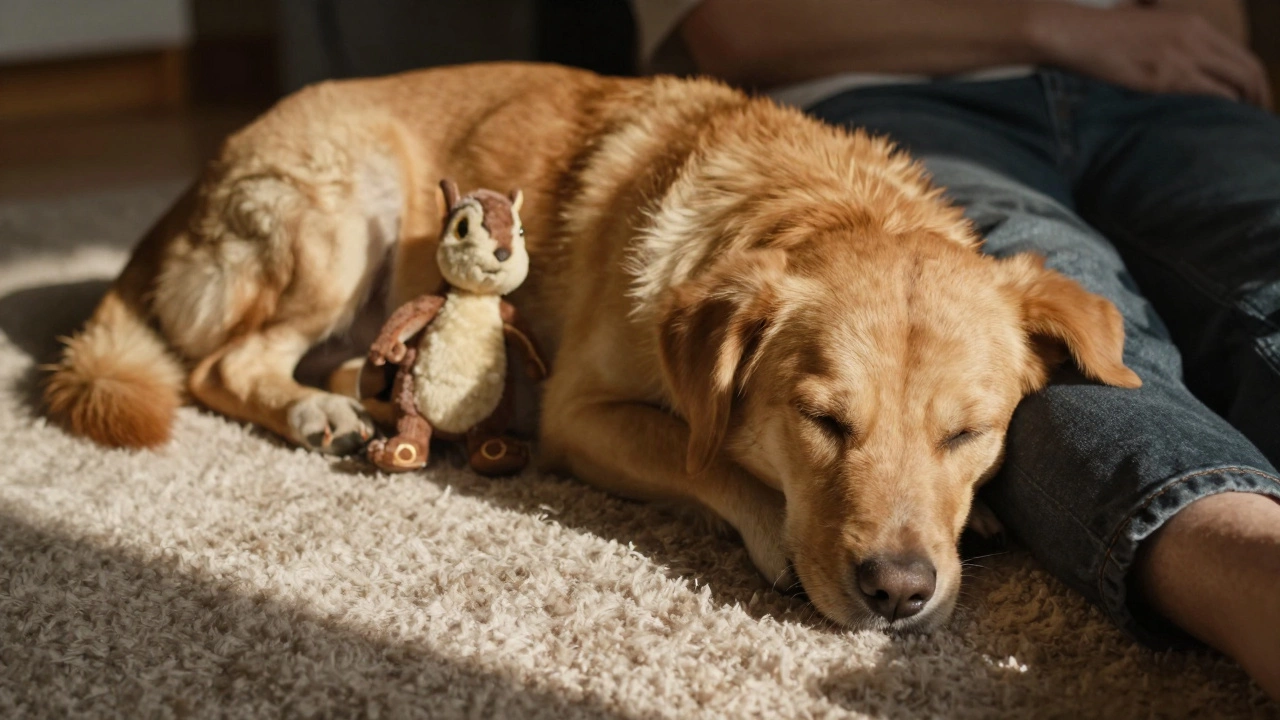
Luna came to her new home at 14 months old. She was terrified of men, wouldn’t eat for 48 hours, and hid under the bed for 11 days. Her owner followed the 3-3-3 rule exactly. No pressure. No training. Just food, water, and quiet.On day 12, Luna crawled out. On day 18, she took a treat from her owner’s hand. On day 45, she brought her favorite stuffed squirrel to the couch and dropped it on her owner’s lap. That was the moment her owner knew: she’s home.
Luna didn’t need more toys. She needed time. And patience.
When to Seek Help
Most dogs adjust fine with time. But if after three months you’re still seeing:- Constant trembling or cowering
- Aggression toward people or other pets
- Refusal to eat or drink for more than 72 hours
- Extreme self-harm (licking paws raw, chewing tail)
It’s time to talk to a vet or a certified dog behaviorist. These aren’t just “shyness” issues-they’re signs of deeper anxiety. Early help makes a big difference.
Final Thought: It’s Not About Perfect. It’s About Presence.
The 3-3-3 rule isn’t about having a perfectly behaved dog in 90 days. It’s about being there-not as a trainer, but as a calm, steady presence. You don’t need to fix your dog. You just need to let them know they’re safe.And when they finally curl up next to you, tail thumping softly, you’ll realize: the toys, the treats, the walks-they were never the point. You were.
Is the 3-3-3 rule only for rescue dogs?
No. The 3-3-3 rule works for any new dog-whether they’re a puppy from a breeder, a dog adopted from a shelter, or even a pet you’ve had for a while but are moving to a new home. Any change in environment triggers stress. The rule helps them reset emotionally, no matter where they came from.
Can I start training my new dog right away?
Yes-but keep it simple. In the first 3 days, focus only on name recognition and quiet rewards. Save sit, stay, and leash training for weeks 3-4. Training too early, especially with corrections, can make your dog afraid of you. Patience builds trust faster than commands.
What toys are best during the first 3 days?
Avoid flashy, noisy, or complex toys. Stick to one or two soft items: a worn-in blanket with a familiar scent, a stuffed Kong (frozen with peanut butter), or a simple fleece toy. These provide comfort, not distraction. New toys can feel overwhelming when your dog is still adjusting to their new world.
My dog won’t eat for 2 days. Is that normal?
Yes, it’s common. Stress can shut down appetite. Keep food available, but don’t force it. Offer small amounts every few hours. Try warming their food slightly or mixing in a little low-sodium chicken broth. If they haven’t eaten after 72 hours, call your vet. Dehydration is a bigger risk than hunger.
How long until my dog sleeps through the night?
Most dogs start sleeping through the night by week 3-4, especially if they’ve had regular potty breaks and a calm bedtime routine. Puppies might take longer-up to 8-10 weeks. Keep a consistent schedule: last potty break at bedtime, quiet time, dim lights, and no play. They’ll learn the rhythm.