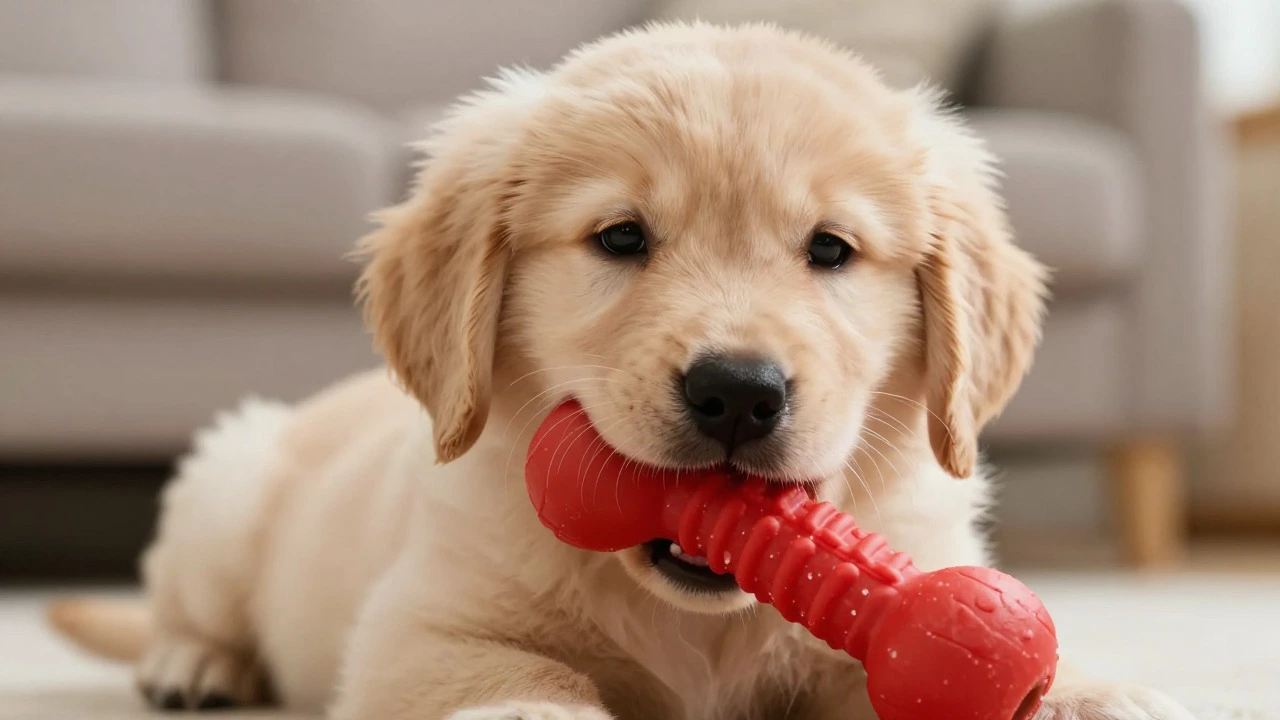
Puppy Chew Safety Checker
Select a Chew Type
Choose the material your puppy is currently chewing on.
Select a chew type above to see the veterinary recommendation analysis.
That moment when you finally catch a glimpse of your new puppy’s tiny teeth is adorable. But that same mouth can turn your favorite leather shoes into confetti in seconds. It’s not malice; it’s biology. Puppies explore the world through their mouths, and as those baby teeth make way for adult ones, the urge to gnaw becomes almost unbearable for them.
If you’ve ever asked a veterinarian what they recommend puppies chew on, you’re likely looking for more than just something durable. You want safety. You want something that soothes sore gums without causing tooth fractures or intestinal blockages. The market is flooded with options, from rawhide strips to rubber bones, but not all are created equal. Let’s break down what veterinary professionals actually advise, why certain materials are risky, and how to pick the right tools for your growing pup.
The Science Behind the Gnawing
Before picking up a toy, it helps to understand puppy teething, which is the developmental phase where baby teeth fall out and adult teeth emerge. This process typically starts around three months of age and continues until six months. During this window, a puppy’s gums are inflamed, itchy, and painful. Chewing provides counter-pressure that relieves this discomfort.
Veterinarians emphasize that chewing isn’t just about pain relief. It’s also critical for dental hygiene, which involves removing plaque and tartar buildup to prevent periodontal disease. Studies show that dogs who chew regularly have significantly lower rates of gum disease compared to those who don’t. However, the type of material matters immensely. A chew that’s too hard can crack a young tooth, while one that’s too soft might be swallowed whole, leading to choking hazards.
The goal is to find a balance: something tough enough to last but flexible enough to give slightly under pressure. This "give" protects the enamel and reduces stress on the jaw joints.
Top Vet-Recommended Chew Materials
When vets evaluate chew options, they look at digestibility, hardness, and toxicity. Here are the categories that consistently receive approval:
- Rubber Toys: These are often the gold standard. Look for non-toxic, natural rubber or thermoplastic elastomers (TPE). Brands like Kong are frequently cited because they are durable, dishwasher-safe, and can be frozen with treats inside to provide extended soothing relief. The flexibility of rubber minimizes tooth fracture risk.
- Nylon Bones: High-quality nylon chews are designed to withstand aggressive chewing. They are generally safe because they don’t splinter like bone. However, they vary in hardness. Vets usually recommend starting with the "gentle" or "medium" grade for puppies and avoiding the "extreme" grades until the adult teeth are fully set.
- Rope Toys: Cotton rope toys offer a different texture that can help massage gums. They also tend to trap saliva, which contains enzymes that may help reduce bacteria. The downside is that strings can unravel and be ingested, so supervision is key. If a large chunk comes off, discard the toy immediately.
- Frozen Items: Sometimes the best recommendation isn’t a product at all. A frozen wet washcloth or a specialized ice cube made from low-sodium chicken broth can numb sore gums effectively. This is a zero-cost, zero-risk option that many owners overlook.
The Rawhide Debate: What Vets Actually Say
You cannot talk about puppy chews without addressing rawhide, which is a processed byproduct of cow hides used for long-lasting dog chews. For years, rawhide was a household staple. Today, the veterinary community is divided, leaning heavily toward caution.
The primary concerns are twofold. First, rawhide is difficult to digest. If a puppy swallows a large piece, it can cause a gastrointestinal blockage, which often requires surgery. Second, the processing methods vary wildly. Some manufacturers use harsh chemicals like bleach or formaldehyde to clean and preserve the hide. While reputable brands test for residues, the risk remains higher than with synthetic alternatives.
If you choose to give rawhide, vets suggest following these rules:
- Choose single-source, enzymatically digested rawhide over traditional processed varieties.
- Supervise every session. Never leave a puppy alone with a rawhide strip.
- Remove the chew once it becomes small enough to swallow whole (usually less than two inches).
- Avoid rawhide if your puppy has a history of sensitive stomachs or rapid ingestion habits.
Many vets now prefer bully sticks, which are single-ingredient chews made from dried pizzle (penis) of cattle. Unlike rawhide, bully sticks are 100% digestible. They do pose a slight choking risk if a large piece breaks off, but they don’t cause the same kind of indigestible blockages. They are generally considered a safer alternative for supervised play.
Chews to Avoid: The Danger List
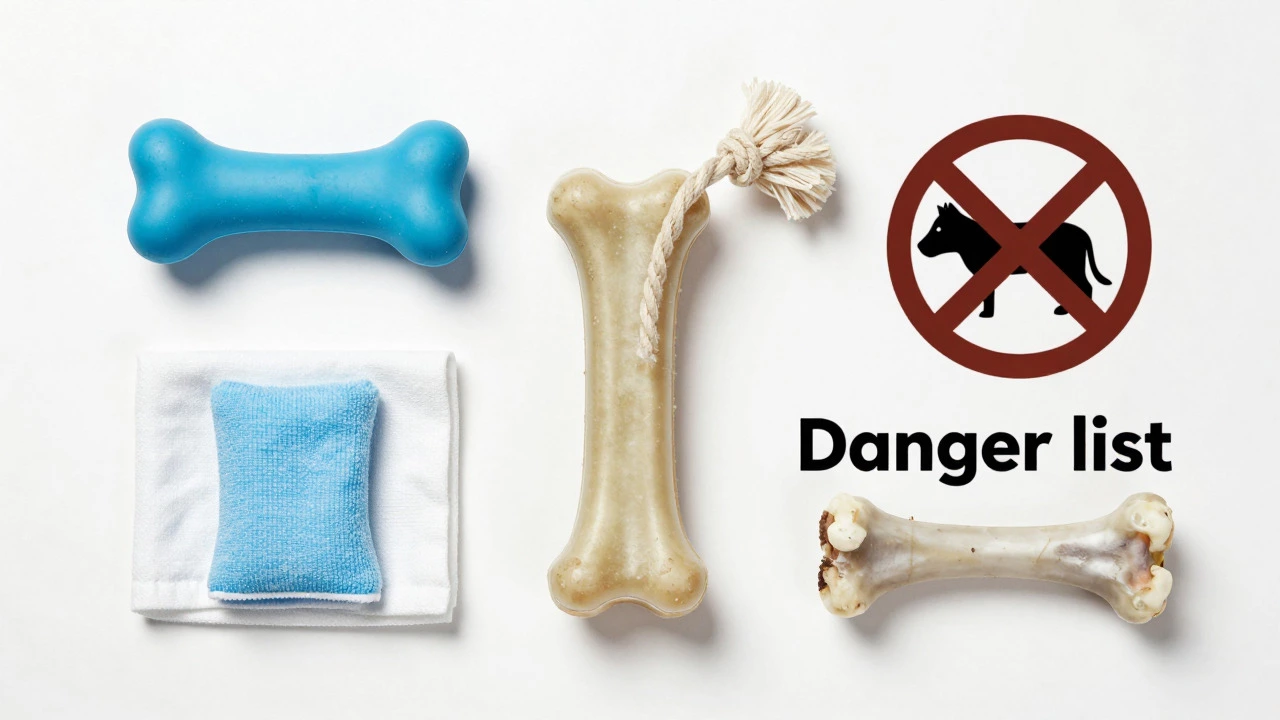
Not everything labeled as a "dog chew" is safe for a puppy. In fact, some common household items and cheap store-bought products pose serious risks. Keep these away from your pup:
- Antlers: Deer and elk antlers are incredibly hard-harder than dog teeth. When a puppy bites down on an antler, the force can chip or crack permanent molars. This leads to expensive root canals or extractions. Most vets strongly advise against them for young dogs.
- Real Bones (Cooked): Cooked bones splinter easily. These shards can puncture the esophagus, stomach, or intestines. Even raw bones carry a risk of bacterial contamination (like Salmonella) and physical obstruction. If you must use bones, opt for large, meaty knucklebones under strict supervision, but most vets prefer synthetic alternatives.
- Hard Plastic Toys: Some inexpensive plastic toys shatter upon impact. Sharp edges can cut the gums or tongue, and small pieces can be aspirated into the lungs. Always check the manufacturer’s durability rating.
- Chocolates and Grapes: Obviously, these aren’t chews, but sometimes they get mixed into treat puzzles. Both are toxic to dogs. Grapes can cause kidney failure, and chocolate affects the heart and nervous system.
How to Choose the Right Size and Hardness
Selecting the correct size is just as important as the material. A chew that’s too small is a choking hazard. One that’s too large might frustrate the puppy, causing them to abandon it for something easier to destroy.
Use the "two-finger rule." When your puppy holds the chew in its mouth, you should be able to fit two fingers between the sides of its jaws comfortably. This ensures the chew doesn’t slide too far back into the throat.
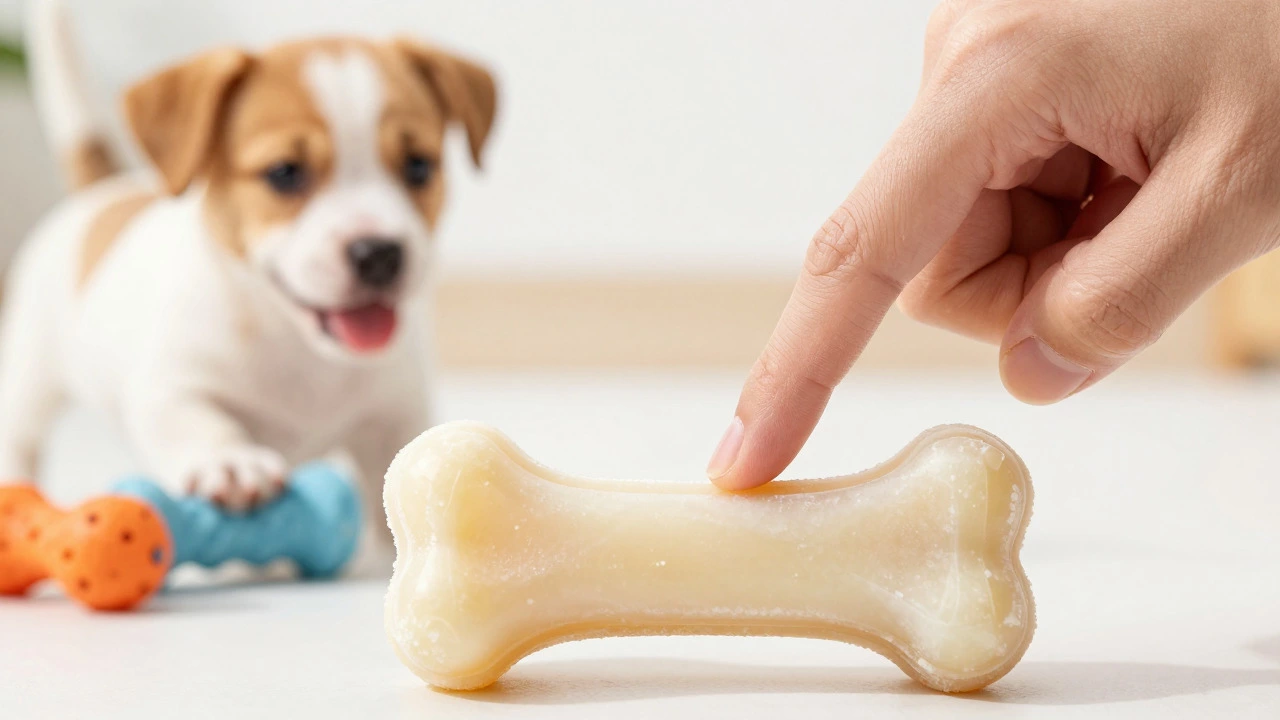
For hardness, perform the fingernail test. Press your thumbnail firmly against the chew. If your nail leaves a mark, it’s soft enough for a puppy. If your nail bounces off or hurts your finger, it’s too hard. Puppy teeth are still developing, and excessive hardness can lead to enamel wear or root damage.
| Chew Type | Durability | Digestibility | Vet Recommendation Level | Best For |
|---|---|---|---|---|
| Rubber Toys (e.g., Kong) | High | N/A (Indestructible) | Excellent | Teething relief, puzzle feeding |
| Bully Sticks | Medium | High | Good (with supervision) | Natural chewing satisfaction |
| Nylon Bones | Very High | Low (if pieces swallowed) | Good (select grade carefully) | Aggressive chewers |
| Rawhide | Medium | Low | Mixed/Cautious | Long-duration distraction |
| Antlers | Extreme | None | Poor | Adult power chewers only |
Rotating Toys to Prevent Boredom
Even the best chew loses its appeal if it’s always available. Dogs, like humans, suffer from habituation. If a toy is always within reach, it becomes part of the furniture rather than a source of stimulation.
Vets and behaviorists recommend a rotation system. Keep three to five high-quality chews accessible at any given time. Store the rest in a bin or closet. Every week, swap out two or three toys. This novelty factor keeps the puppy engaged and extends the life of each item. It also prevents resource guarding, as the puppy learns that new interesting things appear regularly.
Signs Your Puppy Needs a Different Chew
Pay attention to how your puppy interacts with their current selection. Are they gently gnawing, or are they aggressively shredding? If they’re destroying a toy in minutes, it might be too soft, or they might need a more mentally stimulating option like a food-dispensing puzzle.
Watch for signs of distress. Whining, pawing at the mouth, or dropping the chew repeatedly could indicate that the texture is irritating their gums or that the size is awkward. Conversely, if they’re swallowing large chunks without chewing, switch to a larger, less breakable option immediately.
Dental health issues can also manifest during teething. If you notice bad breath, red gums, or bleeding, consult your vet. Sometimes, the problem isn’t the chew, but an underlying infection or misaligned teeth.
Maintaining Hygiene
A chew that looks clean on the outside might be harboring bacteria on the inside. Rubber toys should be washed weekly with hot, soapy water or placed in the dishwasher (if labeled safe). Rope toys should be inspected for fraying and replaced when they start to unravel. Bully sticks and rawhide are single-use items; once they’re gone, they’re gone. Don’t try to save half-eaten organic chews, as they can grow mold or bacteria quickly.
Regular cleaning isn’t just about freshness; it’s about preventing oral infections. A dirty chew can introduce pathogens directly into the bloodstream through the gums, especially since teething creates micro-abrasions.
Can puppies chew on real bones?
Most veterinarians advise against cooked bones because they splinter and can cause internal injuries. Raw bones are safer but still carry risks of bacterial contamination and obstruction. Synthetic alternatives like nylon or rubber are generally preferred for safety and ease of cleaning.
Is rawhide safe for puppies?
Rawhide is controversial. It is not easily digestible and can cause blockages if swallowed in large pieces. Additionally, processing chemicals may be present. If used, supervise closely and choose enzymatically digested varieties. Many vets prefer bully sticks as a more digestible alternative.
What is the best toy for teething puppies?
Flexible rubber toys, such as those made by Kong, are widely recommended. They can be frozen to provide numbing relief for sore gums. Their durability prevents easy destruction, and their flexibility reduces the risk of tooth fracture compared to harder materials.
How do I know if a chew is too hard?
Perform the fingernail test. Press your thumbnail against the chew. If it leaves an indentation, it’s appropriate for a puppy. If your nail bounces off, it’s too hard and could damage developing teeth. Antlers and hard nylon are often too rigid for young pups.
Should I let my puppy chew unsupervised?
Only with indestructible rubber toys. Any chew that can break apart, unravel, or be swallowed in chunks should be supervised. Puppies can choke on small pieces or develop intestinal blockages from ingesting non-digestible materials like rope fibers or rawhide.