Nightly Water Bowl Decision Tool
Answer a few questions about your puppy to get a recommended nighttime hydration strategy.
Pro Tip: The "Last Call" Method
Regardless of the result, allow your puppy to drink their fill 15 minutes before crate time, followed by one final potty break. This ensures hydration without the midnight flood!
The short answer is that most puppies don't actually need a water bowl in their crate overnight. While we worry about them being thirsty, the reality is that providing unrestricted access to water right before bed often leads to more accidents and disrupted sleep for everyone. However, every pup is different, and there are a few specific scenarios where a bowl is a must. Let's break down how to balance your puppy's thirst with your need for a dry floor and a full night's rest.
Quick Tips for Nightly Hydration
- The 2-Hour Rule: Pick up the water bowl about two hours before the final bedtime.
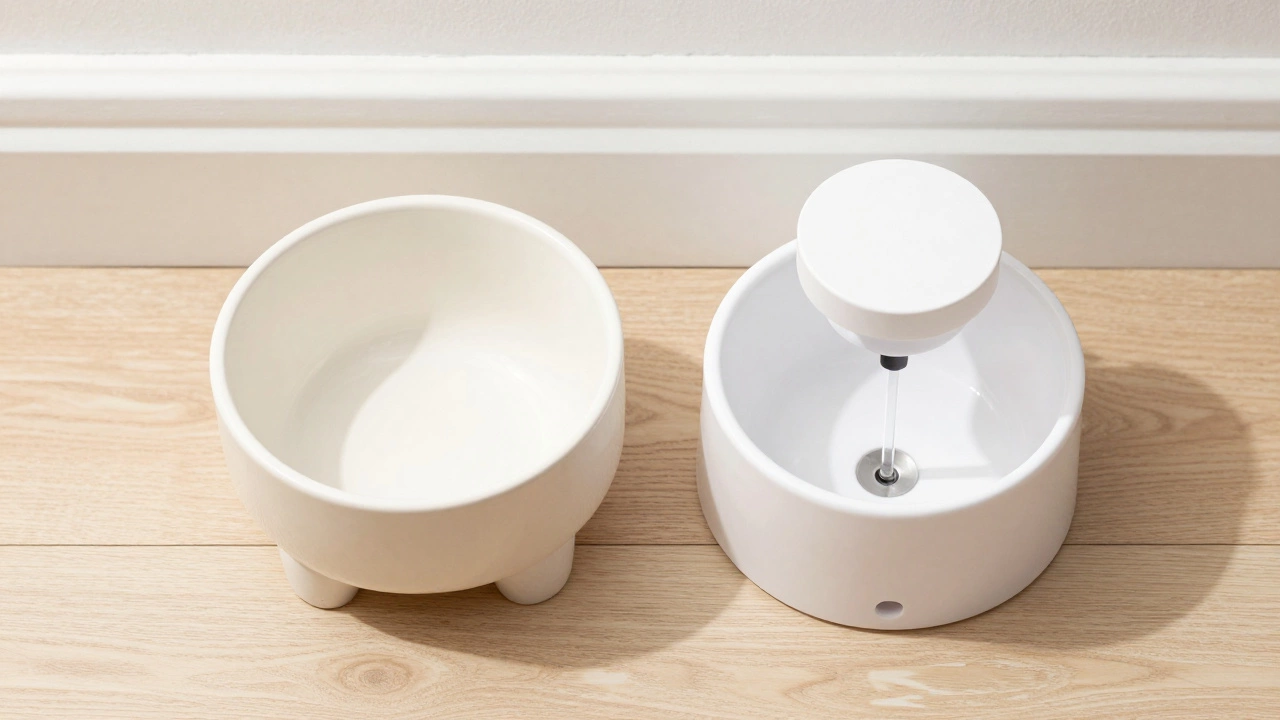
- Heavy-Duty Gear: If you must use a bowl, choose a heavy ceramic or a weighted-bottom bowl to prevent tipping.
- Scheduled Sips: Offer water during the last potty break right before they go into the crate.
- Watch the Weather: Increase water access during heatwaves or if your puppy is prone to overheating.
The Case Against Nighttime Water
The biggest hurdle in puppy crate training is teaching them to hold their bladder. Crate training is the process of using a designated enclosure to help a dog feel secure while learning housebreaking habits. When a puppy has a full bowl of water, they're more likely to drink out of boredom or habit, which fills their bladder quickly. Since puppies have very small bladders and limited muscle control, this almost always leads to a midnight wake-up call.
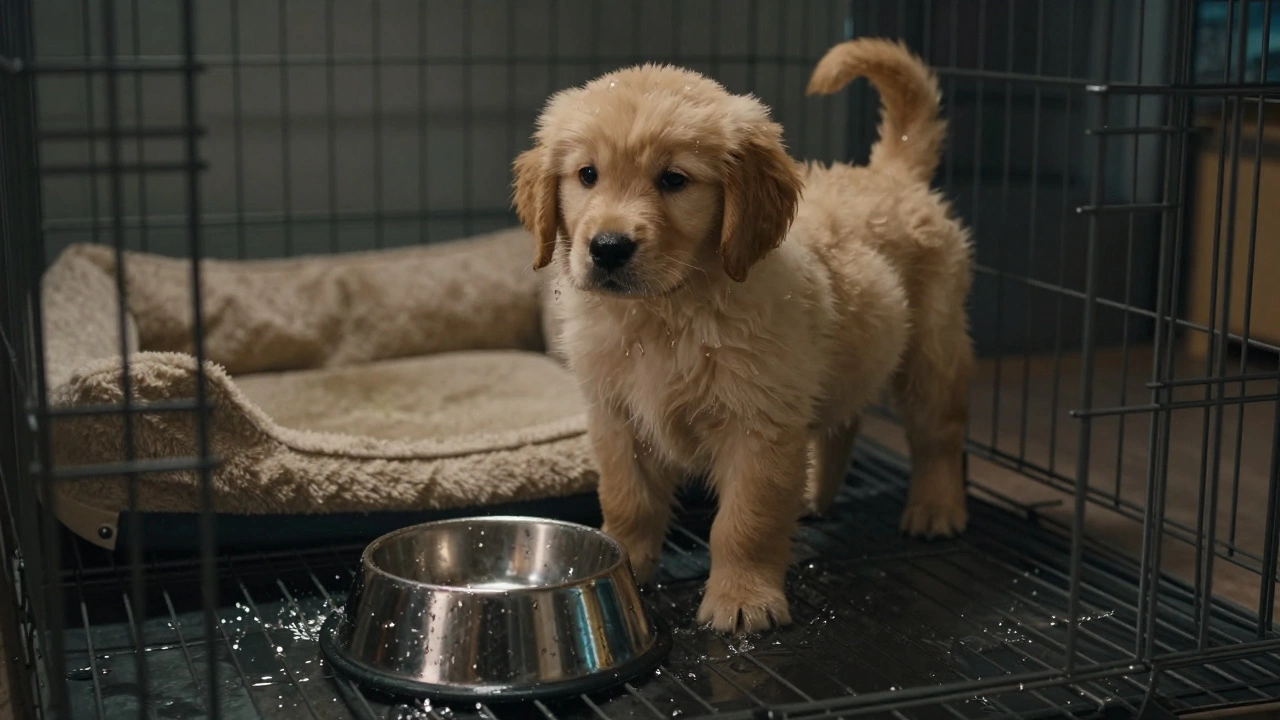
Then there's the mess factor. Puppies aren't exactly graceful. They paw at things, they spin in circles before lying down, and they occasionally decide to see what happens when they push a bowl across the floor. A spilled bowl in a crate doesn't just mean a wet floor; it means a damp bed. A wet dog bed is a breeding ground for bacteria and can lead to skin irritations or simply a very cold, miserable puppy who will whine until you let them out.
Most healthy puppies who have had a normal amount of water during the day are perfectly fine going 6 to 8 hours without a drink. It's similar to how adults don't usually wake up thirsty in the middle of the night; we've had enough fluids to sustain us until morning.
When You Actually Should Provide Water
There are times when skipping the water bowl is a bad idea. If your puppy is dealing with a health issue, such as a urinary tract infection or diabetes, they may experience polydipsia, which is the medical term for excessive thirst. In these cases, restricting water can be dangerous.
Environmental factors also play a role. If you live in an area with extreme heat and your crate is in a room without air conditioning, your pup might dehydrate. The same goes for puppies who have a very high-sodium diet or are transitioning to a new type of dry kibble that makes them thirstier than usual.
| Scenario | Recommendation | Reasoning |
|---|---|---|
| Healthy puppy, cool room | No water bowl | Promotes bladder control and prevents spills. |
| Puppy with medical condition | Water available | Prevents dangerous dehydration levels. |
| Extreme heat/Summer nights | Small amount of water | Maintains core temperature and hydration. |
| Very young pups (under 8 weeks) | Water available | Smaller energy reserves and faster metabolism. |
The Best Alternatives to a Full Bowl
If you're worried about your puppy being thirsty but hate the idea of a flood, try a leak-proof water dispenser. These are often plastic tanks with a floating valve or a gravity-fed system. While they are better than a bowl, be warned: some puppies find the clicking sound of the valve interesting and will spend the whole night playing with it, which wakes you up anyway.
Another approach is the "Last Call" method. About 15 minutes before crate time, give your puppy access to a bowl of water. Let them drink their fill, then take them outside for one final potty break. This ensures they are hydrated but their bladder is empty when the crate door closes. This routine helps establish a clear boundary between "active time" and "sleep time."
Understanding Puppy Bladder Control
To understand why water restriction works, you have to look at bladder capacity. A general rule of thumb used by many trainers is that a puppy can hold their urine for as many hours as they are months old, plus one. So, a 2-month-old puppy can typically hold it for about 3 hours. By the time they are 4 months old, they might hit 5 hours.
When you add a water bowl to the mix, you're essentially fighting against their biology. By removing the water, you're reducing the volume of urine they produce, which makes it physically possible for them to sleep through the night without an accident. This is a key part of housebreaking, which is the process of training a dog to eliminate outdoors rather than inside the home.
Common Pitfalls and How to Avoid Them
One mistake owners make is giving a huge meal right before bed and then removing the water. Some dog foods, especially high-protein kibble, can make a puppy very thirsty during digestion. If you notice your pup is panting or licking their lips obsessively after dinner, give them a bit more water an hour earlier in the evening.
Another issue is the "boredom drink." Puppies often drink water not because they are thirsty, but because they are bored. If your puppy is constantly knocking over their bowl, it might be a sign that they need more mental stimulation during the day. A tired puppy is a sleeping puppy. Use puzzle toys or short training sessions in the evening to wear them out so they don't spend their night experimenting with the water bowl.
Will my puppy get dehydrated if I remove the water at night?
Generally, no. As long as your puppy has unrestricted access to fresh water throughout the day and evening, missing a few hours of water during sleep is safe and normal for a healthy dog. If you are worried, offer water during their final potty break.
What is the best type of water bowl for a crate?
If you must provide water, use a heavy ceramic bowl or a stainless steel bowl with a rubberized bottom to prevent sliding. Avoid lightweight plastic bowls, as these are easily flipped. Even better, consider a bolted-in water dispenser that attaches to the crate bars.
How do I know if my puppy is actually thirsty?
Check their gums; they should be pink and moist. If the gums feel tacky or dry, your puppy needs water. You can also check the skin elasticity on the back of their neck; if it doesn't snap back quickly when pinched gently, they may be dehydrated.
Can I use a lick-mat with water instead of a bowl?
Lick-mats are great for calming, but they aren't a replacement for hydration. They can be messy in a crate and don't provide enough volume to satisfy a thirsty puppy. Stick to bowls or dispensers for hydration.
Does the age of the puppy matter?
Yes. Very young puppies (under 8-10 weeks) have much faster metabolisms and can become hypoglycemic or dehydrated more quickly. If your pup is brand new, you might want to keep a small amount of water available or wake them up more frequently to offer sips.
What to Do Next
If you've been struggling with nighttime accidents, try a one-week experiment: remove the water two hours before bed and see if your puppy sleeps longer. If you find they are still waking up, you might need to adjust their dinner time or increase their evening exercise. If you notice symptoms of extreme thirst or lethargy, skip the experiments and call your vet to rule out any underlying health issues.