When Do Dogs Poop After Meals? Timing, Patterns, and What to Expect
When you feed your dog, you’re not just filling a bowl—you’re starting a digestive process that ends in a very predictable way. Most dogs poop within 30 minutes to an hour after eating. This isn’t random. It’s called the gastrocolic reflex, a natural bodily response where the stomach stretching triggers movement in the colon. Think of it like your own urge to go after breakfast. For adult dogs on a regular schedule, this rhythm becomes almost clockwork. Puppies? They’re faster. Often, they need to go within 10 to 20 minutes after eating because their digestive systems are smaller and work quicker.
The feeding schedule, how often and what time you feed your dog plays a huge role in this. If you feed once a day, they’ll likely poop once. Twice a day? Usually two solid bowel movements. Three meals? You’ll see three trips outside. Consistency is key. Dogs thrive on routine, and their bowels are no different. Changing meal times or food type too fast can throw off their rhythm—leading to accidents indoors or loose stools. That’s why vets recommend sticking to the same food and same times, especially for puppies or dogs with sensitive stomachs.
Your dog’s diet, what’s in their food also changes how fast things move through them. High-fiber foods like sweet potatoes or pumpkin can speed things up. Grain-heavy or low-quality kibble? That might mean slower digestion and less predictable timing. Wet food tends to move through faster than dry kibble. And if you’ve switched foods recently, give your dog a few days to adjust. Watch their poop—not just when, but how it looks. Hard pellets? Maybe they need more water. Soft or watery? Could be a reaction to something they ate.
Activity matters too. A quick walk after meals helps stimulate digestion. Many dog owners swear by a 10-minute stroll right after feeding—it’s not just for exercise, it’s a gentle nudge to the digestive system. Dogs that nap after eating might hold it longer, while active dogs often go sooner. If your dog doesn’t poop within two hours after a meal, don’t panic. But if it’s been over 24 hours and they’re straining, lethargic, or not eating, that’s a red flag. Constipation or blockages can happen, especially in small breeds or older dogs.
And don’t forget age. Puppies under six months might poop five times a day. Seniors? Maybe just once, or even less. Their metabolism slows, and so does their digestive pace. If your older dog suddenly changes habits—going less, straining, or having accidents—it’s worth a vet check. It’s not just about timing. It’s about noticing what’s normal for your dog.
By tracking when your dog eats and when they go, you’re not just cleaning up after them—you’re learning their body’s rhythm. That helps you catch problems early, plan walks better, and avoid indoor accidents. You’ll know when to take them out after dinner, when to skip a walk if they’re still digesting, and when to worry. It’s simple, practical, and it makes life easier—for both of you.
Below, you’ll find real advice from dog owners and vets on potty training, feeding schedules, and how to handle the unexpected when your dog’s routine goes off track.
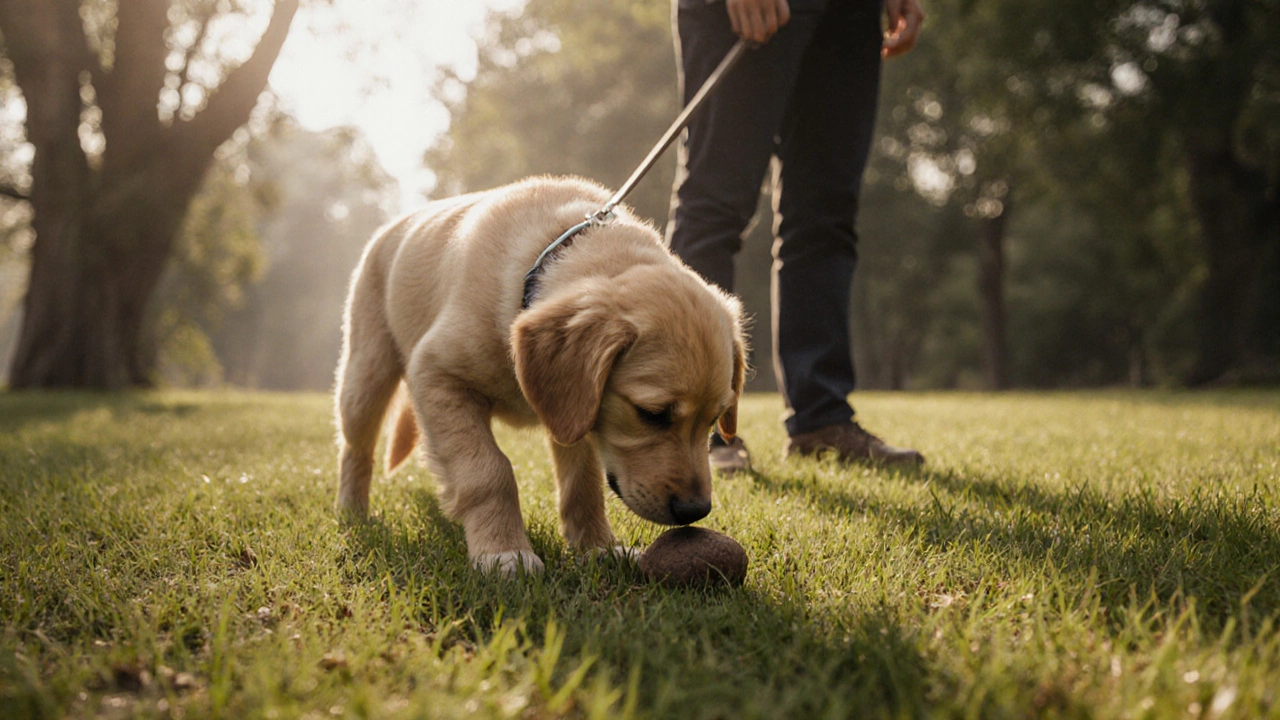
How Long After Eating Does a Dog Poop? Timing, Signs, and What to Watch For
Most dogs poop 8 to 12 hours after eating, but timing varies by age, diet, and breed. Learn what's normal, when to worry, and how to train your dog for consistent bowel movements.
View more