Long Car Rides with Dogs: Tips, Safety, and What to Pack
When you’re heading out on a long car ride with dogs, a journey where your pet travels alongside you, often for hours or days. Also known as pet road trip, it’s one of the most common ways families move or vacation with their dogs. But it’s not just about tossing a leash in the trunk and hitting the road. A successful trip depends on preparation, understanding your dog’s needs, and knowing what to watch for—especially if your pup gets anxious, carsick, or just plain restless.
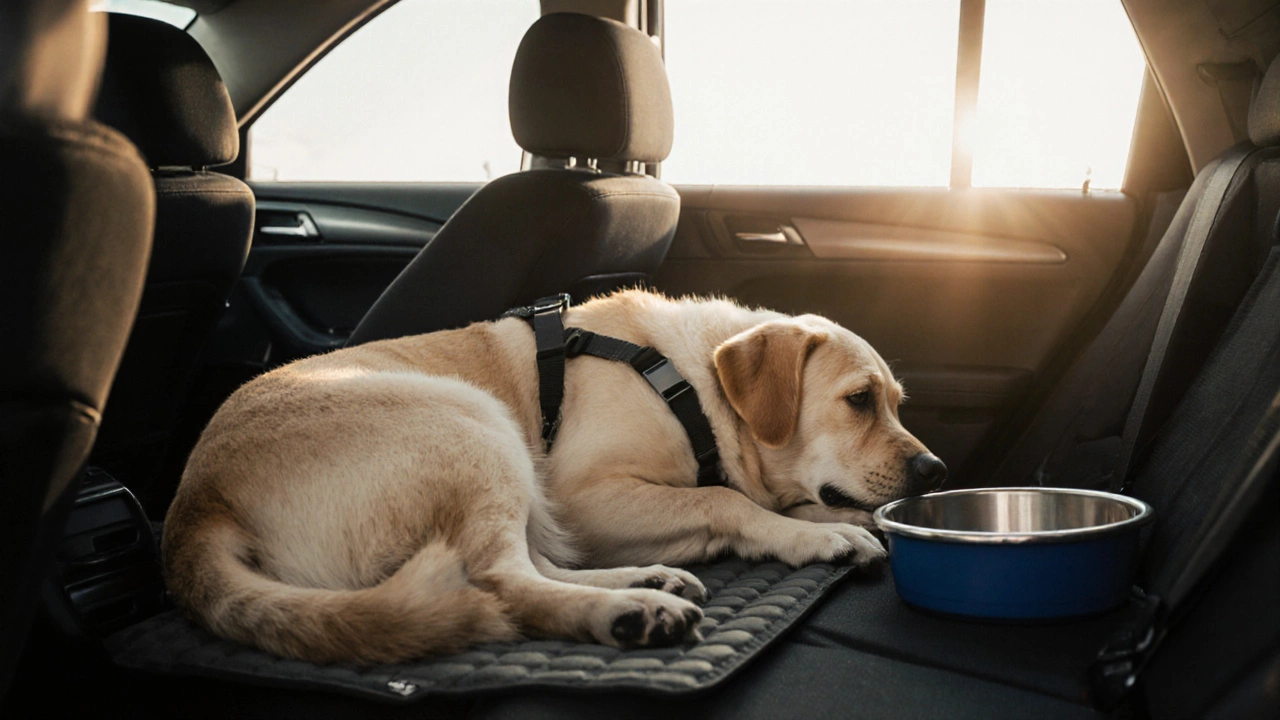
Many owners assume their dog will love the ride, but that’s not always true. Some dogs panic in moving vehicles. Others get motion sickness, paw at the windows, or try to jump out. That’s why dog travel safety, the set of practices that protect your dog from injury, stress, or escape during car trips matters more than you think. A simple harness or crate isn’t just for rules—it’s for survival. Airlines have strict rules for pet carriers, and your car should too. The same logic applies: secure your dog so they can’t become a distraction or a danger if you brake suddenly.
Then there’s the mental side. Dogs don’t understand why they’re stuck in a moving box for hours. If your dog has separation anxiety, a condition where they become distressed when left alone or removed from their usual environment, a long car ride can trigger it. That’s why calming routines—like bringing their favorite blanket, playing familiar music, or using a pheromone spray—can make all the difference. And yes, it’s okay to stop every two hours. Walk them, let them sniff, give them water. They’re not just pets; they’re travelers.
You’ll also need to plan for the basics: food, water, waste bags, and a portable bowl. Don’t wait until you’re stuck on the highway to realize you forgot the treats. And while you’re at it, think about what your dog actually likes. Some dogs love the wind in their face; others need a covered crate to feel safe. There’s no one-size-fits-all, but the right setup turns stress into comfort.
And don’t forget the paperwork. If you’re crossing state lines or heading to a dog-friendly beach, you might need proof of vaccinations. Some places ask for it. Others just assume you’ve got it. Better safe than turned away at the gate—or the beach entrance.
Below, you’ll find real advice from dog owners and vets who’ve been there. Whether you’re dealing with a puppy who can’t sit still, a senior dog with stiff joints, or a dog who’s never been in a car before, there’s something here that’ll help. No fluff. No theory. Just what works when you’re on the road with your best friend.
Can Dogs Travel in a Car for 12 Hours? A Practical Guide for Long Road Trips
Learn how to safely take your dog on a 12-hour car trip with practical tips on preparation, gear, stops, signs of distress, and what to avoid. Essential for dog owners planning road trips.
View more