Leash Training: How to Walk Your Dog Without Pulling
When you think of leash training, the process of teaching a dog to walk calmly beside you on a leash without pulling or dragging. It’s not about dominance—it’s about communication. Many people assume it’s just about stopping their dog from yanking forward, but real leash training is deeper. It’s about helping your dog feel safe, focused, and connected to you while moving through the world. This skill turns daily walks from stressful battles into calm, enjoyable routines—and it starts with understanding why your dog pulls in the first place.
Leash pulling usually comes from excitement, fear, or lack of training—not bad behavior. A dog that lunges at squirrels or barks at other walkers isn’t being disobedient; they’re reacting to what they see. That’s why positive reinforcement, a training method that rewards desired behaviors to encourage repetition works better than yanking or corrections. Treats, praise, or a quick game of tug when your dog walks nicely builds a habit faster than any tool ever could. And tools? The right dog walking, the act of taking your dog out for exercise and mental stimulation on a leash setup matters. A harness designed to reduce pulling, not a choke chain, gives you control without pain. Most importantly, consistency beats intensity. Five minutes of focused training every day beats one long, frustrating session a week.
Leash training isn’t just for puppies. Older dogs can learn too, even if they’ve been pulling for years. The key is resetting expectations and rewarding small wins. Did your dog glance at you instead of lunging? Reward it. Did they slow down when you stopped? That’s progress. You don’t need fancy gear or hours of training—just patience and a pocket full of treats. And if your dog gets overwhelmed in busy areas, start in quiet spots. Build confidence before tackling the park.
Below, you’ll find real advice from dog owners and trainers who’ve been there. From how to handle distractions to fixing leash reactivity, these posts give you clear, no-fluff steps you can use right away. No theory. No jargon. Just what works when you’re out the door with your dog on a leash.
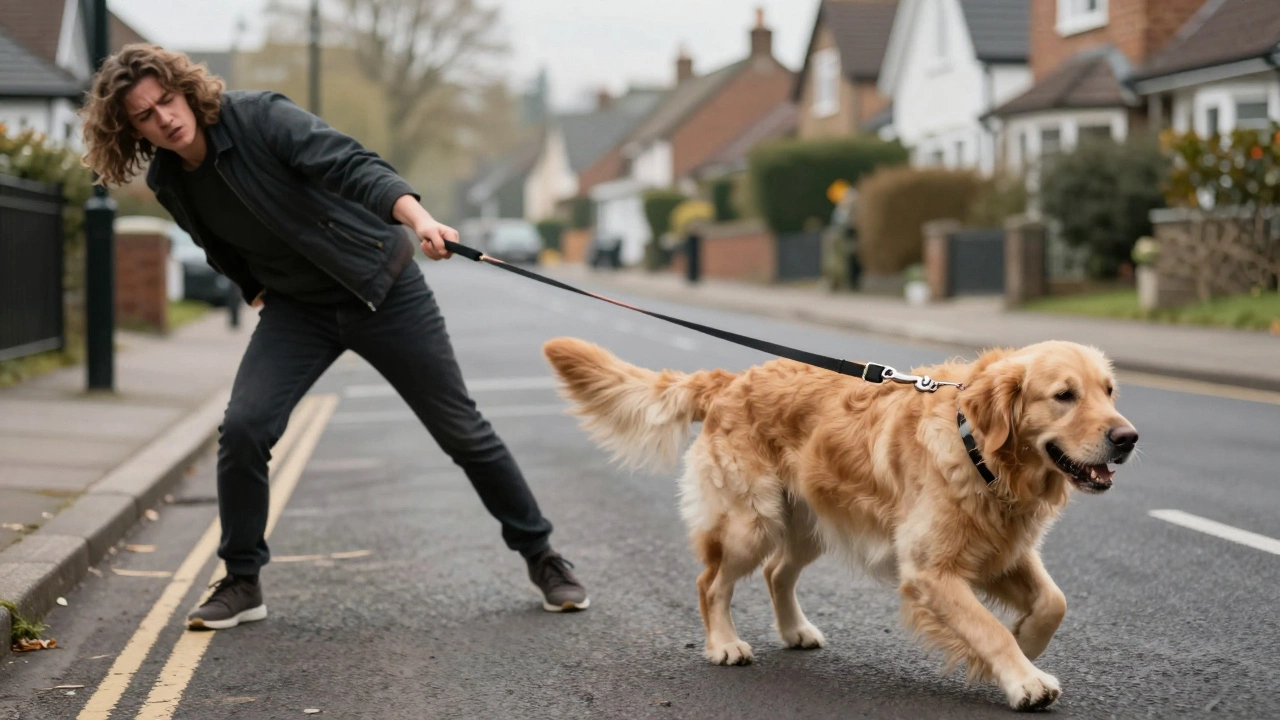
How to Stop a Dog from Pulling on Leash: Training Tips and Gear
Learn effective strategies to stop your dog from pulling on the leash. Discover the best gear, training methods like 'Be a Tree', and tips for building focus and endurance during walks.
View more
What Is the Best Tool to Stop a Dog from Pulling on the Leash?
The best tool to stop a dog from pulling is a front-clip harness, not a choke or prong collar. It redirects pulling gently, reduces neck strain, and works with training to build calm walking habits. Head halters are ideal for strong or reactive dogs.
View more