Dog Pooping After Eating: Why It Happens and What to Do
When your dog finishes a meal and immediately heads to the backyard to poop, it’s not weird—it’s normal. This is called the gastrocolic reflex, a natural bodily response where eating triggers movement in the colon. It’s the same thing that happens to people after breakfast. Your dog’s digestive system is built to move food quickly, especially if they’re eating a high-protein or high-fiber diet. Most dogs will poop within 30 minutes after eating, and that’s perfectly healthy.
But if your dog is pooping more than once after every meal, or the stool is loose, watery, or has mucus, then something else might be going on. food sensitivity, a reaction to ingredients your dog’s gut can’t handle well is one of the most common causes. Cheap fillers like corn, wheat, or soy can irritate the intestines and speed up digestion. Switching to a cleaner, simpler diet often fixes it. Another possibility is puppy potty training, a phase where young dogs haven’t yet learned to hold it. Puppies under six months often poop after eating because their muscles aren’t fully developed. As they grow, this usually improves.
Stress, sudden changes in routine, or even too much exercise right after meals can also trigger quick bowel movements. If your dog is otherwise happy, eating well, and not losing weight, it’s probably not a medical emergency. But if you notice blood in the stool, vomiting, lethargy, or if this starts happening suddenly in an adult dog who never did it before, it’s time to check with your vet. Parasites like giardia or worms can also cause this, and they’re easy to treat if caught early.
You’ll find real stories here from dog owners who’ve dealt with this exact issue—how they figured out their dog’s food was the problem, how they adjusted feeding times, and what worked when training didn’t. Some dogs poop right after eating because they’re excited. Others do it because they’re on a new treat brand. One owner switched from kibble to freeze-dried and saw a total change. Another started feeding smaller meals twice a day and stopped the midnight accidents. These aren’t guesses—they’re proven fixes.
There’s no one-size-fits-all answer, but there are clear patterns. This collection gives you the tools to read your dog’s body and figure out what’s normal versus what needs attention. Whether you’re dealing with a puppy, a senior dog, or a picky eater, you’ll find practical advice that actually works—no fluff, no jargon, just what you need to know to keep your dog healthy and your floors clean.
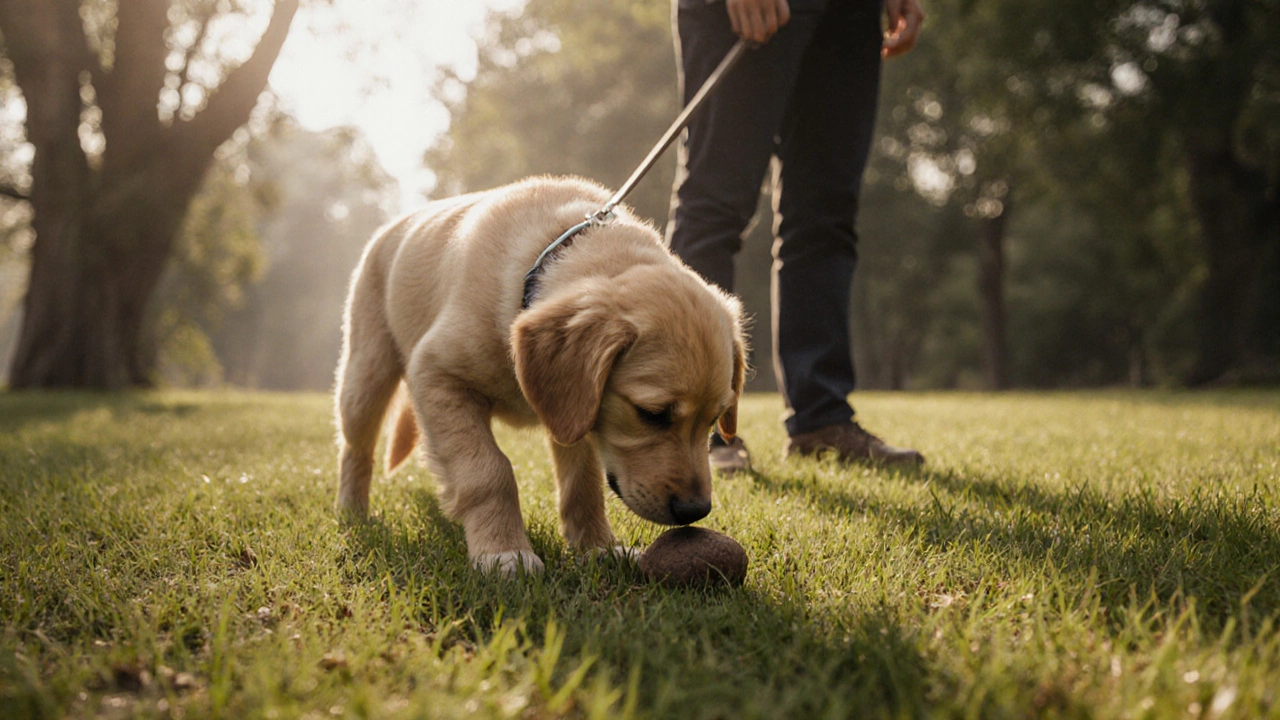
How Long After Eating Does a Dog Poop? Timing, Signs, and What to Watch For
Most dogs poop 8 to 12 hours after eating, but timing varies by age, diet, and breed. Learn what's normal, when to worry, and how to train your dog for consistent bowel movements.
View more