Dog Food Digestion: What Helps and What Hurts Your Dog's Gut
When it comes to your dog’s health, dog food digestion, how well your dog breaks down and absorbs nutrients from their food. Also known as canine digestion, it’s the quiet engine behind their energy, coat shine, and overall vibe. If your dog’s poop is soft, they’re gassy, or they seem to eat like they’re starving even after a full bowl, the issue isn’t always hunger—it’s digestion.
Not all dog food is built the same. dog food ingredients, the actual components in kibble or wet food that affect how easily they’re broken down matter more than brand names. Things like corn, wheat, and soy can irritate sensitive guts, while high-quality proteins like chicken or lamb are easier to process. dog gut health, the balance of good bacteria in your dog’s intestines plays a huge role too. Think of it like a garden—feed it the right nutrients, and it thrives. Feed it junk, and weeds take over. That’s why some dogs do better on limited-ingredient diets or foods with added probiotics.
Timing and feeding habits also shape digestion. Dogs aren’t designed to graze all day. Feeding them once or twice at set times gives their system a rhythm. Overfeeding, sudden diet switches, or giving table scraps can throw off their internal clock and lead to bloating, diarrhea, or constipation. Even something as simple as how fast they eat can cause problems—dogs who gulp food down often swallow air, which leads to gas and discomfort.
And while you might hear that dogs eat grass to fix an upset stomach, that’s not always true. Sometimes it’s boredom. Sometimes it’s instinct. But if your dog’s digestion is off more than occasionally, it’s worth looking closer at what’s in their bowl—not just how much.
Below, you’ll find real answers from dog owners and vets about what actually works when digestion goes sideways. From simple ingredient swaps to understanding when to worry, these posts cut through the noise and give you clear, practical steps—no fluff, no guesswork.
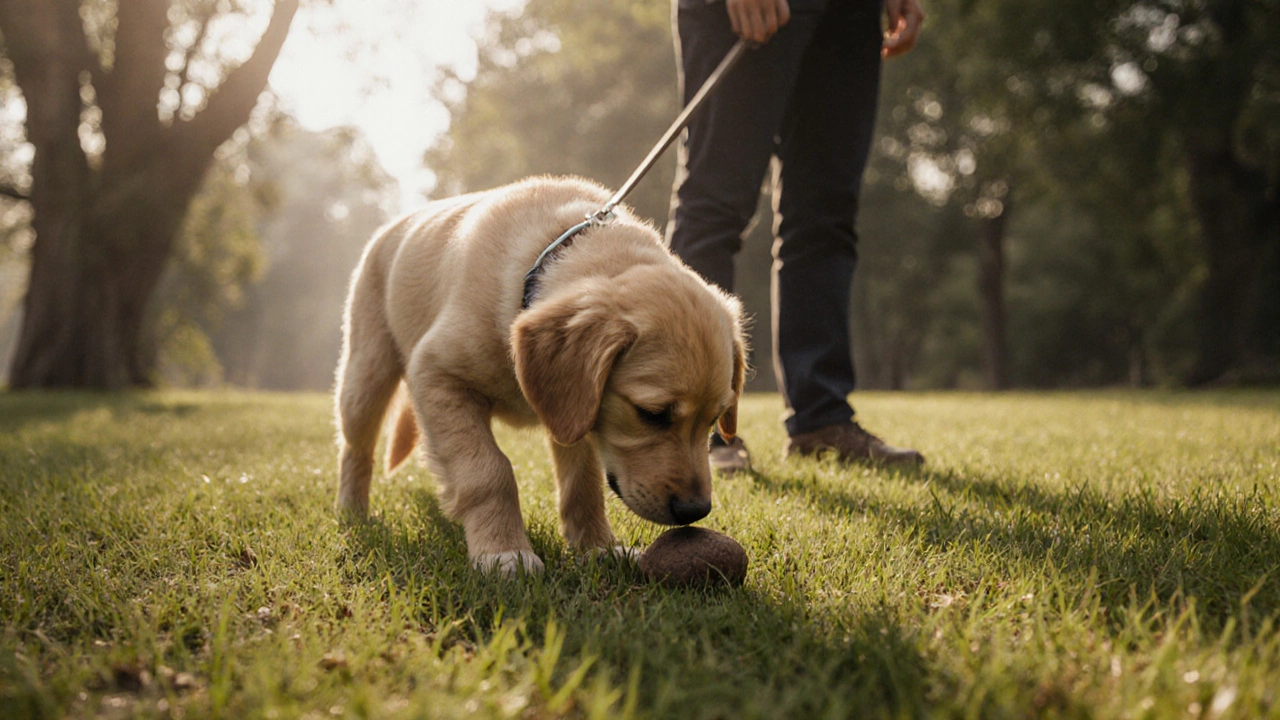
How Long After Eating Does a Dog Poop? Timing, Signs, and What to Watch For
Most dogs poop 8 to 12 hours after eating, but timing varies by age, diet, and breed. Learn what's normal, when to worry, and how to train your dog for consistent bowel movements.
View more