Dog Digestion Time: How Long Does It Take for Your Dog to Process Food?
When you feed your dog, dog digestion time, the period it takes for food to move through a dog’s digestive system from mouth to waste isn’t the same as for humans. Most dogs process a meal in 8 to 10 hours, but it can swing from 4 to 12 hours depending on age, breed, diet, and activity level. This isn’t just trivia—it affects how often you feed, what you feed, and whether your dog’s poop is normal or a red flag. If your dog eats and then throws up an hour later, or if their stool stays loose for days, you’re not just dealing with a picky eater—you’re seeing how their canine digestion, the biological process dogs use to break down food and absorb nutrients is (or isn’t) working right.
What you feed matters more than you think. A dog eating high-quality, meat-based kibble will digest faster than one munching on grain-heavy treats or table scraps. Wet food moves through quicker than dry, and raw diets can take longer but often result in smaller, firmer stools. Your dog’s size plays a role too—smaller dogs like Chihuahuas often digest in under 6 hours, while large breeds like Great Danes can take up to 12. Age changes things as well: puppies digest faster because they’re growing, but their systems are more sensitive. Seniors slow down, and their gut bacteria shift, making them more prone to constipation or loose stools. If your dog’s digestion suddenly changes—like going from two solid poops a day to three runny ones—it’s not just a coincidence. It’s your body telling you something’s off. Maybe it’s a new treat, a change in routine, or even stress from a trip or new pet. dog food processing, how a dog’s body breaks down and absorbs nutrients from food isn’t magic—it’s biology, and it responds to what you give it.
There’s no one-size-fits-all clock for digestion, but there are signs you can watch for. Healthy digestion means consistent, firm stools, no vomiting between meals, and steady energy. If your dog gobbles food and then pukes it up whole, that’s not digestion—that’s a swallowing problem. If they eat grass constantly or lick the floor, their gut might be trying to tell them something. And if their poop is chalky, bloody, or smells like rotting meat? That’s not normal. You don’t need a vet visit for every change, but you do need to pay attention. The posts below cover real cases: why dogs eat grass, how to spot when digestion goes wrong, what treats help or hurt their gut, and how to choose food that matches their needs. You’ll find practical advice from pet owners and vets who’ve seen it all—no fluff, no jargon, just what works.
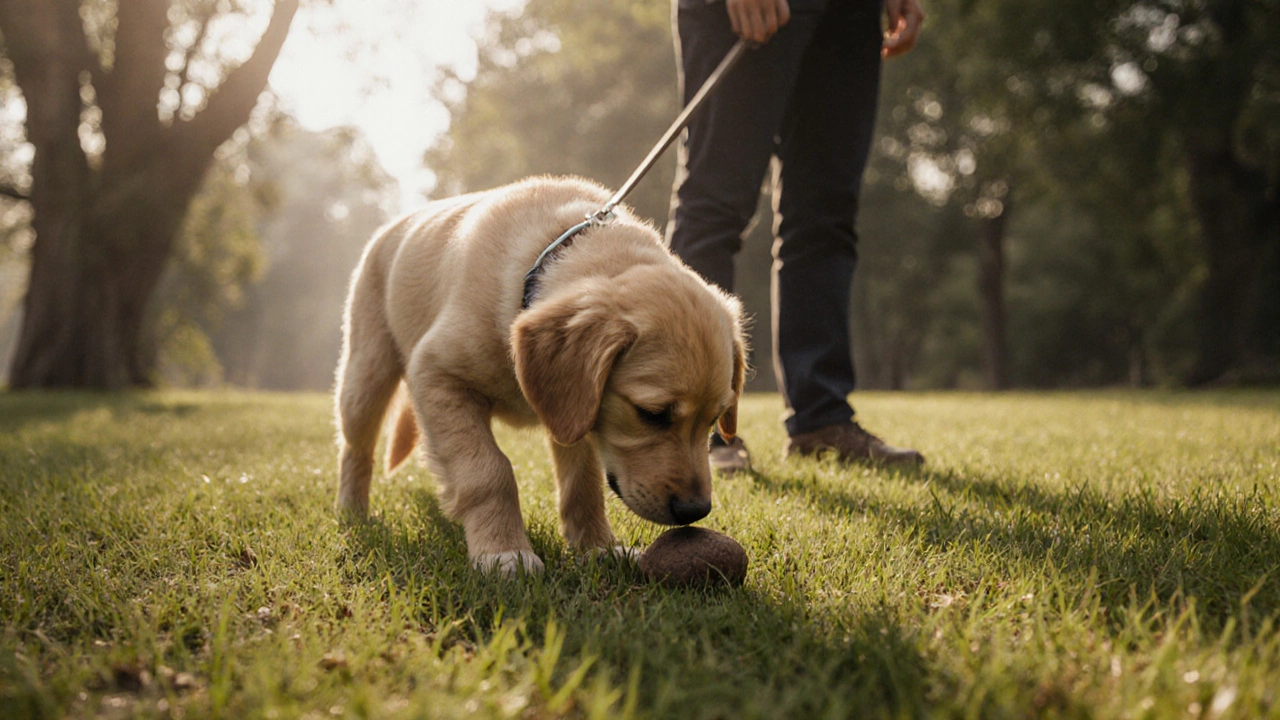
How Long After Eating Does a Dog Poop? Timing, Signs, and What to Watch For
Most dogs poop 8 to 12 hours after eating, but timing varies by age, diet, and breed. Learn what's normal, when to worry, and how to train your dog for consistent bowel movements.
View more