Dog Bowel Movements: What’s Normal, When to Worry, and How to Keep Them Healthy
When it comes to your dog’s health, dog bowel movements, the physical output of a dog’s digestive system that reflects overall gut health. Also known as canine stool, it’s one of the most honest indicators of what’s going on inside your pet. If your dog’s poop changes color, texture, or frequency, it’s not just messy—it’s a message. Most owners notice it right away, but few know what to look for beyond "is it soft or hard?" The truth is, healthy dog bowel movements are consistent in shape, color, and timing. They should be firm, log-like, and dark brown—not too hard, not too loose. Anything outside that range could signal diet issues, parasites, stress, or something more serious.
What your dog eats directly affects their dog digestion, the process by which food is broken down and nutrients are absorbed in the gastrointestinal tract. If you switch kibble brands, give table scraps, or feed too many treats, their system has to adjust. That’s why premium, natural treats—like those made with single-ingredient proteins and no fillers—can make a real difference. Poor digestion doesn’t just lead to bad poop; it can cause gas, bloating, and even behavioral changes like restlessness or lethargy. Then there’s dog diet and pooping, the direct relationship between what a dog consumes and the frequency and quality of their bowel movements. Dogs fed a balanced, species-appropriate diet typically poop once or twice a day. If they’re going three or four times, or only once every other day, something’s off. And don’t ignore mucus, blood, or unusual smells—those aren’t normal variations. They’re red flags.
It’s easy to overlook bowel movements because they’re not glamorous, but they’re one of the easiest ways to catch problems early. A sudden change in consistency after a new treat? Maybe it’s just an ingredient your dog doesn’t tolerate. A string of loose stools for more than two days? That could mean parasites or an infection. And if your dog is straining, whining, or licking their rear excessively, it’s not just discomfort—it could be an obstruction or inflammation. The good news? Most issues are fixable with simple tweaks: switching to a gentler food, adding probiotics, or cutting out treats that don’t agree with them. You don’t need a vet visit for every change, but you do need to know when to act.
Below, you’ll find real advice from pet owners and vets on what healthy dog bowel movements look like, what causes sudden changes, and how to prevent digestive problems before they start. Whether your dog is a puppy still learning potty habits, a senior with a slower gut, or a picky eater with weird stool, there’s something here that’ll help you understand what’s really going on inside them—and how to keep it running smoothly.
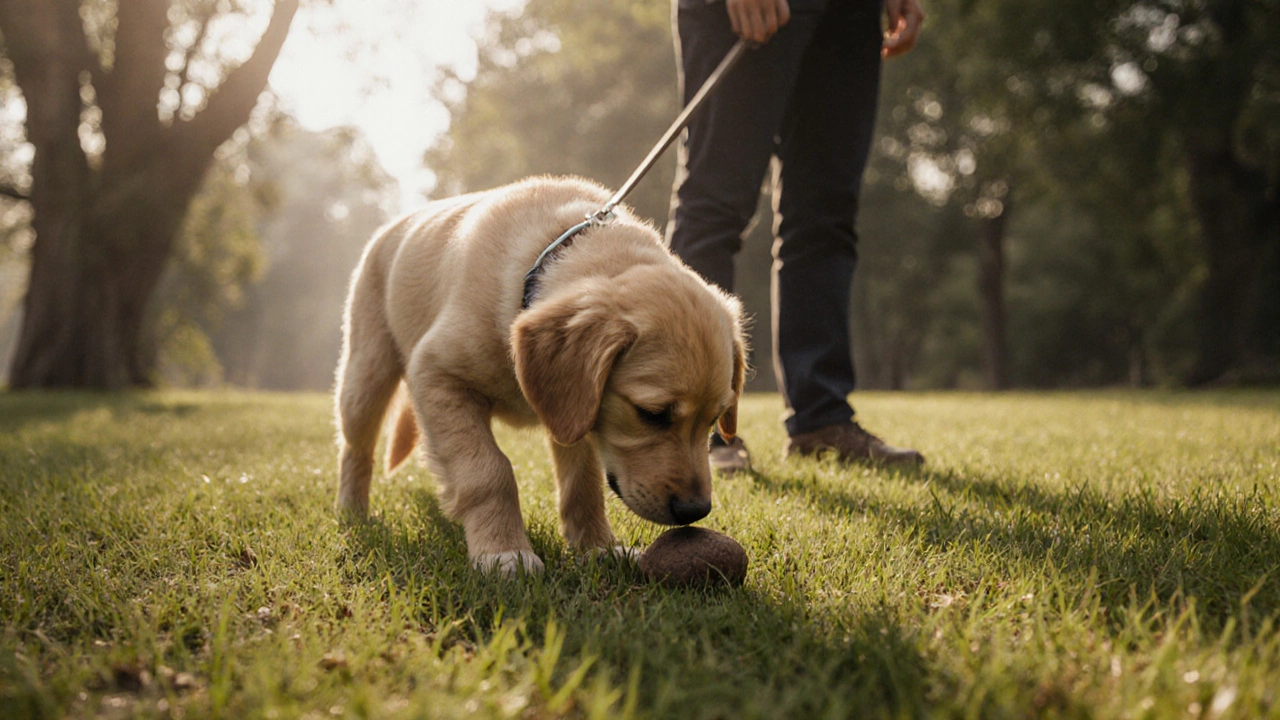
How Long After Eating Does a Dog Poop? Timing, Signs, and What to Watch For
Most dogs poop 8 to 12 hours after eating, but timing varies by age, diet, and breed. Learn what's normal, when to worry, and how to train your dog for consistent bowel movements.
View more