Dog Attachment: Understanding Bonding, Separation Anxiety, and How to Build Stronger Bonds
When your dog follows you from room to room, sighs when you leave, or goes crazy when you walk in the door, that’s not just clinginess—it’s dog attachment, the deep emotional bond dogs form with their human caregivers, rooted in evolution and social dependency. Also known as canine attachment, it’s what makes your dog feel safe with you and lost without you. This isn’t just cute behavior—it’s biology. Dogs have evolved to rely on humans for food, protection, and companionship, and their brains respond to us the same way ours respond to loved ones.
That strong bond can turn into separation anxiety, a stress response triggered when a dog is left alone and feels abandoned or unsafe. Also known as dog loneliness, it’s one of the most common behavioral issues we see, and it’s often mistaken for mischief or bad training. Your dog isn’t being spiteful—they’re terrified. Signs include destructive chewing, excessive barking, pacing, or accidents in the house when you’re gone. It’s not about obedience—it’s about emotional safety. The good news? You can fix this. And you don’t need expensive gadgets or complicated training. It starts with understanding how your dog sees you—as their anchor.
Building a healthy dog bonding, the mutual process of trust, routine, and positive interaction between a dog and their human. Also known as canine-human connection, it’s the foundation of every calm, confident pet takes time and consistency. It’s not about giving treats all day or letting your dog sleep on your bed. It’s about predictable routines—feeding at the same time, leaving calmly, coming back without drama, and teaching your dog that being alone is normal, not dangerous. Small changes like practicing short absences, using calming tools like puzzle toys, and avoiding over-the-top greetings make a huge difference.
And let’s be real—most of us don’t realize how much we’re contributing to the problem. Constant attention, even when it feels loving, can accidentally teach your dog that your presence is the only safe state. That’s why so many dogs panic when you step out for groceries. You’re not the villain—you’re just untrained in how to build independence. The solution isn’t to ignore your dog. It’s to teach them that your absence doesn’t mean goodbye.
What you’ll find in the posts below are real, practical answers to the most common dog attachment questions. How do you know if your dog has separation anxiety? What’s the best way to leave without triggering panic? Can a dog be too attached? We’ve pulled together guides on crate training, calming routines, travel stress, and how to help your dog feel secure when you’re not around. These aren’t theory pieces—they’re tools you can use tomorrow. Whether you’re dealing with a puppy who screams when left alone or an older dog who’s started acting out, there’s something here that will help.
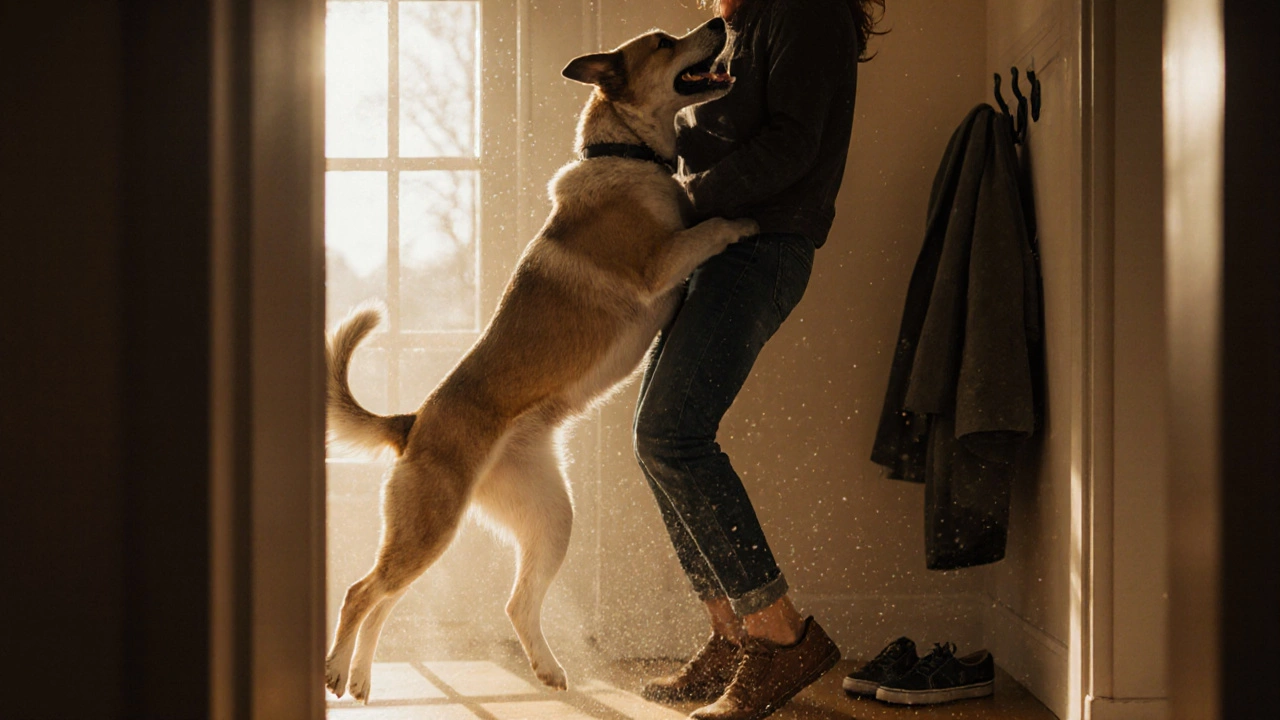
Does My Dog Know I Love Him? The Science Behind Dog Love and Bonding
Your dog doesn't need words to know you love them. Science shows they feel your bond through touch, tone, and routine. Here's how dogs understand love-and why your daily moments matter more than you think.
View more