Dog Walker Access Security Finder
Not sure how to let your dog walker in? Answer a few questions to find the best entry method for your home and peace of mind.
Where do you live?
Smart Lock
This is the best option for you based on your needs.
Quick Security Guide for Dog Owners
- Smart Locks: Best for tracking and remote access.
- Lockboxes: Good for occasional walkers or emergencies.
- Physical Keys: Traditional, but hardest to track.
- Concierge/Building Access: Safest for apartment dwellers.
The classic key exchange: Risks and rewards
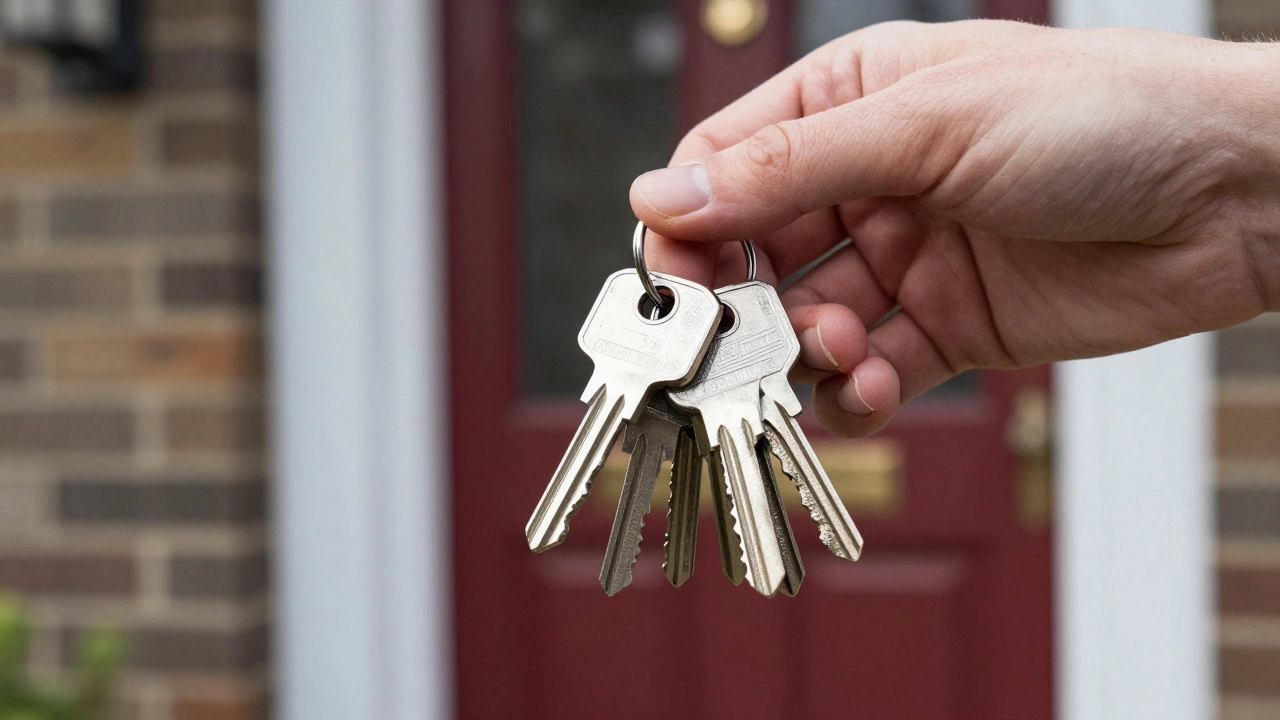
For years, the standard move was to hand over a spare key during the first meet-and-greet. While it's simple, it carries the most risk. Once a Dog Walker is a professional who provides exercise and companionship for dogs while owners are away, they often carry a massive ring of keys from a dozen different clients. If they lose that ring, your home security is instantly compromised.
Think about the logistics. If you give a physical key, you have no way of knowing exactly when the walker entered or left. You're relying entirely on a text message or a GPS app. Plus, if you ever change walkers, you have to hope the old one returns the key or you're spending a Saturday morning replacing all your deadbolts.
Modern alternatives to physical keys
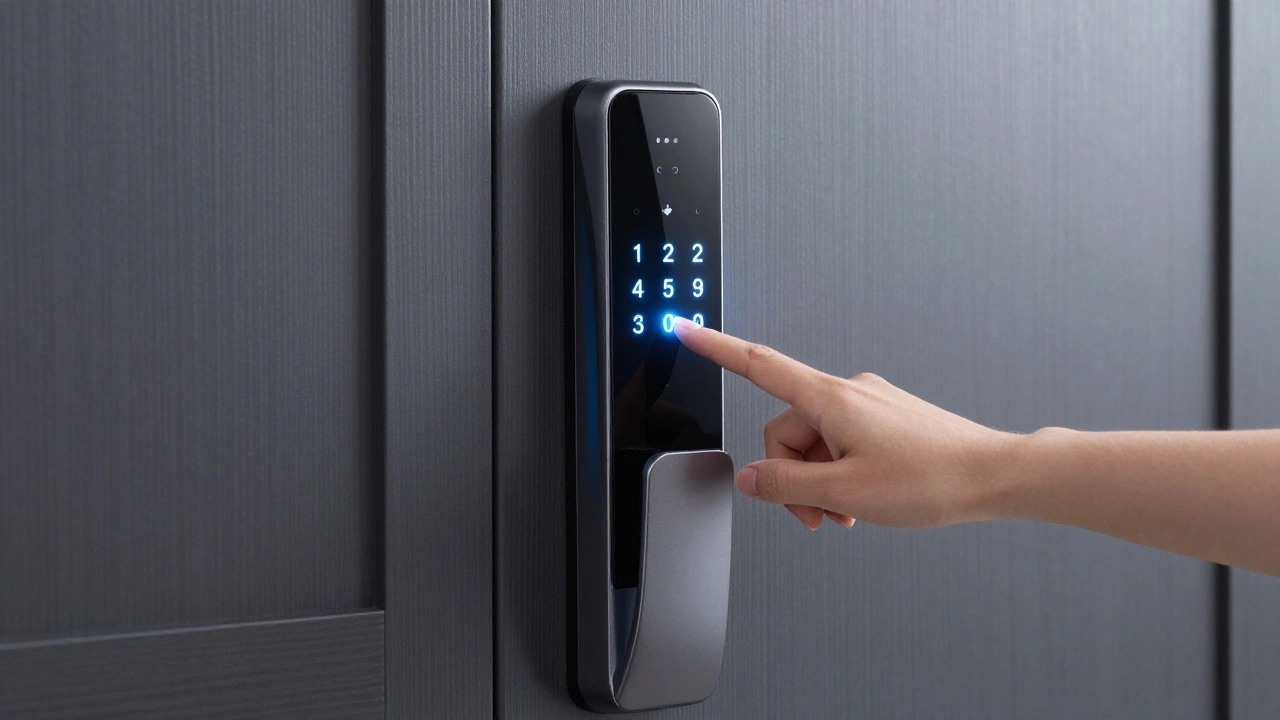
You don't have to settle for the "trust and hope" method. The rise of the Smart Lock has changed how pet owners manage access. These devices, such as those made by August or Schlage, allow you to create a unique digital code for your walker.
With a digital code, you can set specific time windows. For example, the code only works between 11:00 AM and 1:00 PM. If the walker tries to enter at midnight, the door stays locked. Most of these systems also send a notification to your phone the second the door opens, giving you real-time peace of mind without needing to check a camera.
| Method | Security Level | Convenience | Traceability |
|---|---|---|---|
| Physical Key | Low | High | None |
| Key Lockbox | Medium | Medium | None |
| Smart Lock | High | High | Full Logs |
| Building Concierge | Very High | Low | High |
Using a lockbox for a middle-ground approach
If you aren't ready to install a full electronic system, a Lockbox (often called a realtor box) is a solid compromise. Instead of the walker carrying your key, the key stays at your house in a secure, coded box bolted to the wall or hanging from a railing.
The big advantage here is that the key never leaves your property. If the walker leaves the job, you just change the combination on the box. However, be careful where you place it. If you hide it under a fake rock or a welcome mat, you aren't actually securing anything-you're just hiding the key from people who don't know it's there. A bolted, heavy-duty steel box is the only way to make this method truly secure.
Vetting your walker before handing over access
Regardless of how they get in, the most important security measure is who you let in. A professional Pet Sitting Agency should provide a background check for all their employees. If you're hiring a freelancer from an app, look for those with a high volume of verified reviews and a clear identity verification badge.
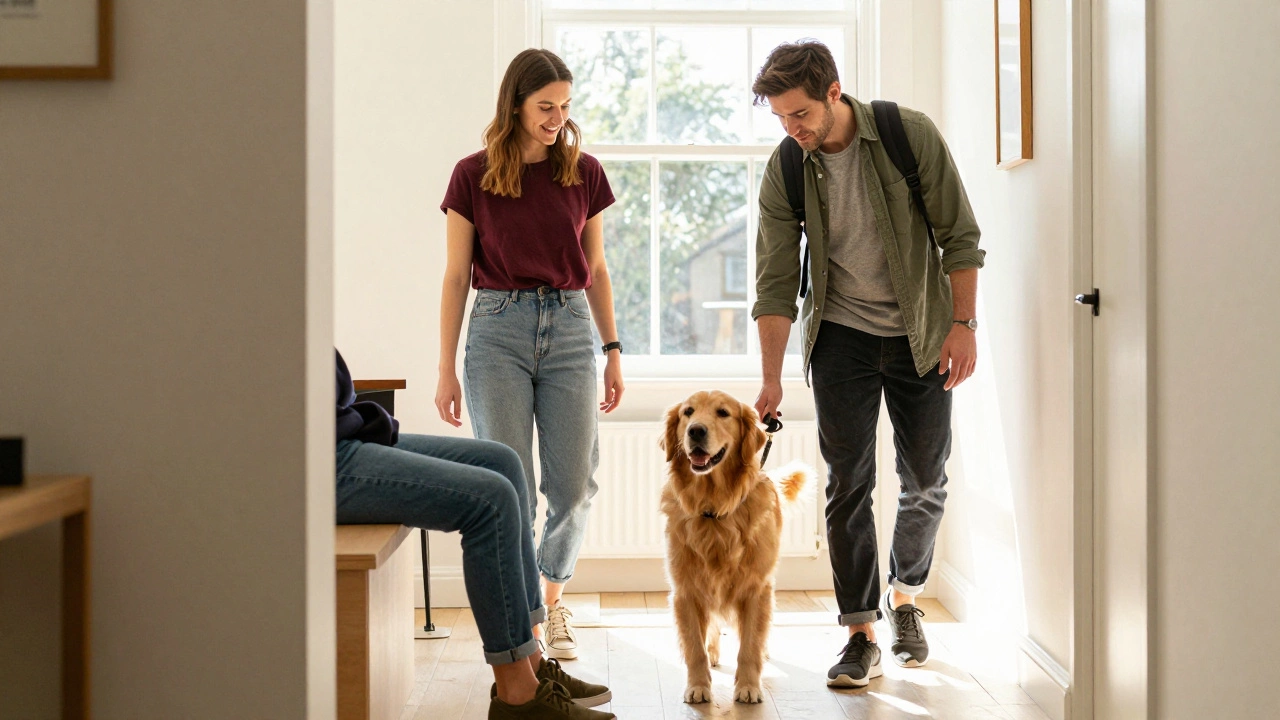
Do a "test run" first. Have the walker come over while you are home. Watch how they interact with your dog, but also notice how they treat your home. Do they close the door behind them? Do they respect your boundaries? If something feels off during the first meeting, no amount of smart locks will make you feel safe.
Managing the "Key Hand-Off" protocol
If you decide a physical key is the only option, create a formal agreement. This doesn't need to be a legal contract, but a simple written or emailed set of rules. Specify that the key cannot be duplicated and must not be shared with anyone else, including the walker's assistants.
You should also establish an emergency protocol. What happens if the walker loses the key? Who do they call? Do you have a backup key with a trusted neighbor? Having these answers ready prevents a panic-stricken phone call while you're in a meeting at work.
Apartment living and third-party access
If you live in a managed complex, you might not need to give a key at all. Many modern buildings have a Concierge or a front desk that can grant access to pre-approved visitors. This is the gold standard for security because there is a human witness and a digital log of every entry.
If your building has a key-fob system, avoid giving your personal fob to a walker. Most management offices can issue a temporary "guest pass" or a limited-access fob. This ensures that the walker can get into the building and the elevator, but you aren't handing over your entire identity and residential access in one piece of plastic.
Is it safe to give a dog walker a key if they are from a big agency?
Generally, yes, because agencies usually perform background checks and have insurance. However, agencies often rotate staff. This means multiple different people might have access to your key over time, which increases the risk of loss. Ask the agency if they use a centralized key management system or if they prefer smart lock codes.
What should I do if my dog walker loses my house key?
First, ask them to search thoroughly. If the key is truly gone, you should change your locks immediately-especially if the key was lost in a public area where your address might be linked to it. While it's a hassle, the cost of a locksmith is much lower than the cost of a home invasion.
Can I use a hidden key or a "hide-a-key" box?
It's not recommended. Professional burglars know all the common hiding spots (under mats, inside fake rocks, atop door frames). A hide-a-key provides a false sense of security and is far less safe than a combination lockbox or a digital lock.
How do I tell my walker I don't want to give them a key?
Be direct and frame it as a personal security preference. You can say, "I'm not comfortable giving out physical keys, so I've installed a smart lock/lockbox for your convenience." Most professional walkers are used to this and will actually prefer a digital code because it's easier for them to manage.
Do I need a camera to monitor my dog walker?
You don't need one, but it helps. A simple indoor camera pointed at the entry area allows you to verify that the walker is arriving on time and that your dog is happy. Just be transparent-always tell your walker that you have cameras so they don't feel spied on.
Next steps for secure pet care
If you're feeling uneasy, start by auditing your current entry points. If you have an old-style lock, consider upgrading to a keypad. If you're using a physical key, write down exactly where that key is at all times. For those starting with a new walker, schedule a few sessions where you are home before handing over any access. Your peace of mind is just as important as your dog's midday stroll.