Puppy Exercise & Nutrition Guide
Avoid damaging growing growth plates. Use the "5-minute rule" for structured walks.
0 minutes per session, twice a day.
*This applies to formal exercise (walking/hiking), not casual indoor play.
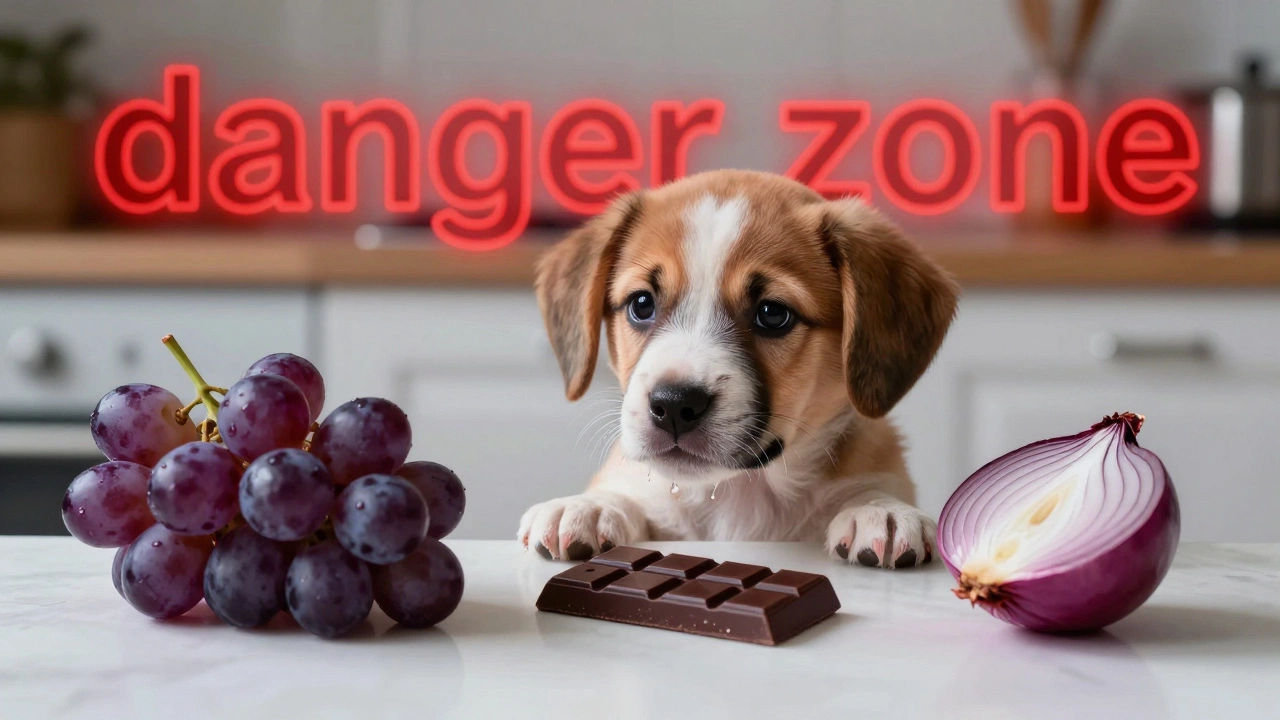
Check if a common human food is toxic to your puppy.
Emergency: If your pup ate something toxic, call a vet immediately!
Quick Summary: Key Mistakes to Avoid
- Don't skip the socialization window or rush it too fast.
- Avoid using punishment or fear-based training methods.
- Stop feeding human foods that are toxic to canines.
- Don't over-exercise a growing puppy's joints.
- Avoid delaying the first vet visit or skipping core vaccinations.
The Socialization Trap: Too Much or Too Little
One of the biggest mistakes owners make is confusing "socialization" with "meeting every person and dog on the street." You might think you're being a great owner by taking your pup to a crowded park, but for a young dog, this can be a sensory nightmare. Overstimulation leads to fear, and fear leads to reactivity.
Socialization is the process of introducing a puppy to new environments, people, and other animals in a controlled, positive way. It's not about the quantity of experiences, but the quality. If your pup is shaking or hiding, pushing them further into the crowd isn't "braving it out"-it's creating a lifelong phobia.
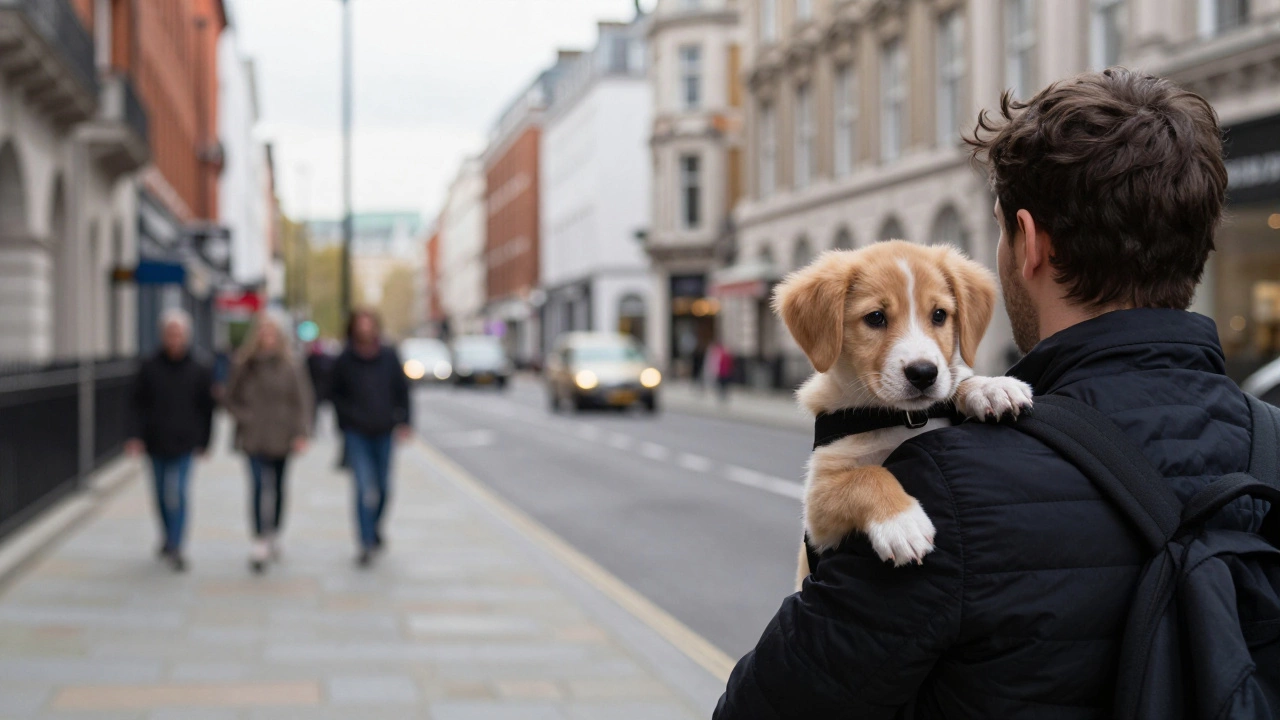
On the flip side, don't wait until the puppy is "fully vaccinated" to start showing them the world. While you should avoid high-risk areas like dog parks where unknown dogs congregate, avoiding everything entirely means you miss the critical window before 16 weeks. Use a "puppy taxi" (carrying them) to let them see traffic and hear city noises without touching the ground.
Feeding Fails and the Danger of "Human Treats"
It's tempting to share your morning toast or a bit of chocolate with your new best friend. However, the Canine Digestive System is specifically evolved to process different nutrients than humans, making certain common foods lethal. Giving a puppy a grape or a piece of onion isn't just a "tummy ache" risk; it can lead to acute kidney failure.
Another common error is changing their food brand every week because you saw a fancy ad. Puppies have incredibly sensitive stomachs. Switching from a chicken-based kibble to a lamb-based one overnight often results in "explosive" accidents that leave your carpets ruined and your pup miserable. Always transition food slowly over 7 to 10 days.
| Food Item | Why It's Dangerous | Potential Effect |
|---|---|---|
| Xylitol (Artificial Sweetener) | Causes massive insulin release | Hypoglycemia and liver failure |
| Grapes & Raisins | Toxins attack kidneys | Acute kidney failure |
| Chocolate/Caffeine | Methylxanthines stimulant | Heart arrhythmias, tremors |
| Macadamia Nuts | Unknown toxins affecting nerves | Weakness, vomiting, ataxia |
Training Traps: Punishment and Inconsistency
Stop the yelling. Seriously. If you catch your puppy chewing your favorite sneakers and react by screaming or pinning them down, you aren't teaching them "don't chew shoes." You're teaching them that you are unpredictable and scary. This is how you accidentally build a dog with anxiety or aggression issues.
One of the most common puppy care mistakes is inconsistency with "house rules." If the puppy is allowed to sleep on the sofa on Saturday but gets scolded for it on Monday, they get confused. Dogs don't understand "sometimes"; they understand patterns. If something is forbidden, it must be forbidden 100% of the time.
Positive Reinforcement is a training method that rewards desired behaviors rather than punishing unwanted ones. Instead of saying "No!" to the chewing, redirect them to a toy and praise them wildly when they chew that instead. The goal is to make the correct choice the most rewarding one.
Overdoing the Physicality: The Joint Danger
It's tempting to take your high-energy pup on a 5km hike because they seem like they can keep going forever. Don't do it. A puppy's bones are not fully fused, and their Growth Plates are areas of cartilage at the ends of long bones that allow for growth. Forcing them to do long-distance running or jump off high porches can lead to permanent joint damage or hip dysplasia, especially in larger breeds like Labradors or Goldens.
A good rule of thumb for exercise is "5 minutes of formal exercise per month of age, twice a day." If your pup is 3 months old, 15 minutes of walking is plenty. Let them tire themselves out through play and exploration, not through structured athletic endurance.
Medical Neglect: The "He Looks Fine" Fallacy
Many new owners skip the initial vet check because the breeder said the pup was healthy. This is a gamble you shouldn't take. A professional exam can catch congenital issues, parasites, or early signs of illness that aren't visible to the naked eye. Skipping the Vaccination Schedule-which usually involves a series of shots starting at 6-8 weeks-leaves your pup vulnerable to parvovirus, a deadly disease that can wipe out a puppy in days.
Don't also ignore the "small things" like ear cleanliness or nail trimming. If you wait until they are adults to start these processes, you're teaching them that the grooming table is a place of stress. Start touching their paws and cleaning their ears now, treating it like a spa day with lots of treats.
The Sleep Struggle: Avoid the "Cry It Out" Method
Your puppy will cry. They will scream at 3 AM because they miss their siblings and feel alone in a big house. Many guides suggest letting them "cry it out" to teach independence. In reality, this often just increases their cortisol levels and makes them more anxious.
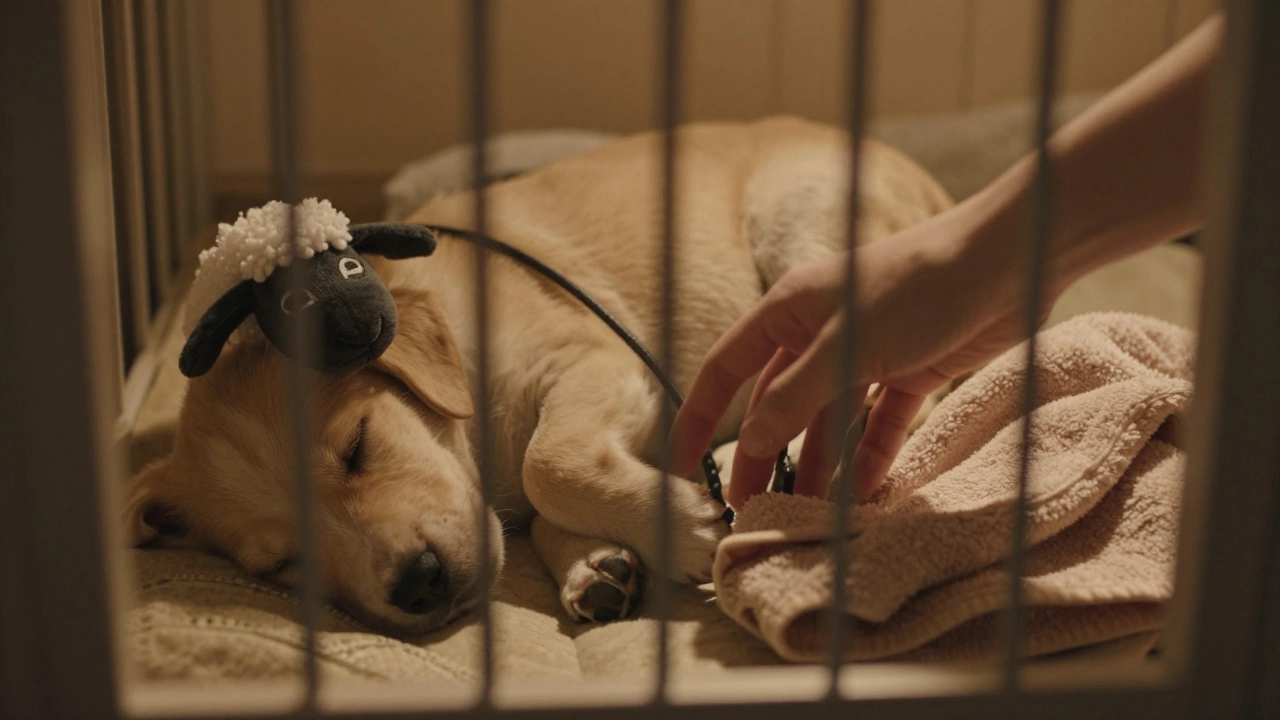
Instead of ignoring the distress, create a safe nest. Put a heartbeat sheep or a warm water bottle wrapped in a towel in their crate. If they cry, check if they need a bathroom break. Once you know their basic needs are met, a gentle "shhh" or a hand through the crate bars can reassure them. The goal is to build trust, not to force a cold independence.
Can I bathe my puppy as soon as I bring them home?
It's best to avoid a full bath for the first few days. Puppies are stressed from the move, and a cold bath can drop their body temperature or scare them. If they're really dirty, use a damp cloth or puppy-safe grooming wipes. Wait until they've settled in and had their first vet visit to ensure their skin isn't irritated.
Is it okay to give my puppy treats instead of meals?
No. Puppies need specific nutrients for brain and bone development that only balanced puppy food provides. If you use treats for training, subtract that amount from their daily calories or use pieces of their actual kibble as rewards. Too many treats can lead to obesity and nutritional deficiencies.
Should I let my puppy jump on guests to be friendly?
Absolutely not. While it's cute when they're 10 pounds, it's a problem when they're 70 pounds. Stop the jumping behavior immediately by rewarding "four paws on the floor." If you let them do it now, you're reinforcing a habit that's very hard to break later.
Can I use a leash and collar right away?
You can, but be careful. A puppy's trachea is very fragile. Avoid using a standard collar for pulling; instead, use a harness. This prevents pressure on their throat and reduces the risk of injury if they suddenly lunge after a butterfly.
Do I need to crate train my puppy immediately?
Crate training is highly recommended but should be introduced gradually. Don't just throw them in and shut the door. Make the crate a "happy place" with treats and toys. It helps with housebreaking and prevents them from chewing your furniture while you're not looking.
What to Do Next
If you've already made some of these mistakes, don't panic. Dogs are incredibly resilient. If you've been too harsh, start focusing on reward-based play today. If you've over-exercised them, dial it back and focus on mental stimulation like puzzle toys.
For those just starting, your immediate priority should be a consistent schedule. Puppies thrive on predictability. Feed them, walk them, and put them for naps at the same time every day. Once the schedule is set, the "bad" behaviors usually diminish because the puppy feels secure. If you notice any persistent lethargy or refusal to eat, get to a vet immediately-puppies can crash quickly, so early intervention is everything.