Dog Grooming Cost Calculator
Your Dog's Details
Recommendations
Enter your dog's details to see your personalized grooming recommendations.
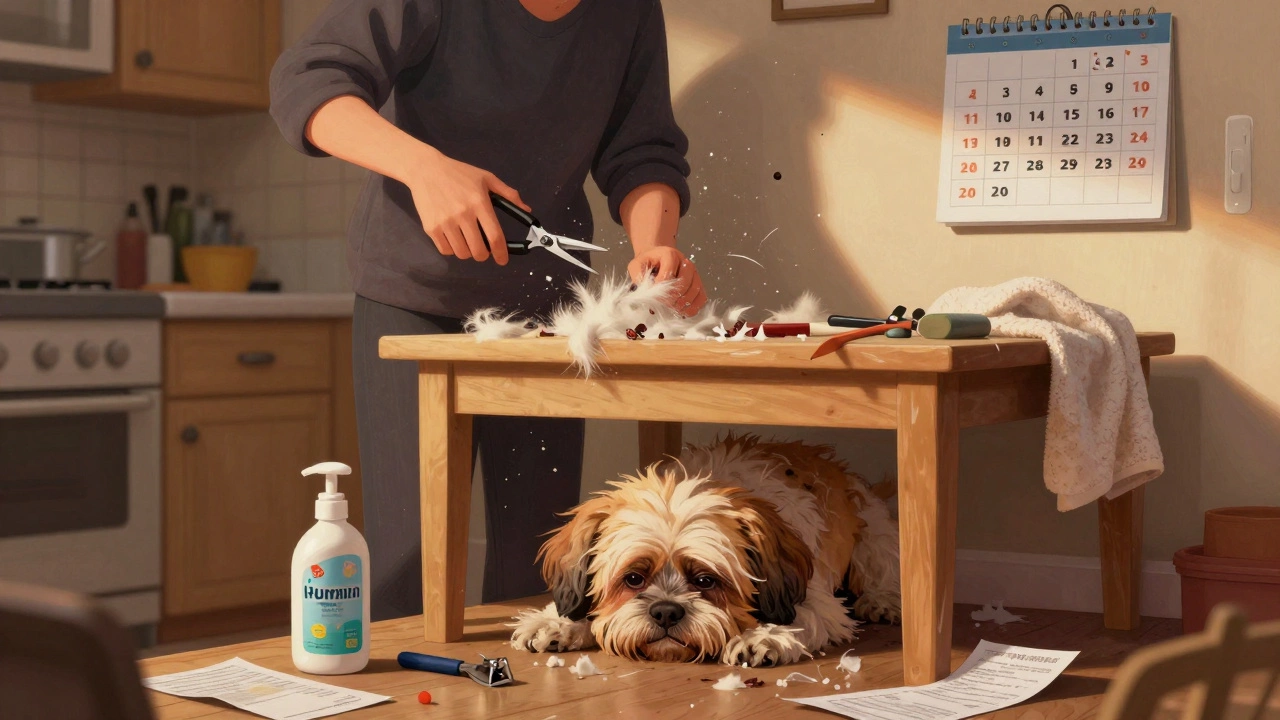
Ever stood in your kitchen with a pair of clippers, a confused dog, and a pile of fur that looks like it survived a tornado? You’re not alone. Many dog owners wonder: is it worth getting a dog groomer? Or can you handle it yourself without turning your living room into a fur factory?
The truth? It depends. Not on your dog’s breed alone, but on your time, your skill, your dog’s temperament, and what kind of life you actually want to live with your pet.
What a Professional Dog Groomer Actually Does
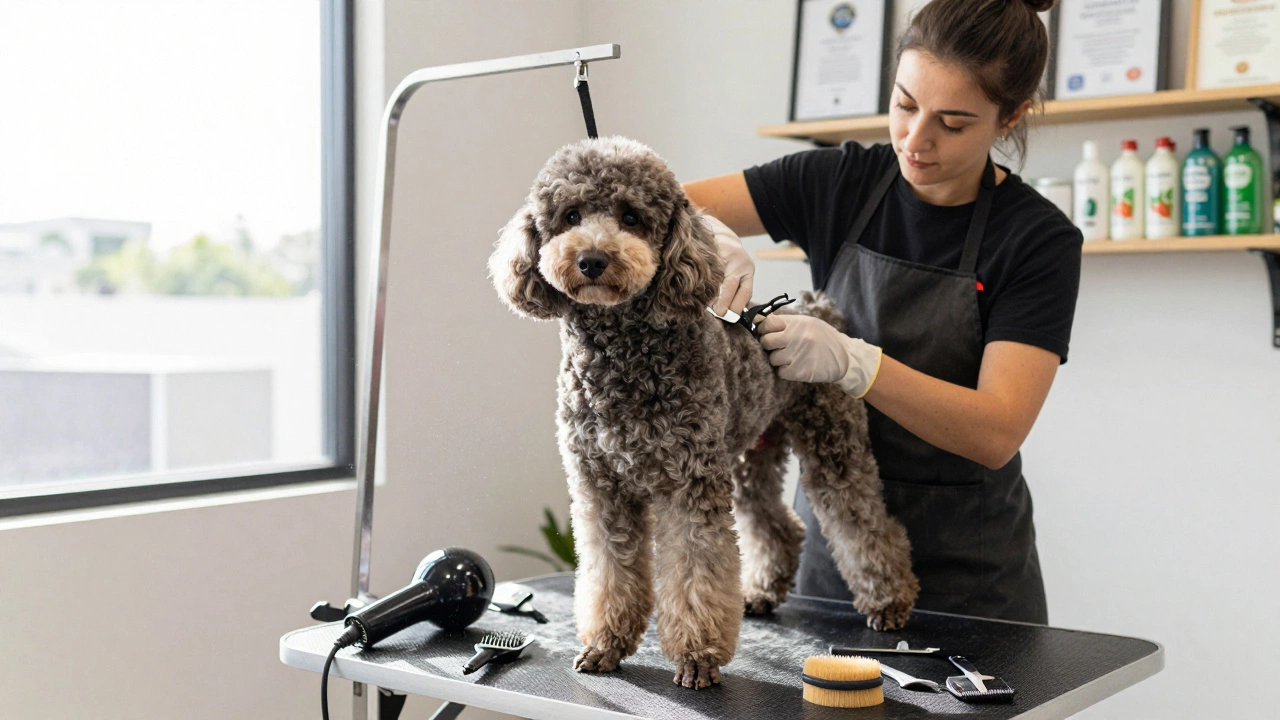
A dog groomer isn’t just someone who gives your pup a bath and calls it a day. A good groomer in Auckland or anywhere else does a full health check while they work. They look for skin irritations, lumps, ear infections, matted fur under the coat, overgrown nails, and even signs of fleas or ticks you might have missed.
They use professional tools - high-velocity dryers that remove loose undercoat without stressing the dog, clippers that don’t overheat, and shears designed for specific coat types. They know how to handle anxious dogs, how to trim around the eyes and paws safely, and how to avoid cutting the quick on nails.
For breeds like Poodles, Shih Tzus, Bichon Frises, or Cocker Spaniels, grooming isn’t optional - it’s medical. Their hair grows continuously. Left untrimmed, it mats. Mats pull on the skin, trap moisture, cause sores, and hide parasites. One owner in Takapuna told me her Shih Tzu developed a painful skin infection because mats went unnoticed for months. That cost $800 in vet bills. A monthly groom would’ve cost $60.
How Much Does a Dog Groomer Cost in New Zealand?
Prices vary by size, coat type, and location. In Auckland, here’s what you can expect in late 2025:
- Small dog (under 10kg) with short coat: $50-$70
- Medium dog (10-25kg) with medium coat: $70-$95
- Large dog (25kg+) with thick or long coat: $95-$140
- Extra services (teeth brushing, de-shedding, blueberry facial): +$15-$30
Some groomers charge extra if your dog is matted, aggressive, or needs special handling. That’s fair - it takes more time and skill. A groomer who spends 90 minutes untangling a Pomeranian’s full coat isn’t just doing a bath. They’re doing surgery with scissors.
Compare that to buying your own clippers, shampoo, dryer, and brushes. A decent set costs $200-$300 upfront. You’ll also need to replace blades, buy grooming sprays, and possibly pay for training videos or courses. And if you mess up? You might end up needing a vet visit anyway.
When DIY Grooming Makes Sense
Not every dog needs a pro every four weeks. Some owners do fine with regular brushing and occasional baths. If your dog has a short, smooth coat - like a Labrador, Beagle, or Boxer - you can likely manage everything yourself with a rubber curry brush and a good bath mat.
Even with long-haired dogs, you can save money by doing basic maintenance between professional visits. Brushing twice a week cuts down on matting. Trimming nails every 3-4 weeks prevents overgrowth. Cleaning ears monthly stops infections. These are simple habits that reduce how often you need a groomer.
One dog owner in Hamilton told me she does her Border Collie’s full groom every 12 weeks, but brushes daily and trims the feet and sanitary areas herself every two weeks. That cuts her annual grooming bill in half.
When You Absolutely Need a Professional
There are times when DIY isn’t safe - or even possible.
- Severe matting: You can’t just cut it out. You risk cutting the skin. A groomer will safely remove mats with specialized tools or shave the area down.
- Anxious or aggressive dogs: If your dog growls, snaps, or freezes during grooming, a pro has experience handling fear. You might get hurt - or worse, traumatize your dog further.
- Specialized cuts: Poodle clips, lion cuts, or show trims require training. YouTube tutorials won’t get you there.
- Medical needs: Dogs with arthritis, mobility issues, or skin conditions need gentle handling. A groomer trained in geriatric or therapeutic care knows how to support joints and avoid pressure points.
Some groomers in New Zealand even work with vets to help dogs recovering from surgery. They use low-heat dryers, avoid sensitive areas, and keep stress levels low. That’s not something you can replicate at home.
What You’re Really Paying For
When you hire a groomer, you’re not just paying for scissors and shampoo. You’re paying for:
- Time: A full groom takes 2-4 hours. Most people don’t have that kind of free time.
- Expertise: Years of handling different breeds, temperaments, and coat types.
- Equipment: Industrial dryers, professional clippers, and sanitizing stations cost thousands.
- Insurance: Reputable groomers carry liability insurance. If something goes wrong, you’re covered.
- Peace of mind: Knowing your dog is safe, clean, and comfortable without you having to wrestle them into a tub.
Think of it like taking your car to a mechanic. You could try fixing the engine yourself. But if you don’t know what you’re doing, you might break it worse.
Signs You’re Doing It Wrong at Home
Here are red flags that tell you it’s time to call a pro:
- Your dog shakes or hides before bath time
- You’re using human shampoo (it strips natural oils and dries out dog skin)
- You’re cutting nails too short and they bleed
- Your dog has bald patches, red skin, or a foul smell after you groom
- You’re using dull clippers that tug instead of cut
- You’ve had to use a muzzle or hold your dog down
If any of these sound familiar, you’re not saving money - you’re risking your dog’s comfort and health.
How Often Should You Groom Your Dog?
There’s no one-size-fits-all answer. Here’s a simple guide:
- Short-coated breeds (Labrador, Dachshund): Bath every 6-8 weeks, brush weekly
- Medium-coated breeds (Golden Retriever, Corgi): Bath every 4-6 weeks, brush 2-3 times a week
- Long or curly-coated breeds (Poodle, Maltese, Afghan Hound): Professional groom every 4-6 weeks, daily brushing
- Double-coated breeds (Siberian Husky, Bernese Mountain Dog): Brush daily during shedding season (spring/fall), professional de-shedding every 8-10 weeks
And don’t forget: even short-haired dogs need nail trims every 3-4 weeks. Overgrown nails cause posture problems, joint pain, and can even lead to arthritis over time.
What to Look for in a Dog Groomer
Not all groomers are equal. Here’s how to pick a good one:
- Ask if they’re certified (e.g., through the New Zealand Pet Grooming Association)
- Watch how they handle dogs - are they calm? Patient? Do they use treats?
- Ask about their drying methods - forced-air dryers can scare dogs. Look for low-noise, low-heat options
- Check if they have separate areas for bathing and drying - wet dogs shouldn’t be left in cages
- Read reviews mentioning specific breeds similar to yours
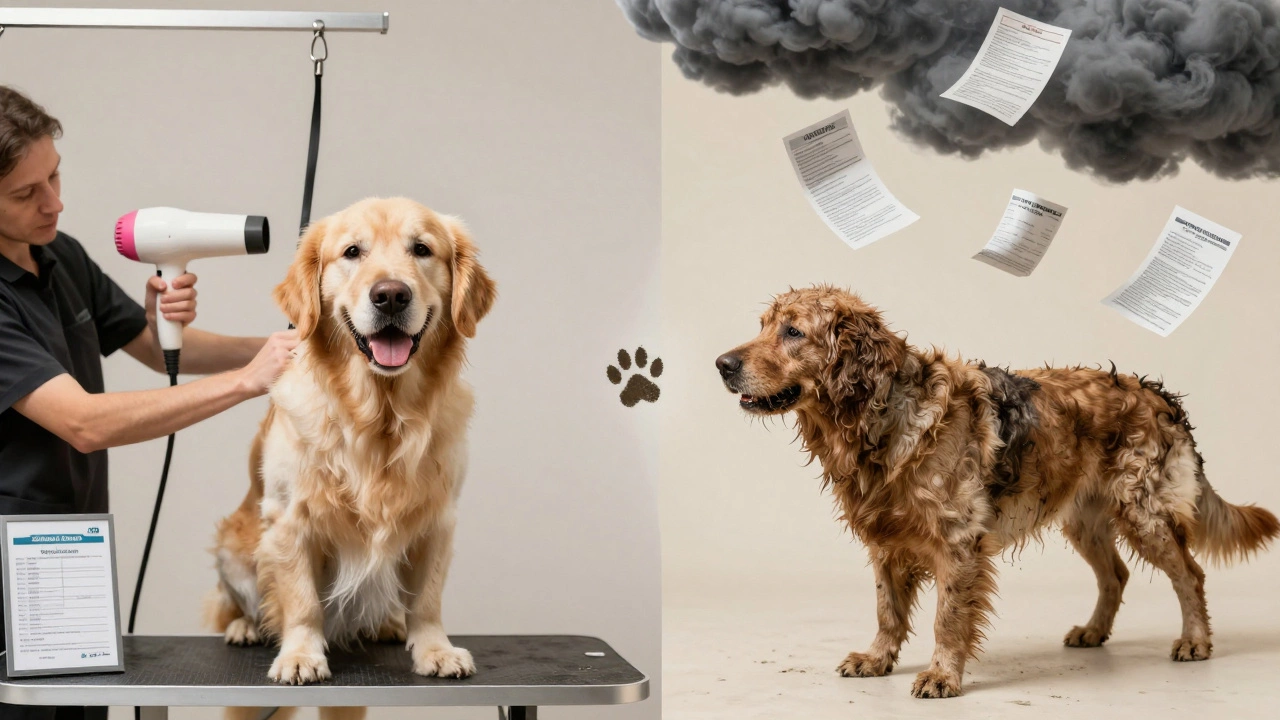
A good groomer will talk to you before starting. They’ll ask about your dog’s behavior, any skin issues, and what you’re hoping to achieve. If they just say, “I’ll do the usual,” walk away.
The Real Cost of Skipping Grooming
Let’s say you skip grooming for six months to save $400. What happens?
- Your dog gets matted fur → skin infection → vet visit: $300+
- Nails grow into pads → limping → physical therapy: $500+
- Ear infection from moisture buildup → antibiotics and cleaning: $200
- Stress from discomfort → behavioral issues → training costs: $150+
That’s $1,150+ in unexpected bills. Plus, your dog is in pain. And you’re stuck with guilt.
Professional grooming isn’t a luxury. For many dogs, it’s preventive healthcare.
Final Verdict: Is It Worth It?
If your dog has a long, curly, or double coat - yes, absolutely. If your dog is anxious, older, or has health issues - yes. If you’re busy, tired, or just don’t enjoy wrestling your dog into a tub - yes.
If your dog has a short, smooth coat and you have the time, patience, and basic tools - you can probably manage it yourself. But even then, a professional groom every 3-4 months for a full check-up is a smart move.
Don’t think of it as an expense. Think of it as an investment in your dog’s comfort, health, and longevity. A well-groomed dog is a happier dog. And a happier dog means fewer vet visits, less stress, and more walks - and cuddles - with you.