Dog Collar Recommendation Finder
Recommended Style
...
Recommended Material
...
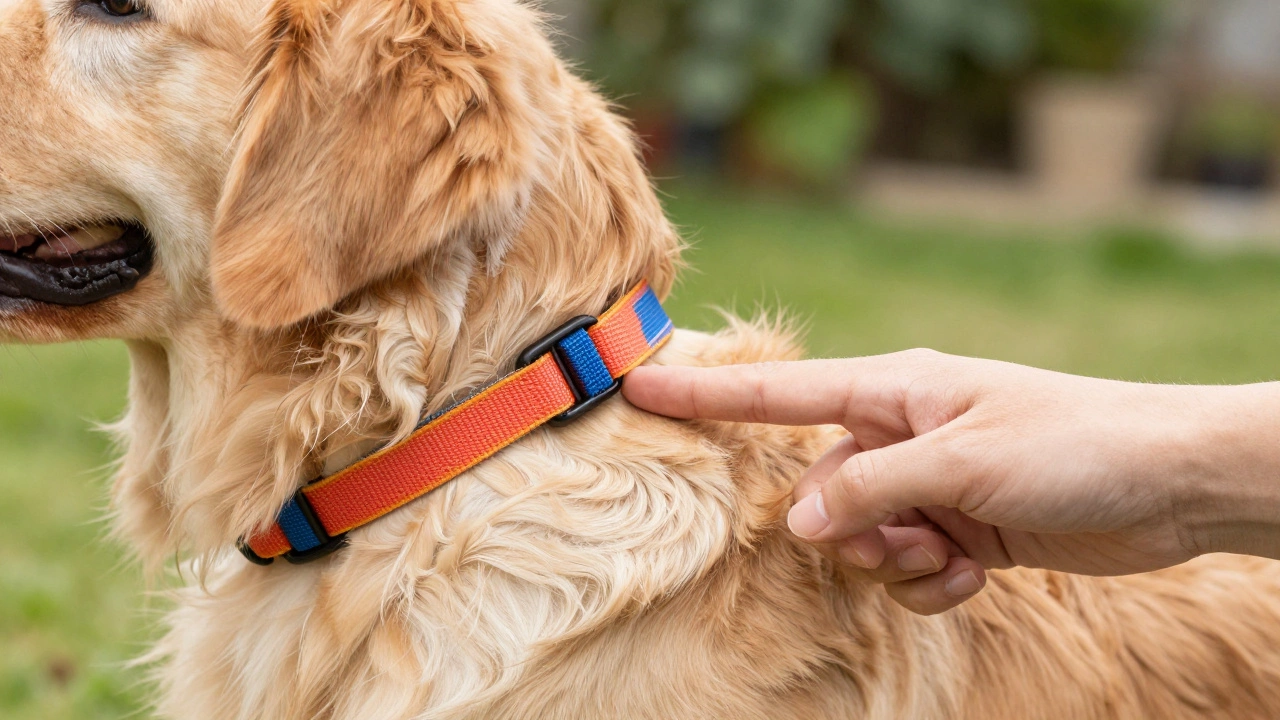
Pro Tip for Fit:
Always use the Two-Finger Rule: Ensure you can comfortably slide two fingers between the collar and your dog's neck to prevent choking or escaping.
Quick Tips for Choosing
- Flat Collars: Best for ID tags and everyday wear.
- Martingale Collars: Essential for dogs with narrow heads (like Greyhounds).
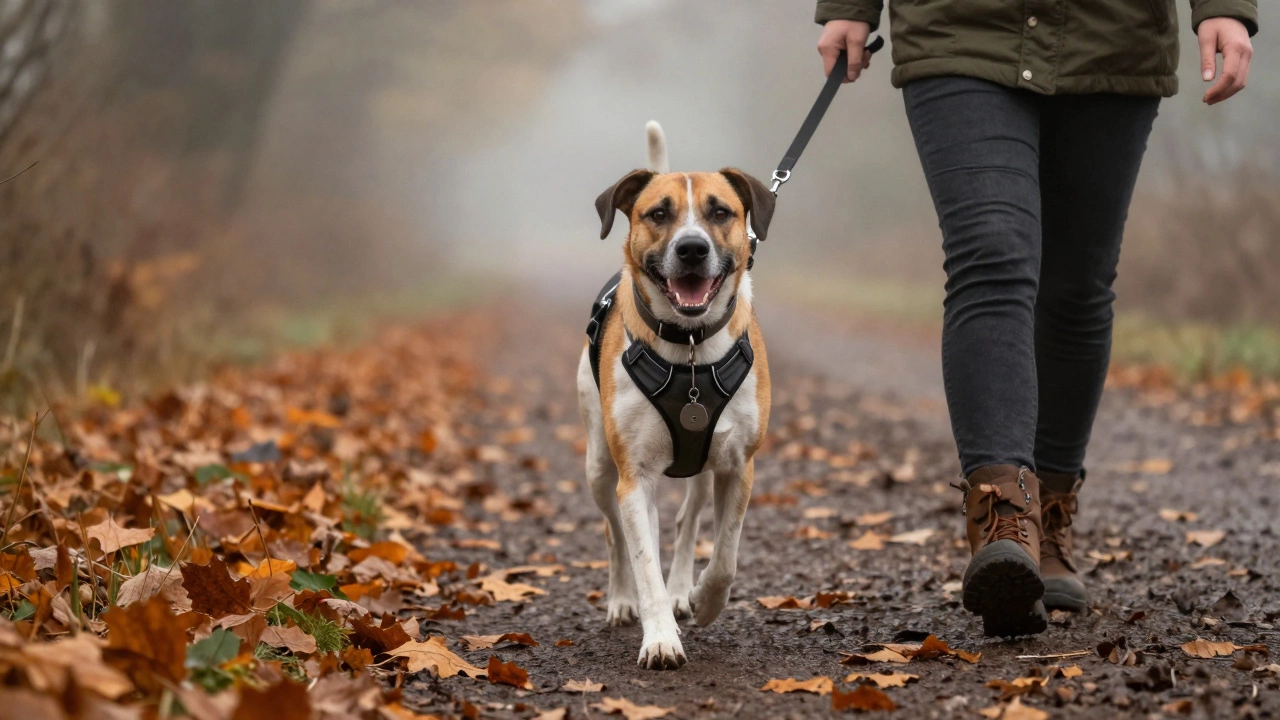
- Harnesses: The gold standard for dogs that pull or have respiratory issues.
- Size Rule: The "two-finger rule" ensures the fit isn't too tight or too loose.
Matching the Collar to Your Dog's Personality
Before you look at colors, look at your dog. A high-energy Labrador who loves mud needs a completely different setup than a pampered Pomeranian. If your dog is a "escape artist" who can wiggle out of almost anything, a standard buckle collar is a gamble. You'll need something that cinches slightly when they pull, but not so much that it chokes them.
Consider the environment too. If you live near the beach or a lake, salt and sand will shred a cheap nylon collar in weeks. For those active lifestyles, you want materials that don't absorb water and odors. On the other hand, a dog with sensitive skin might react poorly to synthetic dyes or rough plastics, making natural leather or soft neoprene a better bet.
Think about the "pull factor." Does your dog treat every walk like a race? If they lung forward, a collar puts immense pressure on the trachea. In those cases, you might want to move away from a traditional collar for walking and use a harness instead, keeping the collar strictly for identification.
Breaking Down Material Choices
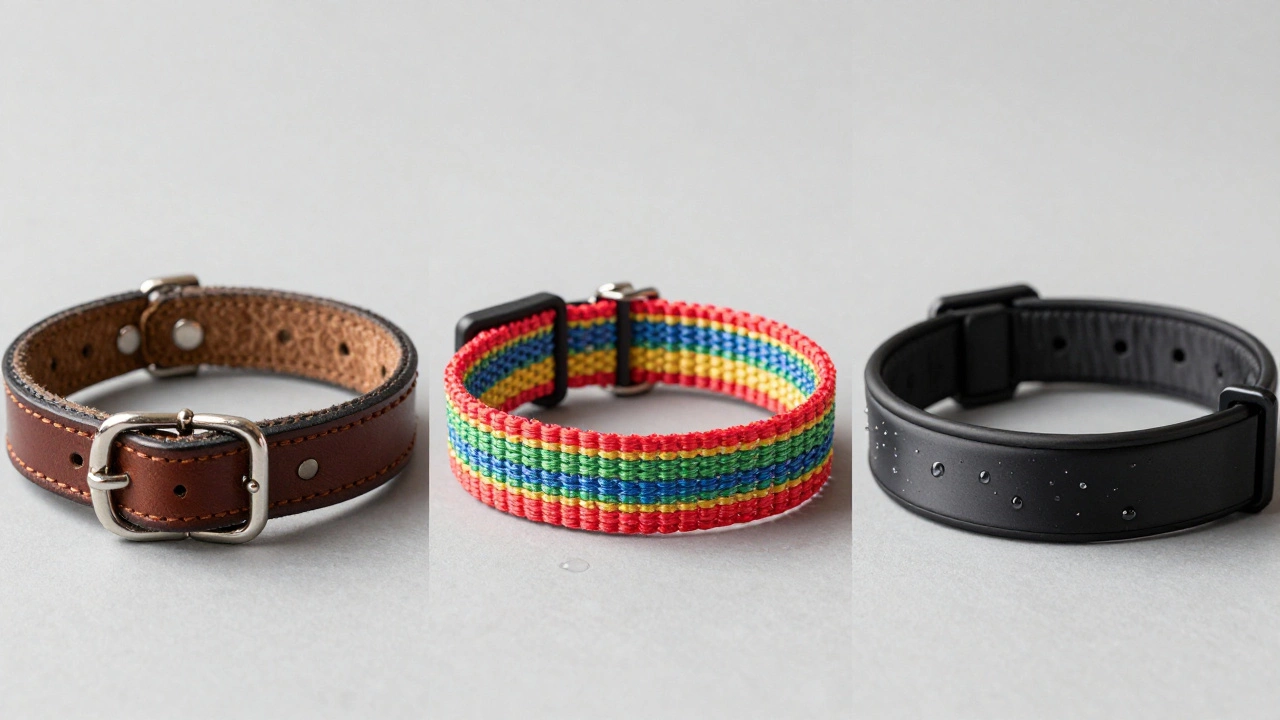
The material isn't just about looks; it's about durability and skin health. Nylon is a synthetic polymer known for its strength and versatility, commonly used in affordable, lightweight dog collars. It's the most common choice because it comes in every color imaginable and is generally easy to wash. However, cheap nylon can fray over time and may cause rubbing on the neck if the weave is too coarse.
Leather is a durable organic material that offers a classic look and tends to soften and mold to the dog's neck over time. Leather is incredibly strong and often lasts years longer than nylon. The downside? It's harder to clean and can crack if it gets soaked in water and isn't conditioned. It's a great pick for owners who want a timeless look and a heavy-duty build.
Then there's Biothane, which is a polyester webbing with a PVC or TPU coating that makes it completely waterproof and stink-proof. If you have a dog that loves rolling in mud or swimming in ponds, Biothane is a lifesaver. You can literally wipe it clean with a damp cloth, and it won't hold onto that "wet dog" smell like nylon does.
| Material | Durability | Water Resistance | Skin Comfort | Best For |
|---|---|---|---|---|
| Nylon | Medium | Low | Medium | Budget-friendly daily wear |
| Leather | High | Low/Medium | High | Long-term durability |
| Biothane | High | Maximum | Medium | Active/Water-loving dogs |
| Neoprene | Medium | Medium | Maximum | Sensitive skin/Puppies |
Understanding Different Collar Styles
Not all collars serve the same purpose. A Flat Collar is the standard strap-and-buckle design used primarily for holding ID tags and basic control. These are great for most dogs, but they can be slipped out of if the dog has a head narrower than its neck.
For those svelte-necked breeds, the Martingale Collar is the answer. A Martingale is a limited-slip collar that tightens slightly when tension is applied, preventing the dog from backing out of the collar. Unlike a choke chain, it doesn't tighten indefinitely, so it's much safer. It's the go-to for Greyhounds, Whippets, and sighthounds.
If you're dealing with a puppy that's still learning not to pull, you might look at training collars. However, avoid anything that uses prong or shock methods. Instead, focus on front-clip harnesses. A Harness is a system of straps that wrap around the dog's chest and shoulders, distributing pressure away from the neck. This is the safest way to walk a dog, especially those with breathing issues (brachycephalic breeds like Pugs or Bulldogs) where any pressure on the throat can be dangerous.
Getting the Fit Exactly Right
A collar that's too tight can cause skin infections, fur loss, and breathing problems. Too loose, and your dog is gone the moment they get spooked. To get the perfect fit, use the two-finger rule: slide two fingers between the collar and your dog's neck. If you can't fit two fingers, it's too tight. If you can fit three or four, it's too loose.
Keep in mind that dogs grow, and their coats change. A thick winter coat on a Husky makes a collar feel tighter than it would in the summer. Always re-check the fit after a grooming session or a change in season. If you're buying for a puppy, don't buy a "lifetime" leather collar immediately; they'll outgrow it in three months. Start with adjustable nylon and move up as they hit their adult size.
Positioning also matters. The collar should sit high on the neck, just behind the ears. If it slides down toward the shoulders, it's more likely to get caught on things or be easier for the dog to slip out of. Ensure the ID tag is centered and doesn't jingle so much that it annoys the dog (or you) during the night.
Safety Features and Red Flags
Not all buckles are created equal. Plastic "snap" buckles are convenient, but they can crack over time, especially if exposed to extreme cold or heavy UV rays. For dogs that are truly powerful, a metal D-ring and a heavy-duty buckle are non-negotiable. If you see a plastic buckle that looks yellowed or brittle, replace that collar immediately.
Avoid collars with excessive "bling" or hanging ornaments if your dog is prone to getting stuck in bushes or thickets. Those little charms can easily snag on a branch, leaving your dog anchored to a tree while you're still walking. Stick to flat, sleek designs for outdoor adventures.
Another safety consideration is visibility. If you walk your dog at dawn or dusk, look for collars with reflective stitching. While LED collars are a flashy option, simple 3M reflective tape is often more reliable and doesn't require batteries. Being able to spot your dog's silhouette from a distance can prevent a tragic accident with a car.
Making the Final Decision
To wrap this up, the best choose a dog collar strategy is to match the tool to the task. Use a flat, comfortable collar for ID tags at home. Use a Martingale for slip-prone breeds. And use a harness for actual walking and exercise. By separating the "ID's job" from the "walking job," you protect your dog's neck and give yourself the most control.
Don't be afraid to rotate collars. Maybe you have a Biothane one for the rainy season and a soft fabric one for lounging. The key is consistency in checking the fit and a willingness to upgrade the gear as your dog's strength and size increase. Your dog's comfort is the priority; if they're scratching at the collar or shaking their head constantly, something isn't right.
Can I use a collar for walking my dog exclusively?
While many people do, it's not always the safest choice. For dogs that pull, a collar puts pressure on the trachea and throat, which can cause long-term damage. A harness is generally recommended for walking because it distributes the force across the chest and shoulders.
How often should I replace my dog's collar?
You should inspect your collar weekly. Replace it if you see fraying in the nylon, cracks in the leather, or if the plastic buckle looks brittle. Typically, a high-quality nylon collar lasts 1-2 years, while leather can last much longer if conditioned.
What is the best collar for a dog that escapes?
For escape artists, especially those with narrow heads, a Martingale collar is the best option. It prevents the collar from widening enough for the dog to slide their head out, while still being comfortable for daily wear.
Does the material of the collar affect skin allergies?
Yes. Some dogs are allergic to the chemicals used in cheap synthetic dyes or the rough texture of low-grade nylon. If your dog has red, irritated skin where the collar sits, try switching to a neoprene-lined collar or a high-quality, vegetable-tanned leather one.
How do I know if the collar is too tight?
Use the two-finger rule: you should be able to comfortably fit two fingers between the collar and your dog's neck. If you can't fit two fingers, it's restricting their movement or breathing. If you can fit more than two, it's too loose and they could slip out.