Cat Food Hydration Calculator
Recommended Addition:
Quick Wins for Better Hydration
- Warm Water: The simplest way to start. It softens the kibble and releases aromas.
- Low-Sodium Broth: A savory alternative to plain water that most cats find irresistible.
- Wet Food Mix-ins: Using a small amount of canned food to create a "stew."
- Goat's Milk: A digestive-friendly dairy option for cats who can handle it.
- Tuna Water: The liquid from a can of tuna in water (no salt added).
The Water Method: Simple and Safe
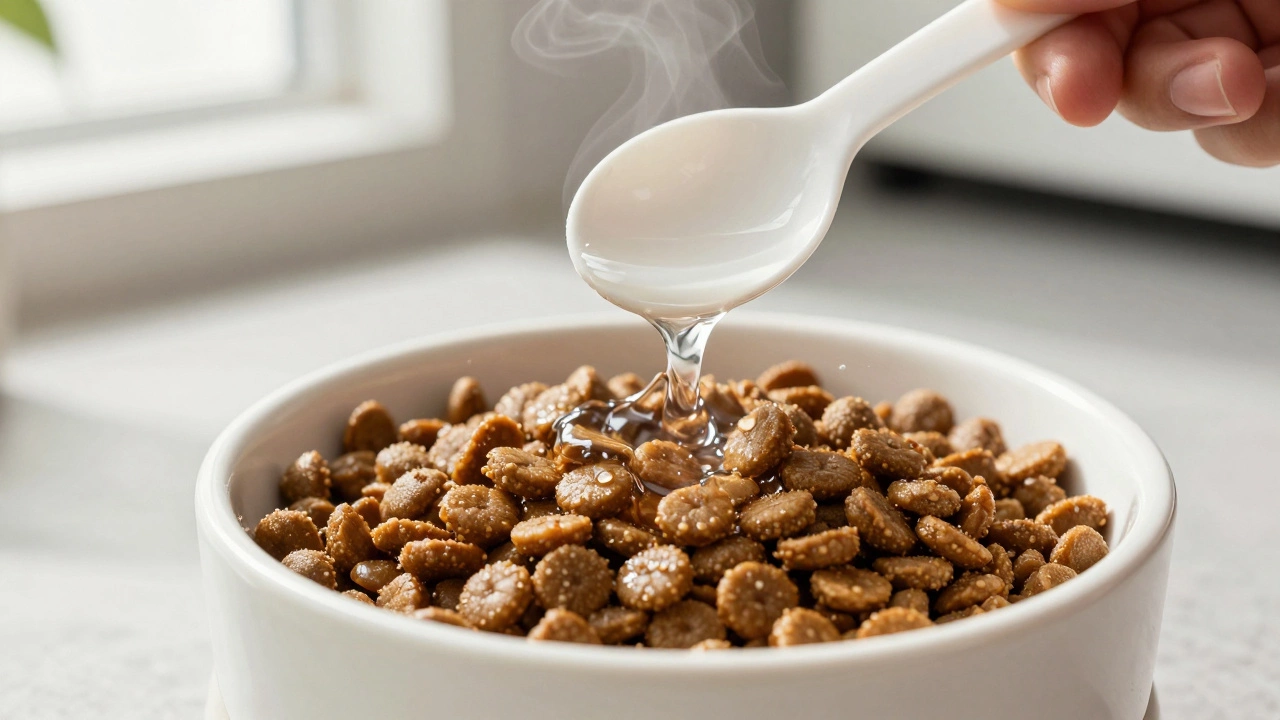
You don't need fancy ingredients to fix a hydration problem. Plain water is the gold standard. The trick is the temperature. If you use lukewarm water, it activates the fats and proteins in the Kibble, making it smell more like a fresh kill and less like a biscuit.
Start by adding a single tablespoon of water to their bowl. If you dump a half-cup in immediately, your cat might be disgusted by the "soup" and walk away. Gradually increase the amount over a week. Some cats prefer a "slurry" consistency, while others just want the kibble slightly damp. If you find they only eat the bits that aren't wet, try mixing it in a sealed container and shaking it before serving.
Using Broths and Savory Liquids
If plain water is too boring, Bone Broth is a game changer. However, you cannot use human store-bought broth. Most commercial broths contain Onion or garlic powder, both of which are toxic to cats because they destroy red blood cells.
Look for specifically formulated pet broths or make your own by simmering chicken breast and carrots (no salt). A great rule of thumb is to aim for a "sauce" consistency. If you use a liquid that is too thin, it just sits on top of the food. A slightly thickened broth clings to the kibble, ensuring they ingest the liquid with every bite.
| Topper | Hydration Level | Palatability | Risk Factor |
|---|---|---|---|
| Warm Water | High | Low | None |
| Unsalted Broth | High | Very High | Low (Check ingredients) |
| Canned Food | Medium | High | Calorie increase |
| Tuna Water | Medium | Extreme | High Sodium/Mercury |
Mixing Wet and Dry Food
Mixing Canned Cat Food into dry food is the most effective way to increase calories and moisture simultaneously. The key here is the ratio. If you are worried about weight gain, use the wet food as a "glue" rather than a full meal replacement.
Try the "mashing method." Take a tablespoon of pâté-style wet food and mash it into the kibble. This creates a coating that hides the taste of water if you're also adding liquid. For cats with sensitive stomachs, stick to a single protein source. If they eat chicken-based kibble, use a chicken-based wet topper to avoid digestive upset.
Dairy and Alternative Liquids
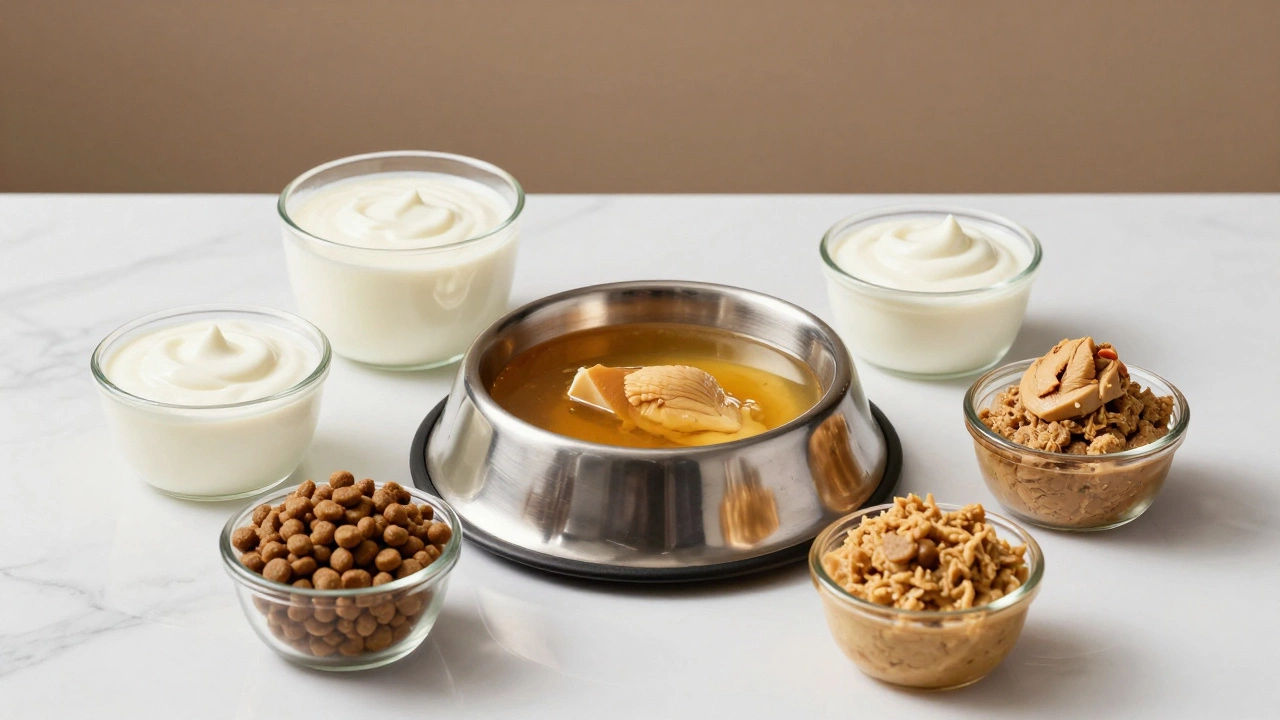
Many people ask if milk is okay. Most adult cats are lactose intolerant, and giving them a bowl of cow's milk will lead to a messy litter box and a very unhappy cat. However, Goat's Milk is much lower in lactose and easier on the gut.
If you use goat's milk or a commercial "cat milk," use it sparingly. These are treats, not primary hydration sources. They provide a creamy texture that encourages licking, which is great for picky eaters. Just keep an eye on the calories; a few tablespoons a day can lead to unexpected weight gain in indoor cats.
The Danger of Over-Hydrating the Bowl
There is one major pitfall to avoid: leaving wet kibble out all day. Once you add moisture to dry food, the clock starts ticking. Wet food can grow bacteria quickly, especially in warm weather. If your cat is a "grazer" who eats small amounts throughout the day, do not wet their food in a large bowl.
Instead, feed smaller, scheduled meals. If you see kibble that has been sitting in water for more than 4 hours, throw it away. You're trying to help their Kidneys, not give them a stomach infection. Use a stainless steel or ceramic bowl, as plastic bowls can scratch and trap bacteria in the moist food.
Pro Tips for the Most Stubborn Cats
Some cats will smell a single drop of water in their food and act like you've poisoned them. If you're dealing with a "food snob," try these psychological tricks:
- The Mist Technique: Instead of pouring water, use a clean spray bottle to mist the top of the food. It adds moisture without changing the texture too much.
- The "Gravy" Trap: Use the liquid from a can of tuna (in water, not oil) and drizzle it over the food. The strong scent of fish usually overrides the "ick" factor of wet kibble.
- Warmth is Key: Microwaving the mixture for 5-10 seconds (make sure it's not hot!) releases volatile organic compounds that make the food smell more appealing.
Can I use chicken broth from the grocery store?
Generally, no. Most human broths contain salt, onions, and garlic. Salt is hard on cat kidneys, and onions/garlic are toxic. Always check the label for "no salt added" and no alliums, or better yet, make a simple batch of boiled chicken water at home.
Will adding water make my cat's food spoil faster?
Yes. Dry food is preserved by its lack of moisture. Once you add water, it becomes a breeding ground for bacteria. Only wet the amount of food your cat will eat in one sitting, and discard any leftovers after 4 hours.
How much liquid should I actually add?
Start with 1 tablespoon per 1/4 cup of kibble. If your cat accepts it, move toward 2-3 tablespoons. The goal is a moist, clumped texture rather than a soup, as most cats find swimming kibble unappealing.
Is it okay to use tuna juice?
Yes, but only if it is tuna packed in water. Avoid tuna in oil. Also, be careful with the frequency; tuna is high in mercury and sodium. Use it as an occasional treat rather than a daily hydration strategy.
What if my cat refuses any liquid in their food?
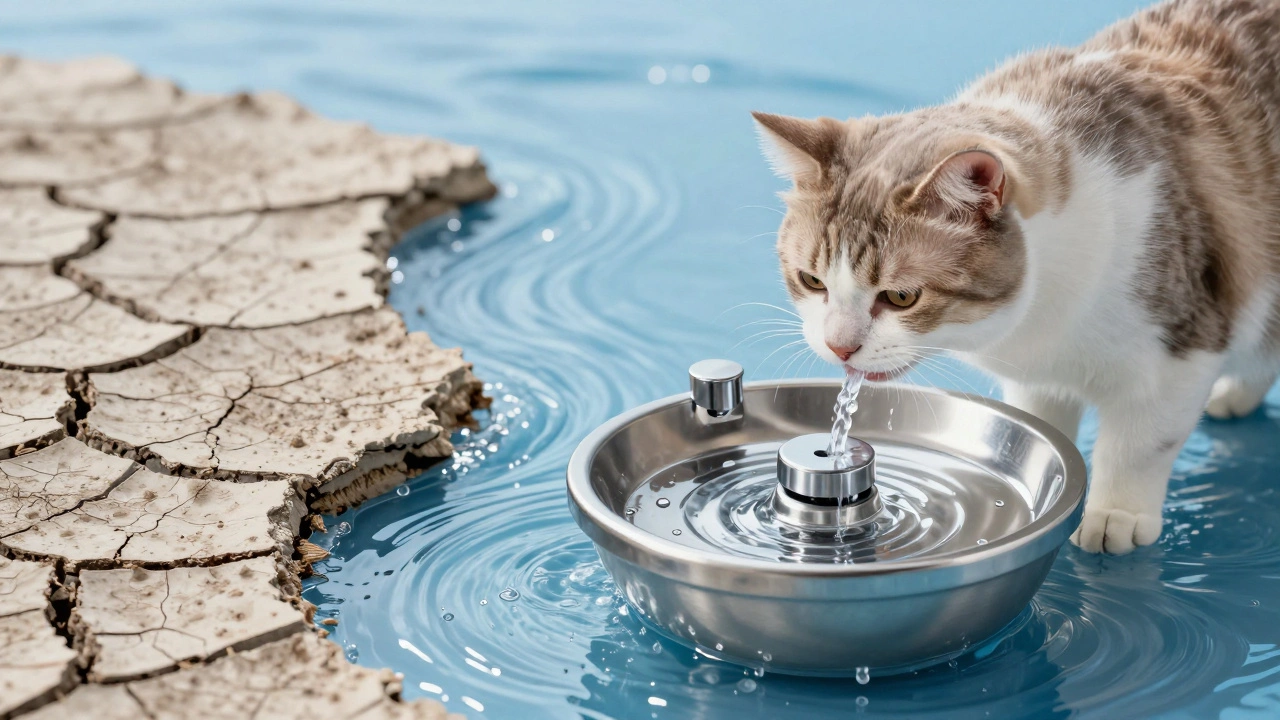
If they absolutely won't touch wet kibble, consider a water fountain. Cats are attracted to running water. Alternatively, try switching to a 100% wet food diet under your vet's guidance to ensure they get the hydration they need.
Next Steps for Cat Owners
If you've tried these tips and your cat still isn't drinking, it might be time to look at the environment. A Water Fountain often works better than a bowl because it mimics a natural stream. Also, consider placing water bowls in different rooms; some cats prefer to drink away from their food source.
If your cat is showing signs of dehydration-like tacky gums or skin that doesn't snap back when pinched-stop the home experiments and see a vet. They can check for underlying Chronic Kidney Disease or crystals that require medical-grade prescription diets rather than just more water.