Dog Collar Replacement Calculator
Enter your dog's collar information
Recommendation
Every dog owner knows the feeling: you tug on your pup’s collar to get their attention, and it feels loose. Or maybe the buckle is sticky, or the leather is cracking. You think, Should I replace this? But you don’t want to waste money or risk your dog’s safety. So how often should you really replace your dog’s collar? The answer isn’t one-size-fits-all. It depends on your dog’s habits, the collar’s material, and how well you’ve been checking it.
Signs Your Dog’s Collar Needs Replacing
Don’t wait for a collar to snap during a walk. Look for these clear warning signs:
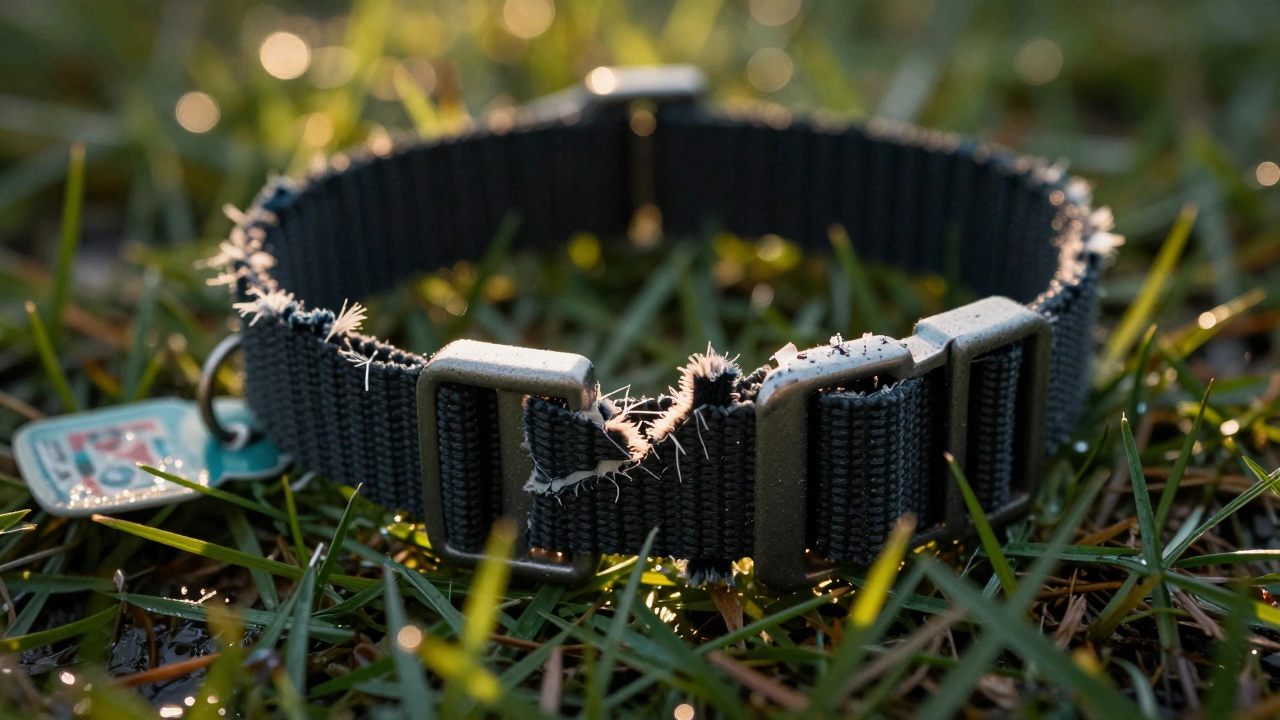
- Fraying or cracking material - Especially on leather or fabric collars. If you can see threads pulling apart or the surface is splitting, it’s not just old - it’s unsafe.
- Loose or broken buckle - A plastic buckle that doesn’t click shut properly, or a metal one that’s bent, can come undone in seconds. That’s not a minor inconvenience - it’s an escape risk.
- Stiffness or odor - If the collar feels stiff, smells sour, or has a crusty buildup around the edges, it’s trapped dirt, saliva, and bacteria. No amount of washing fixes this.
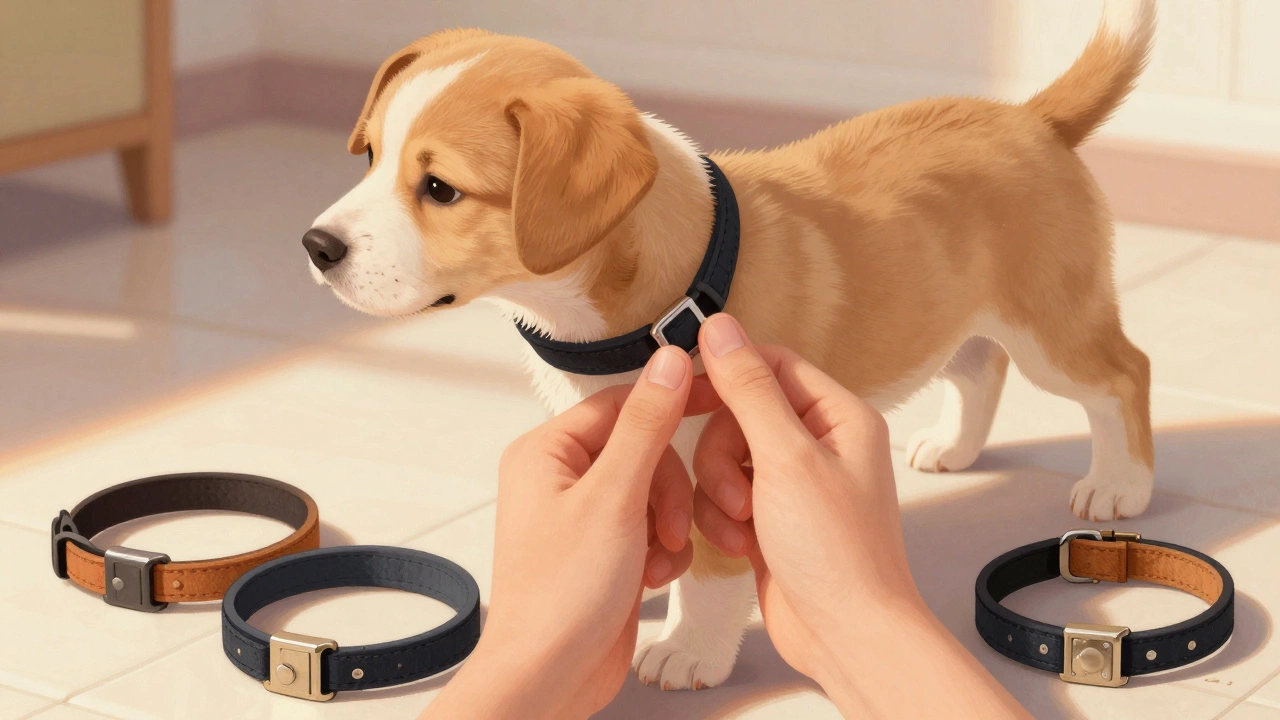
- Changes in fit - Puppies grow fast. Adult dogs gain or lose weight. If you can’t fit two fingers comfortably under the collar, it’s too tight or too loose. A collar that doesn’t fit right can cause choking or slipping.
- Missing tags - If your dog’s ID tag is loose, bent, or gone, it’s time to replace the collar or at least the ring. A lost tag means a lost chance at reunion if your dog gets separated.
These aren’t just "nice to fix" issues. They’re safety hazards. A collar failure can lead to your dog getting lost, injured, or even hit by a car.
How Long Do Dog Collars Last?
There’s no universal timeline, but here’s what most dog owners experience based on collar type:
| Collar Type | Average Lifespan | Best For |
|---|---|---|
| Leather | 1-3 years | Dogs with moderate activity, low moisture exposure |
| Nylon | 1-2 years | Active dogs, swimmers, outdoor lovers |
| Webbing (heavy-duty) | 2-4 years | Large breeds, strong pullers, working dogs |
| Silicone or stretch collars | 6-12 months | Small dogs, puppies, dogs with sensitive skin |
| Chain collars (metal) | 3-5+ years | Training collars, dogs with high aggression or pulling |
These numbers assume regular use and basic care. If your dog spends hours in the rain, digs in mud, or rolls in dead fish, their collar will wear out faster. A nylon collar on a Labrador who swims every weekend might need replacing after 8 months. A leather collar on a sleepy Bulldog might last three years.
Why Material Matters
Not all collars are created equal. Each material has strengths - and weaknesses.
- Leather looks classy and molds to your dog’s neck. But it absorbs water, sweat, and dirt. Without regular conditioning, it cracks. If you live somewhere wet - like Auckland - leather collars need extra care.
- Nylon is the most common for a reason. It’s affordable, washable, and comes in bright colors. But cheap nylon frays easily. Look for double-stitched seams and metal hardware.
- Webbing is thicker, tougher nylon. It’s used in climbing gear and dog harnesses. If your dog is a puller or a digger, this is the safest bet.
- Silicone is soft and flexible. Great for puppies or dogs with skin allergies. But it stretches over time and loses its shape. Replace it before it becomes too loose.
- Chain collars are durable but not for everyday use. They’re meant for training or control. Using one as a regular collar can damage your dog’s trachea or skin.
Choose based on your dog’s lifestyle, not just looks. A shiny leather collar might be beautiful, but if your dog loves puddles, you’re asking for trouble.
Monthly Check: The 5-Second Safety Routine
You don’t need to replace your dog’s collar every few months. But you should inspect it regularly. Make it part of your weekly routine.
- Check the buckle. Snap it open and closed 3 times. Does it click firmly? No wobble?
- Test the fit. Slide two fingers under the collar. If it’s tight, loosen it. If you can slide three fingers, it’s too loose.
- Run your fingers along the strap. Feel for rough spots, thinning, or cracks. Look closely at the stitching.
- Smell it. If it smells like sour milk or wet dog, it’s time for a wash - or a replacement.
- Look at the tags. Are they still attached? Is the engraving readable?
Do this every time you bathe your dog or after a big outdoor adventure. It takes less than a minute - but it could save your dog’s life.
Special Cases: Puppies, Senior Dogs, and Dogs with Health Issues
Some dogs need more frequent collar changes:
- Puppies - Their necks grow fast. Check fit every 2-3 weeks. Replace collars every 3-6 months until they’re fully grown.
- Senior dogs - Weight loss, muscle thinning, or skin sagging can change collar fit. A collar that once fit snugly might now slip over their head.
- Dogs with skin allergies - If their neck gets red, itchy, or scabby under the collar, it’s likely the material or dirt buildup. Switch to a silicone or hypoallergenic collar and replace it every 4-6 months.
- Dogs with tracheal issues - Avoid tight collars. Use a harness instead. If you must use a collar, check it weekly and replace it if it’s even slightly worn.
Don’t assume your dog’s collar is fine just because it hasn’t broken yet. Changes in their body mean changes in what’s safe.
What Happens If You Wait Too Long?
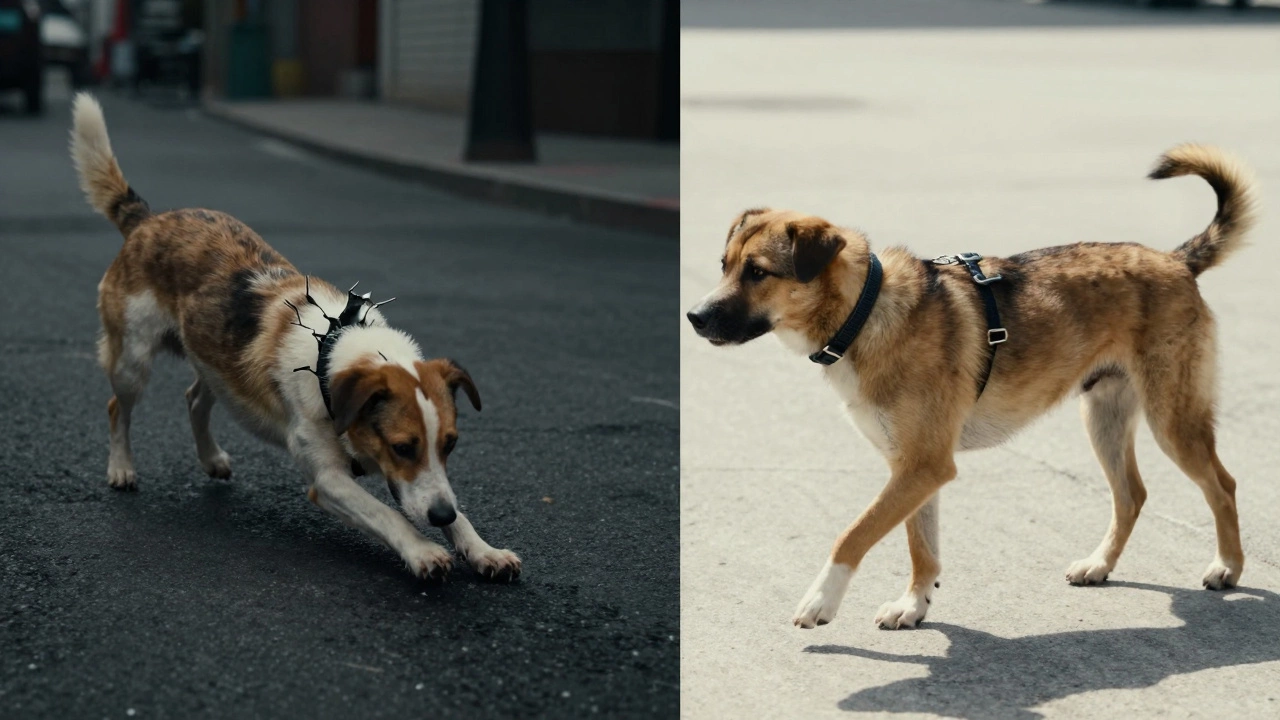
Waiting too long isn’t just risky - it’s common. A 2023 survey of 1,200 dog owners in New Zealand found that 68% of dogs were wearing collars past their safe lifespan. Nearly 1 in 5 had visible damage.
Here’s what can go wrong:
- Your dog slips out during a walk - and gets lost.
- The collar catches on a fence, branch, or car door - and strangles them.
- The buckle breaks and your dog’s ID tag is lost forever.
- Chafing leads to open sores, infection, or hair loss.
One owner in Wellington told me her 8-year-old Border Collie slipped out of a worn nylon collar during a storm. She was gone for 36 hours. The collar had been cracked for months. She replaced it after that - and now checks every month.
When to Replace: A Quick Decision Guide
Still not sure? Use this simple flow:
- Is the collar visibly damaged? - Replace it now.
- Is it over 2 years old? - Inspect closely. If it’s nylon or leather, replace it.
- Does your dog have a medical condition or change in body shape? - Replace it, even if it looks fine.
- Is the tag missing or unreadable? - Replace the collar or at least the ring.
- Does it smell bad or feel stiff? - Replace it.
If you answered "yes" to any of these, don’t wait. Buy a new one today.
Pro Tips for Longer-Lasting Collars
- Wash nylon and webbing collars every 4-6 weeks with mild soap and air dry. Never put them in the dryer.
- Condition leather collars every 3 months with a pet-safe leather balm.
- Remove collars at night if your dog sleeps indoors - it reduces wear and gives their skin a break.
- Use a harness for walks if your dog pulls. It takes pressure off the neck and collar.
- Keep spare collars and tags on hand. You never know when one will fail.
Replacing a collar isn’t a chore - it’s part of caring for your dog. Just like trimming nails or brushing teeth, it’s a small habit that prevents big problems.
How often should I replace my dog’s collar if they’re a puppy?
Puppies grow quickly, so check their collar fit every 2-3 weeks. Most puppies need a new collar every 3 to 6 months until they reach full size. Don’t wait for it to look worn - if it’s too tight or loose, replace it. A collar that’s too tight can restrict breathing or cause neck sores.
Can I just wash my dog’s collar instead of replacing it?
Washing helps, but it won’t fix structural damage. If the stitching is fraying, the buckle is loose, or the material is cracking, washing won’t make it safe. Nylon collars can be washed every 4-6 weeks. Leather should be conditioned, not soaked. If the collar looks old, even after cleaning, replace it.
Are expensive collars worth it?
Not always - but durability matters more than price. A $15 heavy-duty webbing collar with reinforced stitching can last longer than a $40 leather one that cracks after a year. Look for double-stitched seams, metal hardware (not plastic), and materials suited to your dog’s lifestyle. A good collar is an investment in safety, not just style.
Should I take the collar off at night?
If your dog sleeps indoors and doesn’t need their ID tag on at night, taking the collar off gives their skin a chance to breathe and reduces wear. It’s especially helpful for dogs with sensitive skin or those who rub their necks while sleeping. Just make sure they’re in a safe, enclosed space. If your dog goes outside at night or you live in a high-risk area, keep the collar on.
What’s the safest material for a dog collar?
For everyday use, heavy-duty webbing (like climbing-grade nylon) is the safest. It’s strong, washable, and doesn’t absorb moisture. Leather is good if you maintain it, but it breaks down faster in wet climates. Avoid cheap plastic buckles - they crack under stress. Always choose collars with metal hardware and double-stitched seams.