NZ Dog Walking Rate Calculator
Calculate Your Fair Rate
Based on New Zealand market data and professional standards
Walking a dog isn’t just about getting some fresh air-it’s a job. And like any job, you should get paid fairly for your time, effort, and responsibility. But how much should you actually charge? The answer isn’t one-size-fits-all. It depends on where you are, how long the walk is, the dog’s needs, and even the weather.
What’s the Average Pay for Dog Walking in New Zealand?
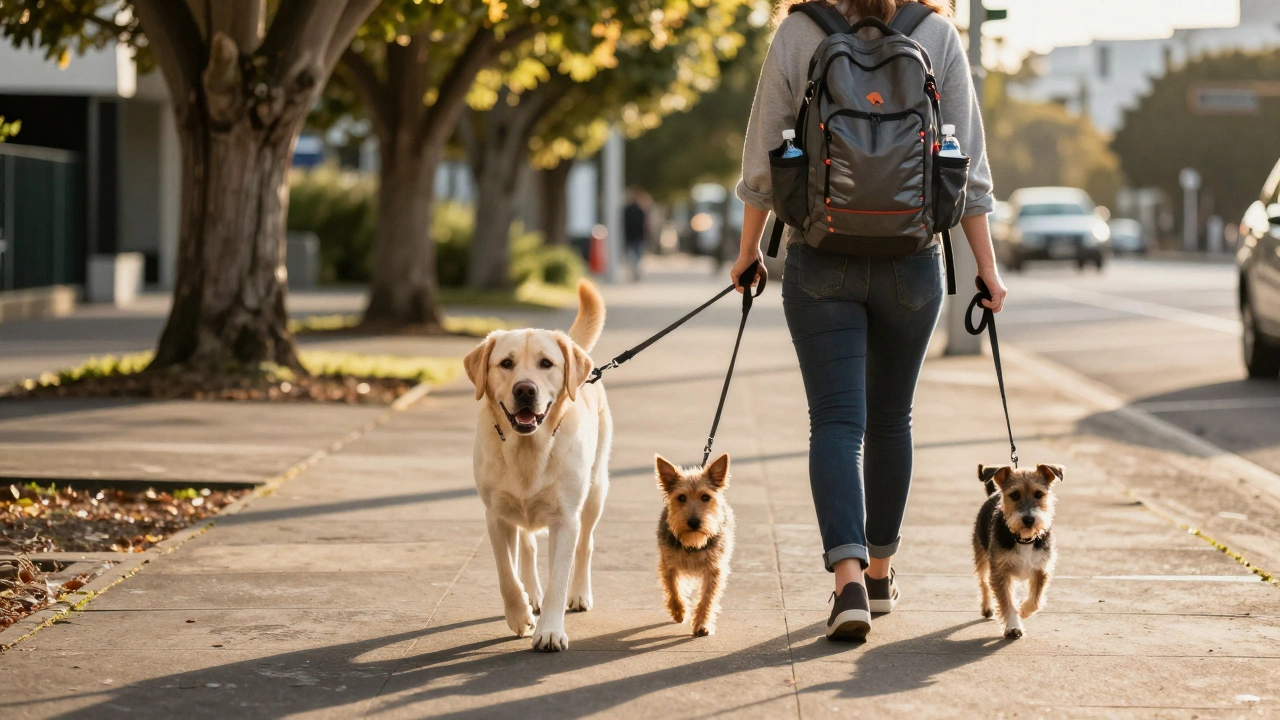
In New Zealand, most dog walkers charge between $20 and $35 per 30-minute walk. In cities like Auckland, Wellington, and Christchurch, rates tend to sit at the higher end-$28 to $35-because of higher living costs and demand. In smaller towns or rural areas, you might see $20 to $28. That’s the standard range for a single dog on a 30-minute walk.
But here’s what most people don’t realize: if you’re walking two dogs at once, you shouldn’t just charge $20 per dog. Most professional walkers charge $25 for the first dog and $10 extra for the second. So a 30-minute walk with two dogs? That’s $35, not $40. Charging full price per dog can turn clients away.
What Raises the Price?
Not all dogs are the same. A small, calm Chihuahua is easy to manage. A 40kg Labrador with high energy and zero recall? That’s a different job entirely. Here’s what makes a walk worth more:
- Size and energy level - Large, strong, or hyperactive dogs need more control, more focus, and sometimes extra gear. That’s time and skill.
- Behavior issues - Dogs that pull, bark at other animals, or won’t come when called require training skills. You’re not just walking-you’re managing risk.
- Special needs - Senior dogs, dogs with mobility issues, or those on medication need extra attention. You might need to carry water, check for limping, or adjust pace.
- Weather conditions - Walking in 30°C heat or pouring rain takes more effort. Some walkers add a $5-$10 weather surcharge in extreme conditions.
- Location - If you’re walking in a busy city center, on steep hills, or near busy roads, that’s more mental load. You’re also more likely to encounter distractions.
One Auckland walker told me she charges $40 for a 45-minute walk with a rescue dog that used to run off. The owner didn’t blink. Why? Because she’d seen the dog get hit by a car before. That’s not just walking-it’s prevention.
What About Group Walks?
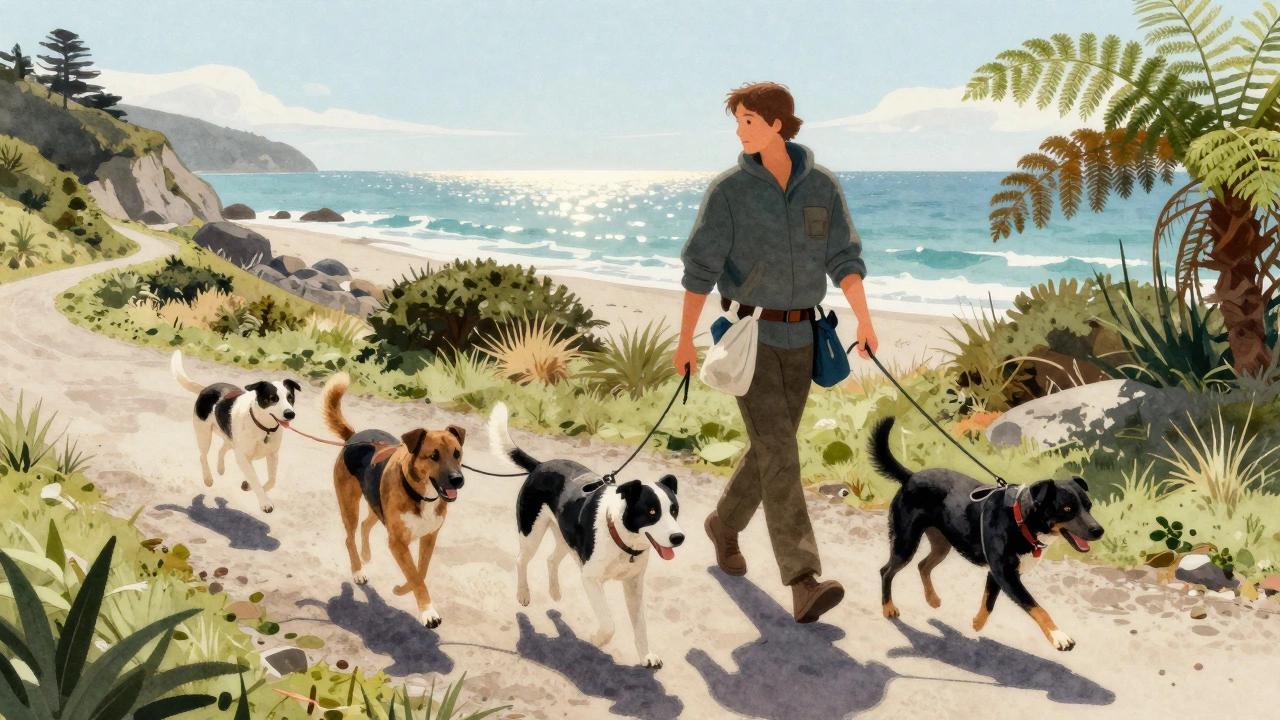
Group walks are a smart way to earn more without working longer hours. Most walkers take 3-4 dogs at a time. You can charge $25 per dog for a 30-minute group walk. That’s $75-$100 for one hour of work.
But here’s the catch: group walks only work if you’re experienced. You need to know how to read dog body language, manage conflicts, and keep the group moving. If you’re new, start with one or two dogs. Jumping into a group of four without training can lead to escapes, fights, or complaints.
Also, most clients expect you to clean up after every dog. That’s non-negotiable. If you’re not bringing bags, you’re not professional. And if you’re not cleaning up, you’re not just unhygienic-you’re risking fines. Auckland City Council fines owners $200 for not picking up poop. You don’t want to be the one liable for that.
How Do You Set Your Rates?
Don’t just copy what others charge. Build your rate based on your value. Here’s a simple formula:
- Calculate your base cost - How much do you need to earn per hour? If you want to make $30/hour, that’s your floor.
- Add your expenses - Dog walking bags, treats, transport, phone data, insurance. Add $5-$10 per walk to cover these.
- Factor in skill - If you’ve done first aid training for dogs, or studied canine behavior, charge more. You’re not just a body-you’re a trained professional.
- Test and adjust - Start at the market average. After 10 walks, ask clients: “Would you pay $5 more if I added a photo update?” If they say yes, raise your rate.
One walker in Ponsonby started at $25. After six months, she added photo updates and a short voice note after each walk. She raised her rate to $32. Her retention rate jumped from 60% to 95%.
What Do You Need to Get Started?
You don’t need a degree. But you do need a few basics:
- A reliable phone - Clients want updates. A quick photo or text after the walk builds trust.
- Leash and harness - Always carry a spare. Dogs break leashes. It happens.
- Waste bags - Keep at least 10 in your pocket. No excuses.
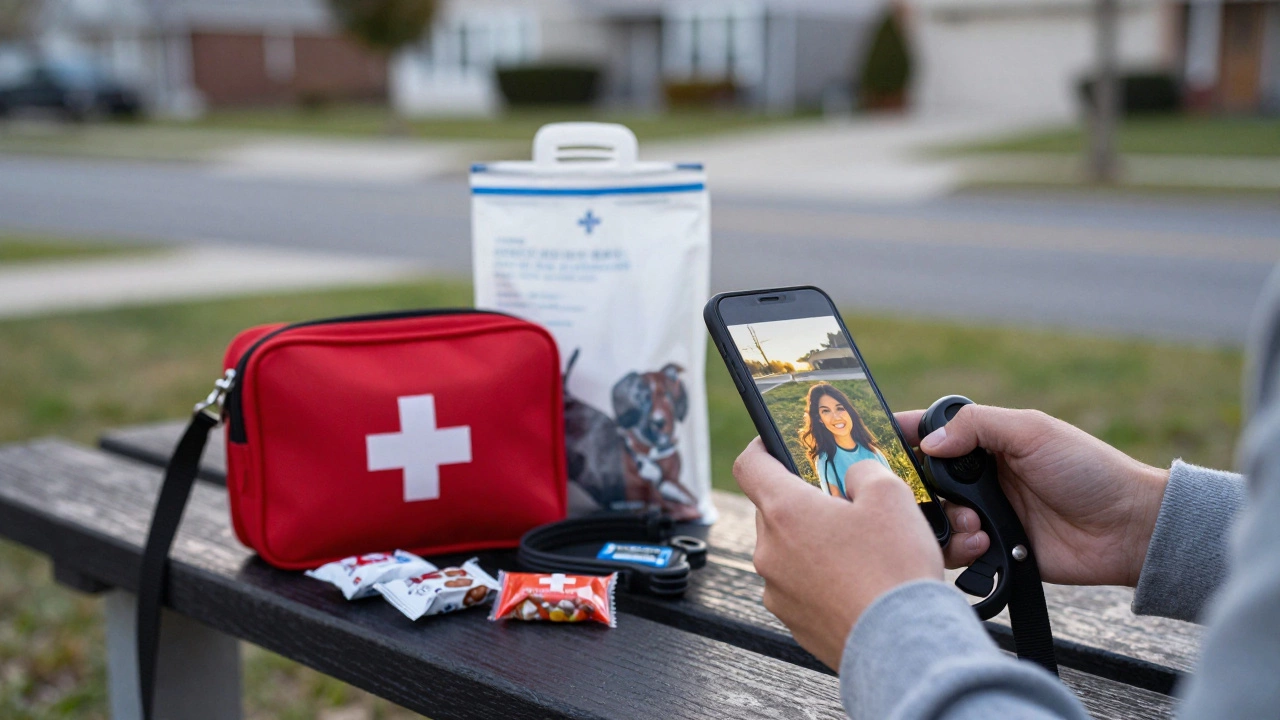
- Basic first aid kit - Bandages, antiseptic wipes, tweezers for ticks. You don’t need to be a vet, but you should handle minor cuts or stings.
- Insurance - Not mandatory, but smart. If a dog gets hurt or causes damage, you could be liable. Look for pet care liability insurance-it costs about $150/year.
Don’t forget: if you’re doing this as a side hustle, you still need to declare the income to Inland Revenue. Dog walking income is taxable. Keep receipts for gear and fuel. You can claim them as business expenses.
How to Find Clients
Word of mouth still works best. Ask friends with dogs. Post in local Facebook groups like “Auckland Dog Lovers” or “Ponsonby Pets.” Use apps like Pawshake or DogBuddy-they take a 20% cut but bring you clients fast.
Another trick? Leave flyers at vet clinics, pet stores, and dog parks. Write: “Professional Dog Walker | $28/30 min | Photo Updates Included.” Include your phone number. No website needed to start.
Red Flags to Watch For
Not every client is right. Watch out for:
- People who ask you to walk without a leash
- Those who don’t provide clear instructions about food, meds, or behavior
- Anyone who pressures you to skip cleanup or rush the walk
- Clients who pay late or refuse to pay extra for extra time
If something feels off, walk away. Your safety and reputation matter more than one paycheck.
Can You Make a Living From Dog Walking?
Yes-but not if you only walk one dog at a time, five days a week. To make $50,000 a year (a full-time income), you’d need to walk about 20 dogs per week, averaging $30 each. That’s four walks a day, five days a week. It’s doable, but only if you’re efficient.
Most successful walkers combine:
- Group walks (3-4 dogs at once)
- Longer walks (45-60 minutes) for senior or special needs dogs
- Extra services like pet sitting, mail collection, or light plant watering
One walker in Tauranga makes $65,000 a year. She walks 25 dogs weekly, offers overnight pet sitting on weekends, and charges $45 for 60-minute walks. She doesn’t advertise. She’s booked out six weeks in advance.
Final Thought: You’re Not Just a Walker
You’re a trusted caretaker. A dog’s walk is its only daily adventure. It’s when they see other dogs, smell the air, and feel safe. If you’re late, distracted, or careless, it affects their whole day.
Charge what you’re worth. Not because you’re greedy-but because you’re responsible. And that’s worth more than $20.
How much should I charge to walk a dog in Auckland?
In Auckland, most dog walkers charge between $28 and $35 for a 30-minute walk with one dog. For larger, high-energy, or behaviorally challenging dogs, $35-$45 is common. Group walks (2-4 dogs) typically cost $25 for the first dog and $10 extra per additional dog.
Is dog walking a good side hustle in New Zealand?
Yes, if you’re organized and consistent. Many people earn $300-$800 a week by walking 10-20 dogs. You can start with just a phone, leashes, and waste bags. With good service and word-of-mouth, you can build a full-time income within a year.
Do I need insurance to walk dogs in New Zealand?
It’s not legally required, but it’s strongly recommended. Dog walking liability insurance costs around $150 per year and covers you if a dog you’re walking gets injured, causes damage, or bites someone. Without it, you could be personally liable for thousands in damages.
Should I charge more for bad weather?
Many professional walkers add $5-$10 for extreme weather-hot days, heavy rain, or icy sidewalks. It’s fair because it’s harder, riskier, and takes more time. Be upfront about it in your service description.
What’s the best way to get my first clients?
Start locally. Ask neighbors, friends, or people at the dog park. Post in community Facebook groups like “Auckland Dog Lovers.” Leave simple flyers at vet clinics or pet stores with your rate and contact info. Offer your first walk at a slight discount to get reviews.
Can I walk dogs without a business license in New Zealand?
You don’t need a business license to walk dogs as a sole trader in New Zealand. But you must register for GST if your annual income exceeds $60,000. You also need to declare all income to Inland Revenue, even if it’s cash. Keep records of payments and expenses.